
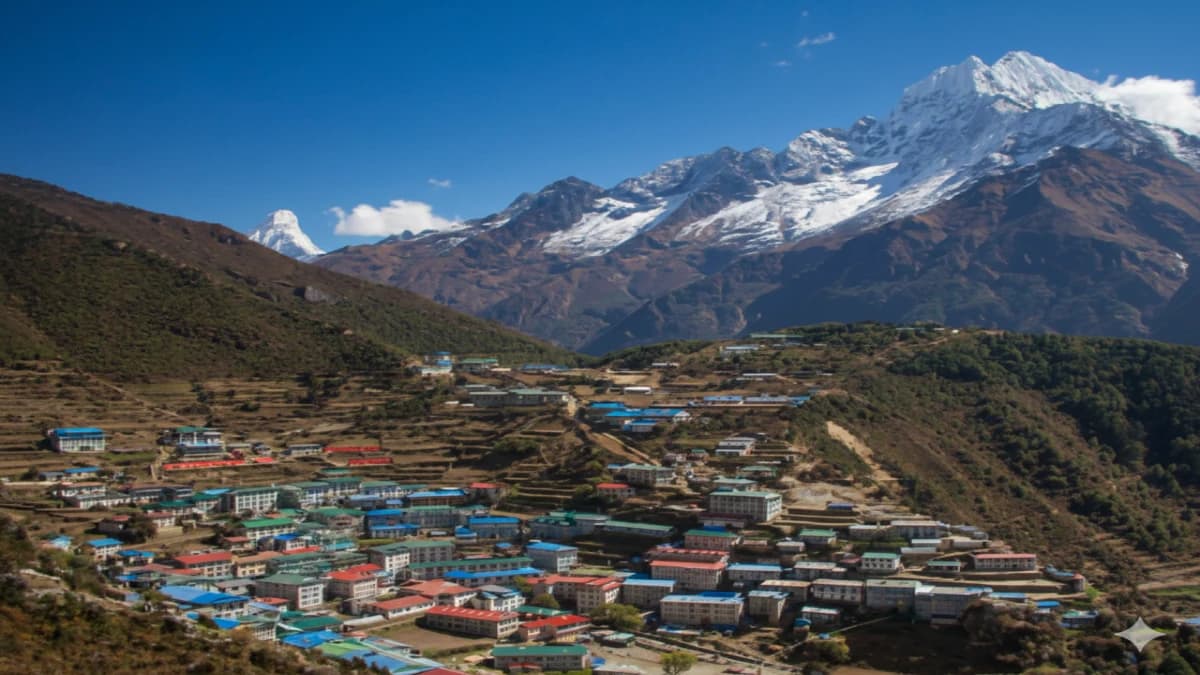
Short answer: Tengboche (3,860 m) is the spiritual heart of the Everest region, home to the Khumbu's best-known monastery on a ridge above the meeting of the Dudh Koshi and Imja Khola rivers, with one of the finest views of Everest and Ama Dablam on the trail. Most trekkers sleep there or nearby on the way up from Namche Bazaar. It is a stop on our 12-day Everest Base Camp trek.
Written by Shreejan Simkhada, CEO of The Everest Holiday and third-generation Himalayan guide. TAAN Member #1586.
Why Is Tengboche the Most Famous Stop on the EBC Trek?
Tengboche is the heart and spirit of the Everest region. Tengboche sits on a ridge at 3,860 metres where two rivers meet, and when you arrive after the long climb from Namche, you understand why the monks built a monastery here and nowhere else. It stands on a ridge 3,860 metres above the point where the Dudh Koshi and Imja Khola rivers meet. It is the spiritual journey of the Everest Base Camp hike, when the rush of the river gives way to the song of prayers, and the eyes are elevated not just to the tall peaks but also to the inner self. In this place, the smell of pine incense and the sound of a dungchen (long horn) create an atmosphere where the worldly goals of climbing and hiking meet the eternal peace of Tibetan Buddhism.
Tengboche at a glance
| Altitude | 3,860 m (12,664 ft), on a ridge above the Dudh Koshi and Imja Khola confluence |
| Region | Khumbu, inside Sagarmatha National Park (a UNESCO World Heritage Site) |
| On the trail | Everest Base Camp route, roughly a day above Namche Bazaar (a 4 to 5 hour climb) |
| Monastery | Dawa Choling Gompa, the largest Buddhist monastery in the Khumbu |
| Main festival | Mani Rimdu, held over the autumn full moon (October or November) |
| Trek it on | Everest Base Camp Trek (12 days), Ama Dablam Base Camp Trek |
Sagarmatha National Park, which Tengboche sits inside, is managed by Nepal's Department of National Parks and Wildlife Conservation.
What Can You See from Tengboche Monastery?
The way to Tengboche is a fantastic reveal. After an uphill ascent through rhododendron and pine woodland, the route leads to a wide, grassy meadow. The Tengboche Monastery (Dawa Choling Gompa) sits in the centre of it all.
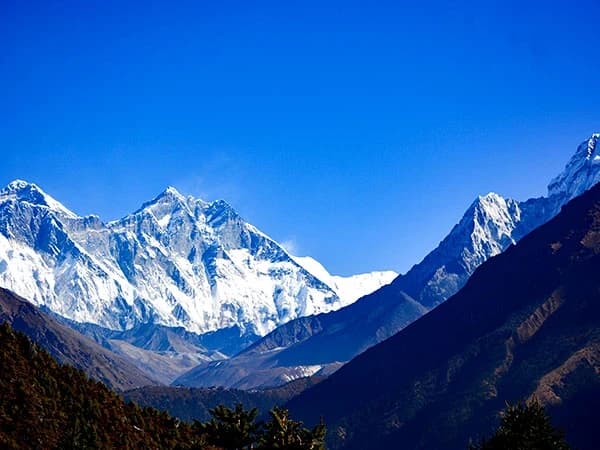
Its detailed, colourful front is surrounded by what is probably the most famous mountain view in the world. This is what postcards and dreams look like. The beautiful Ama Dablam extends out its long, sheltering arms right in front of you. The summit pyramid of Everest can be seen to the left of the huge wall of Nuptse and Lhotse. The huge Thamserku and Kangtega make up the stone and ice amphitheater. Lama Gulu picked the location of the monastery in 1916 after having a vision. This locale was a heavenly choice since it is a spot where heaven and earth clearly meet. For more than a hundred years, pilgrims and trekkers have experienced the pure, peaceful joy of sunrise here, when the first golden light hits the top of Everest.
What Is Inside Tengboche Monastery?
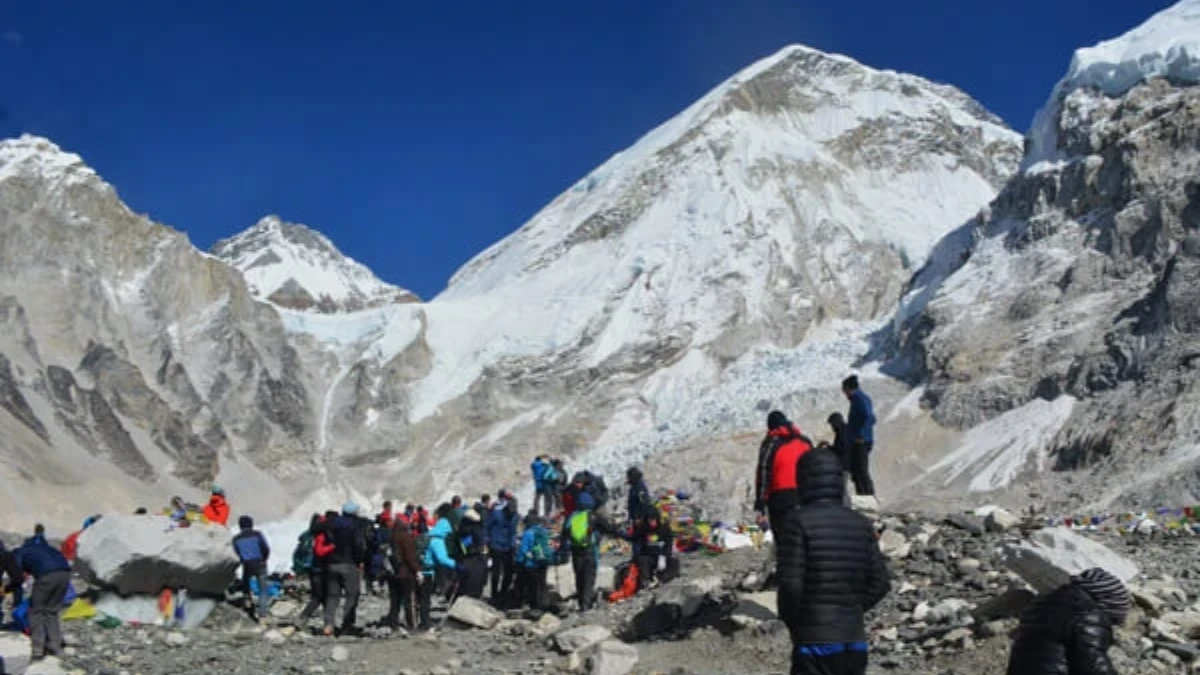
The monastery is what makes Tengboche what it is. Regrettably, a fire in 1989 and an earthquake in 2015 caused damage to the original building. The Sherpa community has carefully rebuilt it each time, with help from people all around the world. The destruction of this structure shows how important it is to their culture and religion. It is the most prominent Buddhist monastery in the Khumbu region and the home of the reincarnated lama. It is also a place for religious study and ceremonies. People are welcome to see the daily ceremonies. The chanting of prayers, the deep-throated horns, and the sight of monks in maroon robes all add to the sense of peacefulness. The inside is a colourful mix of religious art, including colourful thangka paintings of gods and mandalas, detailed sculptures of Buddha, Padmasambhava, and Maitreya, and detailed wood carvings that relate to ancient legends.
What Is the Mani Rimdu Festival at Tengboche?
The Mani Rimdu festival, which takes place every year in the fall (typically in October or November), is Tengboche's most important spiritual event. Monks use beautiful outfits and masks to do holy cham dances. These performances are not merely shows; they are powerful religious plays that demonstrate Buddhism's victory over spirits that existed before it introduced kindness to all living things. For hikers who are lucky enough to see it, Mani Rimdu is an incredible way to experience Sherpa culture.
Where to Stay and Eat in Tengboche?
Tengboche is an important acclimatisation stop between Namche Bazaar and Dingboche. It takes almost 600 metres of climbing from the river at Phunki Tenga (3,250m) to the monastery. Because of this, staying here for the night is both a physical need and a spiritual blessing.
The Vibe: The mood here is calmer and more thoughtful than it is in Namche. The monastery makes the whole town seem peaceful. Evenings are for peaceful talk, reading, and going to bed early, typically with the distant, soothing sound of prayer from the gompa.
What Facilities Are Available at Tengboche?
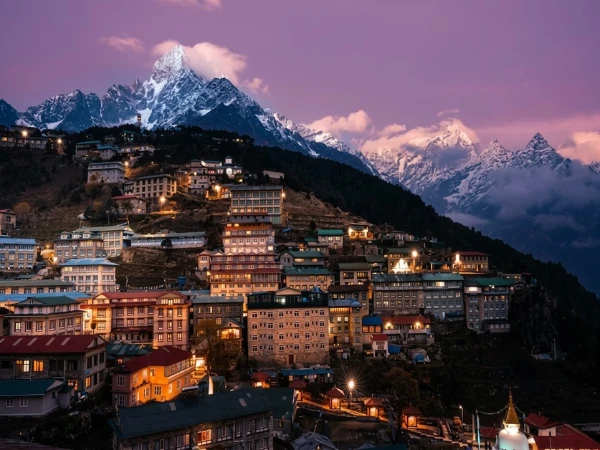
A few lodges provide simple yet decent places to stay. The bakery next to the monastery is a well-known stop because it offers fresh apple pie, cinnamon rolls, and strong coffee. People love to eat these things while looking at Ama Dablam.
What Comes After Tengboche on the EBC Trek?
Tengboche is a place where many cultures and places meet. The major trail to Everest Base Camp goes right past its courtyard. Just below is where the fork to the lovely Gokyo Lakes valley splits off. Everyone who walks by, whether they're a trekker, a high-altitude climber, a porter carrying a lot of stuff, or a monk in a robe, stops here. Here, you can witness the whole range of the Khumbu: the spiritual commitment that has kept people living here for hundreds of years and the daring spirit that brings people from all over the globe to these mountains. It is a place where a climber might secure their boots alongside a monk who is spinning a prayer wheel, each progressing along their own ascent.
Why Does Tengboche Stay with Every Trekker?
Tengboche is the most important bridge on the way to Everest. It connects the green lowlands with the dry, high-altitude world above. More crucially, it connects the outside trip of miles and metres with the inward journey of the spirit. It informs everyone who travels through the Khumbu that it's not only a physical place to go through but also a holy place that should be treated with reverence. A moment of peace in the thin, clear air awaits you if you spend the night at Tengboche.
You may listen to the wind in the prayer flags, sense the size of the mountains, and realise that the genuine peak of any big adventure is frequently a change in perspective. Under the shadow of the world's tallest mountain, Tengboche gently reminds you to gaze both up and inward. Tengboche gets your heart ready for the high altitude ahead, not just your lungs.
Where to Stay in Tengboche
Teahouse and lodge accommodation in Tengboche is included in every Everest Base Camp trek package we run. Your guide books your room on arrival, so you do not need to contact lodges directly. The lodges here are simple but comfortable with twin rooms, hot meals, and a common room heated by a yak-dung stove against the 3,860 metre cold.
Related Treks & Guides
- Ama Dablam Base Camp Trek
- Everest Base Camp Trek By Road Trip
- Everest Heli Photography Tour
- Khare
- Khumbu Glacier, Everest Base Camp Trek Guide
Tengboche is a highlight of the Everest Base Camp Trek, sitting at 3,860 metres with the monastery framed by Ama Dablam. The Everest View Trek also passes through Tengboche for those who want Khumbu views without the full base camp commitment.
Tengboche Monastery is the spiritual heart of the Khumbu. The monks chant at dawn and dusk, Ama Dablam fills the window behind the altar, and every trekker who stops here, believer or not, leaves feeling something they did not feel before. If the monastery is holding a ceremony when you arrive, sit quietly in the back and listen. You will not regret the extra hour.
Tengboche is on day four of our Everest Base Camp Trek.
WhatsApp:+977 9810351300
Email:[email protected]
Tengboche fits naturally into a longer Nepal cultural-plus-trek loop; see our 10-day Nepal itinerary for one way to combine the two.
Tengboche Monastery is the EBC spiritual stop. Our Everest Base Camp Trek (12 Days) is private (your group only, no strangers), 2027 dates open, From USD $1399. WhatsApp us for tailored 2027 dates and current departures.
 Chat with Shreejan