
I have been running treks in Nepal since I took over from my father, and my family has been in this business across three generations. Every year, journalists and travel bloggers ask me the same questions: how much does it cost, how many people go, which treks are most popular, what has changed. So I put the numbers in one place. These are real figures from our operations and from Nepal's official tourism data, not estimates pulled from other websites.
How Many People Trek in Nepal Each Year?
Nepal issued 236,587 trekking permits in 2024, the highest number since records began. The Annapurna Conservation Area led with 68,743 permits, followed by the Sagarmatha (Everest) region with 55,912. The Manaslu restricted area issued 8,456 permits, still a fraction of Annapurna but growing 15–20% year on year.
For context, Nepal received 1.06 million international tourists in 2024. Roughly one in four visitors goes trekking.
How Much Does a Nepal Trek Actually Cost in 2026?
Based on our 57 trek packages across all major regions:
| Tier | Average Price (USD) | Range | What You Get |
|---|---|---|---|
| Budget | $1,412 | $365–1,699 | Basic teahouses, shared rooms, group meals |
| Standard | $2,152 | $700–2,799 | Best available rooms, private bathroom where possible, better food |
| Luxury | $3,349 | $2,100–5,299 | Premium lodges, private rooms, upgraded meals, helicopter options |
The cheapest trek we run is a 2-day Kathmandu yoga retreat at $99. The most expensive is a luxury helicopter Everest tour with five-star hotels at 4,999. The most-booked price point is $2,000–2,500 (standard EBC or Annapurna treks).
What Are the Most Popular Treks in Nepal?
Based on permit data and our own booking patterns:
| Trek | Duration | Budget Price | Max Altitude | Popularity Rank |
|---|---|---|---|---|
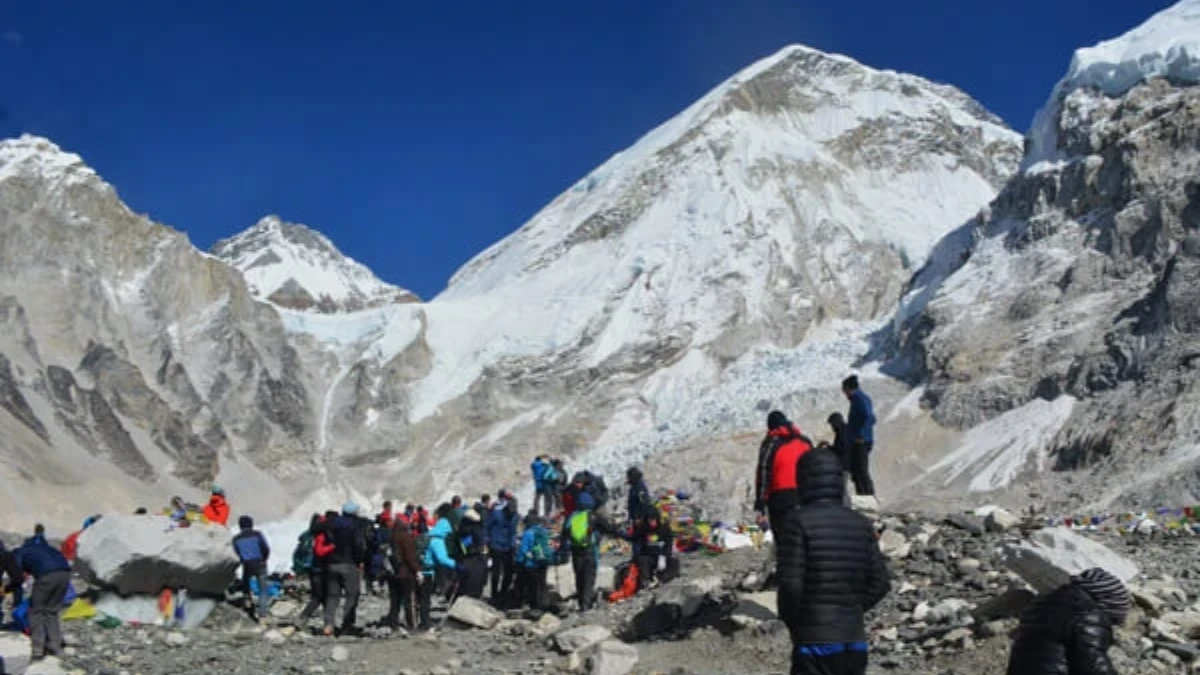
| Everest Base Camp | 12 days | $1,399 | 5,364m | #1 |
| Annapurna Base Camp | 9 days | $499 | 4,130m | #2 |
| Annapurna Circuit | 12 days | $720 | 5,416m | #3 |
| Poon Hill | 6 days | $499 | 3,210m | #4 |
| Langtang Valley | 8 days | $365 | 3,870m | #5 |
| Manaslu Circuit | 12 days | $799 | 5,160m | #6 |
| Mardi Himal | 7 days | $454 | 4,500m | #7 |
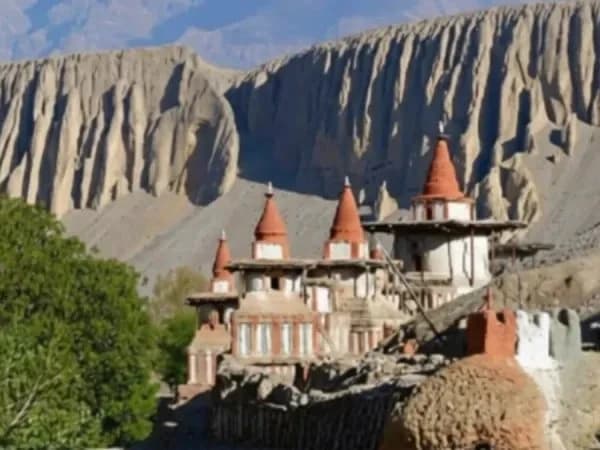
| Upper Mustang | 10 days | $1,290 | 3,840m | #8 |
What Do Nepal Trekking Permits Cost in 2026?
| Permit | Cost (NPR) | Cost (USD approx) | Required For |
|---|---|---|---|
| TIMS Card | NPR 2,000 | ~USD 13 | All trekking regions |
| Annapurna Conservation Area | NPR 3,000 | ~USD 20 | All Annapurna treks |
| Sagarmatha National Park | NPR 3,000 | ~USD 20 | All Everest treks |
| Manaslu Restricted Area | charged in USD | USD 100 per week Sep–Nov, USD 75 Dec–Aug | Manaslu Circuit |
| Upper Mustang | charged in USD | USD 50 per person per day | Upper Mustang trek |
| Kanchenjunga | charged in USD | USD 10 per week | Kanchenjunga trek |
| Langtang National Park | NPR 3,000 | ~USD 20 | Langtang + Gosaikunda |
Two notes on the restricted-area rows. Upper Mustang is charged per person per day and is no longer a flat fee for ten days, which is the figure most sites still republish. And the restricted-area permits above no longer carry a minimum group size: the Department of Immigration scrapped the two-trekker minimum on 22 March 2026, so a single trekker can now be permitted. USD figures are converted at the Nepal Rastra Bank rate and move with it.
Separately, a licensed guide has been required in most trekking areas since April 2023 under the Nepal Tourism Board rule, although the Everest (Khumbu) region does not enforce it locally. That rule is unchanged. Nepali citizens are not covered by it.
When Do Most People Trek in Nepal?
Peak season is October and November (40% of annual permits). March to May is the second peak (30%). December to February sees fewer than 10% of annual trekkers. June to September (monsoon) accounts for roughly 15%, mostly on rain-shadow routes like Upper Mustang.
| Month | Trekkers (%) | Conditions | Best For |
|---|---|---|---|
| October | 22% | Clear skies, cool nights | EBC, Annapurna Circuit, Manaslu |
| November | 18% | Cold but stable | All treks |
| March | 12% | Warming, haze below 3,000m | Lower altitude treks |
| April | 10% | Rhododendrons, warm | Annapurna, Langtang, Manaslu |
| May | 8% | Hot, pre-monsoon showers | High passes before monsoon |
| December | 5% | Cold, clear, quiet | Lower Annapurna, Poon Hill |
| January | 3% | Coldest, snow above 4,000m | Experienced winter trekkers |
| February | 4% | Cold mornings, clear days | Lower treks, Kathmandu Valley |
| Jun–Sep | 18% | Monsoon: rain, leeches, green | Upper Mustang, Dolpo |
What Does a Nepal Trekking Guide Earn?
A licensed trekking guide in Nepal earns NPR 3,000–5,000 per day (20–34 USD). Senior guides with English fluency and expedition experience earn NPR 5,000–8,000 (34–53 USD). Porters earn NPR 1,500–2,500 per day (10–17 USD). Tips from clients typically add 10–15% on top.
For comparison, Nepal's minimum wage is NPR 17,300/month (28). A trekking guide working the full October–November season earns 3–4 times the national average monthly salary.
How Has Nepal Trekking Changed in the Last Five Years?
- 2020–2021: COVID shut Nepal to tourists for 18 months. Zero trekking permits issued for most of 2020.
- 2022: Recovery began. 175,000 permits, still 26% below 2019 levels.
- 2023: Full recovery. 210,000+ permits. Manaslu saw biggest growth (25% year-on-year). The Nepal Tourism Board licensed-guide rule took effect in April.
- 2024: Record year. 236,587 permits. Annapurna Circuit numbers declined 8% due to road construction.
- 2025: EBC helicopter tours doubled. Kailash Mansarovar reopened after COVID border closure.
- 2026: New permit system operational. Upper Mustang permit increased from flat 500 USD to 50 USD per day. Fuel prices up 37% since 2024 affecting internal flight and transport costs.
How Many Trekking Companies Operate in Nepal?
TAAN (Trekking Agencies Association of Nepal) has approximately 3,500 registered members. However, only about 500–600 actively operate year-round with permanent offices, full-time staff, and regular clients. The rest are seasonal operators or exist primarily on paper.
The Everest Holiday is TAAN member #1586, government registration 147653/072/073, and tourism licence 2838/072. We have operated continuously since 2016 as a family business, and our family's involvement in Himalayan guiding spans three generations.
If you are a journalist, travel blogger, or researcher and need additional data or quotes, contact us directly. We are happy to help with accurate information about Nepal trekking.
WhatsApp: +977 9810351300
Email: [email protected]
Written by Shreejan Simkhada, CEO of The Everest Holiday, third-generation Himalayan guide. TAAN Member #1586.
Nepal trekking 2026 stats: most popular trek? EBC. Our Everest Base Camp Trek (12 Days) is private (your group only, no strangers), 2027 dates open, From USD $1399. WhatsApp us for tailored 2027 dates and current departures.
 Chat with Shreejan