

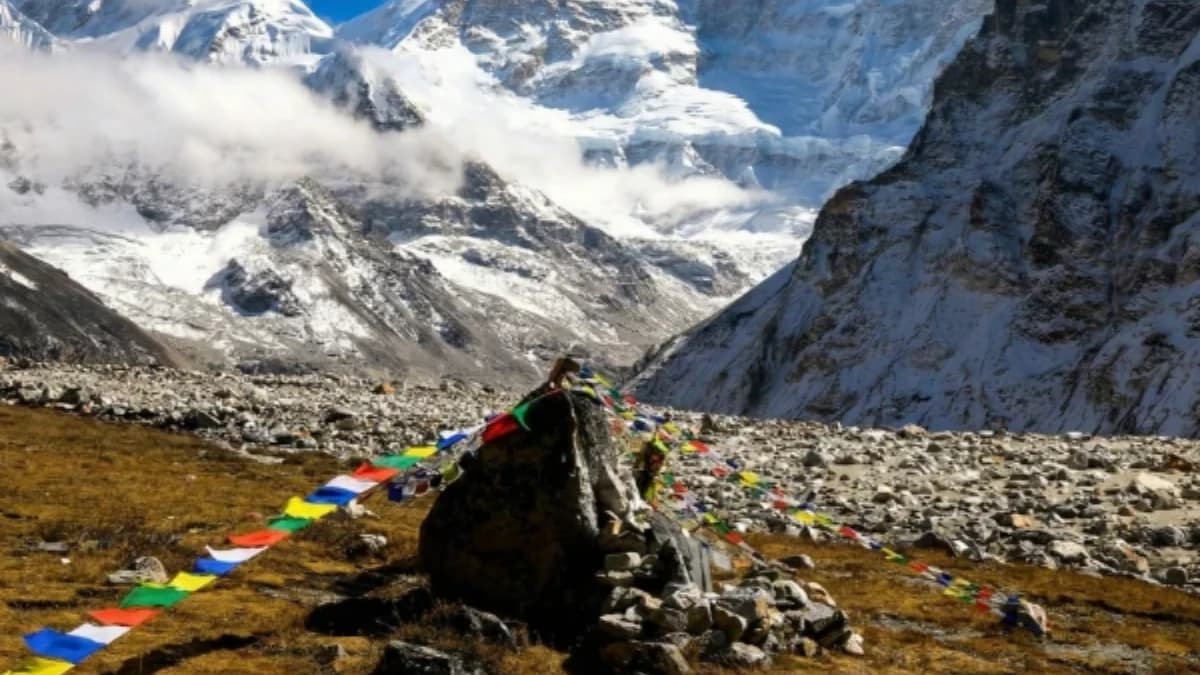
Short answer: Kanchenjunga North Base Camp, known as Pangpema, sits at about 5,140 m directly below the north face of Kanchenjunga, the third-highest mountain in the world, in one of the most remote wildernesses in Nepal. It is the high point of the north side of the Kanchenjunga trek. Reach it on our 19-day Kanchenjunga Base Camp trek.
Kanchenjunga North Base Camp, locally known as Pangpema, is one of the most remote and spectacular trekking destinations in Nepal. Located at an altitude of 5,140 metres (16,864 feet), this base camp sits directly beneath the towering north face of Mount Kanchenjunga, the third-highest mountain in the world.
Unlike Everest or Annapurna, Kanchenjunga remains wild, quiet, and largely untouched by mass tourism. Reaching the base camp is not only a trekking achievement but also a walk into one of the last true wilderness regions of the Himalayas.
For many trekkers, standing at Pangpema represents the climax of the entire Kanchenjunga trek, where raw nature, isolation, and immense mountain scenery come together.
Where Is Kanchenjunga North Base Camp?
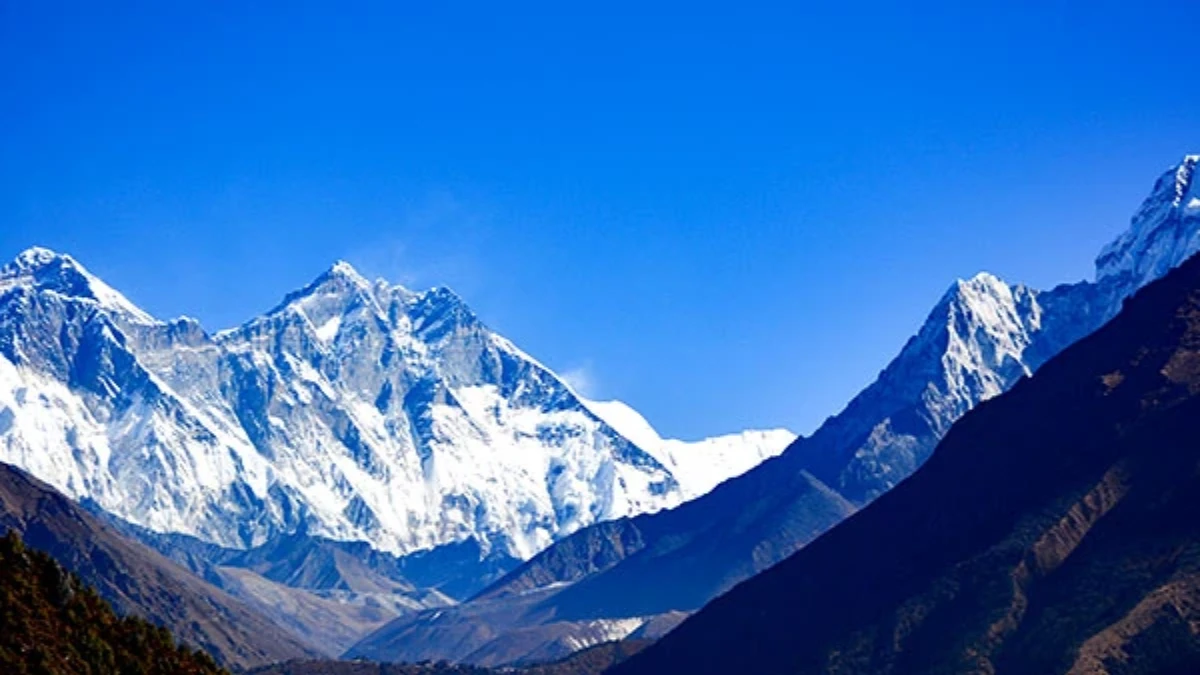
The Kanchenjunga North Base Camp is in the Kanchenjunga Conservation Area in eastern Nepal, near the border with Tibet.The trek begins in Taplejung and gradually climbs through diverse landscapes ranging from subtropical forests to high alpine terrain.
Typical trekking route:
Taplejung → Sekathum → Amjilosa → Gyabla → Ghunsa → Kambachen → Lhonak → Kanchenjunga North Base Camp
The final section from Lhonak to base camp takes around 6 to 7 hours round trip. Trekkers usually start early in the morning to avoid strong afternoon winds.
What Can You See from North Base Camp?
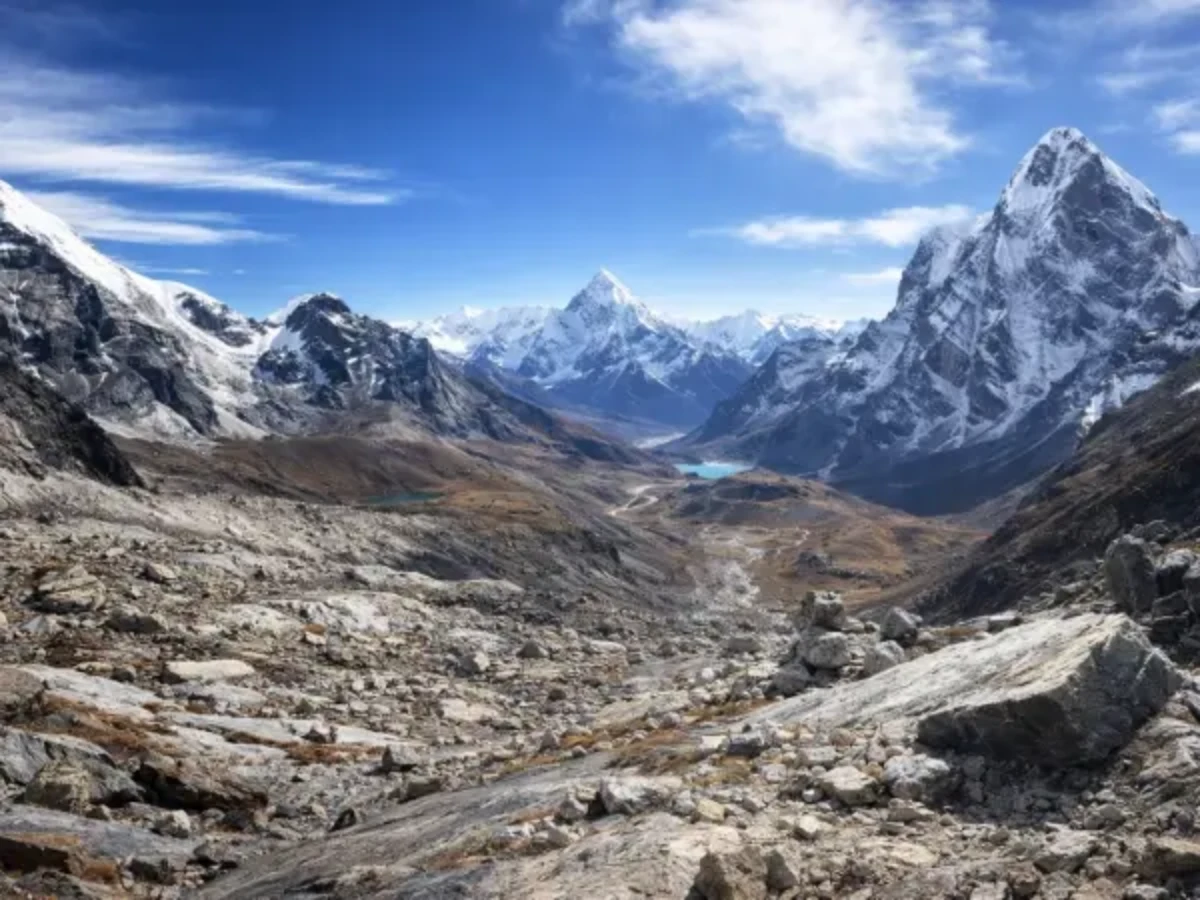
The scenery at Kanchenjunga North Base Camp is among the most dramatic in the Himalayas. Massive glaciers stretch across the valley while snow-covered peaks rise sharply into the sky.
Major highlights include:
-
Close views of Mount Kanchenjunga (8,586 m)
-
Kanchenjunga Glacier and surrounding ice formations
-
Chang Himal, Pyramid Peak, and surrounding Himalayan giants
-
Endless alpine landscapes shaped by ice and wind
The north face of Kanchenjunga dominates the skyline, creating an overwhelming sense of scale and beauty. The environment feels untouched, silent, and deeply powerful.
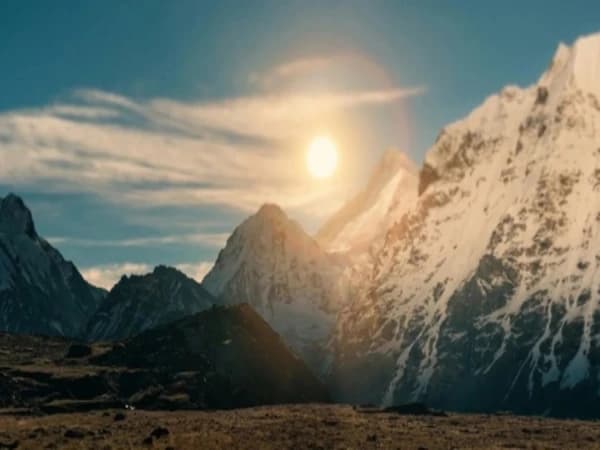
Sunrise at Pangpema is especially powerful. Golden light slowly illuminates the massive mountain walls, revealing textures of snow, rock, and ice rarely seen elsewhere.
Cultural and Spiritual Importance
Kanchenjunga holds deep spiritual meaning for local communities. In Tibetan Buddhist belief, the mountain is considered sacred and respected as a protector deity of the region.
Local people traditionally avoided climbing the summit out of respect for its spiritual significance. Even modern expeditions maintain strong cultural sensitivity toward the mountain.
Prayer flags, mani stones, and small religious symbols placed along the trekking route reflect this enduring spiritual connection between people and landscape.
Where Can You Stay at Kanchenjunga North Base Camp?
There are no permanent lodges at Kanchenjunga North Base Camp itself. Trekkers stay overnight at Lhonak and visit Pangpema as a day excursion.
Facilities available at Lhonak before reaching base camp include:
-
Basic teahouse accommodation
-
Simple meals such as dal bhat, noodles, soup, and hot drinks
-
Limited solar electricity
-
No reliable internet or hot showers
Because of the extreme altitude and isolation, trekkers must be well prepared with warm clothing, proper trekking gear, and sufficient acclimatisation days.
acclimatisation and Altitude Awareness
Reaching 5,000 metres requires careful altitude management. Most itineraries include acclimatisation stops at Ghunsa and Kambachen before moving toward Lhonak.
Important acclimatisation tips:
-
Walk slowly and maintain a steady pace
-
Drink plenty of fluids
-
Avoid rapid altitude gain
-
Monitor symptoms of altitude sickness
The gradual ascent is essential for a safe and enjoyable experience.
When Should You Trek to Kanchenjunga North Base Camp?
The trek is best completed during spring and autumn seasons when weather conditions are stable.
Spring (March–May): The skies are clear, the temperatures are cool but not too chilly, and the alpine sceneries are in full bloom.
Autumn (September–November): Excellent visibility, dry weather, and stable trekking conditions.
Winter (December–February): Extreme cold and heavy snowfall make access difficult.
Monsoon (June–August): Rain, landslides, and poor visibility affect travel conditions.
Typical temperatures at base camp:
-
Daytime: -5°C to 5°C
-
Nighttime: -15°C to -25°C
Weather changes quickly at this altitude, so preparation is essential.
Why Kanchenjunga North Base Camp Is Unique
Kanchenjunga North Base Camp offers something increasingly rare in modern trekking: true remoteness. The trail remains quiet, villages retain authentic culture, and nature dominates every aspect of the journey.
Unlike crowded Himalayan routes, trekkers here experience solitude, raw mountain landscapes, and deep cultural encounters. The journey demands effort and patience, but the reward is one of the most genuine Himalayan adventures available.
Standing at Pangpema beneath the immense north face of Kanchenjunga is often described as a life-defining moment, where the scale of the mountains reminds visitors of nature’s true power.
Is Kanchenjunga North Base Camp Worth the Effort?
Kanchenjunga North Base Camp is more than a destination. It is the culmination of a long walk through remote valleys, traditional villages, and untouched wilderness. From lush forests in Taplejung to the icy world of Pangpema, the trek showcases Nepal’s incredible diversity. For trekkers seeking adventure beyond popular trails, Kanchenjunga North Base Camp delivers a profound Himalayan experience filled with solitude, culture, and breath-taking scenery.
Related Treks & Guides
- Kanchenjunga Base Camp Trek: 19 Days to the Foot of the World's Third Highest Peak
- Gyabla Village
- Kambachen Village
Kanchenjunga North Base Camp is the end of the road. Beyond here, only climbers go. The glacier, the moraine, and the north face of the world's third-highest mountain: it is raw, wild, and completely indifferent to your presence. Standing here, you understand that mountains do not care about you. That is their beauty.
North Base Camp is on our Kanchenjunga Base Camp Trek.
WhatsApp:+977 9810351300
Email:[email protected]
Written by Shreejan Simkhada, CEO of The Everest Holiday and third-generation Himalayan guide. TAAN Member #1586.
Kanchenjunga North is the wild side. Our Kanchenjunga Base Camp Trek (19 Days) is private (your group only, no strangers), 2027 dates open, From USD $1655. WhatsApp us for tailored 2027 dates and current departures.

 Chat with Shreejan