
Update, 26 August 2026: a large flood came down the Bhote Koshi river on 26 August and damaged the Rasuwagadhi border crossing, the customs post and the road through Timure and Syabrubesi. The overland route into Tibet described on this page is not running at present. The western route to Kailash, which flies Kathmandu to Nepalgunj to Simikot and then crosses by helicopter to Hilsa, is in a different part of the country and is unaffected. I have written the full account of what happened, and what it means for each route, here. I will update this page once the crossing has been properly assessed.
2027 dates and prices are confirmed once the Tibet season opens. Join our 2027 priority list on WhatsApp, +977 9810351300.
What Permits Do You Need for Kailash Mansarovar in 2026?
Short answer: From Nepal you need four documents, and all of them go through a registered agency: a Chinese group visa issued in Kathmandu, a Tibet Travel Permit, an Aliens' Travel Permit and a military (border) permit. A Chinese visa on its own will not get you into Tibet, and any Chinese visa already in your passport is cancelled when the group visa is issued. Our yatra is on hold at present, so there are no 2027 dates to apply for yet, and we promise nothing on quota or dates.
Last updated 7 October 2026. I re-checked the route status, the group visa rule and the over-70 rule against our own notices on that date. Permit fees and timings change, so ask for your exact figures when you enquire.
Planning a Kailash Mansarovar Yatra is exciting, but the permit situation can feel overwhelming. Between Chinese visas, Tibet Travel Permits, Military Permits, and various restricted area clearances, there's a lot to sort through before you set foot on the trail.
The good news? If you book with an experienced agency, most of this paperwork is handled for you. But it's still worth understanding what permits you need, how much they cost, and how long they take to process. This guide covers every permit requirement for 2026, including route-specific differences and updates on Tibet's reopening status.
You might take the overland route from Kathmandu, the helicopter option, or the remote Simikot route. The permits you need vary by route. Let's break it all down.
Why do you need permits for Kailash Mansarovar?
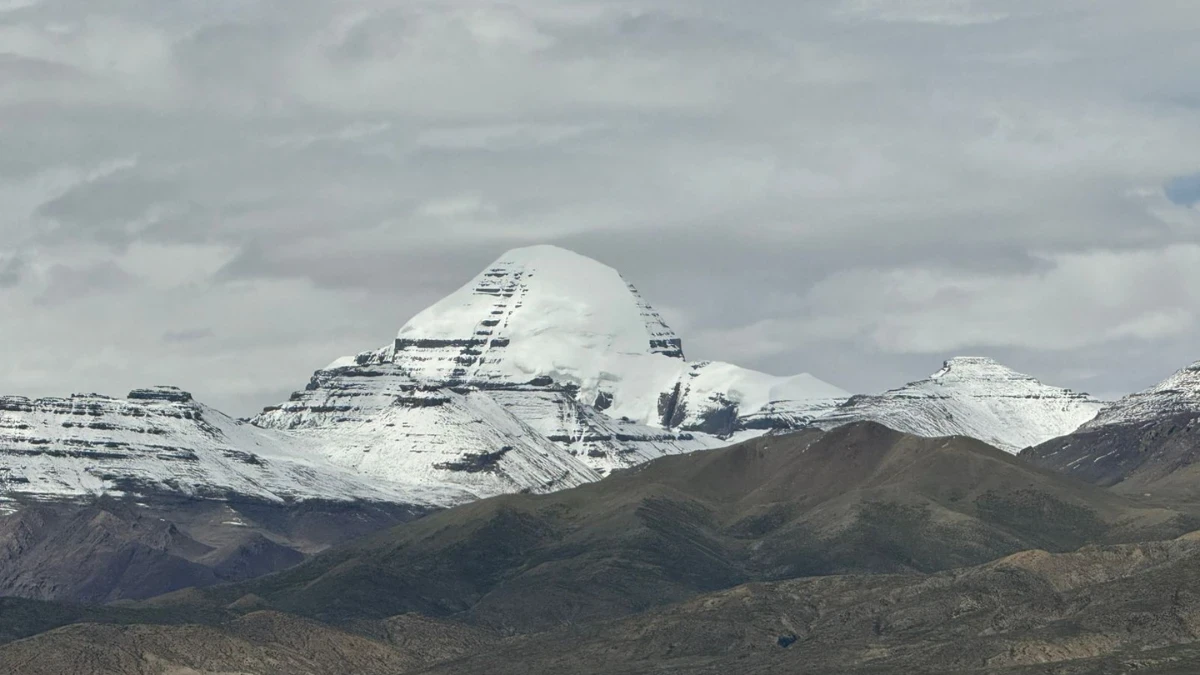
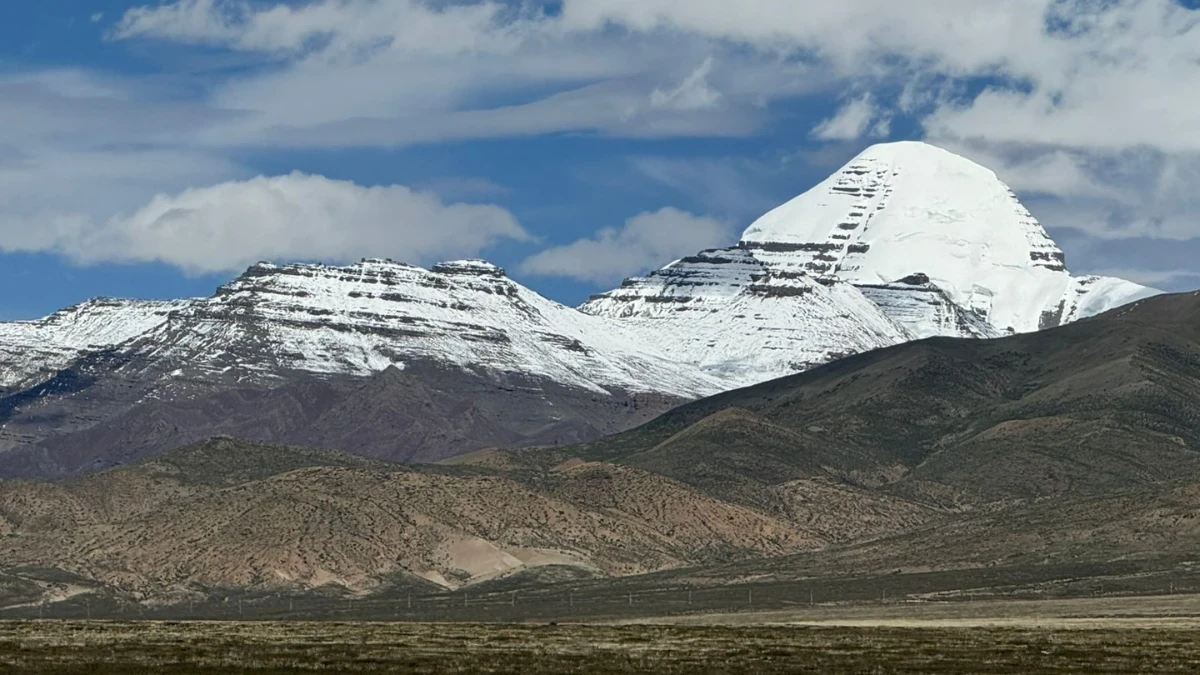
Mount Kailash sits in the Tibet Autonomous Region of China, one of the most restricted travel zones in the world. Foreign travellers cannot visit Tibet independently. You must travel as part of an organised group with a licensed guide, and you need multiple layers of permits issued by different Chinese government departments.
The permit system exists because Tibet has a unique political status within China. The Chinese government controls foreign access tightly, and the border areas near Nepal and India add further military sensitivity. For Kailash specifically, you're travelling through some of the most remote and strategically important territory in western Tibet.
This is precisely why booking through a reputable agency matters so much. Your agency coordinates with Chinese travel partners, handles the paperwork chain, and ensures every permit is ready before you cross the border. If even one permit is missing or delayed, your entire trip can be cancelled at the last minute.
How Do You Get a Chinese Group Visa for Kailash?
Individual tourist visas for Tibet are not available. Instead, you need a Chinese Group Visa, which is arranged through your travel agency and their Chinese counterpart in Lhasa or Chengdu.
| Document | Who issues it | Usual processing | Typical cost |
|---|---|---|---|
| Chinese group visa | Chinese Embassy, Kathmandu | About 5 working days | NPR 2,900 for most passports (about USD 19) |
| Tibet Travel Permit | Tibet Tourism Bureau, via a registered agency | 10 to 15 working days | USD 0 to 30 |
| Aliens' Travel Permit | Public Security Bureau, Tibet | 7 to 10 working days | USD 10 to 15 |
| Military (border) permit | Chinese military command | Often 20 to 25 working days | USD 10 to 20 |
| Nepal Restricted Area Permit (Simikot route only) | Department of Immigration, Nepal | Through your agency | USD 50 for the first 7 days, then USD 10 a day |
| TIMS card (Simikot route only) | Through your agency | Through your agency | NPR 2,000 |
How the Group Visa Works
Unlike a standard Chinese visa that you'd apply for at an embassy, the Tibet group visa is a single sheet of paper listing all members of your travel group. You don't need to visit a Chinese embassy at all. Your agency submits your details to their Chinese partner, who applies through the Tibet Tourism Bureau.
Key points about the group visa:
- Minimum group size is usually 2 people (some agencies require 4+)
- All group members must enter and exit Tibet together
- The visa is issued as a single document, not individual stamps
- It covers your entire stay in Tibet but is only valid for the specific itinerary approved
- You cannot deviate from the approved route once inside Tibet
Documents Needed for the Group Visa
- Passport with at least 6 months' validity from your departure date
- Passport-sized photos (4 copies, white background, recent)
- Completed application form (provided by your agency)
- Occupation and employer details
- Your confirmed itinerary
Important: If you hold a passport from certain countries, there may be additional restrictions or longer processing times. Journalists, diplomats, and government officials sometimes face extra scrutiny. Your agency should advise you on any nationality-specific issues during the booking process.
Processing Time and Cost
In our experience the group visa is issued in Kathmandu in about five working days once the application is complete. Treat that as our working figure rather than an embassy promise, because public holidays can lengthen it. The visa fee depends on your passport. The embassy's group visa fee is NPR 2,900 for most passports (about 19 USD), NPR 15,300 for US passports (about 99 USD) and NPR 6,100 for Canadian passports (about 40 USD), and the reduced fees run to 31 December 2026. Check your quote to see whether it is included in your Kailash Mansarovar package price, and see our group visa guide for the details.
Please do not buy a Chinese visa in advance. Travelling overland from Nepal means a Chinese group visa, and any Chinese visa already in your passport is cancelled. The China side also does not accept pilgrims over 70, so tell us your date of birth when you enquire. Send your passport details and photos as early as you can once your date is confirmed, and we will give you the exact timing for your group.
What Is the Tibet Travel Permit?
The Tibet Travel Permit, sometimes called the Tibet Entry Permit, is the most fundamental document you need. Without it, you cannot enter the Tibet Autonomous Region at all.
Who Issues It
The Tibet Tourism Bureau (TTB) issues this permit. Your Chinese ground operator applies on your behalf. Individual travellers cannot apply directly.
What It Covers
The TTP allows you to enter Lhasa and travel within the general Tibet region. However, for western Tibet where Kailash is located, you need additional permits on top of this one. Think of the TTP as the base layer; other permits stack on top of it.
Processing Time
Usually 10-15 working days. The permit is typically processed simultaneously with the group visa, so the timeline overlaps rather than adding extra weeks.
Cost
The TTP itself has no official fee, but the Tibet Tourism Bureau requires you to book through a registered agency, which means the cost is built into your tour package. Some agencies list it as a separate line item of USD 20-30.
What is the Alien Travel Permit for Kailash Mansarovar?
The Alien Travel Permit is required for travel outside Lhasa and other "open" cities. Since Kailash is deep in western Tibet, well outside any open area, this permit is mandatory for every Kailash pilgrim and trekker.
Who Issues It
The local Public Security Bureau (PSB) in Tibet issues the ATP. Your Chinese guide or ground operator handles the application.
What You Need
- A valid Tibet Travel Permit (must be issued first)
- Passport copies
- Your approved itinerary
Processing Time and Cost
The ATP takes about 7-10 working days. It's usually processed after the TTP is approved. Cost is typically USD 10-15 per person or included in your package.
Do you need a military permit for Kailash Mansarovar?
This is the permit that catches many first-time Kailash travellers by surprise. Because the Kailash region sits close to the India-China and Nepal-China borders, the Chinese military controls access to certain areas. The Military Permit (sometimes called the Military Area Permit or Border Pass) is issued by the Chinese military's regional command.
Why It's Needed
The road from Saga to Kailash passes through militarily sensitive border zones. Without this permit, you'll be turned back at military checkpoints, regardless of how many other permits you carry.
Processing
This permit takes the longest to process, often 20-25 working days. It's also the most unpredictable. Military permits can be delayed or denied without explanation, especially during politically sensitive periods or military exercises. This is one of the biggest reasons why Kailash trip costs include a level of uncertainty that other treks don't.
Cost is usually USD 10-20 per person or bundled into the package price.
Nepal-Side Permits: What You Need (and Don't Need)
If you're starting your Kailash journey from Nepal, the permit situation on the Nepali side is considerably simpler than the Chinese side.
Standard Overland and Helicopter Routes
For the standard overland route via Kerung (Gyirong) or the helicopter route, you don't need any trekking permits on the Nepal side. You'll drive to the Kerung border crossing point, and your Chinese permits take over from there.
You do need a valid Nepal visa, which most nationalities can get on arrival at Tribhuvan International Airport in Kathmandu. Indian citizens don't need a Nepal visa at all.
Simikot Route: Restricted Area Permit
The Kailash trek via Simikot is a different story. This route passes through Humla district in far-western Nepal, which is classified as a restricted area. You'll need:
- Restricted Area Permit (RAP): Issued by the Nepal Department of Immigration. Costs USD 50 for the first 7 days, then USD 10 per day after that.
- TIMS Card: Trekkers' Information Management System card, required for all trekking routes in Nepal. Costs NPR 2,000.
Your agency handles all of these. The Simikot route takes several days of trekking through Nepal before you reach the Hilsa border crossing into Tibet, where your Chinese permits become active.
Should Indian citizens use the MEA quota or Nepal route?
Indian citizens have two distinct pathways to Kailash Mansarovar, and the permit requirements differ significantly between them.
The MEA Route (via Lipulekh or Nathu La)
The Indian Ministry of External Affairs (MEA) runs an annual Kailash Mansarovar Yatra programme with a limited number of slots allocated by lottery. Here's how it works:
- Applications open each year around January-February on the MEA portal
- Selection is by computerised lottery due to massive oversubscription
- Approximately 1,500-1,800 slots are available per season
- The route goes via Lipulekh Pass (Uttarakhand) or Nathu La (Sikkim)
- The entire trip is organised by the Indian government in coordination with Chinese authorities
- Cost is heavily subsidised compared to private tours
However, the MEA route has significant limitations. You cannot choose your dates. The medical fitness requirements are stringent (BMI restrictions, age limits, specific tests). And if you're not selected in the lottery, you simply don't go that year.
The Nepal Route (No Quota)
Here's what many Indian citizens don't realise: you can also do Kailash Mansarovar via Nepal, with no MEA lottery. China still limits the permits it issues for Indian passports. You book with a Nepal-based agency, fly to Kathmandu, and join a group departing for Kailash via Kerung border or Simikot.
The advantages are clear:
- No MEA lottery. You choose your preferred dates, subject to what China confirms for Indian passports.
- Multiple route options (overland, helicopter, Simikot trek)
- More flexible group sizes
- Often a more comfortable journey with better accommodation options
The permit requirements are the same as for any other nationality travelling from Nepal: Chinese group visa, TTP, ATP, and Military Permit, all arranged by your agency. Indian citizens don't need a Nepal visa, which simplifies things further.
If you've been unsuccessful in the MEA lottery or prefer more flexibility, the Nepal route from Kathmandu is worth serious consideration.
What documents do you need for Kailash Mansarovar?
Regardless of which route you choose, here's a complete checklist of personal documents you should have ready:
Essential Documents
- Passport: Valid for at least 6 months beyond your travel date. Must have at least 4 blank pages.
- Passport photos: 6 copies minimum. White background, recent (within 6 months), 35mm x 45mm.
- Medical certificate: A doctor's letter confirming you're fit for high-altitude travel (Kailash involves altitudes above 5,600m at Dolma La Pass). Some agencies require specific tests including ECG, blood pressure, and chest X-ray.
- Travel insurance: Must cover high-altitude trekking up to 6,000m and emergency evacuation by helicopter. Many standard travel insurance policies exclude this, so check carefully.
Additional Documents Worth Having
- Photocopies of all documents (keep separate from originals)
- Digital scans saved in cloud storage and on your phone
- Emergency contact information
- Blood type card
- Any prescription medication documentation (especially important for crossing the China border)
For detailed advice on preparing for high-altitude travel, check our guide on how to avoid altitude sickness and our packing guide for Nepal treks.
How long does it take to get Kailash permits?
One of the biggest mistakes travellers make is underestimating how long the permit chain takes. Here's a realistic timeline:
- 60+ days before departure: Submit passport details, photos, and medical certificate to your agency
- 45-50 days before: Agency submits applications for Chinese group visa and Tibet Travel Permit
- 30-40 days before: TTP and group visa typically approved; Alien Travel Permit application submitted
- 20-30 days before: Military Permit application submitted
- 7-10 days before: All permits confirmed (ideally)
In practice, book as early as you can; the Nepal-route permits and the group visa take several weeks, and we will only confirm once China opens the season.
What Can Go Wrong
Permit delays and denials do happen. Common causes include:
- Political tensions between China and India (or China and other nations)
- Military exercises in the border region
- Natural disasters or road closures in Tibet
- Government holidays (Chinese New Year, National Day) that close bureaus for extended periods
- Incomplete or incorrect passport information submitted by the traveller
A good agency will have contingency plans and strong relationships with Chinese partners to navigate these issues. This is one area where experience genuinely matters.
How much do Kailash Mansarovar permits cost in 2026?
Here's a summary of typical permit costs for a Kailash Mansarovar trip in 2026:
- Chinese Group Visa: embassy fee NPR 2,900 for most passports (about USD 19), NPR 15,300 for US passports (about USD 99), NPR 6,100 for Canadian passports (about USD 40)
- Tibet Travel Permit: USD 0-30 (varies by agency)
- Alien Travel Permit: USD 10-15
- Military Permit: USD 10-20
- Nepal Restricted Area Permit (Simikot route only): USD 50 for the first 7 days, then USD 10 a day
- TIMS Card (Simikot route only): NPR 2,000
Total permit costs vary by route and by passport, mainly because the group visa fee depends on your passport. Ask your agency which of these fees are in its package price.
It's also worth knowing that the ongoing Iran-Gulf fuel crisis has pushed up transport costs across Nepal and Tibet. While this doesn't directly affect permit fees, it has increased the overall cost of Kailash trips in 2026 due to higher fuel surcharges on vehicles, generators at guesthouses, and domestic flights. For a full cost breakdown, read our Kailash Mansarovar tour cost guide.
Is Tibet open for Kailash Mansarovar tours in 2026?
Tibet has had a complicated relationship with foreign tourism since 2020. Here is where things stand on 7 October 2026:
- Tibet is open to foreign tourists as of the 2025 season, with group tours operating on most major routes including Kailash
- The Kerung (Gyirong) border crossing between Nepal and Tibet is the usual crossing for Nepal-based Kailash tours, but the Rasuwagadhi road and bridge on the Nepal side were destroyed in the flood of 26 August 2026 and the Department of Immigration notice of 27 August treats the crossing as closed for 2026
- Our yatra is on hold at present. We are keeping a priority list for 2027. We have no 2027 dates to give you yet and we promise nothing on quota, dates or reopening
- Indian passports: the 2026 quota is already full, and 2027 depends on what the Chinese side confirms
- Permit processing times have stabilised compared to the unpredictable closures of 2020-2023
- Group size requirements remain in place: you must travel with a licensed guide and as part of a registered group
However, Tibet can close to foreign tourists at short notice during politically sensitive periods. Your agency should keep you updated on any changes. We monitor the situation continuously and will inform all booked clients immediately if there are any disruptions.
For a comparison of different ways to reach Kailash, see our helicopter vs overland route comparison.
Which permits do you need for each Kailash route?
Overland via Kerung
Permits needed: Chinese Group Visa + TTP + ATP + Military Permit. Nepal side: Nepal visa only (no trekking permits). This is normally the most popular route, but the Rasuwagadhi crossing is closed at present, so it is on hold with the rest of our yatra.
Helicopter Route
Same Chinese-side permits as overland. The helicopter covers the Nepal portion (Kathmandu to Simikot or Nepalgunj to Hilsa), so no Nepal trekking permits required unless your itinerary includes trekking segments on the Nepal side.
Simikot Trek Route
Chinese-side permits (same as above) plus Nepal Restricted Area Permit + TIMS Card. This route requires the most permits but offers the most adventurous approach to Kailash. Allow extra processing time for the Nepal permits.
Common Questions About Kailash Permits
Can I arrange Kailash permits on my own without an agency?
No. Chinese regulations require all foreign visitors to Tibet to travel with a registered tour operator. The Tibet Travel Permit, group visa, and Military Permit can only be applied for by a licensed Chinese travel agency. Even on the Nepal side, restricted area permits for Simikot require an agency. This isn't optional; it's a hard legal requirement.
How far in advance should I book to ensure permits are ready?
Please book as early as you can; the Nepal-route permits and the group visa take several weeks, and we will only confirm once China opens the season. The permit chain involves multiple government departments, and each step depends on the previous one being approved. Rushing this process increases the risk of delays or errors.
What happens if my permit is denied or delayed?
If permits are denied, your agency should offer rescheduling to alternative dates or a refund of what you have paid, less taxes, bank and card charges and any money already spent. Delays are more common than outright denials. A good agency will have buffer time built into the schedule and strong contacts with Chinese operators who can expedite when needed. Always check the cancellation and refund policy before booking.
Do I need a separate visa if I'm transiting through Kathmandu?
Yes. Even if your main destination is Tibet/Kailash, you'll need a Nepal visa for your time in Kathmandu before and after the trip. Most nationalities get this on arrival at Kathmandu airport. Indian citizens are exempt from Nepal visa requirements. Chinese citizens also have visa-free access to Nepal.
Are permits different for Indian citizens travelling via Nepal?
The Chinese-side permits (group visa, TTP, ATP, Military Permit) are the same regardless of nationality. The main difference for Indian citizens is that you don't need a Nepal visa, and you have the alternative option of the MEA government route via Lipulekh or Nathu La. Via Nepal, there is no MEA lottery, but China still limits permits for Indian passports. The 2026 Indian quota is full.
Can I extend my stay in Tibet once I'm there?
No. Your permits are valid for a specific itinerary and duration. You cannot extend your stay, change your route, or separate from your group once inside Tibet. Any changes would require new permit applications, which is not practical once you're already there.
What medical tests are required for the permit application?
A general fitness certificate from your doctor is the minimum requirement. Some agencies and the Chinese authorities may request an ECG, blood pressure reading, and chest X-ray, especially for travellers over 60. The Dolma La Pass is about 5,630m, so genuine medical fitness is essential. Read more about altitude sickness prevention before your trip.
Is the Kailash season affected by monsoon?
The Kailash season runs roughly from May to September, with June and July being peak months. The Indian monsoon does affect the Nepal side (especially the Simikot route), but western Tibet itself receives relatively little rainfall. The best time to visit Nepal for Kailash specifically is May-June or September. July and August are possible but wetter on the Nepal approach.
Why Book Your Kailash Yatra With The Everest Holiday
Permit logistics are the single biggest headache of any Kailash Mansarovar trip. This is where having the right agency makes all the difference.
The Everest Holiday is a government-licensed Nepal trekking company (Registration 147653) and a proud member of the Trekking Agencies' Association of Nepal (TAAN #1586). We've been a family of Himalayan guides for three generations, operating independently since 2016. That's decades of relationships with Chinese ground operators, border officials, and local authorities in western Tibet.
Here's what you get when you book with us:
- Complete permit handling: We manage the entire permit chain from Chinese group visa to Military Permit. You just send us your passport details and photos.
- Over 300 reviews from past clients on TripAdvisor, Google and Trustpilot
- Secure payment through Himalayan Bank's payment gateway, so your card details stay secure
- Free duffel bags and down jackets provided for your trek, so you don't need to worry about extra gear
- Experienced Kailash guides who know the route, the checkpoints, and how to handle any issues that arise at the border
- Multiple route options: overland, helicopter, or Simikot trek
We handle the bureaucracy so you can focus on the spiritual and physical journey. That's what we've been doing for three generations.
Ready to start planning? Book your Kailash trip or contact us with any questions. You can also reach us directly on WhatsApp at +977 9810351300 for a quick response.
Learn more about our team and story.
We handle all Kailash permits as part of our Kailash Mansarovar Tour (15 days). See the trip page for current pricing and the full permit breakdown.
American pilgrims travelling to Kailash should also review our US-trekker country guide for the Nepal-side visa, flight options, and travel insurance recommendations that work for US passport holders.
Indian travellers heading to Nepal for the Kailash circuit should read our broader guide for Indian trekkers, which covers Embassy of Nepal visa rules, Kolkata/Delhi/Chennai flight routes, and rupee pricing.
Ready to book your Kailash Yatra? Our Kailash Mansarovar Overland 14 Days handles all permits, China Group Visa, Tibet Travel Permit, and Mount Kailash Yatra Permit. Private departures arranged on your dates, pricing on request. WhatsApp us with your preferred dates.
 Chat with Shreejan