
Update, 26 August 2026: a large flood came down the Bhote Koshi river on 26 August and damaged the Rasuwagadhi border crossing, the customs post and the road through Timure and Syabrubesi. The overland route into Tibet described on this page is not running for the rest of the 2026 season. The western route to Kailash, which flies Kathmandu to Nepalgunj to Simikot and then crosses by helicopter to Hilsa, is in a different part of the country and is unaffected. I have written the full account of what happened, and what it means for each route, here. I will update this page once the crossing has been properly assessed.
Kailash Mansarovar 2026 Fire Horse Year: Why This Year Is Special
Every year, thousands of pilgrims make their way to Mount Kailash, the sacred mountain that sits at the crossroads of four of the world's great religions. But 2026 is not every year. In the Tibetan calendar, 2026 is a Fire Horse year, and that changes everything about a Kailash pilgrimage.
If you've been thinking about doing the Kailash Mansarovar Yatra at some point in your life, this is the year to stop thinking and start planning. There is a very real belief, shared by Buddhists and Hindus alike, that completing a single kora (circumambulation) around Mount Kailash during a special year carries the spiritual merit of doing it many times over in an ordinary year.
Here, we'll cover exactly what makes 2026 so significant, when to go, what to expect, and why you need to book early if you're serious about making it happen.
What Is the Tibetan Fire Horse Year?
The Tibetan calendar follows a 60-year cycle, combining five elements (wood, fire, earth, metal, water) with twelve animals (mouse, ox, tiger, rabbit, dragon, snake, horse, sheep, monkey, bird, dog, pig). The Fire Horse comes around once every 60 years in its exact combination, though a Horse Year alone appears every 12 years.
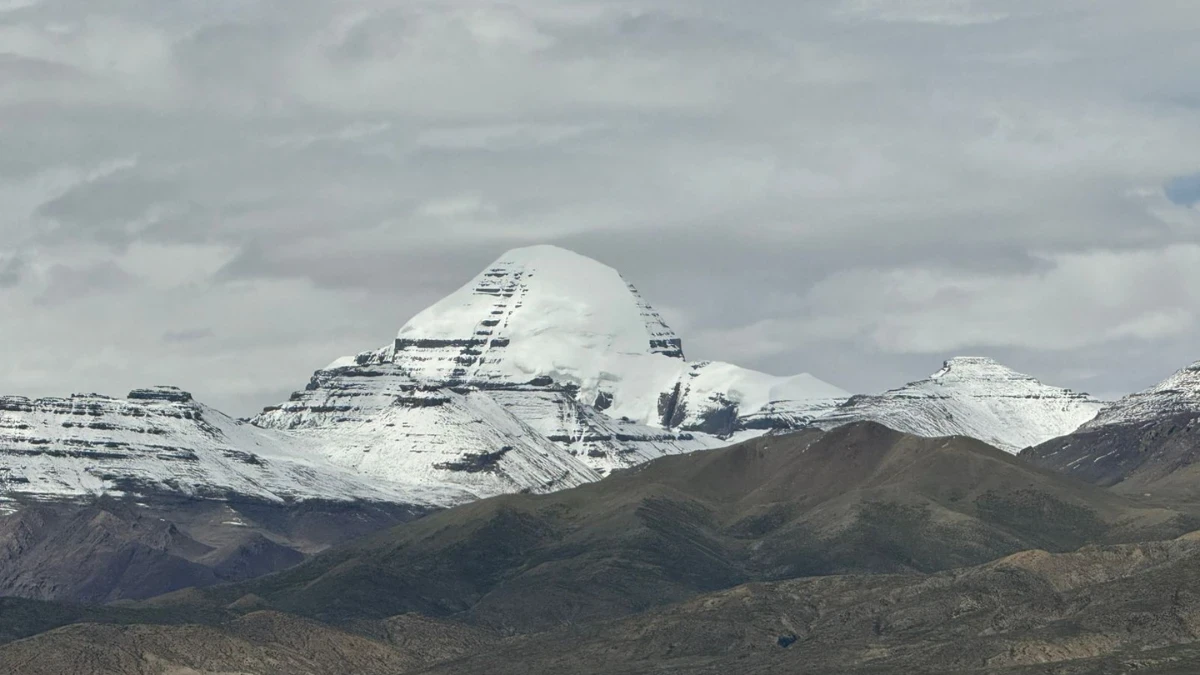
The Horse holds particular importance in Tibetan Buddhist tradition. Mount Kailash is associated with the Horse Year in the Tibetan zodiac cycle. During any Horse Year, Kailash is believed to radiate heightened spiritual energy, but a Fire Horse Year amplifies this further. Fire represents transformation, purification, and spiritual awakening in Tibetan elemental philosophy.
For context, the last Fire Horse Year was 1966. The next one won't come until 2086. So unless you're planning to be trekking at extremely high altitude well into your retirement, 2026 is your window.
The Spiritual Multiplier Effect
Here's where it gets really interesting for pilgrims. In Tibetan Buddhist belief, completing one kora around Mount Kailash during a Horse Year is equivalent to completing 13 koras in an ordinary year. Some traditions put the number even higher during a Fire Horse Year, with certain texts suggesting a single circumambulation carries the merit of 84 ordinary koras.
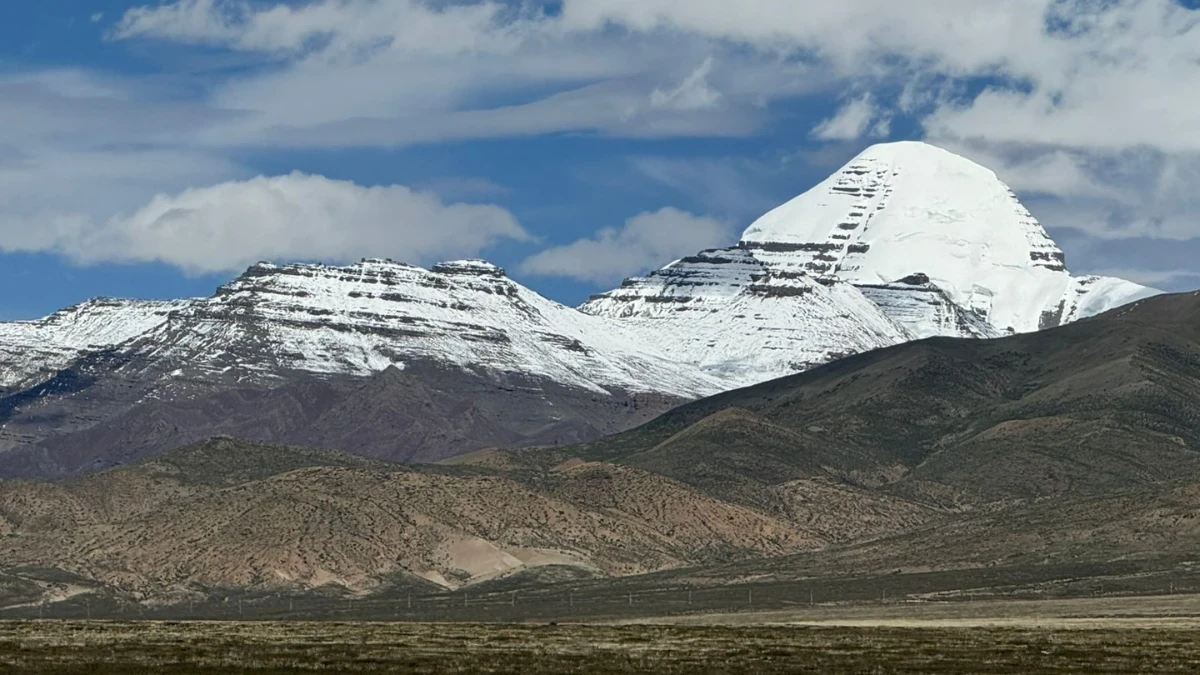
This belief isn't obscure or marginal. It's deeply held across Tibetan Buddhist communities and has been for centuries. During the last Horse Year (2014), pilgrim numbers at Kailash increased roughly three to five times compared to surrounding years. Indian pilgrim registrations alone jumped from around 800 in a typical year to over 2,500.
For Hindu devotees, Kailash is the abode of Lord Shiva. Special years in the Tibetan calendar are recognised in Hindu tradition too, with many believing that Shiva's blessings are particularly accessible during these periods. The convergence of Buddhist and Hindu significance makes 2026 doubly powerful.
When Is Saga Dawa in 2026?
If 2026 is a special year for Kailash, then Saga Dawa is the most special time within that year. Saga Dawa is the fourth month of the Tibetan calendar, and its full moon day (Saga Dawa Duchen) commemorates the birth, enlightenment, and parinirvana of Buddha Shakyamuni.
In 2026, Saga Dawa Duchen falls on 11 June (the 15th day of the fourth Tibetan month). The broader Saga Dawa period runs from late May through most of June.
During Saga Dawa at Kailash, you'll witness something extraordinary. The Tarboche flagpole, located at the start of the kora route, is ceremonially lowered and re-erected with fresh prayer flags. Thousands of pilgrims gather for this event, and the atmosphere around the mountain is electric with devotion. Monks chant, pilgrims prostrate, and the entire landscape feels charged with purpose.
What Happens During Saga Dawa at Kailash
- Tarboche Flag Ceremony: The giant prayer flagpole is replaced with new flags in a ritual that draws crowds from across Tibet and beyond. If the pole stands perfectly vertical, it's considered an auspicious sign for the year ahead.
- Mass Kora: Thousands of pilgrims complete the 52-kilometre circumambulation simultaneously. The trail is busy but the communal energy is extraordinary.
- Prostration Pilgrims: You'll see devoted Tibetan Buddhists completing the entire kora by full-body prostration, a process that takes two to three weeks.
- Lake Mansarovar Rituals: Pilgrims bathe in the sacred lake at 4,590 metres, believed to cleanse sins accumulated over multiple lifetimes.
- Merit Multiplication: All positive actions during Saga Dawa are believed to carry multiplied merit. Combined with the Fire Horse Year, the spiritual mathematics become extraordinary.
If you're planning your trip around Saga Dawa, our Kailash Mansarovar Yatra from Kathmandu departures are specifically timed to place you at the mountain during this window.
Historical Context: What Happens During Special Years
We don't have to guess what 2026 will look like. History gives us a clear picture.
During the 2002 Horse Year, the number of Indian pilgrims via the Lipulekh Pass route nearly tripled compared to 2001. Tibetan pilgrim numbers increased even more dramatically, with estimates suggesting four to five times the usual volume around the kora route.
The 2014 Horse Year saw similar patterns. Despite political tensions between India and China that year, pilgrim registrations spiked. The guesthouses at Darchen (the base town for the kora) were fully booked months in advance. Several groups had to camp because there simply wasn't enough indoor accommodation.
What does this mean for 2026? A few practical realities:
- Accommodation at Darchen and along the kora route will fill up fast. There are a limited number of guesthouses, and during a Horse Year, demand far exceeds supply.
- Chinese permit processing will take longer. The Tibet Autonomous Region issues a fixed number of permits, and the queue grows significantly during special years.
- The kora trail will be busier. This isn't necessarily a bad thing. Walking alongside thousands of devoted pilgrims adds to the experience. But if you prefer solitude, a special year isn't the time for it.
- Prices go up. Accommodation, transport within Tibet, and even yak rental for luggage all cost more during high-demand periods. This isn't something operators can control.
Buddhist and Hindu Significance: Why Kailash Matters to Both
Mount Kailash is unique among sacred mountains because it's revered by four different religions simultaneously: Tibetan Buddhism, Hinduism, Jainism, and the Bon tradition. No other peak on earth holds this distinction.
In Tibetan Buddhism
Kailash is identified as Kang Rinpoche ("Precious Jewel of Snow") and is believed to be the home of Buddha Demchok (Chakrasamvara), who represents supreme bliss. The mountain is considered a natural mandala. Completing koras around it is one of the most powerful practices available to a lay Buddhist.
The great Tibetan yogi Milarepa is said to have defeated the Bon master Naro Bonchung in a magical contest on the slopes of Kailash, establishing the mountain's primacy in Buddhist practice. During a Fire Horse Year, the energy of Demchok is believed to be especially strong, making the mountain a more potent site for spiritual practice.
In Hinduism
Kailash is Mount Meru, the centre of the universe and the throne of Lord Shiva, who sits in eternal meditation with Parvati. The parikrama (circumambulation) around Kailash is one of the holiest acts a Hindu can perform. Lake Mansarovar, which sits at the foot of Kailash, was created in the mind of Brahma and is mentioned in the oldest Hindu scriptures.
For Hindu pilgrims, a yatra during a spiritually charged year like 2026 carries immense significance. Many families save for decades to fund this journey, specifically timing it to coincide with auspicious years.
In Jainism and Bon
Jains know Kailash as Ashtapada and believe it's the site where Rishabhadeva, the first Tirthankara, attained moksha. The Bon tradition, Tibet's pre-Buddhist religion, considers Kailash the seat of all spiritual power, calling it the "nine-stacked swastika mountain." Bon practitioners circumambulate counter-clockwise, opposite to Buddhists and Hindus.
This convergence of four living faiths at a single mountain is what makes Kailash unlike any other pilgrimage destination. During 2026, practitioners from all four traditions will be present in elevated numbers, creating a spiritual atmosphere you simply cannot find anywhere else.
Should You Go to Kailash During Saga Dawa?
Not everyone can time their trip for Saga Dawa in June. So how does the experience differ across the season? Here's an honest comparison to help you decide.
Saga Dawa Period (Late May to Mid-June)
Pros: Maximum spiritual significance. Tarboche ceremony. Largest gathering of pilgrims. The communal energy is genuinely powerful. Weather is warming but still crisp. This is when the Fire Horse Year energy peaks.
Cons: Highest demand means accommodation is hardest to secure. Trails are crowded, particularly on days one and three of the kora. Permit processing queues are longest. Prices are at their annual peak.
July to August
Pros: Warmest temperatures make the kora physically more comfortable, especially the high point at Dolma La Pass (5,630m). Wildflowers bloom across the plateau. Fewer international tourists after Saga Dawa.
Cons: Monsoon affects southern approaches from Nepal, though western Tibet itself receives very little rain. Roads can be disrupted by landslides on the Nepal side. Still busy with Tibetan and Indian pilgrims.
September to October
Pros: Clear skies and excellent visibility. Fewer crowds. Stable weather. Still carries the Fire Horse Year merit for the entire calendar year. Autumn colours across the plateau.
Cons: Temperatures drop significantly, especially at night. Dolma La can see early snow. The Saga Dawa ceremonies are long past. Some guesthouses along the kora route may close early.
Our recommendation? If you can make June work, do it. The Saga Dawa experience during a Fire Horse Year is genuinely rare. But if June doesn't work, September is an excellent alternative that still falls within the special year. Check our best time to visit Nepal guide for broader seasonal planning.
How Do You Plan a Kailash Trip for 2026?
Right, let's get into the nuts and bolts. A Kailash pilgrimage requires more logistical planning than most trips, and during a Fire Horse Year, the timeline tightens considerably.
Route Options
There are three main approaches to Kailash from Nepal:
- Overland via Kerung/Gyirong: The classic route. Cross into Tibet by road, drive across the Tibetan plateau to Darchen. Takes 12-15 days total. The most real taste of the place, with stops at Saga, Old Dongba, and Lake Mansarovar along the way.
- By Helicopter: Fly from Nepalganj to Simikot, then helicopter transfers within Tibet. Significantly reduces travel time and physical demands. Best for those with limited time or mobility concerns. Our helicopter vs overland comparison breaks down the differences in detail.
- Via Simikot: Trek from Simikot through the remote Humla region to the Tibetan border. The most adventurous option, adding a multi-day trek through spectacular landscapes before you even reach Kailash.
Permits and Documents
Kailash trips require multiple permits, and during a Horse Year, processing times increase:
- Tibet Travel Permit: Issued by the Tibet Tourism Bureau. During normal years, processing takes 15-20 days. In 2026, expect 25-30 days minimum.
- Alien's Travel Permit: Required for travel outside Lhasa. Processed alongside the Tibet Travel Permit.
- Military Permit: Required for the border area near Kailash. This is the bottleneck. During the 2014 Horse Year, military permits took up to 45 days.
- Chinese Group Visa: All foreign visitors to Tibet must travel on a group visa arranged through a registered agency.
The short answer: if you want to be at Kailash for Saga Dawa in June 2026, you need to have your booking confirmed and permit applications submitted by March 2026 at the latest. Earlier is better.
Physical Preparation
The kora around Kailash is physically demanding. You'll walk approximately 52 kilometres over three days, with the high point being Dolma La Pass at 5,630 metres. The entire route is above 4,500 metres.
If you haven't trekked at high altitude before, read our guide to avoiding altitude sickness well in advance. Start a fitness programme at least three months before departure. Focus on cardiovascular fitness and leg strength, with specific hill walking practise if possible.
The overland route from Nepal includes built-in acclimatisation days at progressively higher elevations, which helps enormously. Don't skip these rest days, even if you feel fine.
What to Bring
Kailash sits on the western Tibetan plateau, where weather can change rapidly. You'll need proper layering, a good sleeping bag, and sturdy trekking boots. We provide complimentary duffel bags and down jackets for all our Kailash groups, so you don't need to purchase those separately. For a full breakdown, see our Nepal packing guide.
How 2026 Affects Pricing and Availability
Let's be straightforward about this. A Fire Horse Year Kailash trip costs more than a regular year, and the reasons are mostly outside anyone's control.
During Horse Years, Tibetan accommodation providers raise their rates because they can. Yak and porter costs along the kora route increase. Vehicle hire across the plateau becomes more expensive as demand outstrips supply. The Chinese authorities don't increase permit fees, but expedited processing through agents does cost more.
On top of this, group sizes are functionally limited by permit availability. During a normal year, an experienced operator can secure permits for multiple departures without much difficulty. During a Horse Year, each departure requires more lead time and more coordination with Chinese counterparts.
For detailed pricing across all three route options, check our complete Kailash cost guide for 2026.
What we can tell you is this: the earlier you book, the better your price will be. Accommodation costs increase as availability decreases, and we can only hold early-bird rates while we have confirmed availability at our preferred guesthouses.
Our 2026 Departure Dates and Group Sizes
We run multiple Kailash departures each season, but for 2026, we're structuring things differently to account for the increased demand.
Saga Dawa Departures (Overland):
- Late May departure, timed to arrive at Kailash by 8-9 June, completing the kora around Saga Dawa Duchen on 11 June
- Early June departure for those who want to witness Saga Dawa and complete the kora in the days immediately following
Summer Departures:
- July and August departures available for all three routes (overland, helicopter, and Simikot)
Autumn Departures:
- September departures, ideal for clear weather and smaller groups
Group sizes for 2026 are capped at 12 for overland trips and 8 for helicopter trips. Smaller groups mean better logistics, more personal attention, and easier permit processing.
To check current availability and reserve your spot, head to our booking page or get in touch directly.
Why Book Your Fire Horse Year Kailash Tour With Us?
Kailash is not the kind of trip where you want to gamble on your operator. Permit issues, border complications, altitude emergencies, vehicle breakdowns on the Tibetan plateau: things can and do go wrong, and you need a team that knows how to handle them.
Here's what sets us apart:
- Family of Himalayan guides across three generations: Our roots in mountain guiding go back three generations. This isn't a startup that discovered adventure tourism last year. We know these routes because our family has been walking them for decades.
- Government-licensed and registered: We operate under Nepal Government Registration No. 147653, with TAAN (Trekking Agencies' Association of Nepal) membership #1586. This isn't just paperwork. It means we meet safety standards, carry proper insurance, and have legal accountability.
- Over 300 reviews: Real feedback from real clients on TripAdvisor, Google and Trustpilot. Read them before you book.
- Himalayan Bank payment gateway: Your payment is processed through Nepal's most established bank. No dodgy wire transfers to personal accounts.
- Complimentary gear: We provide duffel bags and down jackets free of charge for all Kailash groups. These are high-quality items suited to the Tibetan plateau conditions.
- Experienced Kailash team: Our Kailash guides have completed the yatra multiple times and know the Tibetan logistics inside out.
Learn more about our team and values on our About Us page.
Common Questions About Kailash in the Fire Horse Year
How many koras should I plan to do during the Fire Horse Year?
Most pilgrims complete one kora over three days. Given the spiritual multiplier belief, a single kora during the Fire Horse Year is considered extraordinarily meritorious. However, some devoted practitioners aim for three koras if time and fitness allow. Our standard itineraries include time for one full kora, with the option to extend for additional circuits.
Is Saga Dawa the only spiritually significant time to visit Kailash in 2026?
No. The entire Fire Horse Year is considered special. Any kora completed between Losar (Tibetan New Year, February 2026) and the end of the Tibetan year carries the enhanced spiritual merit. Saga Dawa is the peak within the peak, but visiting in September or October still falls within the special year. The important thing is that you complete the kora within the Tibetan calendar year.
How physically difficult is the Kailash kora?
The three-day kora covers 52 kilometres with a maximum altitude of 5,630 metres at Dolma La Pass. You need to be in good cardiovascular health and comfortable walking 6-8 hours per day on rough terrain at extreme altitude. It's harder than most Nepal treks because the entire route is above 4,500 metres, with no gradual altitude build-up like you'd get on an Everest Base Camp or Annapurna trek. That said, thousands of pilgrims of all ages complete it successfully each year.
What happens if my Chinese permit is delayed or denied?
Permit delays are more common during Horse Years. If your permit is delayed, we work with our Chinese counterparts to expedite processing. If it's denied (rare, but possible during periods of political sensitivity), we offer rescheduling to a later departure within one year or a refund of what you have paid, less taxes, bank and card charges and any money already spent. We run Kailash departures, and we know the system and its quirks.
Can I visit Kailash independently without a tour group?
No. Tibet requires all foreign visitors to travel with a registered tour operator and a licensed guide. Independent travel in Tibet is not permitted by the Chinese authorities. This applies year-round, not just during special years. Your operator handles the group visa, permits, guide, driver, and all logistics within Tibet.
What's the best route option for first-time visitors?
For most first-time visitors, the overland route via Kerung offers the best balance of experience and acclimatisation. The gradual drive across the Tibetan plateau gives your body time to adjust, and the landscapes along the way are remarkable. The helicopter option is better for those with limited time, while the Simikot route is for experienced trekkers who want the full adventure.
How early should I book for a Saga Dawa 2026 departure?
As early as possible. Our Saga Dawa departures from previous Horse Years sold out 4-6 months in advance. For June 2026, we recommend booking by January 2026 at the latest. Permit applications need to be submitted 2-3 months before departure, so late bookings create real logistical problems even if spaces are technically available.
Will the 2026 Fire Horse Year be busier than the 2014 Horse Year?
Almost certainly yes. Infrastructure improvements on the Nepal-Tibet border (the Kerung crossing is now a proper road crossing), combined with growing international awareness and improved Chinese tourism promotion in western Tibet, all point to 2026 being the busiest Kailash season on record. The 2014 Horse Year was constrained by border issues that have since been resolved. Plan accordingly.
Don't Wait: 2026 Won't Come Again
The Fire Horse Year comes once every 60 years. The next one is 2086. Whatever your reason for considering Kailash, whether it's spiritual devotion, cultural curiosity, or the simple desire to walk around one of the most extraordinary mountains on earth, 2026 is the year to do it.
The pilgrims who made the journey during previous special years all say the same thing: the energy is different. The atmosphere is different. The mountain itself feels different. You don't have to be deeply religious to feel it. You just have to be there.
The biggest regret we hear from Kailash pilgrims is leaving it too late and missing their window. Permits filled up. Accommodation was gone. The dates didn't work out.
Don't let that be your story.
Ready to plan your 2026 Kailash pilgrimage? Send us a message on WhatsApp at +977 9810351300 or visit our contact page. We'll help you choose the right route, the right dates, and get your permits sorted well ahead of time.
Written by Shamjhana Basukala
2026 is the Fire Horse Year, making it an ideal time for the Kailash Mansarovar Tour. Spaces fill early for auspicious years, so book well in advance.
The Fire Horse year for Kailash 2026. Our Kailash Mansarovar Overland Yatra (14 Days) is private (your group only, no strangers), private departures on your dates, pricing on request. WhatsApp us for tailored 2027 dates and current departures.
 Chat with Shreejan