

Update, 26 August 2026: a large flood came down the Bhote Koshi river on 26 August and damaged the Rasuwagadhi border crossing, the customs post and the road through Timure and Syabrubesi. The overland route into Tibet described on this page is not running for the rest of the 2026 season. The western route to Kailash, which flies Kathmandu to Nepalgunj to Simikot and then crosses by helicopter to Hilsa, is in a different part of the country and is unaffected. I have written the full account of what happened, and what it means for each route, here. I will update this page once the crossing has been properly assessed.
Is There an Age Limit for Kailash Mansarovar?
Planning a Kailash Mansarovar Yatra is one of the most meaningful decisions you'll ever make. But before you start packing your bags, there's something you absolutely need to sort out first: do you meet the age and fitness requirements?
This isn't a casual hill walk. You'll be travelling to altitudes above 5,000 metres, crossing the famous Dolma La Pass at 5,630 metres, and spending days in remote terrain where medical help is hours away. The Chinese and Indian governments take this seriously, and so should you.
Here, we'll walk you through the official age limits for every route, what medical tests you'll need, conditions that could disqualify you, and how to prepare your body for this pilgrimage. At 25 or 65, there's a way to Mount Kailash for you. You just need to know the rules.
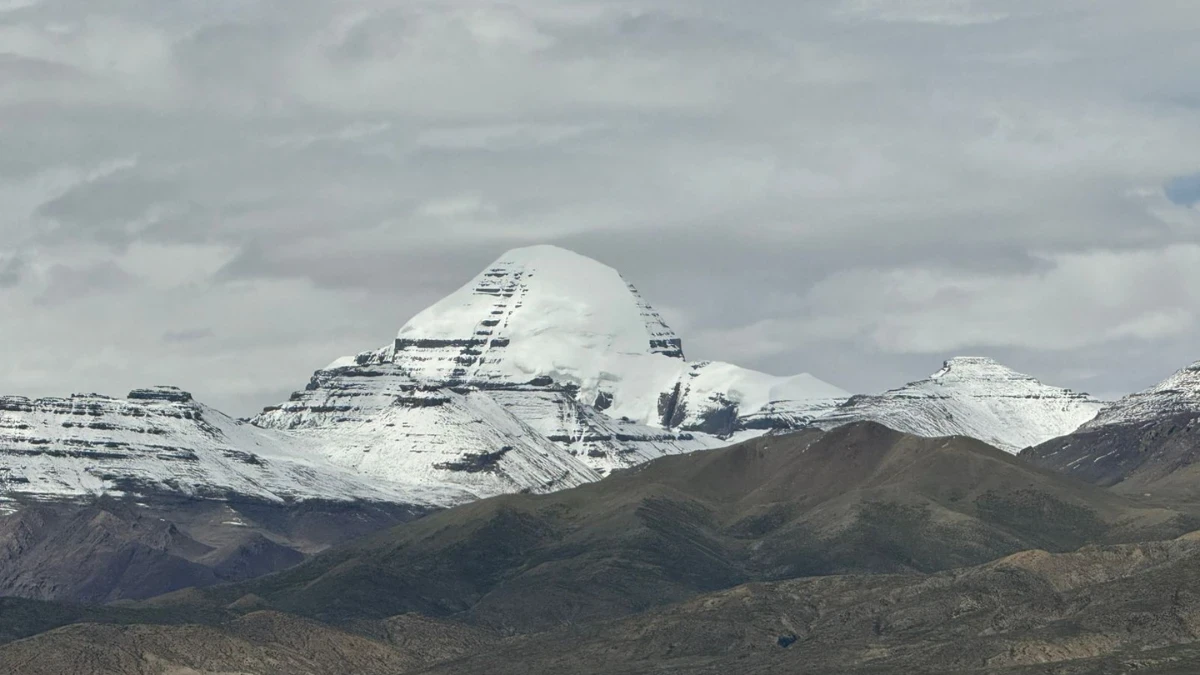
What Are the Official Age Limits for Kailash?
The age requirements for Kailash Mansarovar depend entirely on which route you take and which government's regulations apply. Here's what you need to know for each option.
China/Tibet Permit: 18 to 70 Years
Since Mount Kailash sits in Tibet (China), all visitors need a Tibet Travel Permit issued by the Chinese authorities. The standard requirement is that applicants must be between 18 and 70 years of age. This applies regardless of which country you're travelling from.
The Chinese government enforces this strictly. If you're over 70, your permit application will be rejected. There's no formal appeals process, and travel agencies cannot override this rule.
For the Kailash Mansarovar Yatra overland route, the Tibet permit age restriction is the primary barrier. Your passport age is what matters, not how fit you feel.
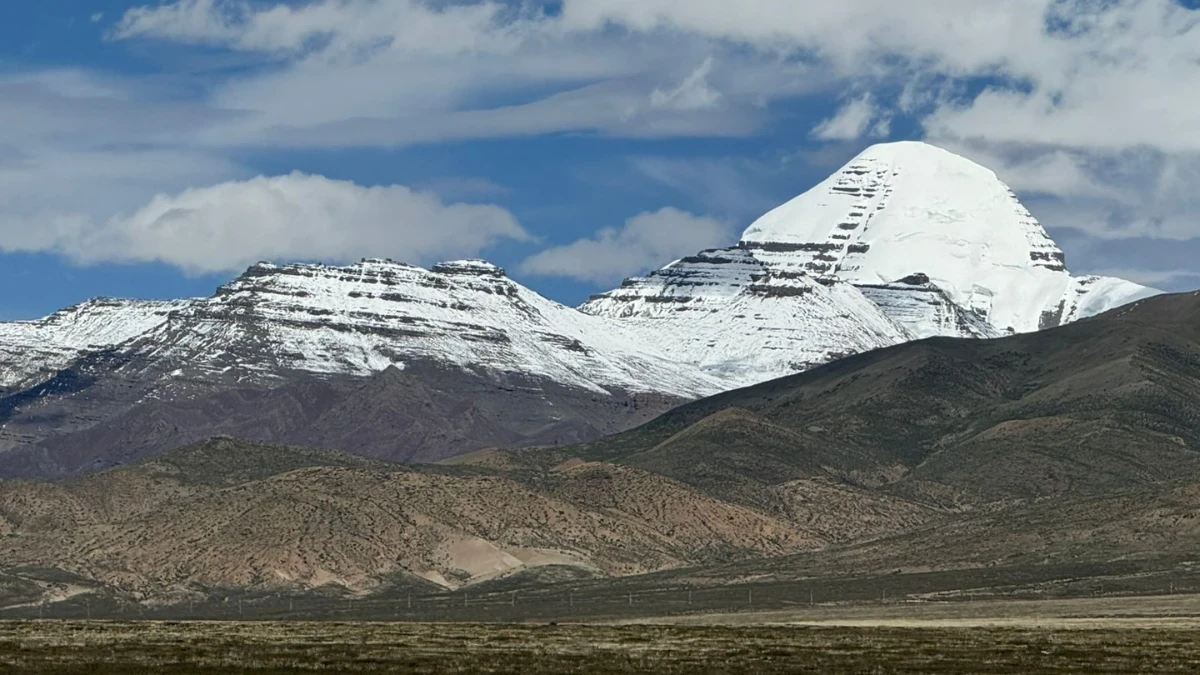
Indian MEA Route: 18 to 70 Years (Strict)
The Indian Ministry of External Affairs (MEA) organises its own Kailash Mansarovar Yatra through the Lipulekh and Nathu La passes. Their age requirement mirrors China's: applicants must be between 18 and 70 years old at the time of travel.
The MEA route is arguably the strictest of all options. Beyond the age cap, every applicant must pass a medical fitness examination conducted at designated government hospitals. The MEA publishes a specific medical certificate format, and any deviation from it will get your application rejected.
The Indian route also has a lottery system, so meeting the age requirement is just the first hurdle. You'll need to apply through the MEA portal, clear the medical, pass the lottery, and then complete additional fitness verification before departure.
Nepal Route: The Chinese Permit Limit Still Applies
Here's where things get interesting. If you travel to Kailash through Nepal, the age restrictions are considerably more relaxed. Nepal itself imposes no upper age limit for trekking or travel. The key requirement is the Chinese Tibet Travel Permit, which technically has the 18-70 rule.
In practice the age limit is the same as on every other route: the China side does not accept pilgrims over 70, and we cannot arrange an exception.
Our Kailash Mansarovar Yatra from Kathmandu is the most popular option for international pilgrims. You start from Kathmandu, cross into Tibet at the Kerung border, and proceed to Kailash by vehicle.
For pilgrims who are concerned about the physical demands, the Kailash Mansarovar Yatra by helicopter significantly reduces the strain. Helicopter transfers cut out the most exhausting driving sections, making the walk accessible to older pilgrims or those with moderate fitness limitations.
Simikot Route: Adventure with the Same Rules
The Kailash trek via Simikot is the most adventurous option. You fly to Simikot in far-western Nepal, trek to the Tibetan border at Hilsa, and then continue to Kailash. The same Chinese permit age rules apply, but this route demands significantly higher fitness because of the multi-day trek through remote terrain before you even reach Tibet.
If you're over 60 and considering the Simikot route, you'll need to be honest with yourself about your trekking ability. This isn't the right choice for casual walkers.
Medical Fitness Certificate: What Tests Are Required
Regardless of which route you choose, a medical fitness certificate is either mandatory or strongly recommended. Here's exactly what's involved.
Required Medical Tests
The standard medical examination for Kailash Mansarovar Yatra includes:
- ECG (Electrocardiogram): This checks your heart's electrical activity. Any irregularities in heart rhythm, signs of previous heart attacks, or structural issues will be flagged. A resting ECG is standard; some doctors may also request a stress ECG (treadmill test) for applicants over 50.
- Blood Pressure: Your BP must be within normal range (typically below 140/90 mmHg without medication). Controlled hypertension is usually acceptable, but uncontrolled high blood pressure is a disqualifier.
- Oxygen Saturation (SpO2): Measured with a pulse oximeter. Your baseline reading at sea level should be 95% or above. This gives doctors an indication of how your body handles oxygen, which is critical at altitude.
- Chest X-ray: This screens for tuberculosis, pneumonia, lung scarring, and other respiratory conditions that could become dangerous at high altitude.
- Blood Tests: Complete blood count (CBC), blood sugar (fasting and post-meal), and sometimes kidney and liver function tests. These check for diabetes, anaemia, and other systemic conditions.
- Urine Analysis: Screens for kidney problems, diabetes markers, and infections.
- BMI Assessment: While there's no strict weight limit, a very high BMI (above 35) may raise concerns about your ability to handle the physical demands and altitude.
For Indian MEA Route Specifically
The MEA requires medical certificates from designated government hospitals only. Private hospital certificates are not accepted. The examination must be completed on the specific form published by the MEA, and the certifying doctor must declare you "fit for high altitude travel up to 19,500 feet."
The MEA medical is typically valid only for that season's yatra. You cannot reuse a certificate from a previous year.
For Nepal Route
When travelling through Nepal, the medical certificate requirements are less bureaucratic but no less important. Your tour operator (that's us) will ask you to complete a health declaration form and provide a medical fitness certificate from your own doctor. We need to know about any conditions that could affect your safety at altitude.
The certificate should be recent, ideally within three months of your travel date. It should explicitly state that you are fit for high-altitude travel above 5,000 metres. Read our guide on avoiding altitude sickness for practical tips on staying safe at these elevations.
Which Medical Conditions Can Stop You Doing the Kailash Yatra?
Some health conditions make the Kailash Mansarovar Yatra genuinely dangerous. This isn't about being overly cautious. At 5,630 metres with limited medical facilities, certain conditions can become life-threatening quickly.
Conditions That Will Likely Disqualify You
- Coronary heart disease or history of heart attack: The combination of altitude, cold, and physical exertion puts enormous strain on the heart. If you've had a cardiac event in the past two years, most doctors will not clear you.
- Severe or uncontrolled asthma: Mild, well-controlled asthma is usually fine. But if you rely on a nebuliser or have been hospitalised for asthma in the past year, the thin air at Dolma La could trigger a serious attack.
- Recent major surgery: Any major operation within the past six months is typically a disqualifier. Your body needs time to heal fully before facing altitude stress.
- Uncontrolled diabetes: Poorly managed blood sugar, combined with irregular meals and physical strain at altitude, creates a dangerous situation. Well-controlled Type 2 diabetes is usually acceptable.
- Severe anaemia: Your blood needs to carry oxygen efficiently at altitude. Haemoglobin below 10 g/dL is a red flag.
- Epilepsy with recent seizures: If you've had seizures within the past year, the altitude and exhaustion could increase seizure risk in a location where emergency care is unavailable.
- Advanced kidney or liver disease: These organs are critical for acclimatisation. Impaired function makes altitude illness more likely and more dangerous.
Conditions That Require Extra Caution
These won't necessarily disqualify you, but they need careful management and discussion with your doctor:
- Controlled hypertension (on medication)
- Well-managed Type 2 diabetes
- Mild asthma with inhalers only
- Previous altitude sickness (depends on severity)
- Knee or joint problems (the Dolma La descent is steep and rocky)
- Sleep apnoea (worsens significantly at altitude)
If you have any of these conditions, we strongly recommend discussing them with us before booking. We've helped hundreds of pilgrims with various health considerations complete their yatra safely, and we can advise on the best route and pace for your situation.
Altitude Considerations: What 5,630 Metres Actually Means
Let's put the altitude in perspective. The Kailash Mansarovar Yatra takes you through some seriously high terrain:
- Kathmandu: 1,400 metres (starting point)
- Kerung Border: 2,800 metres
- Saga: 4,640 metres
- Lake Mansarovar: 4,590 metres
- Darchen (Kailash base): 4,675 metres
- Dirapuk Monastery: 5,080 metres
- Dolma La Pass: 5,630 metres (the highest point)
At 5,630 metres, the air contains roughly half the oxygen you'd breathe at sea level. Your body has to work significantly harder for every step. Even fit, young trekkers feel the effects here. Headaches, breathlessness, nausea, and fatigue are common.
The Kailash Parikrama (circumambulation) is approximately 52 kilometres and is typically completed over three days. Day two, which includes the Dolma La crossing, is by far the hardest. You'll gain about 560 metres of elevation and then descend roughly 600 metres on loose, rocky terrain.
For a detailed comparison of how different routes handle this altitude challenge, check our Kailash helicopter vs overland route comparison. The helicopter option doesn't skip the parikrama itself, but it eliminates the exhausting vehicle travel days, so you arrive at Kailash fresher and better rested.
How Should You Train for Kailash Mansarovar?
At 30 or 60, preparation is what separates a trip that stays with you from a miserable one. Start training at least three months before your departure. Six months is even better, especially if you're not currently active.
Months 1-2: Build Your Base
- Walking: Start with 30-minute daily walks and build to 60-90 minutes. Focus on a brisk pace, not strolling.
- Stairs: Climb stairs whenever possible. This is the single best exercise for altitude trekking preparation. Aim for 20-30 floors per day by the end of month two.
- Core strength: Basic planks, sit-ups, and back extensions. A strong core helps with balance on uneven terrain and reduces knee strain on descents.
- Flexibility: Daily stretching, particularly hamstrings, calves, and hip flexors. Tight muscles lead to injuries at altitude.
Months 3-4: Increase Intensity
- Hiking with weight: Start carrying a daypack (5-8 kg) on your walks. Build up to weekend hikes of 4-6 hours on hilly terrain.
- Cardio endurance: Add swimming, cycling, or jogging to your routine. Your cardiovascular system needs to be efficient at delivering oxygen.
- Breathing exercises: Practise deep breathing and controlled breathing techniques. Pranayama is excellent preparation. These skills will help you manage breathlessness at altitude.
- Consecutive days: Do back-to-back exercise days to simulate the multi-day nature of the yatra. Your body needs to recover while still moving.
Months 5-6: Peak Preparation
- Long hikes: Weekend hikes of 6-8 hours with a loaded pack. If possible, include elevation gain of 500-800 metres.
- Cold weather training: If you can access cold conditions, train in them. Your body needs to be comfortable performing when it's cold.
- Mental preparation: The Kailash parikrama is as much mental as physical. Practise meditation or mindfulness. The ability to stay calm when you're breathless and exhausted is crucial.
- Gear testing: Break in your trekking boots thoroughly. Test all your clothing layers. We provide duffel bags and down jackets free of charge, so you don't need to worry about those.
For more on what to bring, see our complete packing guide for Nepal treks.
Special Considerations for Pilgrims Aged 60 and Above
A significant number of Kailash pilgrims are in their 60s. This is a lifelong spiritual goal for many, and reaching this age with the means and time to travel often coincides with retirement. If you're over 60, here's what you need to think about.
Be Realistic About Your Fitness
Age itself isn't the problem. We've seen 65-year-olds complete the parikrama with more energy than some 35-year-olds. What matters is your actual fitness level, your commitment to preparation, and your willingness to listen to your body during the walk.
That said, recovery at altitude is slower for older adults. You'll acclimatise more slowly and tire more quickly. This doesn't mean you can't do it. It means you need to plan for it.
Choose the Right Route
For pilgrims over 60, we strongly recommend the helicopter-assisted route. This doesn't mean you skip the parikrama or miss any of the spiritual significance. It simply means you spend less time in exhausting vehicle travel and arrive at Kailash with more energy for the actual circumambulation.
The Simikot route is generally not recommended for those over 60 unless you have extensive high-altitude trekking experience.
Extra Medical Precautions
- Get a stress ECG (treadmill test), not just a resting ECG
- Have your doctor check for silent ischaemia (reduced blood flow to the heart that produces no symptoms)
- Consider a pulmonary function test if you have any history of breathing issues
- Carry a full first aid kit including your regular medications plus altitude medication (Acetazolamide/Diamox)
- Inform your travel companions and guide about all your medications and conditions
Pony and Porter Support
During the Kailash Parikrama, ponies and porters are available for hire at Darchen. If you're over 60 or have any concerns about your stamina, we recommend arranging pony support in advance, particularly for Day 2 (the Dolma La crossing). There's no shame in this. Many pilgrims of all ages use pony support, and it allows you to focus on the spiritual experience rather than physical suffering.
What Happens If You Fail Medical at Base Camp?
This is a question nobody wants to think about, but it's important to address honestly.
On the Indian MEA route, medical checks happen at multiple stages. If you fail the pre-departure medical, you simply don't go and may receive a partial refund depending on timing. If you develop problems during the walk, the MEA escort team can arrange evacuation, but this is logistically complex and can take time.
On the Nepal route, the situation is different. There's no formal "pass/fail" medical checkpoint at base camp. However, your guide will monitor your health throughout the walk. If you show signs of severe altitude sickness at Darchen or during the parikrama, our guides have the authority and training to make safety decisions.
If you cannot continue the parikrama, you'll stay at Darchen while your group completes the circuit. You can still visit Lake Mansarovar and participate in the spiritual ceremonies there. It's disappointing, but it's far better than pushing through and creating a medical emergency at 5,630 metres where evacuation is extremely difficult.
Our guides carry pulse oximeters and monitor every group member's oxygen saturation and heart rate daily. Any reading below 70% SpO2 at rest is treated as a serious concern requiring immediate descent or medical intervention.
Insurance Requirements
Travel insurance for Kailash Mansarovar isn't optional. It's absolutely essential. Here's what your policy must cover:
- Altitude coverage: Your policy must explicitly cover travel up to at least 6,000 metres. Many standard travel insurance policies cap at 3,000 or 4,000 metres. Check the fine print.
- Emergency evacuation: Helicopter evacuation from the Kailash region to Kathmandu or the nearest adequate medical facility. This alone can cost USD 10,000-25,000 without insurance.
- Tibet coverage: Not all insurers cover Tibet/China. Confirm that your policy covers the Tibet Autonomous Region specifically.
- Pre-existing conditions: If you have any declared pre-existing conditions, ensure they're covered by your policy. Many policies exclude them by default.
- Trip cancellation: Given the unpredictable nature of Tibet permits and border crossings, cancellation coverage is wise.
We recommend purchasing insurance as soon as you book your trip. Read our complete Kailash Mansarovar cost guide for a full breakdown of costs including insurance recommendations.
Timing Your Yatra Right
Your medical fitness isn't the only factor. Timing matters too. The Kailash Mansarovar Yatra season runs from May to September, with June and July being the most popular months. Weather conditions directly affect the physical difficulty, especially at Dolma La.
Early season (May) means potential snow at the pass, which makes the crossing harder. Late season (September) brings cooler temperatures but generally clearer trails. For pilgrims with any fitness concerns, mid-June to mid-July typically offers the most forgiving conditions.
For general guidance on Nepal travel seasons, our best time to visit Nepal guide covers weather patterns in detail.
Common Questions About Age and Fitness for Kailash
Can someone over 70 do the Kailash Mansarovar Yatra?
On the Indian MEA route, no. The 70-year age cap is strictly enforced. On the Nepal route the answer is the same. The Chinese Tibet Travel Permit does not allow pilgrims over 70, and we cannot arrange an exception. Contact us to discuss your specific situation.
What medical certificate format is needed for the Nepal route?
There's no prescribed government format for the Nepal route (unlike the Indian MEA route). You need a letter from your doctor on official letterhead stating that you are medically fit for high-altitude travel above 5,000 metres. The letter should mention the specific tests conducted (ECG, blood pressure, chest X-ray, blood tests) and declare that no contraindications were found. It should be dated within three months of your departure.
I have controlled hypertension. Can I still go?
Yes, in most cases. Controlled hypertension managed with medication is not an automatic disqualifier. You'll need to carry sufficient medication for the entire trip plus extras (in case of delays), and your doctor's certificate should specifically mention that your hypertension is well-controlled and stable. Be aware that some blood pressure medications (particularly ACE inhibitors) can cause a dry cough at altitude, so discuss alternatives with your doctor before the trip.
Is the helicopter route easier for older pilgrims?
Significantly easier in terms of overall physical demand. The helicopter-assisted route eliminates the most exhausting overland driving sections, reducing total travel fatigue. However, you still need to complete the Kailash Parikrama on foot (or with pony support), which includes crossing Dolma La at 5,630 metres. The helicopter doesn't skip the hard part, but it ensures you arrive at Kailash well-rested and better prepared for it.
What happens if I get altitude sickness during the parikrama?
Our guides are trained in altitude sickness recognition and response. Mild symptoms (headache, slight nausea) are managed with rest, hydration, and medication. Moderate symptoms trigger a pause in your trek with close monitoring. Severe symptoms (confusion, inability to walk straight, persistent vomiting, breathlessness at rest) require immediate descent to Darchen. In extreme cases, we arrange emergency evacuation. Prevention is always better than treatment, which is why proper acclimatisation and preparation matter so much.
Do I need to take Diamox (Acetazolamide)?
We recommend discussing Diamox with your doctor before the trip. Many pilgrims take it prophylactically starting one to two days before reaching high altitude. It helps your body acclimatise by increasing breathing rate and kidney bicarbonate excretion. However, it's not suitable for everyone (avoid if you have sulpha drug allergies or kidney problems), and it does have side effects including tingling in fingers and toes, increased urination, and altered taste. Your doctor will advise whether it's appropriate for you.
Can I do the yatra if I've had knee replacement surgery?
Possibly, but with important caveats. You need to be at least 12 months post-surgery with full recovery confirmed by your orthopaedic surgeon. The Dolma La descent involves steep, rocky, and sometimes slippery terrain that puts significant stress on knees. Trekking poles are essential, and pony support for the descent is strongly recommended. The overland route with vehicle support to and from Darchen minimises additional walking beyond the parikrama itself.
Is there a minimum fitness test I can do at home?
Yes, here's a simple benchmark: you should be able to climb 30 flights of stairs (roughly 600 steps) carrying a 5 kg backpack in under 30 minutes without stopping, and recover your normal breathing within five minutes afterward. If you can do this comfortably, your baseline fitness is likely sufficient for the parikrama with proper acclimatisation. If you struggle with this test, you have work to do before booking. Our recommendation is to start training and retest monthly.
Why Book Your Kailash Mansarovar Yatra With The Everest Holiday
The Kailash Mansarovar Yatra isn't a trip you want to get wrong. You need an operator who understands the medical, logistical, and spiritual dimensions of this journey. Here's why hundreds of pilgrims choose us.
- Over 300 reviews on TripAdvisor, Google and Trustpilot from travellers who've completed their journeys with us. Real stories, real feedback.
- Government-licensed operator (Registration 147653) and proud member of TAAN #1586 (Trekking Agencies' Association of Nepal). We're not a middleman; we operate our own trips.
- A family of Himalayan guides across three generations. This isn't a startup. Three generations of our family have guided in the Himalayas. We know these mountains.
- Secure payments through Himalayan Bank Limited payment gateway. Your card payment is processed securely by Himalayan Bank.
- We provide duffel bags and down jackets free of charge on all our trips. One less thing to worry about.
- Personalised fitness assessment. We review every pilgrim's medical declaration personally and advise on the best route, pace, and support options for your fitness level.
- Experienced altitude safety protocols. Our guides carry pulse oximeters, emergency oxygen, and are trained in high-altitude first aid. We monitor every group member daily.
Learn more about our team and our story on our About Us page.
Ready to Start Planning?
If you've read this far, you're serious about Kailash Mansarovar. The next step is simple: get your medical check done and talk to us about which route suits your fitness level and schedule.
Browse our Kailash Mansarovar trip options:
- Kailash Mansarovar Yatra Overland
- Kailash Mansarovar Yatra by Helicopter
- Kailash Trek via Simikot
- Kailash Mansarovar Yatra from Kathmandu
Ready to book? Head to our trip booking page or reach out to us directly on WhatsApp at +977 9810351300. We respond within hours, and we're happy to discuss your fitness concerns, medical requirements, or any other questions you might have.
Your journey to Mount Kailash starts with the right preparation. Let's make sure you're ready for it.
Check whether the Kailash yatra suits your fitness level with our Kailash Mansarovar Tour itinerary, which includes a day-by-day altitude profile. The Helicopter Tour is an option for those who want to reduce the physical demands.
Wondering if Kailash is right for your age? Our Kailash Mansarovar Overland Yatra (14 Days) is private (your group only, no strangers), private departures on your dates, pricing on request. WhatsApp us for tailored 2027 dates and current departures.
 Chat with Shreejan