
The Langtang Valley trek is the easiest way to stand below a 7,000-metre peak in Nepal. At a difficulty rating of 3 out of 5, it sits in the middle ground, harder than Poon Hill, easier than EBC or the Annapurna Circuit, and achievable for anyone who walks regularly and has a week to spare. The optional climb to Tserko Ri bumps the difficulty up for one day, but you can skip it and still have one of the best treks in Nepal.
What Is the Difficulty Rating?
We rate the Langtang Valley Trek at 3 out of 5, moderate. The breakdown:
- Physical fitness: Moderate. Daily distances of 7 to 19 km over six to eight days.
- Altitude: Moderate-High. Kyanjin Gompa at 3,870m, Tserko Ri at 4,984m.
- Technical skills: None for the main trek. Tserko Ri has a short boulder scramble at the top.
- Duration: Short. Six to eight days, not long enough for cumulative fatigue to become a major factor.
- Navigation: Easy. Single valley, well-marked trail, teahouses every hour or two.
What Are the Hardest Parts?
Day 1: Syabrubesi to Lama Hotel (1,020m gain)
The first day is the steepest. You gain over 1,000 metres in 13 kilometres through dense forest. The trail is narrow, sometimes muddy, and climbs relentlessly for five to six hours. There is no gentle warm-up. You are climbing from the first step.
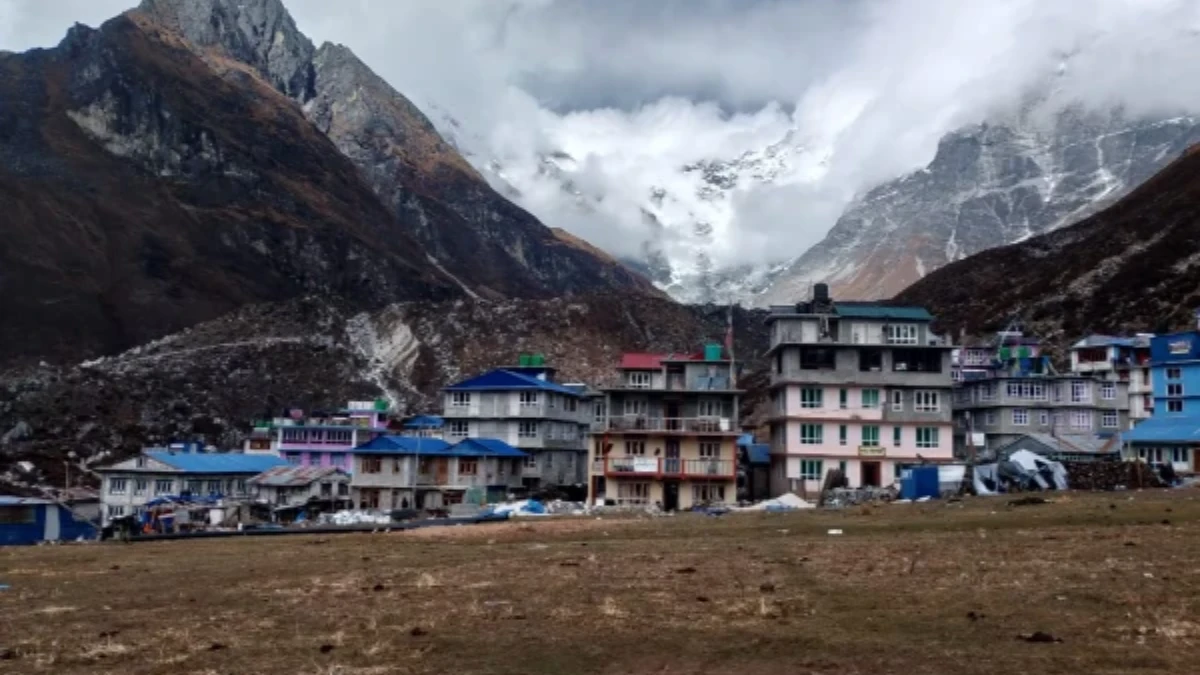
This day catches people who underestimated the trek because it is "only" Langtang. A 1,000-metre altitude gain in one day is serious walking. By the time you reach Lama Hotel (2,480m), your legs know they have worked.
Day 4: Tserko Ri Summit (optional, 1,114m gain)
The climb from Kyanjin Gompa (3,870m) to Tserko Ri (4,984m) is the hardest single effort on the Langtang trek. You gain 1,114 metres in approximately 4 kilometres, a brutal gradient at altitude. The last 200 metres involve scrambling over large boulders with no defined trail.
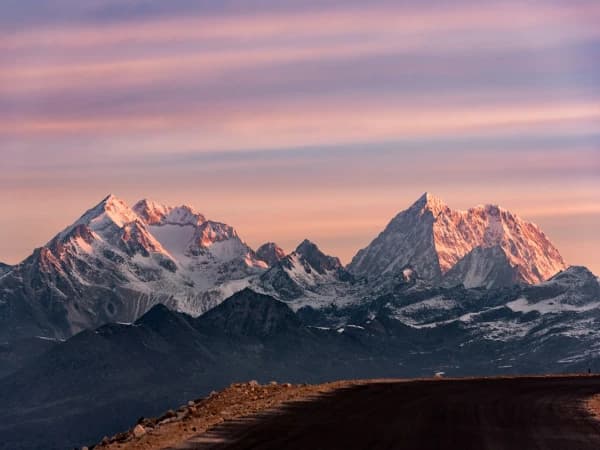
At 4,984 metres, the air has about fifty-five percent of the oxygen available at sea level. You will breathe hard. Your pace will drop to a crawl. The summit view of Langtang Lirung, Shishapangma, Ganesh Himal, and the entire valley spread below makes every gasping step worthwhile.
Tserko Ri is optional. You can spend the day at Kyanjin Gompa instead, visiting the cheese factory, walking around the glacier, or simply resting. The main trek is complete without the summit climb. But most trekkers who attempt it reach the top, and none regret trying.
Day 5: The Long Return (19 km downhill)
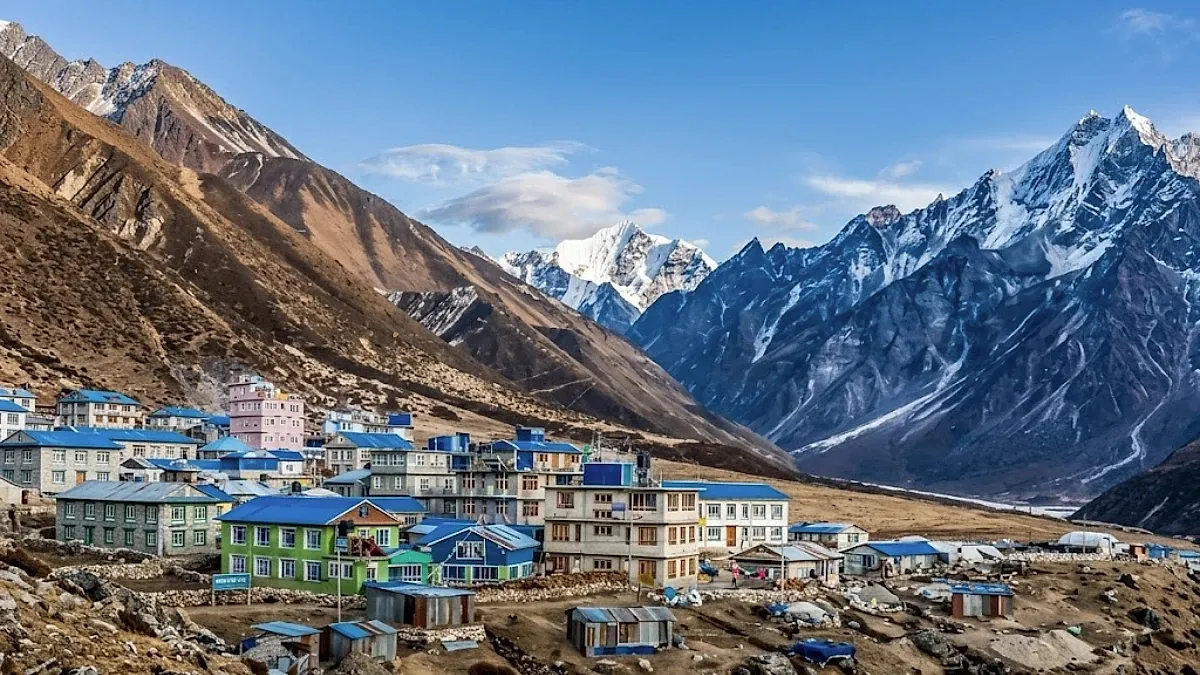
The return from Kyanjin Gompa to Lama Hotel covers 19 kilometres, the longest day of the trek. It is mostly downhill, which sounds easy until you are actually walking downhill for six hours on rocky trails. Knees take a beating. Trekking poles are essential. The distance is manageable but monotonous because you are retracing the trail you walked two days earlier.
How Fit Do You Need to Be?
Moderately fit. If you walk for exercise three to four times per week and can comfortably hike 12 kilometres on hilly terrain, you are ready for Langtang. No special training is needed beyond your normal fitness routine, though adding a few longer walks (3 to 4 hours) in the four weeks before departure helps build trail endurance.
The Langtang trek is commonly done by:
- First-time trekkers testing whether they enjoy multi-day hiking
- Older trekkers (50 to 70) who want mountains without extreme altitude
- Families with teenage children
- People with one week in Nepal who want a real trek, not just a day hike
Is Altitude Sickness a Concern?
The main trek to Kyanjin Gompa (3,870m) keeps you below the altitude where serious problems typically occur. Mild symptoms such as headache and poor sleep are possible at Langtang Village (3,430m) and Kyanjin Gompa, but serious altitude sickness is uncommon on the standard Langtang itinerary.
Tserko Ri (4,984m) is a different matter. At nearly 5,000 metres, you are in genuine high-altitude territory for a few hours. The climb is rapid, 1,114 metres in half a day, which does not allow time for gradual acclimatisation. Most trekkers feel the altitude on the summit: breathlessness, dizziness, and a headache that clears on descent. Your guide assesses your condition before the attempt and turns you around if symptoms are concerning.
How Does Langtang Compare to Other Treks?
| Trek | Difficulty | Days | Max Altitude | Best For |
|---|---|---|---|---|
| Poon Hill | 2/5 | 6 | 3,210m | Absolute beginners |
| Langtang Valley | 3/5 | 7-8 | 4,984m | First serious trek |
| ABC | 3/5 | 9 | 4,130m | Moderate fitness, wants sanctuary |
| EBC | 4/5 | 12 | 5,545m | Goal trek, fit trekkers |
| Annapurna Circuit | 4/5 | 16 | 5,416m | Experienced, wants variety |
Langtang is the "first serious trek", harder than a day hike but easier than the two-week expeditions. It teaches you everything you need to know about multi-day trekking (teahouse routine, altitude management, trail food, pack discipline) in a compact timeframe that does not require two weeks off work.
What About Weather Difficulty?
The Langtang Valley is more sheltered than the Annapurna or Everest regions because it sits in a narrow north-south valley protected by ridgelines on both sides. Wind is rarely a problem below Kyanjin Gompa. Rain in monsoon is heavier than in the Khumbu because the valley faces the monsoon directly, but in the trekking seasons (October-November, March-May) the weather is generally stable and clear.
The trail can be icy in early morning above 3,000 metres from November onwards. The section between Langtang Village and Kyanjin Gompa crosses open terrain where morning frost makes rocks slippery. Gaiters and trekking poles handle this easily. Full crampons are never needed on the main trail.
Winter trekking (December-February) is possible on Langtang but cold: minus ten to minus twenty at Kyanjin Gompa overnight. Fewer teahouses stay open, and the Tserko Ri climb may be blocked by snow. Spring (March-May) is the most comfortable season, with rhododendron blooms in the forest below Lama Hotel adding colour to the already beautiful lower trail.
See our Langtang Valley Trek (8 Days) for the full itinerary, or our Langtang with Gosaikunda extension if you want to add altitude and a sacred lake.
WhatsApp:+977 9810351300
Email:[email protected]
Written by Shreejan Simkhada, CEO of The Everest Holiday and third-generation Himalayan guide. TAAN Member #1586.
Pick Langtang for your first Nepal trek. Our Langtang Trek 8 Days is Nepal's closest mountain escape from Kathmandu "" no flights, moderate altitude, real Himalayan views. WhatsApp us for 2027 dates.
 Chat with Shreejan