
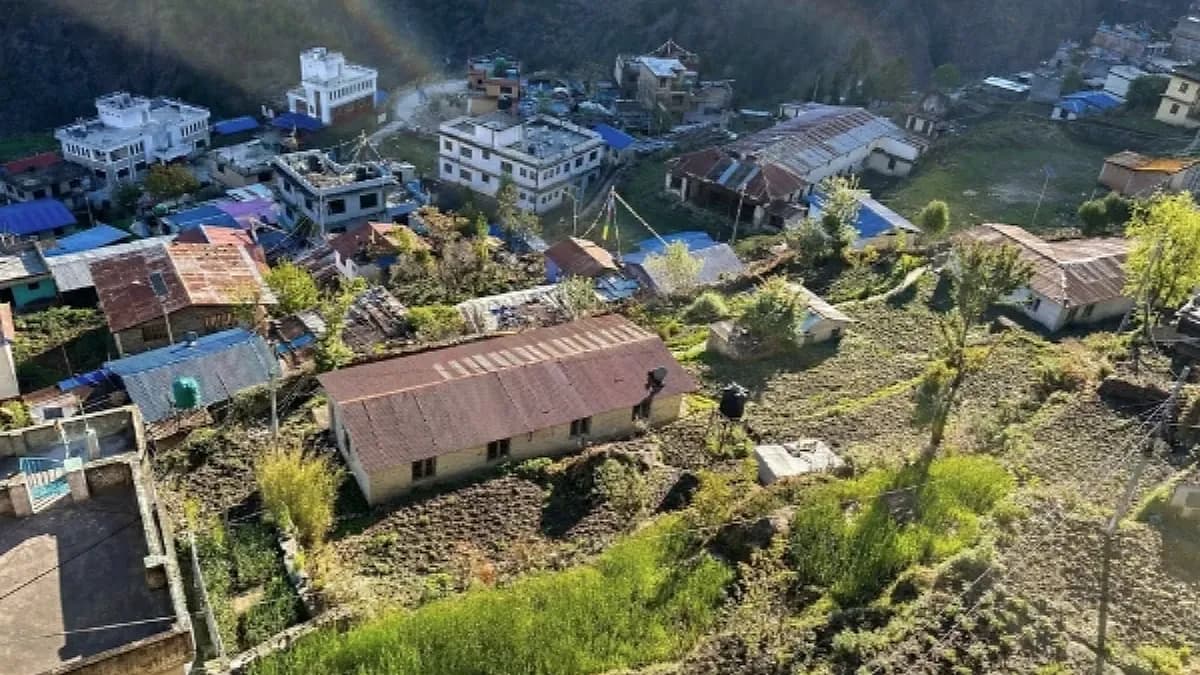
Short answer: Dhunche is the headquarters of Rasuwa District and of Langtang National Park, at about 2,030 m and about 117 km by road from Kathmandu. It is the road-head town for the Langtang Valley and Gosaikunda, and Syabrubesi, the usual Langtang start, is about 20 km further north. The road was closed by the 26 August flood and is open again as of 15 October 2026, so read the access update below before you plan dates.
Some spots in Nepal are just doors, where travellers stop for a short time before racing on to more well-known places. Dhunche isn't one of those places. This settlement, which lies on a pine-covered hill in the Rasuwa district, is more of a start than a stop. It is at the point where the paved road ends and the old trails begin, where the rhythm of modern Nepal slowly gives way to the timeless pulse of the high Himalayas. If you want a trek in the Annapurna region instead, here is our 9-day Annapurna Base Camp trek.
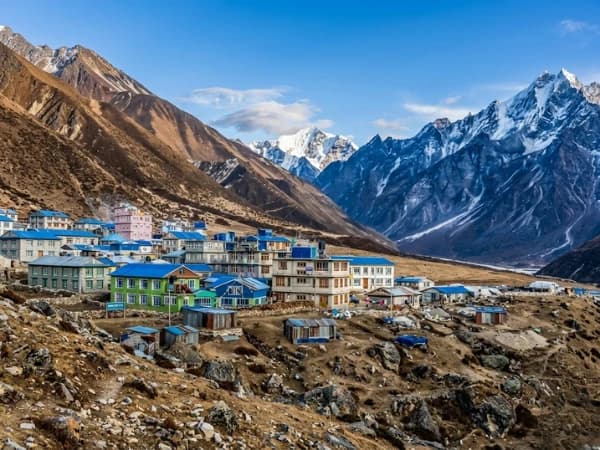
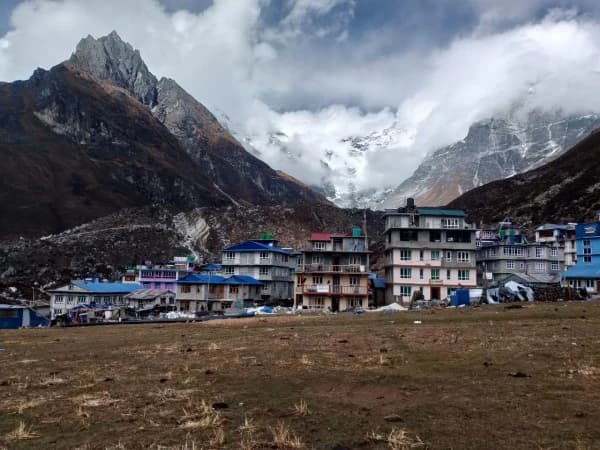
People who come to Dhunche progressively get to know it. The bus from Kathmandu weaves its way up via switchbacks cut into terrain that is too high to walk on for hours. It follows the loud Trishuli River as it churns far below. Fields on terraces cling to slopes that don't seem to be able to hold them. Outside of stone houses that have seen generations come and go, prayer flags crack in the wind. And then, just when the trip seems to go on forever, the road levels off and the town comes into view. It's a group of buildings on a ridge, with mountains behind them that look like silent guardians.
Dhunche is a unique place in the Himalayan environment because it is about 2,030 metres above sea level. It is high enough to feel the cool breath of snow from far away but low enough to support thick forests of oak, pine, and rhododendron. It has government offices, schools, and markets, unlike a mountain community, as it is the administrative centre of Rasuwa District. But more importantly, it is the main way to reach some of Nepal's most beautiful trekking spots, like the Langtang Valley, the sacred lakes of Gosaikunda, and the culturally rich Tamang Heritage Trail.
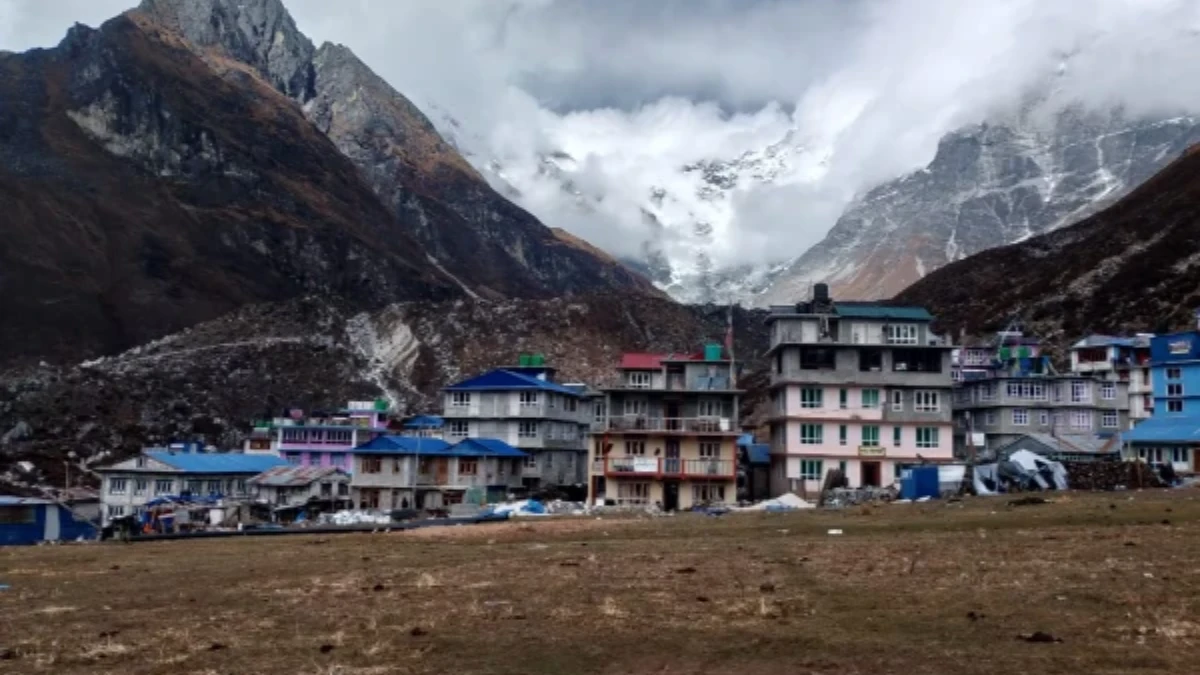
People from the Tamang and Gurung communities live in the town. Their Tibetan Buddhist traditions shape every part of daily life. There are chortens along the roads that go out of town. At intersections, there are many walls with prayers on them. Occasionally, you might hear monks chanting from the tiny monasteries tucked into the hills. These aren't shows for visitors; they're examples of a live culture that has been here for hundreds of years.
Dhunche is the last place for trekkers to find some civilisation before they head into the wild. This is where they check permits one more time, adjust packs, and get excited about the trail ahead. The town has everything you need to be ready at the last minute: pleasant places to stay, filling meals, basic supplies, and the helpful advice of lodge owners who have seen many trekkers come and go.
But Dhunche rewards people who don't push ahead. People who rush through the area miss out on the layers of beauty and meaning that may be found by spending a day walking its streets, having tea with locals, or just sitting on a hillside and watching clouds float across the Ganesh Himal range. The town has survived earthquakes, adjusted to changes in politics, and welcomed more tourists while keeping its unique character. It is still a spot where Himalayan hospitality and adventure come together and where every trip to the high country starts.
This book explores every facet of Dhunche, encompassing its geography and transportation, its amenities and accommodations, the hikes that begin directly from its doorstep, and the small details that elevate it beyond a mere gateway.
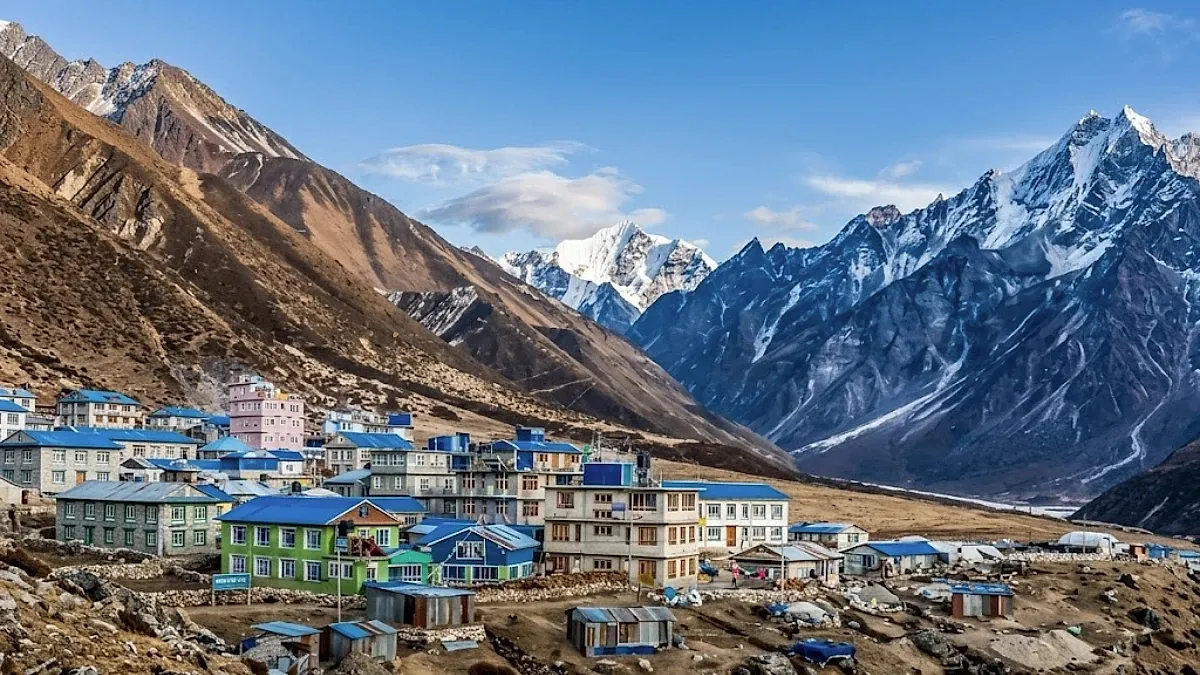
Dhunche quick facts
| Detail | What to know |
|---|---|
| Altitude | About 2,030 m (6,660 ft). |
| Distance from Kathmandu | About 117 km by road along the Pasang Lhamu Highway. Syabrubesi, the usual start of the Langtang trek, is about 20 km further north at 1,503 m. The drive to Syabrubesi takes 7 to 9 hours. |
| What it is | The headquarters of Rasuwa District and of Langtang National Park. |
| Permits | Langtang National Park entry NPR 3,000 and TIMS card NPR 2,000 per person. |
| Best months | March to May and September to November. |
| Road status | Closed since the 26 August flood. See the access update below. |
Our Langtang Trek, 8 Days is the route from here, up to Kyanjin Gompa at 3,870 m with a licensed guide. It starts from USD 890 for one traveller, or USD 490 each for 2 to 4 travellers on the Budget option. Pay in USD or EUR. Rescheduling is free on 72 hours notice. The 10% deposit itself is not refunded if you cancel.
Langtang access update, 15 October 2026
The road up the Trishuli and Rasuwa valleys was closed by the flood of 26 August. OnlineKhabar reported on 27 August that about 40 km of road and 41 bridges were destroyed in Rasuwa. As of 1 October the road still did not reach Syabrubesi. On 5 October Ratopati reported that the Agitar to Betrawati section was working again and that an army team had begun building a 74 m Bailey bridge over the Falakhu Khola at Betrawati, aiming to finish before Dashain and reconnect Nuwakot with Rasuwa.
That was a step towards Dhunche, not the end of the repair. As of 15 October 2026 the road to Dhunche and Syabrubesi is open again. There are no hotels running in Syabrubesi at the moment, so on day 1 we walk on from the road head to the first open lodge on the trail. We check road and trail conditions 48 hours before every departure. If the road is not open on the day, we move your dates free of charge. Last checked: 15 October 2026.
Where Is Dhunche and How High Is It?
The unique location of Dhunche sets it apart in every aspect.
The town is about 117 kilometres by road from Kathmandu and situated atop a green ridge that looks out over the Trishuli River basin. It is a unique natural transition zone since it lies at the junction of lowland lands and the high Himalayan mountains. The scenery below Dhunche is still green, with subtropical trees and terraced fields. It quickly climbs into the Himalayas, where it ultimately reaches the border with Tibet, the Ganesh Himal, and the Langtang Lirung, where snow is always present.
There are huge rhododendron, pine, oak, and maple forests on the hillsides nearby. In the spring, rhododendrons bloom all the way, covering the slopes in a rainbow of pinks, reds, and whites. Thermal currents let a diverse range of birds, such as predatory birds, laughing thrushes, and beautiful pheasants, fly through the air. The smell of wet ground and pine needles stays even after you depart.
Key Facts About Dhunche
-
2,030 metres above sea level
-
Region: Central Nepal
-
District: Rasuwa
-
The main religion is Tibetan Buddhism, and the main ethnic groups are Tamang and Gurung.
-
Concentration of Oxygen: About 80% of the level of the sea
-
About 117 kilometres by road from Kathmandu
-
Syabrubesi (20 km north) is the closest major trek start.
Dhunche is the district headquarters, which means it has more services than most towns of its size. The locals and the many smaller towns and villages in the vicinity are all well-served by the area's hospital, schools, government buildings, and busy market. Dhunche is busier and more focused than many mountain towns because of this administrative role.
How do you get to Dhunche from Kathmandu?
Hikers are greeted with open Himalayan scenery on the way to Dhunche even before donning their hiking boots. In and of itself, this trip prepares them for the paths that lie ahead.
Cities that serve as entry points
Kathmandu, the lively capital of Nepal, is where the journey starts. Heading north through the foothills, a solitary road winds its way along the Trishuli River, navigating increasingly rugged landscapes. Narrow, twisting, and occasionally terrifying due to the precipitous drops to the river below, the road nevertheless gives you a traditional Himalayan experience despite the many repairs it has received in the past few years.
What Is the Drive from Kathmandu to Dhunche Like?
Local buses in Kathmandu depart from the Old Bus Park daily, typically at sunrise. The number of stops, traffic, and road conditions determine how long the trip will be, which can range from seven to nine hours. A private jeep is the more comfortable option and lets you stop for the views.
Just the drive is enough to justify the entry fee. While climbing, the trail passes through a variety of temperature zones, including cool subtropical plains and warm temperate highlands. At random intervals, you'll find towns on this challenging terrain. The presence of prayer flags and stone houses indicates that the area is inhabited. The Trishuli River winds its way through verdant valleys at a leisurely pace and wild white rapids at other points.
The Last Plan
Your view of the mountain range improves as you near Dhunche. On clear days, first-time visitors gasp in awe at the sight of the snow-capped summits. With its densely packed buildings encircling the ridge and the massive Ganesh Himal in the distance, the town materialises out of nowhere.
Local buses and jeeps sometimes take an additional hour or two to cover the final 20 kilometres that hikers must go in order to reach Syabrubesi, the true beginning of the Langtang Valley. Mountain views open up around every bend as you travel north up the Langtang Khola.
Dhunche's Facility
Dhunche has services that meet the needs of both locals and hikers who are only passing through. The town isn't fancy, but it has everything you need to be comfortable before you head into the mountains.
What Services Are Available in Dhunche?
Dhunche is more developed than other hiking stations since it has government offices, a district hospital, banks, and police. The hospital offers basic medical care and care in an emergency; however, critical cases need to be sent to Kathmandu.
Is There Phone Signal and WiFi in Dhunche?
There are mobile phone networks in Dhunche, but service might be spotty depending on the weather and how busy the network is. Some lodges have limited internet; however, it is slow. Most travellers see the trip as the start of a digital detox.
Are There ATMs in Dhunche?
There aren't many banks, and the ATM services aren't always reliable. It's important to have enough cash on hand for your whole trip and hike. Most places in town and on the trails don't take cards.
Markets
Local stores supply food, basic groceries, and last-minute hiking gear. There aren't as many options as there are in Kathmandu, but you can still find basic things like batteries, toilet paper, and snacks. Fruits and vegetables that are in season are available in the market.
Power
The community has energy from the grid, but the power goes out a lot. Solar electricity adds to the grid, and most lodges have battery systems that keep the lights on when the power goes off. It usually costs a little bit to charge electronics.
What are the best things to see in Dhunche?
Dhunche's attractions are modest, yet those who venture beyond the conventional path will reap the rewards.
The Monasteries
There are small Buddhist monasteries all around the town and the hills around it. These quiet places give you a taste of the spiritual life in the area. The walkways are lined with prayer wheels, which are cylinders filled with thousands of printed mantras. Turning each wheel while walking sends those prayers out into the world. This method is a technique that has been around since Tibetan Buddhism began.
There are beautiful murals of Buddhist gods and incidents from Buddha's life on the walls of the monastery buildings. The smell of butter lamps and incense fills the air. Monks in maroon robes go about their everyday lives, stopping to bless guests from time to time. You need permission and respect to take pictures.
The Market in the Area
Dhunche's market gives you a glimpse into life in the Himalayas every day. Local farmers bring fresh fruits and vegetables, like potatoes, cabbage, cauliflower, and greens that are in season. Spice merchants show off piles of turmeric, cumin, coriander, and chile that are all different colours. Women in traditional Tamang clothes shop for things they need for their homes while kids play in the streets.
The market is open on certain days, usually a few times a week. Asking around about market days in your area will help you experience this lively display of mountain trade.
The Trails in the Forest
There are a few walking routes that lead from Dhunche to the woodlands around it. These pathways are excellent ways to see the beauty of the Himalayas without having to commit to more than one day. Pine needles cover the ground, making footsteps sound softer. The trees reverberate with the sounds of birds. Some clearings let you see beyond the valley to peaks far away.
Morning walks are best when the sun shines through the trees and animals are active.
The Points of View
On clear days, several places surrounding Dhunche provide you with a wide view of the mountains. The Ganesh Himal range is the most prominent feature on the northern horizon. Its summits, Ganesh I, II, III, and IV, are all higher than 7,000 metres. Langtang Lirung sometimes shows itself above the ridges that are in the way. These peaks change colour from gold to pink to purple and eventually to deep blue as the sun rises and sets.
Interaction with People Nearby
The inhabitants of Dhunche may be the best thing about the place. People in the Tamang and Gurung communities are very welcoming to visitors. Having tea at a local shop, watching kids play, or just saying hello to those who pass by are all ways to interact with others that make travelling more enjoyable. For decades, several families have welcomed trekkers into their homes and are proud of their hospitality.
What are the best things to do in Dhunche?
Dhunche is mostly a place to start treks, but the town itself has things to do for anyone who has some free time.
Get Ready for Your Trek
Getting ready for the last voyage is the most useful thing to do. Make sure your gear is ready for the weather ahead. Buy any last-minute things you need. Check that the permits are in order. Talk to lodge owners about the path conditions. They get reports every day from trekkers who come back from the mountains.
Short hikes
Day hikes from Dhunche let you explore the hills around it without having to stay the night. Some trails go to surrounding communities, woodland vistas, and monasteries. These treks are a wonderful way to get used to the altitude before going higher.
Immersion in culture
If someone invites you to their home, go. Go to a prayer service at a monastery. Learn a few words in Tamang or Nepali. Even simple greetings can help you get in. People can live and interact with the culture here if they show respect.
Photography
There are infinite chances to take pictures in Dhunche. The morning sun illuminates the mountains. The market is busy with activity at night. You can take pictures of residents (but always ask beforehand). The way light and shadow play through the forest pathways is worth slowing down for. Prayer flags in front of a blue sky. Each frame shows a little bit of what makes this place special.
Rest and Acclimatise
Sometimes the best thing to do is to relax. Dhunche's height of 2,030 metres helps people get used to the higher terrain. Sitting on a sunny patio with a book and a cup of tea, watching clouds go by, gets your body and mind ready for what's to come.
What Is Dhunche Famous For?
Dhunche is famous for a different cause than settlements that are known for certain structures or features. It is renowned as the gateway since it is where some of Nepal's best treks start.
The path to Langtang Valley
The Langtang Valley Trek is one of the most spectacular and easy-to-reach high-altitude hikes in Nepal. Dhunche is the main beginning point for the trail. It is the last village before the trail goes north into the mountains. People travelling to Langtang pass through Dhunche, which reflects the town's character.
The route to Gosaikunda
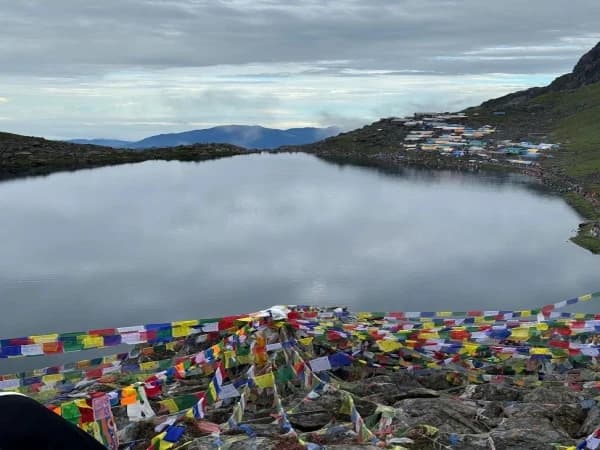
Every year, thousands of Hindu pilgrims come to the holy lakes of Gosaikunda, notably during the Janai Purnima festival. The main route to these high-altitude lakes, believed to be Lord Shiva's home, is through Dhunche.
Center for Administration
Dhunche is the Rasuwa District headquarters and has government offices that service the whole area. This administrative job gives Himalayan towns a level of infrastructure and services that is rare.
The Culture of Tamang
The region surrounding Dhunche is a great spot to learn about the hospitality, architecture, and traditions of the Tamang people, who are Buddhists from Tibet.
When is the best time to visit Dhunche?
When you go, it will affect everything, from the trail conditions to the scenery you see.
March–May is spring.
The lower trails have flowering rhododendrons and warmer weather in the spring. Rhododendron blooms in red, pink, and white cover the hillsides and make the forests come alive with colour. Days get longer, and animals are more active. In the mornings, the views of the mountains are clear, but there are clouds in the afternoons. This is one of the best times to go.
September to November is fall.
The greatest time to visit Dhunche is in the fall, when the weather is consistent, the skies are clear, and the temperatures are comfortable. The weather after the monsoon wipes away the dust, showing off the Himalayas in all their beauty. During the day, it's warm enough to hike comfortably, and at night, it cools down and feels excellent. Festival times make your stay more culturally rich.
Winter lasts from December to February.
In the winter, the area becomes quieter and colder. Snow falls at higher elevations, and Dhunche's temperatures drop a lot at night. When the sun is out, the weather stays comfortable during the day. You can walk on deserted roads and see the mountains on clear winter days. This time of year, only experienced trekkers with the right clothing should try high-altitude hikes. However, going to Dhunche itself is still worth it.
June–August is the monsoon season.
The region gets a lot of rain during the monsoon. Trails get treacherous, leeches show up in wooded areas, and clouds often block views of the mountains. Landslides can make it hard to get to roads. Most trekkers stay away from this time of year, but the terrain becomes very green and lush, and those who are brave enough to go out in the rain find peace and a different type of beauty.
The Langtang route in numbers
These are the stages of our 8-day Langtang Trek, with overnight altitudes from our itinerary.
| Day | Stage | Distance and time | Overnight |
|---|---|---|---|
| Day 1 | Drive, Kathmandu to Syabrubesi | 7 to 9 hours | 1,503 m |
| Day 2 | Syabrubesi to Lama Hotel | 11.3 km, about 6 hours | 2,470 m |
| Day 3 | Lama Hotel to Langtang village | 14.8 km, about 6 hours | 3,430 m |
| Day 4 | Langtang village to Kyanjin Gompa | 6.8 km, about 3 hours | 3,870 m |
| Day 5 | Rest and explore at Kyanjin Gompa | Short walks | 3,870 m |
| Days 6 to 8 | Back down to Lama Hotel and Syabrubesi, then the drive to Kathmandu | 21 km, then 11.3 km, then 7 to 9 hours | 2,470 m, then 1,503 m |
What permits do you need to trek from Dhunche?
You need special permits to go on treks that start at Dhunche. Getting these in Kathmandu before you leave saves time and trouble; some permissions can be secured locally.
Langtang National Park Entry Pass
You need this permit to go on any treks into Langtang Valley, Gosaikunda, or the areas around them. It helps with conservation work in the national park. You may get the permission for about 3,000 Nepalese rupees at the Nepal Tourism Board office in Kathmandu or at the park's entrance.
TIMS Card
The Trekkers' Information Management System card helps keep track of visitors for safety reasons. It is still required for trekkers who are on their own. The card is NPR 2,000 per person for foreign trekkers. All our treks include a licensed guide. You can get it in Kathmandu through licensed trekking companies or the Nepal Tourism Board.
Eating and drinking in Dhunche
Dhunche has surprisingly wonderful food for a place that's so far away in the mountains.
Dal Bhat is a traditional Nepali dish made of rice and lentil soup that gives you energy and makes you feel better. This meal, which comes with vegetable curries, pickles, and sometimes papadum, gives many trekkers the energy they need to get through long days on the trail. Hungry hikers must know that seconds are usually free.
Noodles and soups are quick and comforting choices that hikers like. Most menus provide thukpa (Tibetan noodle soup) and basic vegetable soups that are ideal for cold nights.
Tibetan Bread: Fried bread that comes with potatoes, curry, or just jam. This popular breakfast dish provides you with energy for the rest of the day.
Momos are dumplings that are steamed or fried and filled with different things, like vegetables, buff (water buffalo), or chicken. Nepal's unofficial national food is these Tibetan-style dumplings.
Tea and coffee are important for warming up on chilly mornings. Every menu has masala tea, black tea, milk tea, and instant coffee. Just ask, and most tea establishments will give you a pot that never runs out.
Most teahouses have scheduled dinner times. Dining rooms turn into social hubs where travellers tell stories and make plans as wood stoves crackle in the background.
Why Dhunche Is Important
Dhunche isn't just a place to stop. It feels like a real town in the Himalayas, with its own sounds, people, and scenery. People who live in Dhunche have been kindly welcoming people for years, sharing their culture and the beautiful mountains with them.
The prayer flags fly, and the sun goes down over the hills. From the edge of town, you can see Dhunche. This place has something important to say. Many different worlds are coming together there. There are lowlands and high mountains, new and old ways of doing things, and normal life and amazing things that are waiting on the trails ahead.
The town wants you to be there. It gives you a warm bed before the cold trail, a look at how people have lived in the Himalayas for hundreds of years, and the promise of more thrills to come.
Last Thoughts
Dhunche is waiting to greet you. The town has plenty to offer, no matter how you get there, whether it's by crowded local bus or private jeep, for one night or several, heading north toward Langtang or east toward Gosaikunda, or just sitting and watching the mountains for a bit.
It gives you a start. It marks the start of trails that lead to some of the best alpine scenery in Nepal. This is where treks begin that will test your legs and stay with you for years.
The road goes up from Kathmandu. The river flows quickly below. The wind makes the prayer flags crack. Dhunche is waiting at the edge of everything, ready to launch you up into the high Himalayas.
Where to Stay in Dhunche
Hotel and lodge accommodation in Dhunche is included in every Langtang and Gosaikunda trek package we run. Your guide books your room on arrival, so you do not need to contact lodges directly. Dhunche is the road-end gateway to Langtang National Park and the Gosaikunda trail, and the lodges here are larger than the high-mountain teahouses with twin rooms, hot showers, full meals, and a restaurant area.
Related Treks & Guides
- Langtang Gosaikunda trek
- Langtang Ganja La Pass trek
- Langtang Trek
- Chandanbari Nepal
- Kyanjin Gompa, Nepal: Complete Travel Guide to Langtang Valley’s Himalayan Gem
Dhunche is where the road ends and the mountains begin. I have driven this route from Kathmandu more times than I can count, and the moment you step out of the jeep in Dhunche, the air changes. It smells like pine and woodsmoke and altitude. That is when the trek starts, even if officially it starts the next morning.
Our Langtang and Gosaikunda treks all begin from Dhunche. Transport from Kathmandu, lodge booking, permits, everything is handled before you arrive.
WhatsApp:+977 9810351300
Email:[email protected]
Written by Shreejan Simkhada, CEO of The Everest Holiday and third-generation Himalayan guide. TAAN Member #1586.
Dhunche is the road head for Langtang. Our Langtang Trek (8 Days) is private (your group only, no strangers), 2027 dates open, From USD $490. WhatsApp us for tailored 2027 dates and current departures.
 Chat with Shreejan