

Update, 26 August 2026: a large flood came down the Bhote Koshi river on 26 August and damaged the Rasuwagadhi border crossing, the customs post and the road through Timure and Syabrubesi. The overland route into Tibet described on this page is not running for the rest of the 2026 season. The western route to Kailash, which flies Kathmandu to Nepalgunj to Simikot and then crosses by helicopter to Hilsa, is in a different part of the country and is unaffected. I have written the full account of what happened, and what it means for each route, here. I will update this page once the crossing has been properly assessed.
When Is the Best Month for Kailash Mansarovar?
If you're planning a Kailash Mansarovar Yatra in 2026, timing is everything. The window to reach Mount Kailash is surprisingly short. Tibet opens its doors to pilgrims and travellers for roughly five months each year, and within that window, the conditions shift dramatically from month to month.
2026 is no ordinary year, either. It's the Tibetan Fire Horse Year, which comes around once every 60 years. For Hindus and Buddhists alike, this makes the pilgrimage to Kailash even more significant. Saga Dawa, the holiest full moon of the Buddhist calendar, falls in June, drawing thousands of devotees to the base of the sacred mountain.
The month you choose for Kailash matters more than for any other trip in Nepal. Get it wrong and you face closed roads, blizzards on the kora, or a permit office that will not issue your paperwork. Here is the honest breakdown.
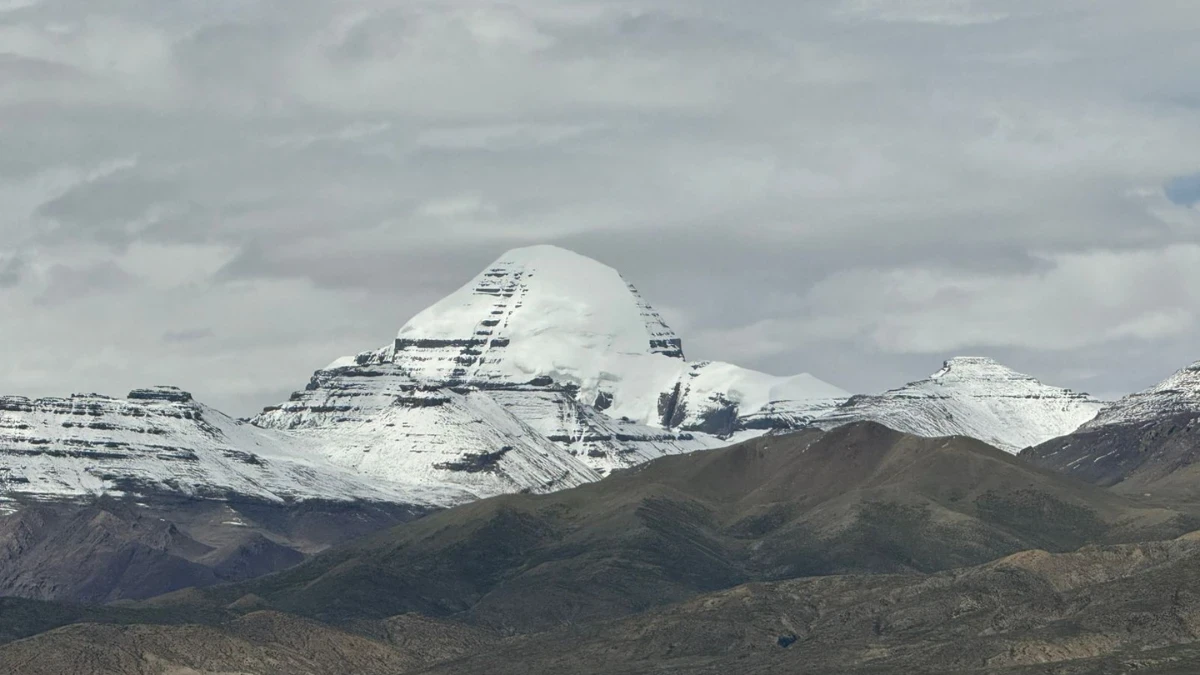
Which Months Are Open for Kailash Yatra?
The Tibet Autonomous Region (TAR) permits for foreign travellers and Indian pilgrims are typically issued between May and September. Outside this window, the region is closed to visitors due to extreme cold, heavy snowfall on passes, and political restrictions that coincide with sensitive dates on the Chinese calendar.
Within this five-month window, each month has a distinct character. Here's what you can expect.
What Is Kailash Like in May?
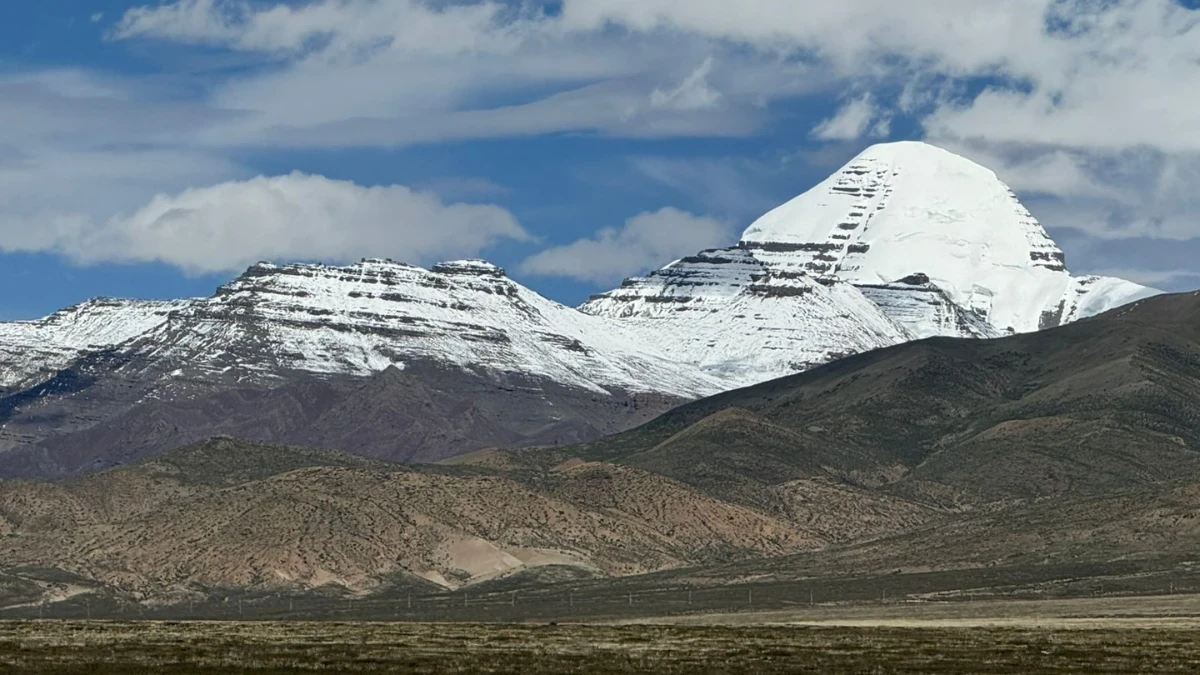
May marks the start of the Kailash season. The overland route from Kathmandu via Kerung border opens up as the snow begins to melt on the higher passes. It's still cold on the Tibetan plateau, but the skies are often crystal clear.
Weather conditions in May:
- Kathmandu: Warm and pleasant, 18-30C. Pre-monsoon showers possible in late May.
- Kerung border (2,800m): Cool mornings around 5-10C, daytime highs of 15-20C. Roads are generally clear.
- Tibetan plateau (4,500-4,800m): Daytime temperatures between 5-15C, dropping to -5 to -10C at night. Strong winds in the afternoon.
- Dolma La Pass (5,630m): Expect temperatures between -10 and -15C at the pass. Snow cover is still significant, but the trail is passable. Wind chill can push the feel well below -20C.
Why choose May: Fewer crowds, excellent visibility, and a more peaceful stay at Lake Mansarovar. The downside is the cold, particularly during the parikrama (circumambulation) around Mount Kailash. You'll need serious cold-weather gear. We provide complimentary duffel bags and down jackets to all our Kailash travellers, which helps considerably at these temperatures.
May is ideal for photographers and those who want a quieter, more contemplative journey. The tourist infrastructure at Darchen (the base town for the Kailash kora) is just waking up, so expect fewer guesthouse options compared to peak season.
June: Saga Dawa and the Fire Horse Year
June is the crown jewel of the Kailash season, and in 2026, it's set to be extraordinary.
Saga Dawa is the most sacred month in Tibetan Buddhism, celebrating the birth, enlightenment, and parinirvana of Buddha. The full moon of Saga Dawa (falling in June 2026) is the single most auspicious day of the year to perform the kora around Kailash. On this day, the famous flagpole ceremony takes place at Tarboche, just below the south face of Kailash, where a massive prayer flag pole is raised while thousands of pilgrims chant and prostrate.
The Fire Horse Year factor: 2026 is the Year of the Fire Horse in the Tibetan 60-year calendar cycle. This is considered enormously auspicious. Performing the Kailash parikrama during a Fire Horse Year is believed to multiply the spiritual merit of the walk. The last Fire Horse Year was 1966, when the Cultural Revolution made pilgrimage impossible. So 2026 represents the first accessible Fire Horse Year in living memory for many Tibetan Buddhists.
For Hindu devotees, performing darshan of Kailash and bathing in Mansarovar during this period carries immense religious significance, particularly around Vat Purnima and the lead-up to Guru Purnima.
Weather conditions in June:
- Kathmandu: Monsoon begins in earnest. Expect heavy rain, 22-30C, high humidity.
- Kerung border: Rainy on the Nepal side of the border. Landslide risk increases. Temperatures 10-22C.
- Tibetan plateau: Warmer than May, 8-18C during the day, -2 to -8C at night. Occasional afternoon thunderstorms, but the rain shadow effect means Tibet gets far less rain than Nepal.
- Dolma La Pass: -5 to -12C. Less snow than May, but afternoon cloud build-up is common. Early morning starts are essential.
Why choose June: Spiritual significance is unmatched. The atmosphere at Kailash during Saga Dawa is electric. You'll share the trail with Tibetan, Indian, and Nepali pilgrims, and the whole kora feels communal.
The catch: June is the most crowded month. Guesthouses in Darchen fill up quickly. The Nepal side of the walk (Kathmandu to Kerung) can be disrupted by early monsoon rains and potential landslides on the Friendship Highway. Book well in advance. For the Fire Horse Year, we recommend securing your spot at least 4-6 months ahead. Our Kailash helicopter option avoids the Nepal road section entirely, which removes the landslide risk.
July-August: Monsoon Season, but Tibet Stays Drier
Many people write off July and August for Kailash, but that's a mistake. While Nepal is soaked in monsoon rain, the Tibetan plateau sits in a rain shadow and receives significantly less precipitation.
Weather conditions in July-August:
- Kathmandu: Full monsoon. Heavy daily rain, 23-30C, flooding possible in low-lying areas.
- Kerung border: This is the highest-risk section. Monsoon rains cause frequent landslides between Kathmandu and the border. Road closures of 1-3 days are not uncommon. Temperatures are mild, 12-24C.
- Tibetan plateau: The warmest months on the plateau. Daytime temperatures reach 15-22C, nights stay around 0-5C. Afternoon thunderstorms are brief but can be intense. Hail is possible.
- Dolma La Pass: The warmest conditions you'll get at the pass, -2 to -8C. Less snow, but the trail can be muddy in sections. Cloud cover is more frequent.
Why choose July-August: These are the warmest months for the actual kora, which makes the physically demanding Dolma La crossing more comfortable. Crowds thin out after Saga Dawa, so you'll find a good balance between accessibility and solitude. Group sizes tend to be smaller, and there's more flexibility with accommodation in Darchen and along the kora route.
There's a practical advantage too. Because it's considered "off-peak" within the season, some operators offer lower prices for July-August departures. The trade-off is the road risk on the Nepal side. If you're considering the Simikot route, July-August is actually prime season for that approach (more on this below).
One thing to note: the ongoing Iran fuel crisis has pushed up domestic flight costs across Nepal. Flights to Nepalgunj and Simikot have seen fuel surcharges added, which affects the total cost of the Simikot route in particular. Check our Kailash cost guide for the latest pricing breakdown.
September: Last Chance, Clear Skies
September is the closing act of the Kailash season, and it's a beautiful one. The monsoon retreats from Nepal by mid-September, and the Tibetan plateau enjoys some of its clearest skies of the year. But the cold is returning.
Weather conditions in September:
- Kathmandu: Monsoon fading. Clearer skies return, 20-28C. The city feels refreshed.
- Kerung border: Road conditions improve dramatically as rain decreases. 8-18C.
- Tibetan plateau: Cooling rapidly. Daytime 5-14C, nights -5 to -12C. The air is exceptionally clear, with visibility stretching for hundreds of kilometres.
- Dolma La Pass: Cold is back. -8 to -15C at the pass. Fresh snow is possible from mid-September. Early season closures can happen if heavy snow arrives.
Why choose September: The clarity is remarkable. Kailash's north face, reflected in Mansarovar, is at its most photogenic. The crowds have gone home. You might find yourself one of only a handful of groups at the lake.
The risk: The season can end abruptly. Chinese authorities may close permits earlier than expected, and early snowfall on Dolma La can make the kora impossible. If you're planning a September departure, aim for the first two weeks. Late September is genuinely risky.
Overland vs Helicopter: Does Timing Matter Differently?
Yes, and it matters more than most people realise.
The overland route from Kathmandu to Kailash follows a road that crosses into Tibet at Kerung (formerly Rasuwa Gadhi). This road passes through the Trishuli river valley on the Nepal side, which is extremely susceptible to monsoon landslides. In July-August, road closures are a genuine concern that can delay your journey by days.
The helicopter route bypasses the Nepal road section entirely. You fly from Kathmandu to Hilsa (or Simikot), then cross into Tibet. This means monsoon road conditions are largely irrelevant to your journey. For July-August travellers, the helicopter option offers significantly more reliability.
However, the helicopter route has its own timing considerations. Weather windows for helicopter flights in mountainous terrain are best in the early morning. Monsoon afternoons bring cloud build-up that can ground flights. May and September, with their clearer skies, offer the most reliable helicopter schedules.
For a detailed comparison, read our helicopter vs overland route guide.
When Should You Take the Simikot Route to Kailash?
The Kailash trek via Simikot is a completely different beast. Instead of driving from Kathmandu to Kerung and then across Tibet, you fly to Simikot in far-western Nepal, trek through the remote Humla region, cross the border at Hilsa, and enter Tibet from the west.
This route adds 5-7 days of trekking through some of Nepal's most isolated and beautiful landscapes. But it also shifts the optimal timing.
Best months for the Simikot route: June to September
The Simikot route passes through lower elevations in the Humla valley (2,900-3,600m) before climbing to the border at Hilsa (3,600m). The trekking sections need the trails to be clear of winter snow, which doesn't happen until June. The monsoon is less severe in the rain shadow areas of Humla, making July and August perfectly doable.
September is excellent for the Simikot route. The trails are dry, the skies are clearing, and the autumn colours in the Humla valley are gorgeous. Some trekkers consider this the finest time for the Simikot approach.
May is generally too early for the Simikot route. Snow on the Nara La pass (4,580m) between Simikot and Hilsa can make the trek dangerous or impossible in early May.
As mentioned, the fuel crisis has increased flight costs to Nepalgunj and onward to Simikot. Budget an additional 15-20% on domestic airfare compared to pre-crisis rates. Despite this, the Simikot route remains the most adventurous and spiritually rewarding approach for those with the time and fitness.
Temperature Summary by Month
Here's a quick reference for planning your gear and expectations:
| Location | May | June | July-Aug | September |
|---|---|---|---|---|
| Kathmandu (1,400m) | 18-30C | 22-30C | 23-30C | 20-28C |
| Kerung (2,800m) | 5-20C | 10-22C | 12-24C | 8-18C |
| Tibetan Plateau (4,500m) | -10 to 15C | -8 to 18C | 0 to 22C | -12 to 14C |
| Dolma La Pass (5,630m) | -15 to -10C | -12 to -5C | -8 to -2C | -15 to -8C |
Pack for the coldest scenario, not the average. Night temperatures on the plateau can drop suddenly, and the wind chill at Dolma La is brutal. Check our packing guide for a full gear list.
Festivals and Auspicious Dates in 2026
For many travellers, the Kailash Yatra is a pilgrimage first and a trek second. Timing your visit around auspicious dates adds a deeper layer of meaning.
Key dates for 2026:
- Saga Dawa Full Moon (June 2026): The single most important date for Buddhist pilgrims. The flagpole ceremony at Tarboche, the mass kora, and the palpable energy of thousands of devotees make this extraordinary.
- Vat Purnima (June 2026): Significant for Hindu married women. Performing puja at Mansarovar on this day is considered highly auspicious.
- Guru Purnima (July 2026): Dedicated to spiritual teachers. Many Hindu and Buddhist groups time their yatra to coincide with this full moon.
- Raksha Bandhan (August 2026): The sacred thread festival. Pilgrims at Mansarovar often perform a special ceremony on this day.
- Fire Horse Year (all of 2026): The entire year is considered extraordinarily auspicious in the Tibetan calendar. Any kora performed during a Fire Horse Year is said to carry 13 times the merit of a regular year.
If spiritual significance is your primary motivation, June is the clear winner. But any month during the Fire Horse Year carries amplified merit.
When to Book Your 2026 Kailash Yatra
The short answer: as early as possible.
Tibet permits are controlled by the Chinese government and processed through authorised agencies. The permit process takes 15-30 days, and during peak season, there are capacity limits on how many groups can be at Kailash simultaneously.
Recommended booking timelines:
- June (Saga Dawa) departures: Book 4-6 months in advance. This is non-negotiable for 2026. The Fire Horse Year means demand will be significantly higher than normal years. Groups are already filling for June.
- May and September departures: Book 3-4 months in advance. These shoulder months have more availability, but permit processing still takes time.
- July-August departures: Book 2-3 months in advance. These months have the most flexibility, but don't leave it to the last minute, especially in a Fire Horse Year.
For the Simikot route, add an extra month to these timelines. The logistics of arranging domestic flights, porters, and camping equipment in Humla require additional lead time.
Ready to start planning? Book your Kailash Yatra or get in touch with our team. You can also reach us directly on WhatsApp at +977 9810351300 for a quick chat about dates and availability.
How Altitude Affects Your Timing Decision
The Kailash kora peaks at 5,630m on the Dolma La Pass. That's higher than Everest Base Camp. Altitude sickness is a real concern, and the month you choose affects your acclimatisation.
In May and September, the colder temperatures and lower air pressure make altitude effects more pronounced. Your body works harder to stay warm AND to cope with thin air simultaneously. If you have any concerns about altitude, July-August offers marginally better conditions because the warmer temperatures reduce the double burden on your body.
Regardless of when you go, proper acclimatisation is non-negotiable. Our itineraries build in rest days at Lake Mansarovar (4,590m) before attempting the kora. This gives your body time to adjust before pushing to Dolma La. Read our detailed altitude sickness prevention guide for practical tips.
The Best Month for Each Type of Traveller
Let's cut to the chase. Here's our honest recommendation based on what matters most to you:
- Spiritual pilgrims (Hindu or Buddhist): June. No question. Saga Dawa + Fire Horse Year is a rare convergence.
- Photographers and mountain lovers: May or September. Clear skies, dramatic light, fewer people.
- Budget-conscious travellers: July-August. Slightly lower costs, smaller groups, warmest conditions for the kora.
- Adventure trekkers (Simikot route): September. Dry trails, autumn colours, clear passes, and the full trekking experience through Humla.
- First-timers worried about altitude: July-August. Warmer temperatures ease the altitude burden.
- Those with limited time: Any month, via helicopter. The heli option cuts travel days significantly and avoids road risks entirely.
Why Book Your Kailash Yatra With Us?
We've been running Kailash Mansarovar Yatras from Nepal for years, and our team knows this route inside and out. Here's what sets us apart:
- A family of Himalayan guides across three generations. Our roots in Nepal's mountains go back three generations. We're not a faceless booking platform.
- Government-licensed operator. Registration number 147653, TAAN member #1586. We're fully authorised to operate in restricted areas including Tibet.
- Over 300 reviews on TripAdvisor, Google and Trustpilot from travellers who've trusted us with their Himalayan journeys.
- Secure payments through Himalayan Bank. Card payments are processed securely through Himalayan Bank. If your plans change, we reschedule free to any date within a year with 7 days' notice. The deposit itself is not refunded if you cancel. If we cannot run your trip, we refund what you paid less taxes, bank and card charges and any money already spent on permits or flights.
- Complimentary duffel bags and down jackets provided for all Kailash travellers. You don't need to worry about sourcing high-altitude gear.
- Experienced Kailash guides who know the Tibet permit process, Chinese regulations, and every guesthouse and campsite along the route.
Learn more about our team or jump straight to booking your trip.
Common Questions About Kailash Timing
What is the best month for Kailash Mansarovar Yatra in 2026?
June 2026 is the best month overall. It combines the Saga Dawa festival (the most sacred Buddhist full moon) with the Tibetan Fire Horse Year, which occurs only once every 60 years. The weather is moderate, and the spiritual atmosphere is unmatched. For trekkers who prefer solitude and clear skies, May and September are also excellent choices.
Is the Kailash Yatra possible during monsoon season?
Yes. July and August are monsoon months in Nepal, but the Tibetan plateau sits in a rain shadow and receives far less rainfall. The main challenge is the road between Kathmandu and the Kerung border, where landslides can cause delays. The helicopter route avoids this road entirely. If you choose the overland route in monsoon, build in 1-2 buffer days for potential road delays.
How cold does it get at Dolma La Pass?
Dolma La (5,630m) is the highest point of the Kailash parikrama. Temperatures range from -2C in July-August to -15C in May and September. Wind chill can push the feel significantly lower. We provide down jackets and duffel bags free of charge, and we recommend layering with thermal base layers, fleece, and a windproof outer shell. Start the Dolma La crossing before dawn to avoid afternoon winds.
Why is 2026 special for the Kailash Yatra?
2026 is the Tibetan Fire Horse Year, part of the 60-year cycle in the Tibetan calendar. Performing the kora around Mount Kailash during a Fire Horse Year is believed to multiply spiritual merit by 13 times. The previous Fire Horse Year (1966) was inaccessible due to the Cultural Revolution, making 2026 the first accessible Fire Horse Year in over half a century. Demand for permits and accommodation is expected to be significantly higher than normal.
Should I take the overland or helicopter route?
It depends on your priorities. The overland route is more affordable and lets you discover the gradual transition from Nepal's green valleys to Tibet's stark plateau. The helicopter route saves 2-3 days of travel, avoids monsoon road risks, and is better for those with limited time. In May and September, both routes work well. In July-August, the helicopter route is more reliable. Read our full route comparison for details.
How far in advance should I book for the 2026 Fire Horse Year?
For June 2026 (Saga Dawa), book at least 4-6 months in advance. Groups are already forming. For May and September, 3-4 months is sufficient. For July-August, 2-3 months works, but don't gamble in a Fire Horse Year. Tibet permits take 15-30 days to process, and capacity at Kailash is limited by Chinese authorities. Contact us to check current availability.
What about the Simikot route? When is best?
The Simikot route has a slightly different season. June to September is best, with September being the standout month for trekking conditions. May is often too early due to snow on the Nara La pass. Note that domestic flight costs to Nepalgunj and Simikot have increased recently due to fuel surcharges from the Iran crisis, so budget accordingly.
What is the best time to visit Nepal overall?
For general travel and trekking in Nepal, October-November (autumn) and March-May (spring) are the peak seasons. However, the Kailash Yatra follows a different calendar because it depends on Tibet being open. For broader travel planning, read our complete Nepal timing guide.
What Is the Single Best Month for Kailash?
The Kailash Mansarovar Yatra is one of those journeys that changes people. The sacred mountain, the stillness of Mansarovar at dawn, the physical challenge of Dolma La, the devotion of fellow pilgrims. Choosing the right time amplifies every part of that experience.
For 2026, the Fire Horse Year makes every departure special. But if you can swing June and the Saga Dawa full moon, you'll witness something that won't repeat in our lifetimes.
Have questions about timing, routes, or availability? Drop us a message on WhatsApp at +977 9810351300 or fill out our enquiry form. We respond within a few hours, usually faster.
Written by Shamjhana Basukala for The Everest Holiday. Last updated May 2026.
The permit window runs May to September. See our Kailash Mansarovar Tour for departure dates and pricing, or the Kailash Helicopter Tour for a shorter option.
Indian travellers should also see our Nepal trekking from India guide for the broader Nepal options available in each season.
Picked your Kailash month? Our Kailash Mansarovar Overland 14 Days has 13 fixed departures across the May-September window. Saga Dawa (May-Jun) and post-monsoon (Aug-Sep) are most popular. Pricing on request. WhatsApp us to lock in dates.

 Chat with Shreejan