
The ten most common first-time trekking mistakes from boots to altitude to packing. Honest advice from guides who see these every season.
Govt Regd. No.: 147653/072/073
Travel Agency Licence: 2838/072
10 Mistakes First-Time Nepal Trekkers Make (and How to Avoid Them)

Why Do First-Time Trekkers Keep Making the Same Mistakes?
Because nobody tells them what actually goes wrong. Every trekking company talks about how beautiful the Himalayas are. Nobody mentions the blisters from new boots, the sleepless night at 4,000m because you drank three cups of coffee, or the moment you realise your "waterproof" jacket is anything but.
I have watched trekkers make these mistakes for years. Some are funny in hindsight. Others genuinely ruin trips. Here are the ten I see most often, and how to avoid every single one.
How do you break in hiking boots before a Nepal trek?
This is the most common mistake and the most preventable. At least three or four trekkers on every group trip arrive in Kathmandu with brand-new boots still stiff from the box. By day two, they have blisters the size of coins on both heels.
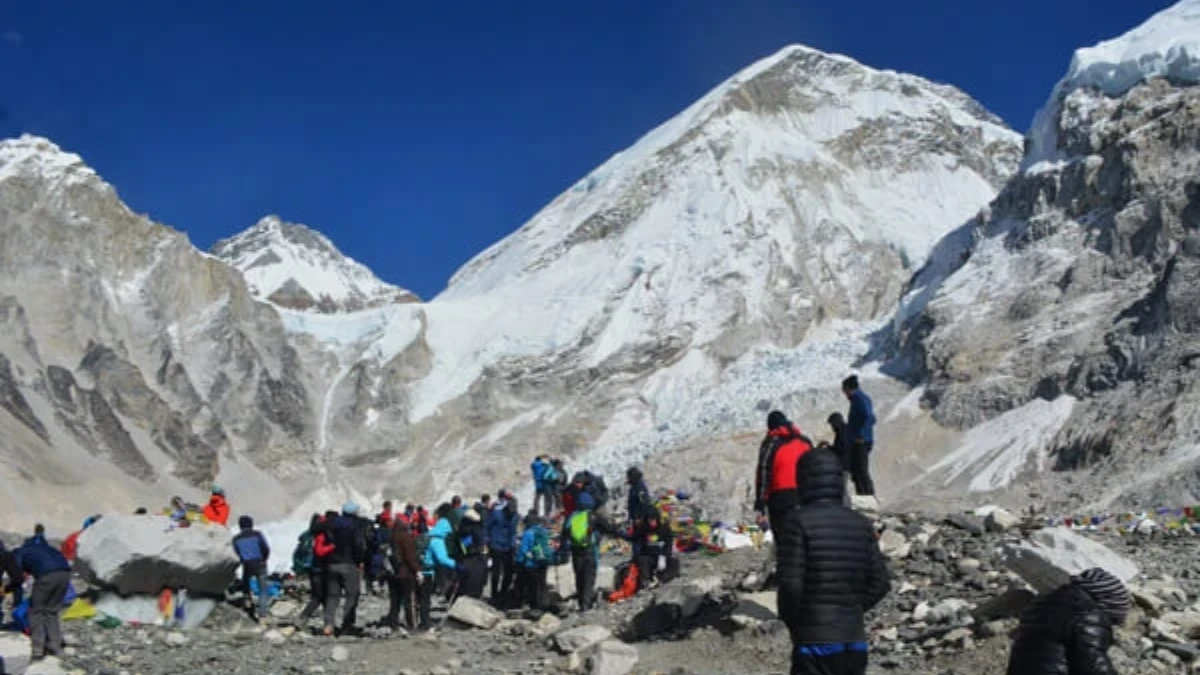
Your boots need at least 80 to 100 kilometres of walking before they are trek-ready. That means wearing them on training walks, to the shops, around the neighbourhood, anywhere. The leather or synthetic material needs to mould to your foot. If you are leaving in less than two weeks and your boots are new, wear them every single day until you fly.
For a full gear guide, see our EBC packing list.
How much should you pack for a Nepal trek?
Your porter or yak carries your main duffel (we provide the duffel bag free of charge on the Standard and Luxury tiers, and the sleeping bag and down jacket free on every tier), but there is still a weight limit, typically 15kg. I have seen people arrive with 25kg of gear including a full-size towel, three novels, a pillow from home, and enough clothes for a month-long expedition.
Here is the truth: you wear the same base layers for most of the trek, washing them when you can. You need far fewer clothes than you think. The key items are layers (base, insulating, waterproof), good socks, and a warm sleeping bag liner. Everything else is negotiable.
What you should not cut: a good down jacket. We provide one free of charge on every tier, along with the duffel bag on the Standard and Luxury packages, so that is less to buy and pack.
How fast should you walk on a Nepal trek?
Adrenaline is a dangerous thing. You land in Lukla, the mountains are right there, and you want to charge ahead. But the first three days are when your body starts adjusting to altitude. Walk too fast and you outpace your acclimatisation. The result: headaches, nausea, and sometimes a forced descent that ends your trek early.
Our guides have a saying: "Walk like a grandparent." Slow, steady, and deliberate. If you can hold a conversation while walking, your pace is right. If you are breathing hard, you are going too fast. There is no prize for reaching camp first, and the person who arrives last but feels good is doing it better than the person who sprints in and collapses.
Read more about altitude sickness and how to prevent it.
How much water should you drink trekking at altitude?
At altitude, your body loses water faster than at sea level. Breathing harder, dry mountain air, and physical exertion all increase fluid loss. Most first-time trekkers drink about half of what they should.
Aim for 3 to 4 litres per day above 3,000m. That sounds like a lot, but it includes tea, soup, and anything else liquid. Carry a water bottle and sip constantly, do not wait until you are thirsty. Dehydration mimics altitude sickness symptoms, so staying hydrated is genuinely one of the simplest ways to have a better trek.
A tip from our guides: if your urine is dark yellow, you are not drinking enough. Clear or pale yellow means you are on track.
Why do you need acclimatisation days on a trek?
Some trekkers see the rest days at Namche Bazaar or Dingboche as wasted time. They ask if they can skip them and push ahead. The answer is always no, and for good reason.
Acclimatisation days are not rest days. They are the days your body builds extra red blood cells, adjusts to lower oxygen, and prepares for higher altitude. The standard protocol is "climb high, sleep low", you hike to a higher point during the day, then return to sleep at a lower elevation. This teaches your body to function with less oxygen.
Skipping these days dramatically increases your risk of Acute Mountain Sickness. We have seen fit, young, experienced hikers forced to turn back because they pushed too hard. The acclimatisation schedule exists because it works.
What are early symptoms of altitude sickness when trekking?
Mild headache? Could be altitude. Slight nausea? Could be altitude. Loss of appetite? Definitely could be altitude. First-time trekkers often dismiss these as tiredness or dehydration and push on regardless.
The golden rule: if you feel unwell above 3,000m, assume it is altitude-related until proven otherwise. Tell your guide immediately. Mild symptoms are manageable, rest, hydration, and a slower pace usually resolve them. But mild symptoms ignored can escalate into serious altitude sickness within hours.
Our guides carry oximeters and check every trekker's blood oxygen levels twice daily. This is not optional on our treks, it is standard procedure. Catching problems early is the difference between a minor inconvenience and a helicopter evacuation.
How much cash should you bring for a Nepal trek?
There are no ATMs above Namche Bazaar. Let me say that again: no ATMs above Namche. If you plan to buy bottled water, snacks, extra meals, hot showers, Wi-Fi access, or souvenirs (and you will want at least some of these), you need cash.
Budget roughly $15 to $25 per day for extras on top of what your package includes. For a 12-day EBC trek, that means $180 to $300 in Nepali rupees. Exchange money in Kathmandu before you fly to Lukla, the rate is far better than in the mountains, where shops charge whatever they like.
For a full cost breakdown, check our Nepal trekking cost guide.
What is the best season to trek in Nepal?
Nepal has two peak trekking seasons: spring (March to May) and autumn (September to November). Trekking outside these windows is possible but comes with trade-offs that first-time trekkers are often not prepared for.
Monsoon season (June to August) brings heavy rain, leeches on lower trails, and obscured mountain views. Winter (December to February) is cold, with snow blocking high passes and some teahouses closed. If this is your first trek, stick to the peak seasons. You will have better weather, more open teahouses, and a livelier trail atmosphere.
That said, shoulder months like early March or late November can be excellent, fewer crowds with still-reasonable weather. Our best time to trek guide breaks this down month by month.
Do you need travel insurance for high-altitude trekking in Nepal?
Standard travel insurance does not cover trekking above 3,000m or helicopter evacuation. You need a policy that explicitly covers high-altitude trekking and emergency evacuation by helicopter. Without it, an emergency evacuation costs $3,000 to $5,000 out of pocket.
We have had trekkers arrive without insurance and say "I will be fine." One of them needed a helicopter from 4,800m three days later. He was fine, but the bill was not.
Get a policy that covers trekking to at least 6,000m (this covers EBC, Annapurna Circuit, and most standard treks). World Nomads, Global Rescue, and Battleface all offer suitable policies. Buy it before you leave home, not after you arrive in Nepal.
10. Expecting Hotel-Level Comfort
Teahouses are not hotels. They are family-run lodges along the trail that provide a bed, a dining room, and basic toilet facilities. Above 4,000m, the rooms are small, the walls are thin, the toilets are often squat-style, and hot showers cost extra (and sometimes do not work).
This is not a complaint, it is the reality of trekking in a remote mountain region where everything arrives on the back of a porter or a yak. The teahouse system is remarkable for what it is: warm food and shelter in some of the most extreme terrain on earth.
The trekkers who enjoy it most are the ones who adjust their expectations. Bring a sleeping bag liner for warmth, earplugs for noise, and a headtorch for night-time toilet trips. And appreciate the fact that you are sleeping at 5,000m with a hot meal in your stomach: very few places in the world offer that.
If comfort matters to you, our luxury lodge trekking guide explains the upgraded options available on some routes.
How Do You Avoid All of These?
Honestly, most of these mistakes come down to one thing: preparation. Train properly, pack light, break in your boots, buy insurance, and listen to your guide. The Himalayas are not trying to hurt you, but they do not forgive carelessness either.
If you are planning your first trek and want guidance from people who do this every day, message us on WhatsApp. We will help you choose the right trek, the right season, and the right preparation plan. No pressure, no sales pitch, just honest advice from a family that has been guiding in these mountains for three generations.
Browse our full range of Nepal trekking packages to find the right trek for your experience level and budget.
First-time mistakes? Book with private group + family-run. Our Everest Base Camp Trek (12 Days) is private (your group only, no strangers), 2027 dates open, From USD $1399. WhatsApp us for tailored 2027 dates and current departures.
Planning a trip to Nepal?
Drop us your details and tell us what you have in mind. We will put together a personalised plan and get back to you.
Not sure which Nepal trek is right for you?
Take our free 2-minute quiz and get personalised recommendations based on your fitness, experience, and travel style.
Find Your Perfect Trek →Need Help? Call Us+977 9810351300orChat with us on WhatsApp
Latest Travel Blogs
Trekking in Nepal in September 2027: Weather, Best Treks and Departures
Plan a September 2027 trek in Nepal: monsoon-tail weather, why Upper Mustang works, which treks to avoid and our departures on 6, 13, 20 and 27 September.
Read More
Trekking in Nepal in March 2027: Weather, Best Treks and Departures
Plan a March 2027 trek in Nepal: weather figures, the treks that suit the month, crowds, festivals and our departures on 8, 15, 22 and 29 March.
Read More
Trekking in Nepal in April 2027: Weather, Best Treks and Departures
Plan an April 2027 trek in Nepal: weather figures, the treks that suit the month, crowds, the Manthali flights and our departures on 5, 12, 19 and 26 April.
Read More Chat with Shreejan