
The same mountain. The same trail. The same sunrise over the Himalayas. But a budget trek costs USD 450 and a luxury lodge trek costs USD 3,500. What does the extra three thousand dollars buy? More than you think, but also less than the brochure implies.
| Budget | Standard | Luxury | |
|---|---|---|---|
| Porter | None, carry your own bag | 1 per 2 trekkers | 1:1 dedicated |
| Rooms | Standard teahouse, shared bathroom | Best teahouse, private room | Premium lodge, private en-suite |
| Meals on trek | Pay as you go | All meals included | All meals plus extras |
| Free gear | Down jacket + −15°C sleeping bag | + duffel bag | + duffel bag |
| Lukla transport (EBC) | Fixed-wing | Fixed-wing | Round-trip helicopter |
| EBC 12-day, from | USD 1,399 | USD 2,499 | USD 4,999 |
What Does a Budget Trek Include?
A budget trek through a registered Nepal company includes a licensed guide, accommodation in standard teahouses, all permits, and ground transport to and from the trailhead. On our own budget tier there is no porter, so you carry your own bag, and you buy your meals at the teahouses as you walk rather than paying for them up front. A sleeping bag rated to minus fifteen and a down jacket are still provided free on every tier, with a duffel bag on the Standard and Luxury packages. For the Everest Base Camp trek, our budget tier is USD 1,399 per person.
Standard teahouses are basic but functional. You get a private room with twin beds, a foam mattress, and a blanket. Walls are thin plywood. Toilets are shared, usually squat-style below 3,500 metres and Western-style above. Hot showers cost extra (NPR 300-500) and are solar-heated: warm in the afternoon, cold by evening. The dining room has a central stove that everyone gathers around after dark.
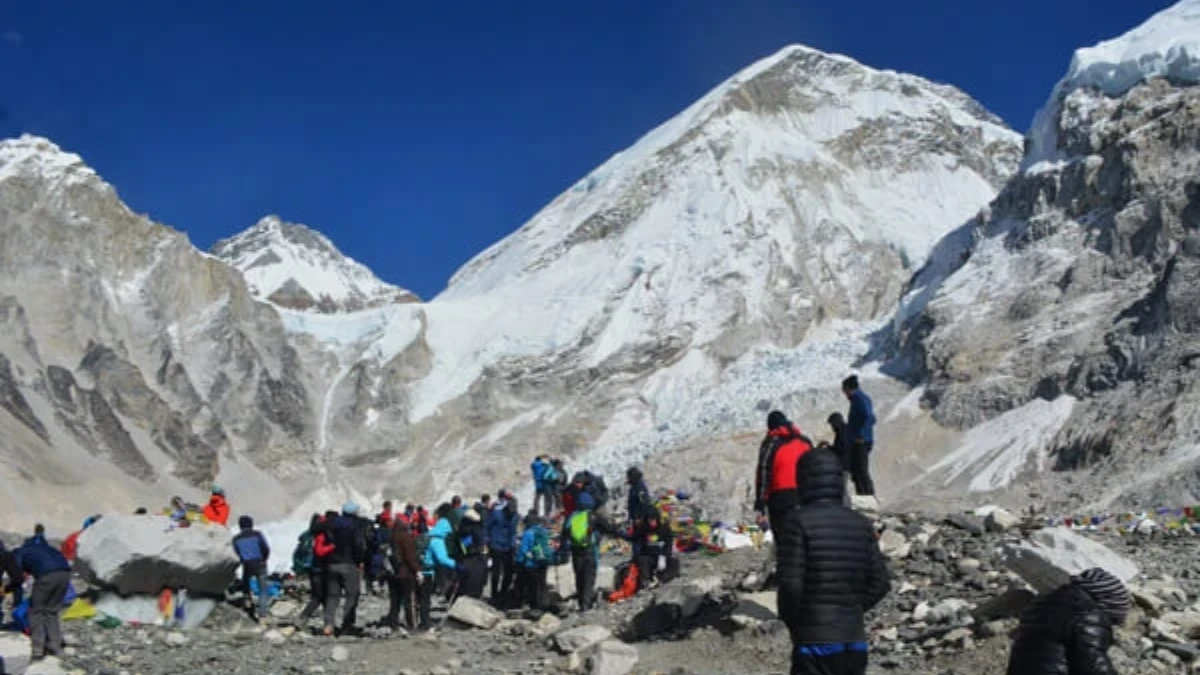
The food is good. Dal bhat is unlimited refills of rice, lentil soup, vegetables, and pickle. You eat it twice a day and it powers you up every hill. Eggs, noodles, pancakes, and momos are available at most teahouses. The cooking is clean and the portions are generous. You will not go hungry on a budget trek.
The guide speaks English, knows the trail, manages your permits, handles teahouse bookings, and monitors your health for altitude sickness. The porter carries up to fifteen kilograms of your gear in a large duffel, freeing you to walk with a light daypack. This is the core trekking experience that Nepal has offered since the 1970s.
What Does a Luxury Lodge Trek Include?
A luxury lodge trek replaces standard teahouses with purpose-built lodges that have private en-suite bathrooms, hot showers on demand, heated rooms, and restaurant-quality meals. The guide-to-trekker ratio drops from one guide per four to one guide per two. The pace is gentler. The daily distances are shorter. And the evenings include wine, three-course dinners, and sometimes a massage.
The lodges are owned and operated by specialist high-altitude lodge operators who have invested in infrastructure that standard teahouses cannot match. Rooms have proper beds with duvets, not foam mattresses with blankets. Bathrooms have hot water that runs continuously, not solar-heated trickles. Some lodges have underfloor heating, a luxury that feels absurd until you have spent a night shivering at 3,800 metres.
For the Everest region, luxury lodges exist along the route from Lukla to Namche to Tengboche to Kongde. The Annapurna region has luxury lodges on the Poon Hill and ABC routes. Langtang does not have luxury lodges; it is teahouse or camping only.
A luxury lodge trek on the EBC or Annapurna route costs USD 2,500 to 4,000 per person depending on the operator, duration, and season. Our Luxury EBC package offers the best available rooms, a senior guide, all equipment, and an upgraded stay at a fraction of the international operator price.
What Is the Same on Both Treks?
The trail. The mountains. The altitude. The sunrise. The physical effort. The sense of achievement. Budget trekkers and luxury trekkers walk the same path, breathe the same thin air, and see the same view from Kala Patthar. No amount of money changes the mountain.
Altitude sickness affects budget and luxury trekkers equally. The acclimatisation schedule is the same. The passes are the same height. The weather does not check your booking tier before deciding whether to snow.
The guides on budget treks are often the same people who guide luxury treks: they switch between clients and companies seasonally. A good guide is a good guide regardless of which package you booked.
What Actually Changes Between Budget and Luxury?
Sleep quality. This is the biggest real difference. A warm room with a proper bed and a sealed window means better sleep, which means better recovery, which means better performance at altitude. Poor sleep is the main complaint of budget trekkers above 3,500 metres. Luxury trekkers sleep better and feel better the next day.
Bathroom comfort. A private en-suite bathroom versus a shared squat toilet at 3am when it is minus ten outside. This matters more than people expect.
Food variety. Budget teahouse menus are limited to what can be cooked on a gas stove at altitude. Luxury lodges have more ingredients, more variety, and trained cooks. The difference is real but not dramatic: dal bhat is excellent food regardless of the setting.
Pace and flexibility. Luxury treks tend to have shorter walking days and more rest days. Budget treks follow a tighter schedule to keep costs down. If you want to linger at a viewpoint or take an extra acclimatisation day, the luxury schedule accommodates this more easily.
Exclusivity. Luxury lodges have fewer guests. You share the dining room with ten people instead of forty. The trail is still shared (everyone walks the same path), but the evenings are quieter and more personal.
Who Should Choose Budget?
Most trekkers. The budget experience is the authentic Nepal trekking experience. Teahouse culture (the shared dining rooms, the card games by candlelight, the conversations with strangers from twenty countries) is part of what makes Nepal trekking special. You lose some of this in a luxury lodge where the group is smaller and the setting more curated.
Budget is also the right choice if you are under 40, physically fit, sleep well in basic conditions, and would rather spend the extra USD 2,000 on a second trek than on nicer rooms for one trek. Two budget treks give you more of Nepal than one luxury trek.
Who Should Choose Luxury?
Trekkers over 50 who want guaranteed comfort at altitude. Couples celebrating an anniversary or honeymoon who want the experience without the roughness. First-time trekkers who are nervous about conditions and want one less thing to worry about. Anyone who knows they sleep poorly in basic accommodation and does not want that to compromise their trek.
Luxury is also the right choice if you have the budget and your time is limited. If you can only do one trek in Nepal and you want the best possible version of that trek, the premium lodges deliver.
Can You Mix Budget and Luxury?
Yes. Our Standard tier upgrades you to the best available rooms at each stop, not full luxury lodges, but the best teahouses on the route. Private rooms, better beds, cleaner bathrooms, and priority booking during peak season. It costs USD 200 to 400 more than budget and captures eighty percent of the comfort improvement at twenty percent of the luxury price.
This is what most experienced trekkers choose. They know that the trail matters more than the room, but they also know that a good night's sleep at 4,000 metres is worth paying for.
See our EBC Trek or ABC Trek for Budget, Standard, and Luxury pricing. All three tiers include the same guide quality, permits, and itinerary; the difference is accommodation and extras.
WhatsApp:+977 9810351300
Email:[email protected]
Written by Shreejan Simkhada, CEO of The Everest Holiday and third-generation Himalayan guide. TAAN Member #1586.
Decided which tier suits you? Our EBC Trek 12 Days ships all three: Budget at USD 1,399, Standard at USD 2,499, Luxury at USD 4,999 (private guide, premium lodges, oxygen on standby). Over 300 reviews on TripAdvisor, Google and Trustpilot. WhatsApp us for a tier breakdown.
 Chat with Shreejan