
Combine yoga with Himalayan trekking. Daily yoga sessions, mountain walks, meditation. What a typical day looks like, no experience needed. Nepal wellness guide.
Govt Regd. No.: 147653/072/073
Travel Agency Licence: 2838/072
Yoga and Trekking in Nepal: Combining Wellness with Himalayan Adventure

Short answer: You can combine yoga and trekking in Nepal on a short trek with sessions at sunrise, or on a tour with gentle walks. Our options are the Poon Hill yoga trek, the 8-day Kathmandu Pokhara yoga tour with sessions at the Shanti Stupa, Sarangkot and Australian Camp, and a 2-day Kathmandu yoga trip. All suit beginners. See our Kathmandu Pokhara yoga tour.
Yoga and Trekking in Nepal: Combining Wellness with Himalayan Adventure
By Shreejan Simkhada | April 2026
I'll be honest. When our first yoga trekking group arrived in 2019, I didn't entirely understand the appeal. I'd been trekking since I was a teenager. My idea of recovery after a long day on the trail was food and sleep, in that order. Stretching happened accidentally when I dropped something.
Then I joined the morning session. 6am, a wooden platform behind the teahouse in Ghandruk, the Annapurna range filling the sky in front of us, frost still on the ground. The instructor talked us through sun salutations while the actual sun rose over Machhapuchhre. By the time we finished, my legs felt looser than they had in years, my breathing was slower and deeper, and the mountain views seemed sharper somehow, as if the yoga had cleared a filter I didn't know was there.
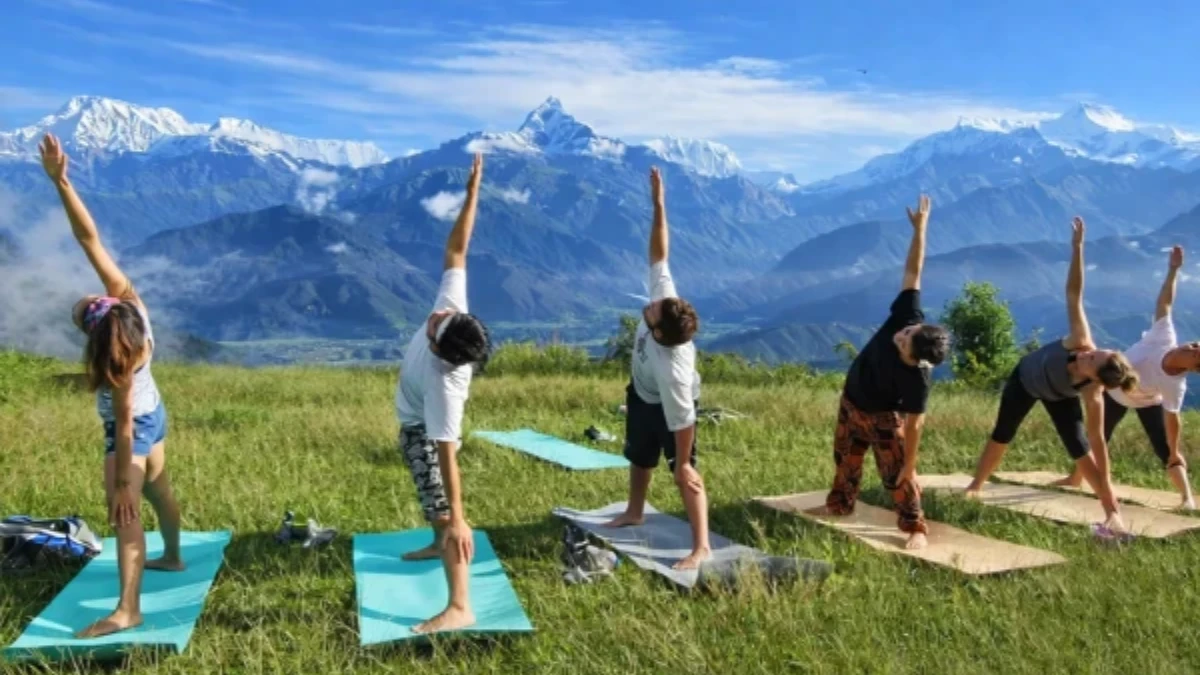
I've been doing yoga before treks ever since. Not because I'm spiritual about it. Because it works.
Why combine yoga with trekking in Nepal?
Trekking is hard on the body in specific ways. Your hip flexors tighten from climbing. Your calves and hamstrings shorten from hours of descent. Your shoulders knot up from carrying a daypack. Your lower back absorbs the impact of every step on uneven ground. After four or five consecutive days of walking, your body starts to protest, and the protests get louder the higher you go.
Yoga addresses exactly these problems. Gentle stretching in the evening loosens the muscles that tightened during the day. Morning yoga warms the body gradually instead of asking cold muscles to climb immediately. Hip openers, hamstring stretches, and spinal twists target the exact areas that trekking compresses.
But the bigger benefit is breathing.
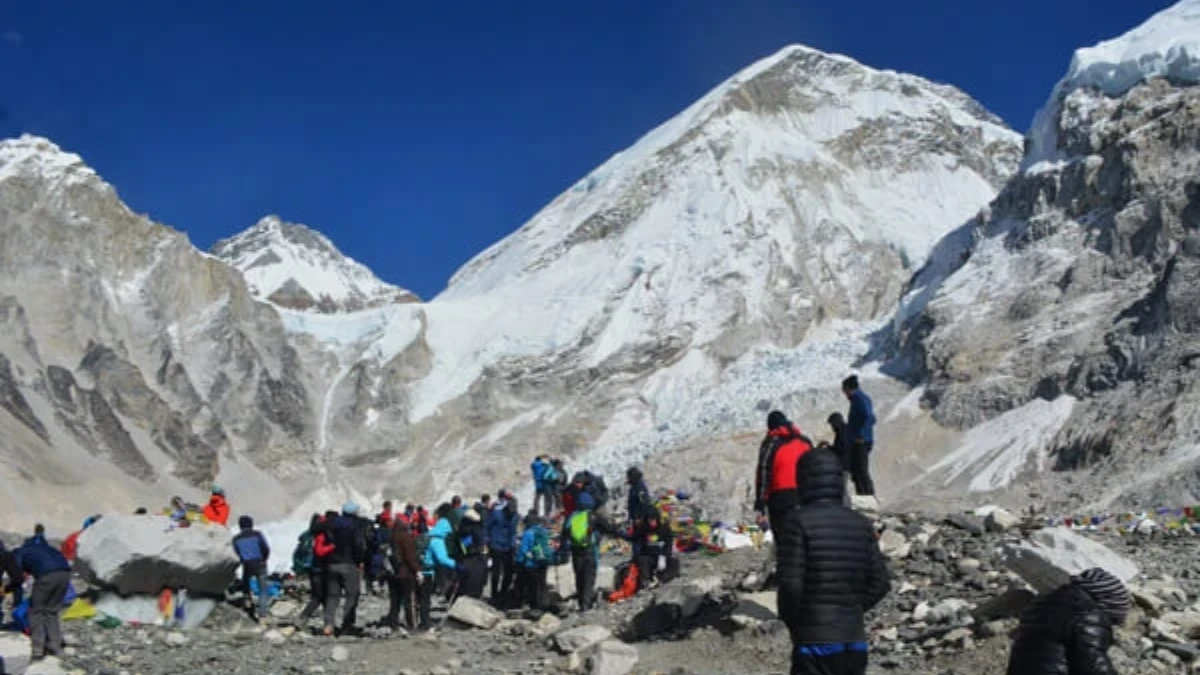
At altitude, breathing becomes conscious. You notice each breath because there's less oxygen in each one. Above 3,000 metres, the air has roughly 30% less oxygen than at sea level. Your body compensates by breathing faster and deeper, but that adjustment takes days. During those days, you're tired, sometimes headachy, and your sleep is disrupted.
Pranayama (yogic breathing exercises) teaches you to breathe efficiently. Deep diaphragmatic breathing, alternate nostril breathing, and controlled exhalation techniques all improve oxygen uptake. I've watched trekkers who practise pranayama handle altitude noticeably better than those who don't. It's not magic. It's physiology. Better breathing mechanics mean better oxygen delivery to muscles and brain.
The mental dimension matters too. Trekking at altitude is a psychological challenge. There are moments when you're exhausted, the trail stretches endlessly upward, and your internal monologue turns negative. Meditation and mindfulness techniques give you tools to manage that. Not to ignore the discomfort, but to observe it without panic.
What yoga trek packages are available in Nepal?
Ghorepani Poon Hill Yoga Trek
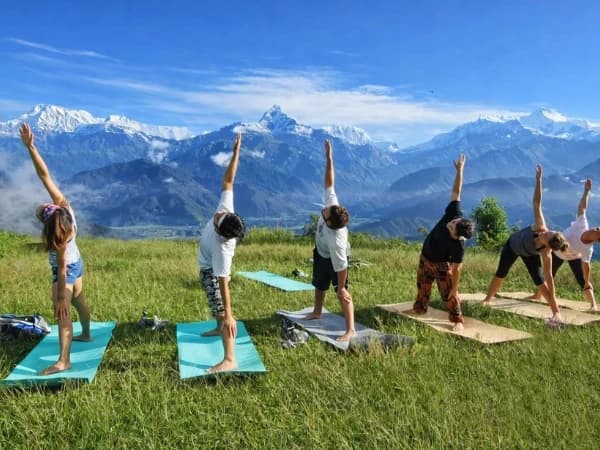
The Ghorepani Poon Hill Yoga Trek is our most popular wellness trek, and it's the one I recommend for first-timers. The trekking route follows the classic Poon Hill circuit through rhododendron forests and Gurung villages, with daily yoga sessions integrated into the itinerary.
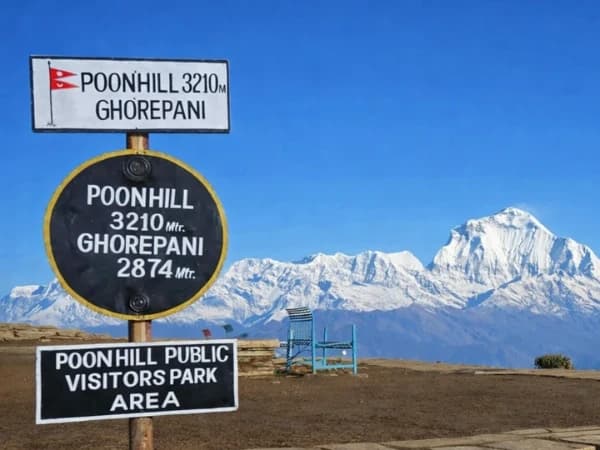
The maximum altitude is 3,210 metres at Poon Hill viewpoint, which is high enough to experience mountain light and thin air without the serious altitude risks of higher treks. The walking days are moderate (four to six hours), leaving time and energy for yoga without feeling rushed.
The sunrise from Poon Hill is one of Nepal's iconic views: a 180-degree panorama of Dhaulagiri, the Annapurnas, Machhapuchhre, and Nilgiri. Doing sun salutations facing that panorama at 5:30am is something you'll remember for the rest of your life. I'm not exaggerating.
Kathmandu-Pokhara Yoga Tour
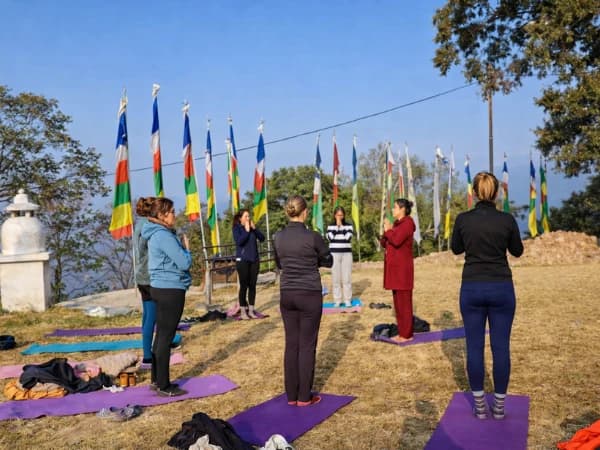
The Kathmandu-Pokhara Yoga Tour is for people who want the yoga-and-Nepal trip without the demanding trekking component. You practise yoga in two of Nepal's most beautiful cities, visit temples and cultural sites, and take in mountain views from lakeside Pokhara without sleeping in teahouses or climbing passes.
This trip works well for people recovering from injury, older travellers, or anyone who simply prefers a gentler pace. The yoga sessions are held in dedicated studios and retreat spaces rather than teahouse floors, which means proper mats, warm rooms, and consistent facilities.
Kathmandu Yoga Tour
Our Kathmandu Yoga Tour focuses entirely on the capital. Kathmandu has a thriving yoga community that most visitors never discover because they're rushing to the mountains. Studios in Thamel, Boudhanath, and Patan offer everything from traditional hatha to modern vinyasa, often with views of stupas or temple courtyards from the practise space.
This tour combines daily yoga with cultural exploration: Pashupatinath Temple, Boudhanath Stupa, Patan Durbar Square, Swayambhunath. It's a good standalone trip or an add-on before or after a trek.
What does a typical day on a Nepal yoga trek look like?
People always ask this, so here's an honest breakdown of a day on the Poon Hill Yoga Trek. Times shift slightly depending on the season and the altitude.
5:30 - 6:00am: Wake up. It's cold. Your sleeping bag is warm. You don't want to get up. Get up anyway.
6:00 - 7:00am: Morning yoga session. This is typically a gentle vinyasa flow or hatha sequence designed to warm the body and open the muscles before walking. The instructor adapts for altitude and the previous day's effort. If the group climbed a lot yesterday, expect more hip openers and hamstring work. If it was a rest day, expect something more energising.
Where does this happen? Wherever there's flat ground with a view. Teahouse rooftops, garden terraces, clearings beside the trail. I've seen sessions conducted on a stone platform overlooking the entire Kali Gandaki valley. The location changes every day, and honestly, the changing backdrop is part of what makes yoga trekking feel so different from a studio.
7:00 - 8:00am: Breakfast. Porridge, eggs, toast, Tibetan bread, fruit, tea or coffee. You'll be hungrier than usual because of the altitude and exercise.
8:00am - 1:00pm: Trekking. Four to five hours of walking with breaks. Your guide sets the pace; the yoga instructor walks with the group and often uses the trail as a teaching opportunity. Mindful walking, attention to breath on steep sections, awareness of posture while carrying a pack.
1:00 - 2:00pm: Lunch at a teahouse. Dal bhat, noodle soup, fried rice. This is the biggest meal of the day.
2:00 - 4:00pm: Rest, explore, read, write, or nap. Some people explore the village. Some sit on a teahouse terrace and stare at the mountains. Both are valid choices.
4:30 - 5:30pm: Evening yoga session. This is gentler than the morning. Restorative poses, deep stretching, guided meditation. The focus is recovery: releasing the day's tension from legs, back, and shoulders. If it's been a hard day, the instructor might spend twenty minutes just on legs.
6:00 - 7:00pm: Dinner. More dal bhat or whatever the teahouse offers.
7:30 - 8:00pm: Tea, conversation, maybe a short guided meditation or breathing exercise before bed. Some people are asleep by 7:30. That's normal. Altitude and exercise are a potent sedative.
What styles of yoga are taught on Nepal yoga treks?
We keep it practical rather than dogmatic. Our instructors are trained in both hatha and vinyasa traditions, and they adapt based on the group's needs and the day's demands.
Hatha yoga focuses on holding poses for longer periods. It builds strength and flexibility steadily and is less physically intense. This is what most morning sessions lean toward, especially at higher altitudes where nobody wants to do a power workout before breakfast.
Vinyasa links poses with breath in flowing sequences. It's more dynamic, generates more heat, and works well for warming up on cold mornings. But at altitude, the pace is slower than a sea-level vinyasa class. Nobody is doing fast sun salutation sequences at 3,000 metres without getting dizzy.
Evening sessions are almost always restorative, regardless of style. The goal is recovery, not exertion.
Do I Need Prior Yoga Experience?
No. Genuinely, no.
About half of our yoga trekking clients have never done yoga before. Some have never even touched a yoga mat. Our instructors start from the basics, explain every pose, offer modifications for different flexibility levels, and never push anyone beyond their comfort zone.
In fact, beginners sometimes get more out of yoga trekking than experienced practitioners. If you've been doing yoga in studios for years, practising on a cold teahouse floor at 2,800 metres with stiff legs is a humbling adjustment. If you've never done yoga at all, every session is a revelation. You discover muscles you didn't know you had, and you realise that touching your toes was never the point.
The one thing I'd suggest for complete beginners: try a single yoga class at home before your trip. Not for skill, but for familiarity. Knowing what downward dog and warrior pose look like will save the instructor time on explanations and give you more time in the actual practice.
Are the yoga instructors on Nepal treks certified?
Our yoga instructors hold internationally recognised certifications (200-hour or 500-hour Yoga Alliance registered training) and have specific experience teaching in trekking and outdoor environments. This matters because teaching yoga outdoors at altitude is different from teaching in a heated studio.
They understand altitude physiology, know which poses to avoid when someone is showing early signs of altitude sickness (inversions, for example, can worsen headaches), and can modify sequences for uneven surfaces, cold conditions, and fatigued bodies. They're also trekkers themselves. They walk the same trail, carry their own gear, and understand the physical demands firsthand.
Yoga at Altitude: The Breathing Connection
Here's something that surprises most people: yoga doesn't just complement trekking at altitude. It actively helps with acclimatisation.
The primary challenge at altitude is reduced oxygen. Your body responds by increasing breathing rate and heart rate. This is normal, but it often feels uncomfortable: shortness of breath, racing pulse, difficulty sleeping.
Pranayama breathing techniques train your body to extract more oxygen from each breath. Deep belly breathing uses your full lung capacity instead of the shallow chest breathing that most people default to under stress. Alternate nostril breathing (nadi shodhana) calms the nervous system, which reduces the anxiety that altitude can trigger. Box breathing (four counts in, four counts hold, four counts out, four counts hold) is a simple technique that our guides teach even on non-yoga treks because it's so effective at managing altitude discomfort.
I'm not claiming yoga prevents altitude sickness. Nothing prevents it with certainty except gradual ascent and proper acclimatisation. But controlled breathing reduces symptoms, improves sleep quality, and helps trekkers feel more comfortable during the adjustment period. I've seen this consistently over years of guiding.
When is the best time for yoga trekking in Nepal?
Spring. Specifically March to early May.
The mornings are cold but not brutally so (5-10°C at 2,500 metres), warming to pleasant temperatures (15-20°C) by mid-morning. The rhododendrons are in bloom, the air smells of flowers and pine, and the light has a soft quality that feels designed for yoga.
Autumn (October-November) is also excellent. Clearer skies, crisper air, and the best mountain views of the year. But mornings are colder, and you'll want more layers during the 6am session.
Summer (June-September) is monsoon season. It rains daily, trails are muddy, and doing yoga on a wet surface is unpleasant. We don't run yoga treks during monsoon.
Winter (December-February) is possible at lower altitudes but cold mornings make outdoor yoga sessions challenging. Indoor practise in Kathmandu and Pokhara works well in winter, which is why the Kathmandu-Pokhara Yoga Tour is a good cold-season option.
Yoga Centres in Kathmandu and Pokhara
Both cities have lively yoga scenes that most travellers never explore.
Kathmandu: The area around Boudhanath Stupa has multiple yoga studios and meditation centres, many connected to Buddhist monasteries. Thamel has drop-in studios catering to travellers, with classes ranging from NPR 500-1,500 ($4-12). The Kopan Monastery above Boudhanath offers meditation courses that draw people from around the world.
Pokhara: Lakeside Pokhara has become a wellness destination in its own right. Yoga studios, Ayurvedic centres, and meditation retreats line the lake. The setting is extraordinary: practising yoga with Machhapuchhre reflected in Phewa Lake is an image that stays with you. Multi-day retreats are available at several centres, combining daily yoga with Nepali cooking classes, hiking, and cultural activities.
We can arrange visits to these centres before or after your trek, or as part of the Kathmandu and Pokhara yoga tours. Related: Nepal Yoga Retreats: Finding Stillness Between the Mountains.
What are the downsides of yoga trekking in Nepal?
I promised honesty, so here it is.
Teahouse floors are cold and hard. You will not be practising on a sprung wooden floor in a temperature-controlled room. You'll be on stone, concrete, or wooden planks that haven't seen insulation since they were trees. Bring a good yoga mat. Your instructor carries one, and we provide mats, but if you have a mat you love, bring it. A travel-sized mat (1.5mm) is too thin for cold stone floors. Bring something at least 4-5mm thick or double up with a blanket underneath.
You will be tired. By day three or four, your legs will ache. The evening yoga session is exactly when you'll want to skip it most, and it's exactly when you need it most. Push through the reluctance. You'll feel better after.
Privacy is limited. Yoga trekking is a group activity. You're practising alongside other people, some of whom may be complete strangers. The teahouse terrace might have locals watching, children giggling, or a mule train passing. If you need absolute solitude for your practice, a retreat centre is a better option. If you can laugh at the chaos, yoga trekking is wonderful.
The food is trekking food, not ashram food. Don't expect raw vegan smoothie bowls at 3,000 metres. You'll eat dal bhat, noodle soup, eggs, and whatever the teahouse kitchen produces. It's good, it's filling, and it's not curated to complement your practice. Bring your own herbal tea if that matters to you.
Who is yoga trekking in Nepal best suited for?
Yoga trekking works for a surprisingly wide range of people. We've had complete beginners in both yoga and trekking who finished the trip converted to both. We've had serious yoga practitioners who hadn't walked more than five miles in years and discovered they loved the trail. We've had couples where one wanted to trek and the other wanted yoga, and the combination satisfied both.
The people it works best for: anyone curious about both movement and mountains, anyone who wants more from a trek than just kilometres covered, and anyone who's tried standard trekking and found the pace too relentless. The yoga sessions give the day a rhythm that pure trekking doesn't have. You're not just walking from A to B. You're paying attention to your body, your breath, and the extraordinary place you're standing in.
Ready to combine yoga with the Himalayas? Browse our yoga treks at theeverestholiday.com/plan-your-trip, or reach out directly.
WhatsApp: +977 9810351300
Email: [email protected]
Shreejan Simkhada is the CEO of The Everest Holiday and a third-generation Himalayan guide. TAAN Member #1586. He started doing morning yoga on treks reluctantly and now can't imagine starting a day on the trail without it.
If you are still choosing between yoga destinations, our Nepal vs India vs Bali yoga retreat cost comparison breaks down where the money actually goes in each country.
Yoga + trekking? Try our Kathmandu Pokhara Yoga Tour. Our Kathmandu Pokhara Yoga Tour (8 Days) is private (your group only, no strangers), 2027 dates open, From USD $1049. WhatsApp us for tailored 2027 dates and current departures.
Planning a trip to Nepal?
Drop us your details and tell us what you have in mind. We will put together a personalised plan and get back to you.
Not sure which Nepal trek is right for you?
Take our free 2-minute quiz and get personalised recommendations based on your fitness, experience, and travel style.
Find Your Perfect Trek →Need Help? Call Us+977 9810351300orChat with us on WhatsApp
Related Trek Packages
 US$1,020
9 DaysMax 20
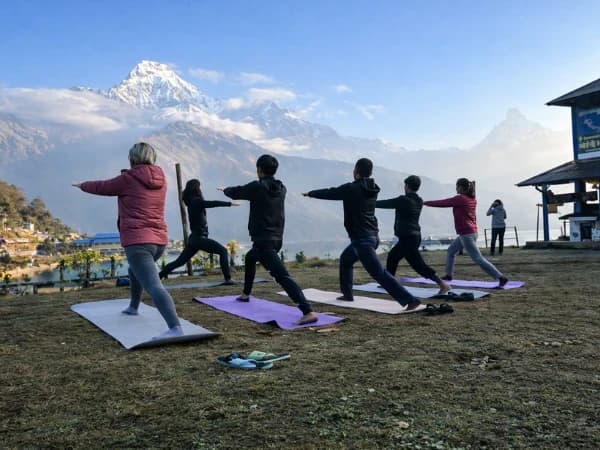
Ghorepani Poon Hill Yoga Trek - 9 Days Itinerary and Costs
Starts From
ExploreUS$1,020
 US$1,075
8 DaysMax 20
Kathmandu Pokhara Yoga Tour - 8 Days Itinerary and Cost
Starts From
ExploreUS$1,075
 US$265
2 DaysMax 20
Kathmandu Yoga Tour - 2 Days Itinerary & Costs
Starts From
ExploreUS$265
Latest Travel Blogs
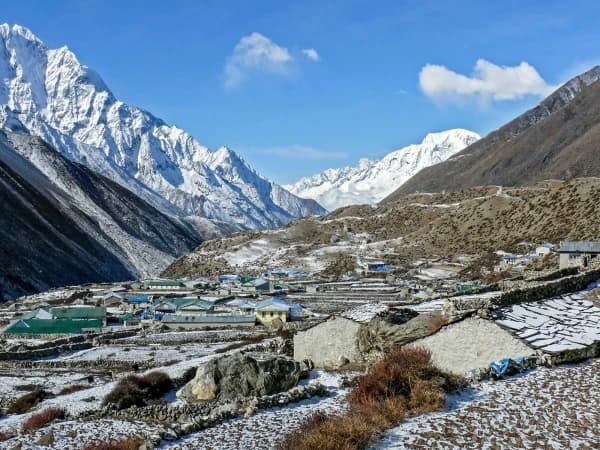
Thamdanda and Surke: The Road Head for Everest Base Camp by Road
Thamdanda is the road head where our Everest Base Camp trek by road starts and ends on foot. How to get there from Phaplu and what the first walk to Paiya is like.
Read More
Poon Hill Trek Permits 2027: ACAP, TIMS, Cost and What You Need
Poon Hill needs two permits: ACAP at NPR 3,000 and a TIMS card at NPR 2,000. Who arranges them, where they are checked, SAARC rates and the 2027 trek prices.
Read More
Mera Peak Climbing Itinerary 2027: 14 Days, Day by Day
Mera Peak in 14 days, night by night. The Hinku valley, a full rest day at Khare, Mera High Camp at 5,780 m, summit day, 2027 prices and the best months.
Read More Chat with Shreejan