
Nepal costs less, has richer culture, and better acclimatisation. Kilimanjaro is shorter and more intense.
Govt Regd. No.: 147653/072/073
Travel Agency Licence: 2838/072
Nepal vs Kilimanjaro: Which Altitude Trek Should You Choose?

Short answer: Kilimanjaro is higher, with Uhuru Peak at 5,895 m, but it is climbed in 5 to 9 days and sleeps in tents. Everest Base Camp is at 5,364 m, with Kala Patthar at 5,545 m, and takes about 12 days with teahouses every night. The slower climb in Nepal gives your body more time to adjust, and you walk through Sherpa villages, not just up a mountain. See our 12-day Everest Base Camp trek.
Two Mountains. Two Countries. One Decision.
If you want to stand at altitude and tell people about it when you get home, these are the two destinations that come up first: Nepal and Kilimanjaro. Both promise high-altitude trekking. Both are achievable without technical climbing. Both will test you in ways you don't expect.
But they're profoundly different experiences. I've guided Nepal's trails for years and spoken with hundreds of trekkers who've done both. This is the honest comparison.
How do Nepal and Kilimanjaro treks compare side by side?
| Factor | Nepal (EBC) | Kilimanjaro (Uhuru Peak) |
|---|---|---|
| Summit/destination altitude | 5,364m (EBC) / 5,545m (Kala Patthar) | 5,895m (Uhuru Peak) |
| Duration | 12-15 days | 5-9 days (7 recommended) |
| Daily walking hours | 5-8 hours | 4-7 hours (summit day: 12-16) |
| Accommodation | Teahouses (beds, meals, tea) | Tents (camping, portered) |
| Cost (all-inclusive) | $1,100-1,800 USD | $2,000-4,000 USD |
| Permits + park fees | ~$40 | $70-100 + operator licensing |
| Success rate | Most well-acclimatised trekkers reach EBC | Fewer reach Uhuru Peak (summit night is the hurdle) |
| Altitude sickness risk | Moderate (gradual ascent over 12 days) | High (rapid ascent over 5-7 days) |
| Cultural experience | Rich (Sherpa villages, monasteries, teahouse culture) | Limited (camping on mountain, brief village contact) |
| Scenery variety | Forests, rivers, villages, glaciers, multiple 8,000m peaks | 5 climate zones on one mountain, volcanic landscape |
| Guide requirement | Required in most areas since April 2023 (including Khumbu) | Mandatory |
| Best season | Oct-Nov, Mar-May | Jan-Mar, Jun-Oct |
What is the trekking experience like in Nepal vs Kilimanjaro?
Nepal: A Walk Through a Living Landscape
Trekking to Everest Base Camp isn't just walking to a destination. It's a 12-day walk through Sherpa culture, ancient monasteries, busy market towns, and some of the most dramatic mountain scenery on the planet. You eat dal bhat in warm dining rooms, play cards with other trekkers in the evening, and wake up to views of Ama Dablam, Lhotse, and Nuptse from your teahouse window.
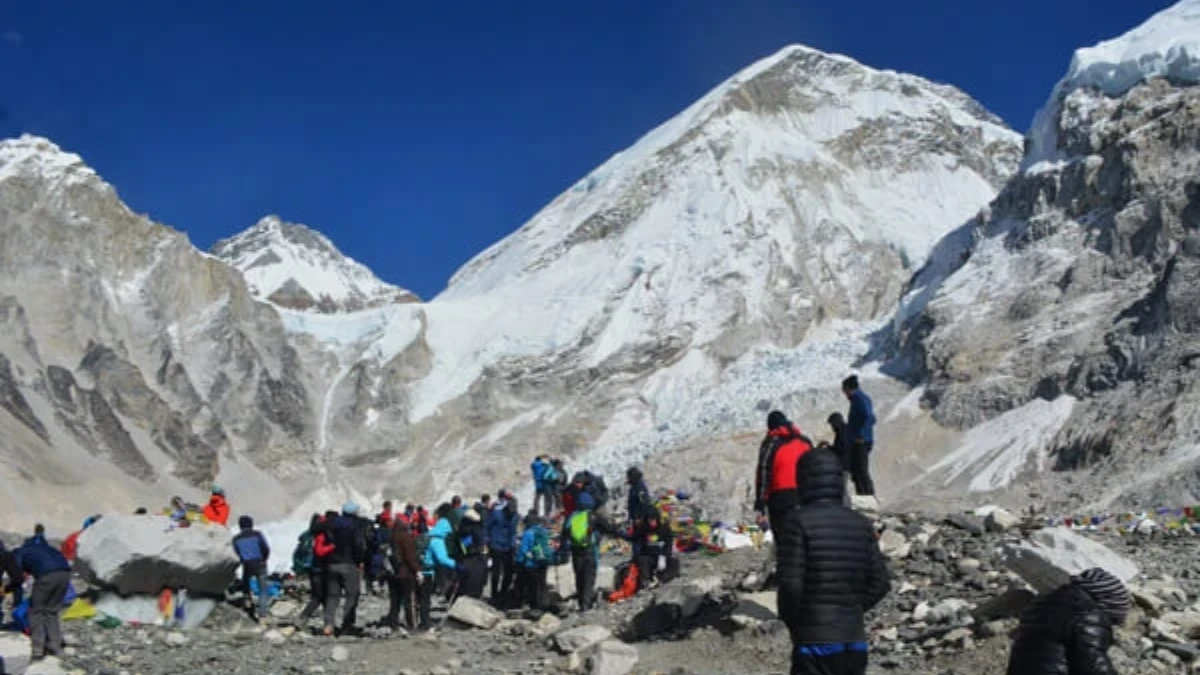
The acclimatisation schedule is generous. You spend two rest days at different altitudes, giving your body time to adjust gradually. This is why most well-acclimatised trekkers reach base camp. The trail itself isn't technical. It's uneven stone paths, suspension bridges, and thousands of stone steps. Hard on the legs, but not dangerous.
Kilimanjaro: A Sprint Through Climate Zones
Kilimanjaro is a single mountain standing alone above the Tanzanian plains. You start in tropical forest and climb through moorland, alpine desert, and finally glacial summit terrain. The landscape changes dramatically every day.
The challenge is speed. Most Kilimanjaro routes take 5-7 days to reach 5,895m. That's a faster altitude gain than any standard Nepal trek. Summit night starts at midnight from High Camp (around 4,700m) and you climb for 6-8 hours in the dark to reach Uhuru Peak by sunrise. It's physically and mentally brutal. Altitude and the speed of the climb are the usual reasons people do not reach the top.
Which has higher altitude sickness risk, Nepal or Kilimanjaro?
Both destinations go above 5,000m, but the approach is completely different.
Nepal: On the EBC trek, you spend 8-9 days gradually ascending from 2,860m (Lukla) to 5,164m (Gorak Shep). Two acclimatisation days at 3,440m and 4,410m let your body adapt. By the time you reach Base Camp, you've slept at progressively higher altitudes for over a week. Your body has been producing extra red blood cells for days.
Kilimanjaro: On the popular Machame route (7 days), you go from 1,800m to 5,895m in under a week. Even the "slow" Lemosho route (8-9 days) is faster than EBC's ascent profile. Your body has less time to acclimatise, which is why altitude sickness rates on Kilimanjaro are significantly higher.
If altitude worries you, Nepal is the safer choice.
How much does it cost to trek Nepal vs Kilimanjaro?
Nepal is substantially cheaper than Kilimanjaro for a comparable trekking experience.
| Expense | Nepal (EBC 12-day) | Kilimanjaro (7-day Machame) |
|---|---|---|
| Trek package | $1,100-1,800 | $2,000-4,000 |
| International flights | $600-1,200 (from UK/EU) | $500-1,000 (from UK/EU) |
| Visa | $30-50 (on arrival) | $50 (on arrival) |
| Travel insurance | $50-100 | $50-100 |
| Tips | $100-200 | $200-400 |
| Gear (if buying new) | $300-500 | $300-500 |
| Extra days (Kathmandu/Arusha) | $30-50/day | $50-100/day |
| Total trip cost | $2,200-3,900 | $3,150-6,100 |
Nepal's lower cost comes from cheaper accommodation (teahouses vs full camping logistics), lower park fees, lower tipping culture, and generally lower ground costs. You also get more days for less money.
Which Is Harder?
This depends on how you define "hard."
Kilimanjaro is harder on any single day. Summit night is one of the toughest things most trekkers will ever do. Climbing 1,200m at altitude, in the dark, at -20°C, for 6-8 hours. Many people describe it as the hardest physical experience of their lives.
Nepal is harder over the full duration. Walking 5-8 hours per day for 12 consecutive days, sleeping at altitude for a week, and dealing with cold, fatigue, and monotonous dal bhat meals takes cumulative toll. There's no single awful day, but the sustained effort is demanding.
If you want a concentrated challenge, Kilimanjaro. If you want a sustained challenge, Nepal.
Which trek has a better cultural experience, Nepal or Kilimanjaro?
This is where Nepal wins overwhelmingly. The EBC trail passes through Sherpa villages with centuries of mountaineering history. You visit Tengboche Monastery, drink butter tea with locals, hear stories about Everest expeditions, and stay in family-run teahouses where the owners know every trekker by name.
Kilimanjaro is a mountain. A famous one, but a mountain. You camp in tents on the slopes. The cultural interaction is mostly with your guides and porters, who are wonderful people, but the trip is primarily you vs the mountain. There are no villages to walk through above the forest zone.
After the Trek
Nepal: After EBC, you return to Kathmandu with a week's worth of stories and photographs. Nepal offers endless extension options: Pokhara, Chitwan, Lumbini, more treks, more peaks, more culture. Many trekkers who come for EBC end up booking a second trek before they leave.
Tanzania: After Kilimanjaro, most people add a safari in the Serengeti, Ngorongoro Crater, or Tarangire. It's a different kind of add-on but equally spectacular. The combination of mountain + safari is Kilimanjaro's strongest selling point beyond the climb itself.
Should I choose Nepal or Kilimanjaro for trekking?
Choose Nepal if:
- You want a cultural journey, not just a physical challenge
- Altitude makes you nervous (slower acclimatisation is safer)
- You prefer sleeping in beds over tents
- Budget matters (significantly cheaper)
- You want options for multiple treks in one trip
- You prefer the company of other trekkers in teahouse dining rooms
Choose Kilimanjaro if:
- You want to summit Africa's highest peak (the bragging rights are real)
- You prefer camping and self-sufficiency
- You have limited time (5-9 days vs 12-15)
- You want to combine with an African safari
- You enjoy the intensity of a concentrated challenge
Frequently Asked Questions
Can I do both? In what order?
Many people do. Nepal first is usually better preparation because the gradual acclimatisation teaches your body what altitude feels like. Going to Kilimanjaro after EBC means you already know your body's response to thin air.
Which has better views?
Nepal. From Kala Patthar, you see four of the world's six highest mountains. On Kilimanjaro, you see the glaciers and the African plains stretching to the horizon. Both are extraordinary, but Nepal's mountain scenery is more varied and dramatic over the course of the trek.
Is Kilimanjaro technically harder?
Neither requires technical climbing. Both are walk-ups. Kilimanjaro's summit night involves scrambling over volcanic rock at extreme altitude, which some people find harder than anything on the EBC trail. But neither requires ropes, crampons, or climbing skills.
What about the Inca Trail?
The Inca Trail to Machu Picchu (4 days, max 4,215m) is shorter, lower, and easier than either Nepal or Kilimanjaro. It's a beautiful trek but a different category entirely. If you're choosing between EBC and Kilimanjaro, you're looking for something more demanding.
Both destinations will change you. Nepal does it slowly, over twelve days of walking, eating, talking, and discovering. Kilimanjaro does it quickly, in one intense night climbing through the dark to touch the roof of Africa.
WhatsApp:+977 9810351300
Email:[email protected]
Written by Shreejan Simkhada, CEO of The Everest Holiday and third-generation Himalayan guide. TAAN Member #1586.
Nepal vs Kilimanjaro? EBC is the cheaper, bigger experience. Our Everest Base Camp Trek (12 Days) is private (your group only, no strangers), 2027 dates open, From USD $1399. WhatsApp us for tailored 2027 dates and current departures.
Planning a trip to Nepal?
Drop us your details and tell us what you have in mind. We will put together a personalised plan and get back to you.
Not sure which Nepal trek is right for you?
Take our free 2-minute quiz and get personalised recommendations based on your fitness, experience, and travel style.
Find Your Perfect Trek →Need Help? Call Us+977 9810351300orChat with us on WhatsApp
Related Trek Packages
 US$1,399
15 DaysMax 20
(6 reviews)
Everest Base Camp Trek By Road Trip - 15 Days Itinerary and Cost
Starts From
ExploreUS$1,399
Everest Base Camp with Gokyo Lakes Trek via Chola Pass - 15 Days
Starts From
ExploreUS$1,699
Latest Travel Blogs
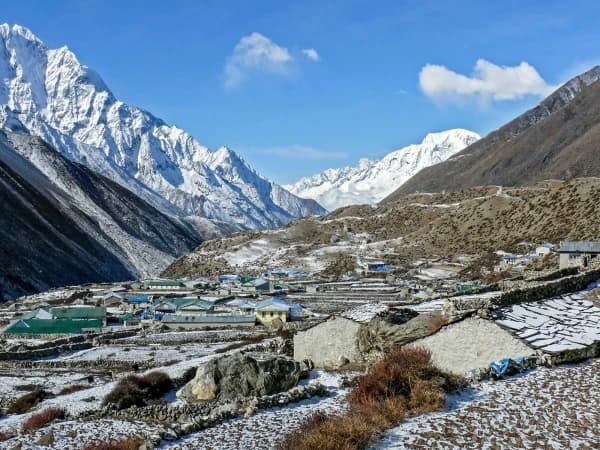
Thamdanda and Surke: The Road Head for Everest Base Camp by Road
Thamdanda is the road head where our Everest Base Camp trek by road starts and ends on foot. How to get there from Phaplu and what the first walk to Paiya is like.
Read More
Poon Hill Trek Permits 2027: ACAP, TIMS, Cost and What You Need
Poon Hill needs two permits: ACAP at NPR 3,000 and a TIMS card at NPR 2,000. Who arranges them, where they are checked, SAARC rates and the 2027 trek prices.
Read More
Mera Peak Climbing Itinerary 2027: 14 Days, Day by Day
Mera Peak in 14 days, night by night. The Hinku valley, a full rest day at Khare, Mera High Camp at 5,780 m, summit day, 2027 prices and the best months.
Read More Chat with Shreejan