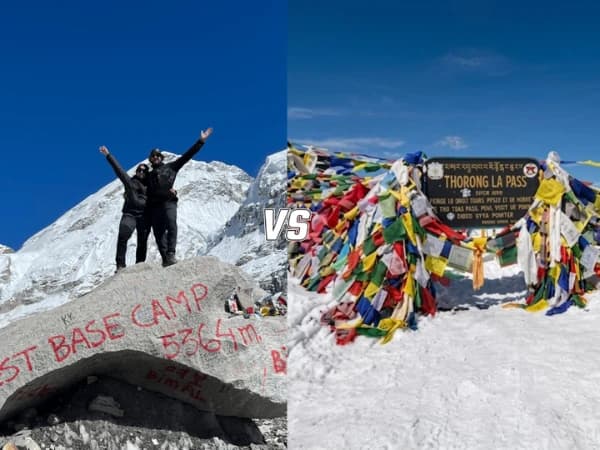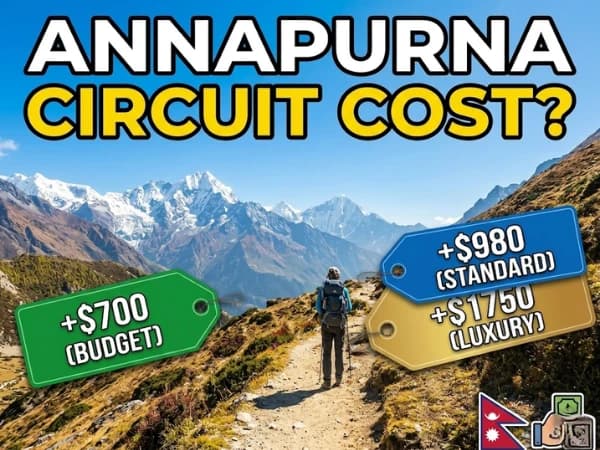
Why Singaporean Trekkers Are Booking Direct with a Nepali Family Company
If you're a Singaporean trekker researching Everest Base Camp, Annapurna, or Langtang, you've likely come across agencies in Singapore charging S$3,000 to S$6,000 for a guided Nepal trek. What they don't mention is that nearly all of them subcontract to Nepali ground operators like us. You're paying a middleman premium for something you can book directly.
How Much Can Singaporeans Save by Booking Direct?ou'll pay 40-60% less for the same trails, same lodges, and better guides. We are the source company on the ground in Kathmandu.
Singapore's dollar is one of the strongest currencies in Asia. That strength goes even further in Nepal, where your S$1 buys roughly 100 Nepali Rupees. A trek that feels like a splurge through a Singapore agency becomes genuinely affordable when you book direct.
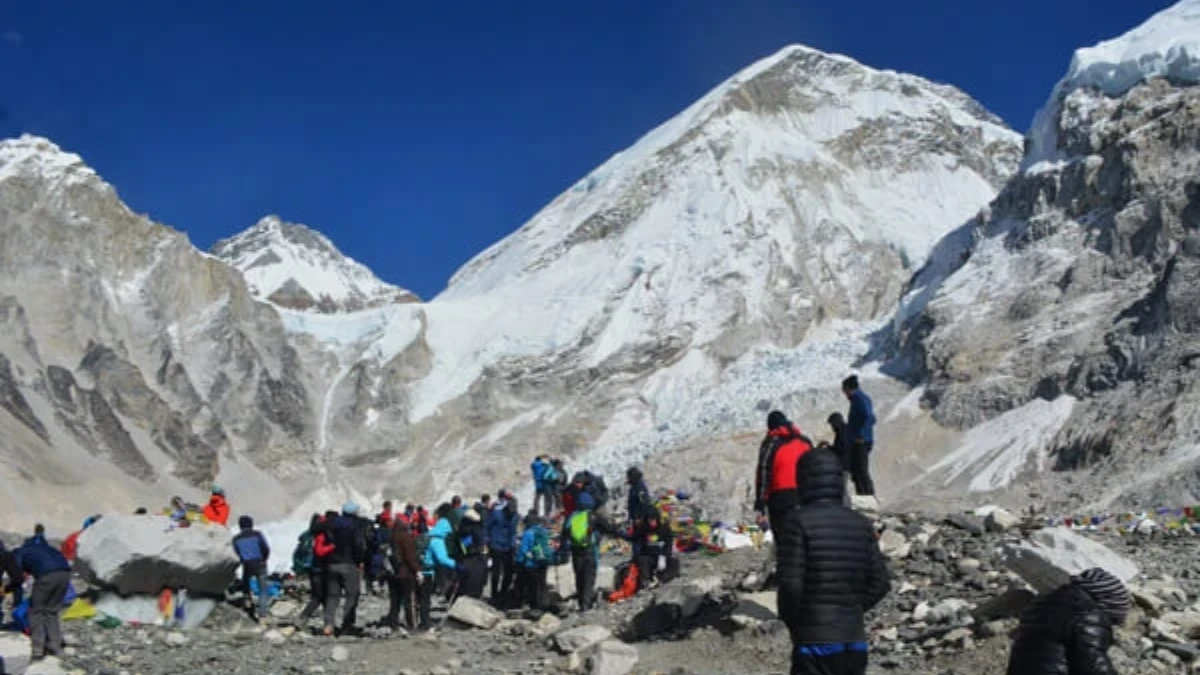
Price Comparison: Singapore Agency vs Booking Direct
| Trek | Singapore Agency (S$) | The Everest Holiday — Budget / Standard / Luxury (S$) |
|---|---|---|
| Everest Base Camp 12 Days | S$3,500–S$6,000 | S$880 / S$1,450 / S$2,430 |
| Annapurna Base Camp 10 Days | S$2,500–S$4,200 | S$610 / S$1,050 / S$1,690 |
| Poon Hill 5 Days | S$1,200–S$2,000 | S$290 / S$480 / S$780 |
| Langtang Valley 8 Days | S$2,000–S$3,500 | S$515 / S$880 / S$1,420 |
| Manaslu Circuit 12 Days | S$3,800–S$5,500 | S$880 / S$1,330 / S$2,700 |
| Mardi Himal 6 Days | S$1,500–S$2,500 | S$350 / S$570 / S$945 |
All our prices include permits, guide, porter, accommodation, meals (Standard and Luxury tiers), and ground transport from Kathmandu. We offer three tiers so you choose exactly how you want to trek.
The Everest Holiday Advantage for Singaporean Trekkers
- Strong Singapore Dollar — At roughly 1 SGD = 100 NPR, Nepal is one of the best-value destinations for Singaporeans. Your money stretches further here than almost anywhere else in Asia.
- Visa on arrival — No pre-application needed. Get your tourist visa at Kathmandu airport in 15-20 minutes. US$30 for 15 days, US$50 for 30 days.
- Direct communication in English — Singapore's working language is English. So is ours. No translation layers, no miscommunication.
- Secure online payment — We are the only Nepal trekking company with a direct bank payment gateway through Himalayan Bank Limited. Your deposit is protected by Nepal's most trusted commercial bank.
- Private treks, your pace — No joining strangers from a group tour. It's just you, your guide, and your porter. Solo trekkers, couples, families, and friend groups all welcome.
- Flight connections improving — Singapore to Kathmandu via Bangkok or Kuala Lumpur takes 6-8 hours. Budget airlines like Scoot make it affordable.
Getting to Kathmandu from Singapore
There are no non-stop flights between Singapore and Kathmandu, but the connection is straightforward and increasingly affordable.
Flight Options
| Route | Airlines | Total Travel Time | Approx. Return Cost (S$) |
|---|---|---|---|
| Singapore → Bangkok → Kathmandu | Scoot + Thai AirAsia / Nepal Airlines | 7-9 hrs (with layover) | S$350–S$700 |
| Singapore → Kuala Lumpur → Kathmandu | AirAsia / Malaysia Airlines / Nepal Airlines | 7-10 hrs (with layover) | S$300–S$650 |
| Singapore → Delhi → Kathmandu | IndiGo / Air India / Scoot | 8-11 hrs (with layover) | S$400–S$800 |
| Singapore → Doha → Kathmandu | Qatar Airways | 12-15 hrs (with layover) | S$600–S$1,200 |
Pro tip: The Bangkok route is usually cheapest and fastest. Book Scoot from Changi to Bangkok, then a separate ticket on Thai AirAsia or Nepal Airlines to Kathmandu. Kuala Lumpur is the next best option. If you want a single-ticket experience with lounge access, Qatar Airways via Doha is comfortable but pricier. Book 2-3 months ahead for the best fares.
Luggage note: If booking two separate tickets (e.g. Scoot to Bangkok, then another airline to Kathmandu), your luggage will NOT be checked through. Collect it in Bangkok and re-check. Allow at least 3 hours for your layover.
Visa and Entry for Singaporean Passport Holders
Singaporean citizens receive a visa on arrival at Tribhuvan International Airport in Kathmandu. No pre-application is needed.
Visa Fees
| Duration | Fee (USD) | Approx. (S$) |
|---|---|---|
| 15 days | US$30 | ~S$40 |
| 30 days | US$50 | ~S$68 |
| 90 days | US$125 | ~S$169 |
What to bring: Valid Singapore passport (at least 6 months validity), one passport-size photo, and the visa fee in US dollars (exact change preferred). You can also pay in other major currencies, but USD gets the best rate. Fill out the arrival form on the plane or at the airport counter.
Processing time: 15-30 minutes depending on the queue. Peak season (October-November) can be busier. The e-visa option (online.nepalimmigration.gov.np) lets you fill forms in advance, speeding things up on arrival.
From MacRitchie to the Himalayas: Singapore's Hiking Culture as Your Foundation
Singaporeans are serious about the outdoors. If you've conquered the MacRitchie TreeTop Walk, scrambled up Bukit Timah Hill (Singapore's highest point at 163m), hiked the Southern Ridges, or trekked through Chestnut Nature Park, you already have a solid foundation for Nepal trekking.
The difference, of course, is altitude. MacRitchie sits at sea level. Everest Base Camp is at 5,364 metres. But the physical fitness you've built from regular hiking in Singapore's heat and humidity is genuinely valuable preparation. Singaporean trekkers consistently surprise themselves with how well they perform at altitude.
How to Prepare in Singapore
- Stair training: HDB stairwells are your secret weapon. Walk 20-30 floors daily for 8-12 weeks before your trek. This builds the leg endurance you'll need for 5-7 hour trekking days on mountain trails.
- Cardio fitness: Jog at MacRitchie Reservoir or East Coast Park 3-4 times a week. Swimming at public pools builds excellent lung capacity.
- Weekend hikes: Do Bukit Timah, the Rail Corridor, or the Coast-to-Coast Trail regularly. Wear the boots you'll trek in to break them in.
- Join a trekking group: Singapore has active hiking communities on Facebook and Meetup. Groups like Singapore Trekking Group and Hiking Enthusiasts Singapore organise regular training hikes.
Heat to Cold: Acclimatisation for Tropical Trekkers
This is the single biggest adjustment for Singaporean trekkers. You're going from a constant 28-33°C to temperatures that can drop below -10°C at high altitude. Your body has spent years adapted to tropical heat. It needs time and the right approach to handle Himalayan cold.
Temperature Expectations by Altitude
| Location | Altitude | Daytime Temp | Night Temp |
|---|---|---|---|
| Kathmandu | 1,400m | 20-30°C | 10-20°C |
| Namche Bazaar | 3,440m | 5-15°C | -5 to 5°C |
| Dingboche | 4,410m | 0-10°C | -10 to -2°C |
| Everest Base Camp | 5,364m | -5 to 5°C | -15 to -8°C |
Layer system: Forget everything you know about dressing for Singapore. In Nepal, you'll use a three-layer system: moisture-wicking base layer, insulating mid-layer (fleece or down), and waterproof outer shell. You can buy quality gear affordably in Kathmandu's Thamel district if you don't want to pay Singapore retail prices.
Cold acclimatisation tip: Start taking cold showers 4-6 weeks before your trek. It sounds unpleasant, but it genuinely helps your body adapt to cold exposure. Also, avoid blasting the air-con at home in the weeks leading up to your trip.
Altitude acclimatisation: This matters more than cold preparation. Our itineraries build in acclimatisation days at Namche Bazaar and Dingboche. Follow the golden rule: walk high, sleep low. Drink 3-4 litres of water daily. Avoid alcohol above 3,000m. Our guides carry pulse oximetres and check your oxygen levels twice a day.
Our Most Popular Treks for Singaporean Trekkers
Everest Base Camp Trek — 12 Days
The bucket-list trek. Stand at 5,364m in the shadow of the world's tallest mountain. Walk through Sherpa villages, cross suspension bridges, and sleep in teahouses with views that no photograph can capture. Three tiers: Budget S$880 | Standard S$1,450 | Luxury S$2,430 per person. Permits, guide and ground transport in all tiers. Porter: none on Budget (you carry your own pack), one per two trekkers on Standard, one per trekker on Luxury. Meals included on Standard and Luxury (Budget excludes meals).
Annapurna Base Camp Trek — 10 Days
Walk through rice terraces, bamboo forests, and hot springs to the amphitheatre of Annapurna (8,091m). Warmer and more varied than EBC, making it a brilliant choice for tropical trekkers adjusting to cold. Budget S$610 | Standard S$1,050 | Luxury S$1,690 per person.
Poon Hill Trek — 5 Days
The ideal first Himalayan trek, and perfect if you only have a week of leave. Sunrise over Annapurna and Dhaulagiri from 3,210m. Moderate altitude means less cold shock for tropical bodies. Budget S$290 | Standard S$480 | Luxury S$780 per person.
Langtang Valley Trek — 8 Days
The closest major trek to Kathmandu. Rich Tamang culture, cheese factories, and views of Langtang Lirung (7,227m). Fewer crowds than Annapurna or Everest, with a deeply authentic feel. From $515 (Budget) to $1,420 (Luxury) per person.
Manaslu Circuit Trek — 12 Days
The quieter alternative to Annapurna Circuit. Cross the Larkya La Pass at 5,160m through a restricted area that limits trekker numbers. For experienced hikers who want solitude and challenge. From $880 (Budget) to $2,700 (Luxury) per person.
Mardi Himal Trek — 6 Days
Nepal's newest trekking trail and an increasingly popular choice for Singaporean trekkers on short leave. Quiet ridgeline walking with close-up Machhapuchhre (Fishtail) views. From $350 (Budget) to $945 (Luxury) per person.
Best Months to Trek from Singapore
- October-November (post-Deepavali): Best weather in Nepal. Clear skies, stable temperatures, sharp mountain visibility. Peak season so book 2-3 months ahead. Perfect for EBC and Annapurna.
- March-May (around Chinese New Year holidays for March): Spring season. Rhododendrons in full bloom. Slightly warmer, which suits tropical trekkers well. Great for Langtang, Poon Hill, and Mardi Himal.
- December-February: Cold but clear at lower elevations. Fewer crowds mean lower prices and quieter trails. Good for Poon Hill and Mardi Himal. Not recommended for EBC or Manaslu unless you're experienced with extreme cold.
- June-September (school holidays): Monsoon season in Nepal. Avoid for most treks. Exception: Upper Mustang and Dolpo lie in the rain shadow and remain dry.
Leave planning for Singapore professionals: Combine a public holiday (National Day in August is monsoon, so target Deepavali in October or Christmas in December) with annual leave for a 10-14 day trek. Poon Hill and Mardi Himal can be done over a long weekend plus 3-4 days of leave.
What Singaporean Trekkers Need to Know
Currency and Money
Nepal uses Nepali Rupees (NPR). The Singapore Dollar is strong here: roughly S$1 = 100 NPR. Exchange money at Kathmandu airport or in Thamel. ATMs in Kathmandu and Pokhara accept Visa and Mastercard, but charge S$3-5 per withdrawal in fees. Carry cash for the trail as there are no ATMs above Namche Bazaar (Everest) or Chame (Annapurna). Budget around S$15-25 per day for personal spending on the trail (snacks, drinks, charging devices, Wi-Fi).
Food on the Trail
Dal bhat (rice, lentils, vegetables, pickle) is the staple meal on every trek. Unlimited refills at most teahouses. It's hearty, nutritious, and surprisingly flavourful.
Vegetarian trekkers: Nepal is one of the easiest countries in the world for vegetarian trekking. Dal bhat is naturally vegetarian. Fried rice, noodles, vegetable momos (dumplings), chapati, and Tibetan bread are all widely available. You won't struggle at all.
Halal considerations: Singapore has a significant Muslim population, and we understand halal dietary needs. While teahouses on the trail don't carry halal certification, most meals are naturally halal-friendly. Dal bhat, vegetable dishes, egg dishes, and noodle soups are safe options. Meat on the trail is primarily chicken or yak, prepared in local kitchens. If strict halal compliance is important to you, we recommend sticking to vegetarian options on the trail, which are plentiful and delicious. Let us know your dietary requirements when booking and we'll brief your guide in advance.
Familiar flavours: If you love Singapore's Indian food scene, you'll feel at home with Nepali cuisine. The spices are similar, the flavours are warm, and the portions are generous. Momos are Nepal's national snack, and they're as good as (we'd argue better than) anything you'll find at a Singapore hawker centre.
Mobile and Internet
Your Singapore SIM (Singtel, StarHub, M1) will not work in Nepal without expensive roaming charges. Instead, buy an NCell SIM card at Kathmandu airport for around 500 NPR (~S$5) with a data pack. NCell has the best coverage on trekking routes and works up to Namche Bazaar on the Everest trail and most of the Annapurna region. Wi-Fi is available at most teahouses for 200-500 NPR per session. Don't count on reliable internet above 4,000m.
Travel Insurance
Travel insurance with helicopter evacuation cover is mandatory for all trekkers. Singapore insurers offering suitable adventure cover include: NTUC Income (check for high-altitude add-on), AXA SmartTraveller, Allianz Travel, and FWD. Make sure your policy specifically covers trekking above 3,000m and helicopter rescue. Cost is typically S$80-200 for 2-3 weeks depending on your trek altitude. We require confirmation of your insurance before departure.
Permits
All trekking permits are included in our package price. You'll need a TIMS card (Trekkers' Information Management System) plus a National Park or Conservation Area entry permit. For restricted areas like Manaslu and Upper Mustang, a special restricted area permit is required. We handle all the paperwork.
Altitude Sickness
Altitude sickness (Acute Mountain Sickness) affects trekkers regardless of fitness level. Singapore sits at sea level, so your body has zero natural altitude adaptation. This isn't a problem, but it means you must respect the acclimatisation schedule. Our guides carry pulse oximetres and monitor your oxygen levels twice daily above 3,000m. We build acclimatisation days into every itinerary. If serious symptoms appear, we descend immediately. No negotiation, no delay.
What to Pack
You'll need proper trekking gear, but you don't need to buy everything in Singapore at Singapore prices. Kathmandu's Thamel district has hundreds of outdoor shops selling quality gear (both branded and good-quality local alternatives) at a fraction of what you'd pay at Decathlon or The North Face in Singapore. A decent down jacket costs S$30-60 in Thamel versus S$150-300 in Singapore. We send all trekkers a detailed packing list after booking.
About The Everest Holiday
We are a three-generation Himalayan family company. Our grandfather Hari Lal Simkhada arranged logistics for Himalayan expeditions in the 1960s and 70s. Our father Ganesh Prasad Simkhada has held senior positions at the Nepal Tourism Board and Nepal Mountaineering Association. Today, Shreejan Simkhada and Shamjhana Basukala run The Everest Holiday with 80+ guides and staff.
- TAAN Member #1586 — Nepal's official trekking agency association
- Tourism Licence 2838/072 — Government of Nepal
- 360+ verified reviews across TripAdvisor (4.9 stars), Google (4.9 stars), and Trustpilot (5 stars)
- TripAdvisor Travellers' Choice 2024
- Selected by Nepal Tourism Board to represent Nepal at MATKA 2026 Helsinki
- Secure online payment through Himalayan Bank Limited — the only Nepal trekking company with direct bank payment
Our Charity — Nagarjun Learning Center
A portion of every booking supports the Nagarjun Learning Center, founded by our family in 2019. We provide free education and hot meals to 70 children across 7 learning centres in rural Nepal, free medical care to 600+ people, and empowerment programmes for 275+ women. The centre is verified and listed on the UN Partner Portal.
Your trek doesn't just change your life. It changes theirs.
Frequently Asked Questions — Singaporean Trekkers
Do Singaporean citizens need a visa for Nepal?
Yes, but it's simple. You receive a visa on arrival at Kathmandu airport. No pre-application needed. Bring your passport (at least 6 months validity), one passport photo, and US$30 for 15 days or US$50 for 30 days. The whole process takes 15-30 minutes.
How do I get from Singapore to Kathmandu?
There are no direct flights, but connections through Bangkok or Kuala Lumpur are frequent and affordable. The fastest route is Singapore to Bangkok (Scoot, ~2.5 hours) then Bangkok to Kathmandu (Thai AirAsia or Nepal Airlines, ~3.5 hours). Total travel time is 7-9 hours including layover. Return flights typically cost S$300-700 depending on season and how early you book.
Can I pay in Singapore Dollars?
Our prices are listed in SGD for your convenience, but payment is processed in USD through our secure Himalayan Bank payment gateway. The conversion difference is minimal. We also accept bank transfer via Wise. Contact us on WhatsApp for details.
How fit do I need to be?
You should be able to walk 5-7 hours daily on hilly terrain. If you can comfortably complete the MacRitchie to Bukit Timah loop (11km) without stopping, you have a good base. Start dedicated training 8-12 weeks before your trek: stair climbing, jogging, and weekend hikes. No mountaineering skills are needed for standard treks. We have treks for every fitness level, from Poon Hill (easy, 5 days) to Manaslu (challenging, 12 days).
I'm used to Singapore's heat. Will the cold be a problem?
The temperature shift is real, but manageable. At Everest Base Camp, nighttime temperatures can drop to -15°C, which is a 45-degree swing from a typical Singapore afternoon. The key is proper layering and a good sleeping bag (we provide these on Standard and Luxury tiers). Most Singaporean trekkers tell us the cold is uncomfortable at night but perfectly fine during the day when you're walking and generating body heat.
Are there halal food options on the trail?
Teahouses don't carry halal certification, but the majority of trail food is naturally halal-friendly. Dal bhat (the staple meal), vegetable dishes, egg dishes, noodle soups, and fried rice are all widely available and don't contain pork or alcohol. If strict halal compliance is essential, vegetarian options are your safest choice and are plentiful on every route. Inform us of your dietary needs at booking and your guide will be fully briefed.
Do I need a guide to trek in Nepal?
Yes. Since 2023, Nepal law requires all trekkers to have a licenced guide. Our guides are Nepal government trained and licenced, and several hold Bachelor's degrees in Mountaineering. They also carry first aid kits and pulse oximetres for altitude monitoring.
Can I trek solo or do I need a group?
All our treks are private. You don't join a group of strangers. It's just you, your guide, and your porter. Solo trekkers, couples, families, and friend groups all welcome. Minimum 1 person, maximum 20.
What if I get altitude sickness?
Our guides are trained in altitude sickness prevention and recognition. They carry pulse oximetres and monitor your oxygen levels twice daily above 3,000m. If serious symptoms appear, we descend immediately and coordinate helicopter evacuation if needed. This is why travel insurance with helicopter cover is mandatory.
What's included in the price?
All permits (TIMS, national park, conservation area, restricted area if applicable), licenced guide, porter (1 porter per 2 trekkers), accommodation throughout, meals (Standard and Luxury tiers), ground transportation from Kathmandu, and airport transfers. International flights, Nepal visa, travel insurance, and personal expenses are not included.
Plan Your Nepal Trek Today
Whether it's your first time beyond MacRitchie or you've trekked in Patagonia and the Dolomites, we'll make your Nepal experience personal, safe, and genuinely memorable. Every detail is your choice: dates, pace, tier, route.
WhatsApp:+977 9810351300 (Shreejan responds within 30 minutes during Nepal business hours)
Email:[email protected]
Website:theeverestholiday.com
Three generations. One family. Your Himalayas.
For the full Singapore-to-Nepal trip planning view, our Singapore trekkers' country guide covers Changi-to-Kathmandu connection options, SGD costs, and the most efficient long-weekend trek choices.
Travelling from Singapore? Our Everest Base Camp Trek (12 Days) is private (your group only, no strangers), 2026 dates open, From USD $1399. WhatsApp us for tailored 2026 dates and current departures.