Three months in Nepal. A month-by-month plan covering Kathmandu, volunteering, two treks, Pokhara, and Chitwan.
Govt Regd. No.: 147653/072/073
Travel Agency Licence: 2838/072
Nepal Gap Year Guide: 3 Months of Trekking, Volunteering and Adventure for 18-25s

Short answer: Three months is a good length for a gap year in Nepal. Spend the first weeks in the Kathmandu Valley, do a short trek such as Poon Hill or Langtang, then build up to a longer one like Everest Base Camp or the Annapurna Circuit, with time for volunteering in between. Daily costs in Kathmandu can be low, about 15 to 20 dollars, but treks need a licensed guide on most routes. Start with our Langtang Valley trek.
Three Months in Nepal Changed My Life (It Could Change Yours)
Every year, thousands of 18-25 year olds type "gap year Nepal" into Google. Most end up reading the same generic advice: get a visa, don't drink the water, Everest is cool. None of that helps you plan three months in a country that will rewrite your understanding of what matters.
I've met gap year travellers who spent six weeks in Kathmandu doing nothing because nobody told them what was possible outside the tourist bubble. I've also met 19-year-olds who trekked to Everest Base Camp, volunteered in a village school, learned basic Nepali, and left Nepal as a different person. The difference wasn't money or fitness. It was planning.
This guide gives you the plan. What to do, where to go, how much it costs, and what the brochures won't tell you.
What is the best 3-month Nepal gap year itinerary?
Month 1: Kathmandu + Your First Trek
Week 1-2: Kathmandu Valley. Don't rush out of the capital. Spend two weeks getting your bearings. Explore Thamel, but also visit Patan, Bhaktapur, and Boudhanath. Eat momos at local places, not tourist restaurants. Get a Nepali SIM card (NCell works best for data). Visit a local coffee shop and start conversations. Nepal is the friendliest country you'll visit.
Budget: $15-20/day for hostel, food, and local transport in Kathmandu.
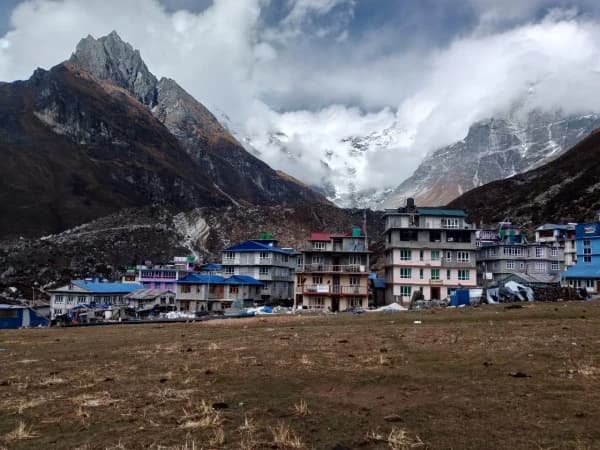
Week 3-4: Your first trek. Start with Poon Hill (5 days) or Langtang Valley (8 days). Both are beginner-friendly and don't require previous experience. Poon Hill gives you a sunrise panorama of Annapurna and Dhaulagiri. Langtang gives you a deeper valley experience with Tamang culture and yak cheese. Either will show you why people come to Nepal.
Budget: $500-800 for a guided trek with permits, accommodation, and meals included.
Month 2: Volunteering + Pokhara
Week 5-8: Volunteer placement. Nepal has legitimate volunteer opportunities, but also a lot of "voluntourism" operations that do more harm than good. Focus on organisations that:
- Are locally run (not international agencies skimming money)
- Don't place you in orphanages (Nepal's "orphanage industry" is exploitative; most children have living parents)
- Provide training or orientation before placing you
- Have long-term projects, not revolving-door placements
Good options: English teaching in community schools, environmental conservation in national parks, construction projects in earthquake-affected areas, or community health programmes.
The Nagarjun Learning Center, founded by our own team, provides free education to 70 children in Dhading District. If you're interested in education-focused volunteering, contact us and we can discuss options.
Budget: Most legitimate volunteer programmes charge $200-400/month for accommodation and meals. Free placements exist but research them carefully.
Weekend breaks: Pokhara. Nepal's lake city is 6-7 hours from Kathmandu by bus ($10-15). Pokhara offers paragliding ($70-90), lakeside cafes, yoga classes, and the Annapurna panorama. It's where backpackers go to decompress. Spend a few weekends here between volunteer stints.
Month 3: The Big Trek + Exploration
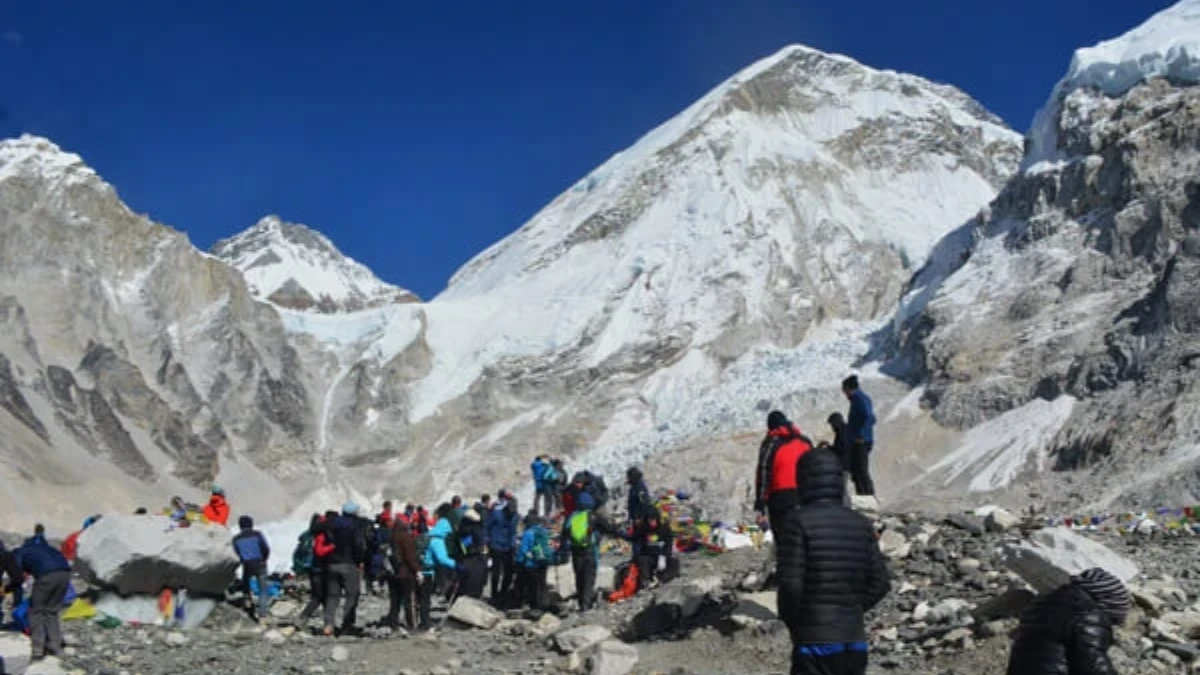
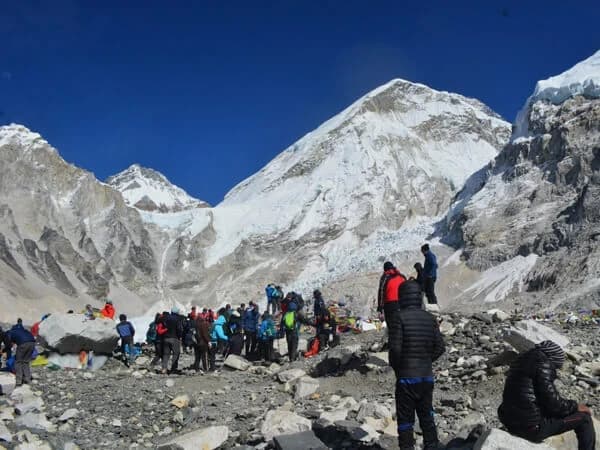
Week 9-11: Everest Base Camp. After a month of volunteering and acclimatising to Nepal, you're ready for the real thing. The EBC 12-day trek takes you to 5,364m. Standing at the foot of the world's tallest mountain at age 20 is something you'll remember at 80.
Or choose the Annapurna Circuit (14-18 days) for a longer, more varied experience crossing the 5,416m Thorong La pass.
Budget: $1,100-1,800 for a fully guided trek.
Week 12: Chitwan + farewell. End your trip with something completely different. Chitwan National Park is subtropical jungle, not mountains. Ride canoes past crocodiles, look for rhinos and Bengal tigers, and experience southern Nepal's Tharu culture. It's a perfect decompression after altitude.
Budget: 2-3 day Chitwan safari $100-200. Return bus to Kathmandu $10-15.
How much does a 3-month gap year in Nepal cost?
| Expense | Budget Range |
|---|---|
| Flights (UK/EU return) | $600-1,000 |
| Visa (90-day multiple entry) | $100 |
| Travel insurance (3 months, trekking cover) | $150-300 |
| Kathmandu living (2 weeks) | $200-300 |
| First trek (Poon Hill/Langtang) | $500-800 |
| Volunteering (1 month, incl. accommodation) | $200-600 |
| Pokhara weekends (3-4 trips) | $200-400 |
| EBC/Annapurna Circuit trek | $1,100-1,800 |
| Chitwan safari | $100-200 |
| Local transport (3 months) | $100-200 |
| Daily food/misc (outside treks) | $500-800 |
| TOTAL | $3,750-6,400 |
The lower end ($3,750) is tight but doable if you eat local food, stay in basic hostels, and don't splurge on activities. The upper end ($6,400) includes nicer accommodation, all the activities, and comfortable treks with good guides.
What Nobody Tells You
Nepal will make you uncomfortable. Not in a dangerous way. In a "everything I thought was important might not be" way. You'll meet people with very little who are happier than anyone you know at home. You'll see poverty that's real, not something on a screen. You'll eat the same meal (dal bhat) every day and eventually stop minding. This discomfort is the point.
Learn basic Nepali. "Namaste" (hello), "dhanyabad" (thank you), "mitho chha" (it's delicious), "kati ho?" (how much?). Even five phrases change every interaction. Nepali people light up when foreigners try their language.
Don't stay in Thamel the whole time. Thamel is Kathmandu's tourist district. It's useful for gear shopping and nightlife but it's not real Nepal. Walk 20 minutes in any direction and you'll find the actual city: temples, markets, local tea shops, daily life.
Slow down. Gap year travellers often rush to "do everything." Nepal rewards the opposite. Spend a week in one village. Return to the same tea shop every morning. Let people get to know you. The best trips come from staying, not moving.
What visa do you need for 3 months in Nepal?
- Tourist visa: 90-day multiple entry visa ($100) available on arrival at Kathmandu airport. Bring passport photos and USD cash.
- Extension: You can extend up to 150 days total at the immigration office in Kathmandu ($2/day for extensions beyond 90 days)
- Insurance: Must cover helicopter evacuation to the highest point of your trek: 6,000 m for Everest Base Camp, 5,500 m for the Annapurna Circuit, 4,500 m for Annapurna Base Camp and Mardi Himal, and 3,500 m for Poon Hill. World Nomads and True Traveller are popular with gap year travellers.
- Vaccines: Hepatitis A, Typhoid, and Tetanus recommended. Rabies if volunteering with animals. Consult your GP 6-8 weeks before departure.
- Money: ATMs in Kathmandu and Pokhara accept international cards. NMB Bank and Nabil Bank have the most reliable machines. Carry cash for trekking (teahouses don't take cards above Namche).
Is Nepal Safe for 18-25 Year Olds?
Yes. Nepal is one of the safest countries in Asia for backpackers. Violent crime against tourists is extremely rare. The main risks are trekking-related (altitude sickness, trail conditions) and traffic accidents, not crime.
Read our full Nepal safety guide for details. Solo female travellers, solo male travellers, and groups all trek safely every season.
Frequently Asked Questions
Can I work in Nepal during my gap year?
A tourist visa does not permit paid employment. Volunteer work is allowed. Some people teach English informally in exchange for accommodation and meals, which exists in a grey area. Don't expect to fund your trip by working in Nepal.
Should I book treks in advance or arrange locally?
Both work. Booking in advance with a reputable company (like us) guarantees your dates, guide quality, and permits. Arranging locally in Thamel can be cheaper but quality varies wildly. For EBC and the Annapurna Circuit, we recommend booking in advance. For shorter treks, arranging locally is fine.
What's the best time of year for a gap year in Nepal?
September to November (autumn) is ideal for starting. The weather is perfect for trekking, festivals are happening, and the skies are clear. January to March is colder but cheaper and less crowded. Avoid June to August (monsoon) for trekking, though it's fine for Kathmandu and volunteering.
Do I need trek?
Not for your first trek. Poon Hill and Langtang are designed for beginners. If you start with one of these, you'll be ready for EBC or the Annapurna Circuit by your third month. Start easy, build up.
Can I combine Nepal with India or Southeast Asia?
Easily. Kathmandu has flights to Delhi, Bangkok, and Kuala Lumpur. Many gap year travellers do India first, then Nepal, then Southeast Asia. Or Nepal as a standalone three months with a side trip to Bhutan (fly from Kathmandu to Paro in 1 hour).
Nepal won't just fill your gap year. It'll fill the stories you tell for the next decade.
WhatsApp:+977 9810351300
Email:[email protected]
Written by Shreejan Simkhada, CEO of The Everest Holiday and third-generation Himalayan guide. TAAN Member #1586.
Gap year Nepal? Start with Poon Hill, then add ABC. Our Ghorepani Poon Hill Trek (6 Days) is private (your group only, no strangers), 2027 dates open, From USD $499. WhatsApp us for tailored 2027 dates and current departures.
Planning a trip to Nepal?
Drop us your details and tell us what you have in mind. We will put together a personalised plan and get back to you.
Not sure which Nepal trek is right for you?
Take our free 2-minute quiz and get personalised recommendations based on your fitness, experience, and travel style.
Find Your Perfect Trek →Need Help? Call Us+977 9810351300orChat with us on WhatsApp
Related Trek Packages
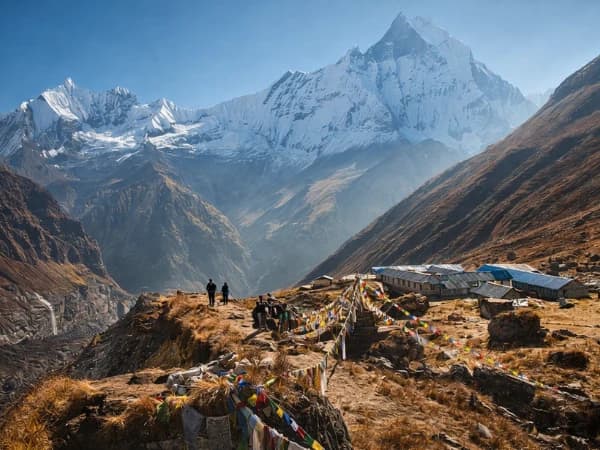
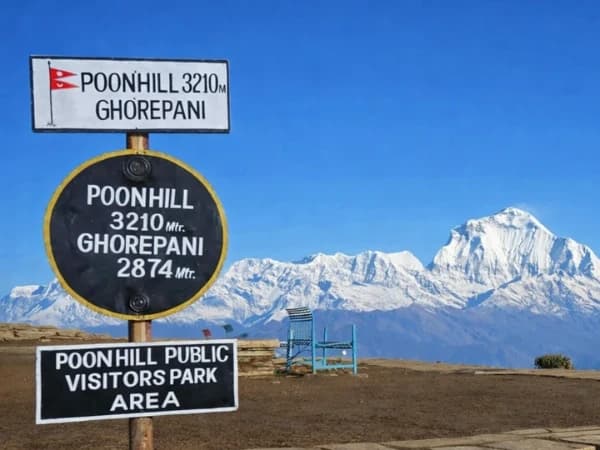
Latest Travel Blogs
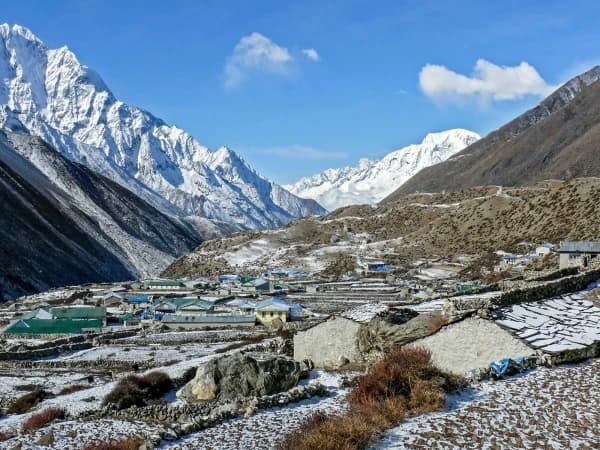
Thamdanda and Surke: The Road Head for Everest Base Camp by Road
Thamdanda is the road head where our Everest Base Camp trek by road starts and ends on foot. How to get there from Phaplu and what the first walk to Paiya is like.
Read More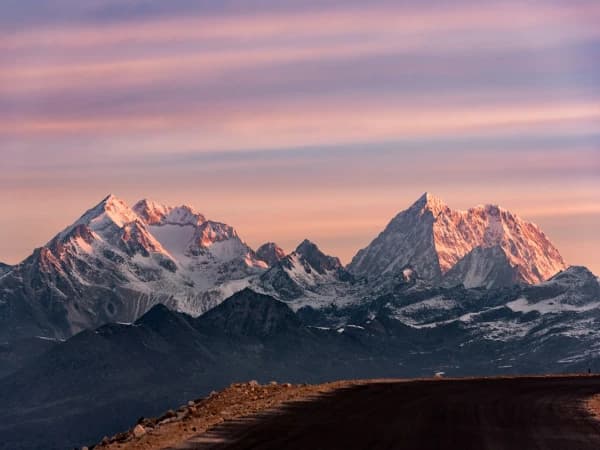
Poon Hill Trek Permits 2027: ACAP, TIMS, Cost and What You Need
Poon Hill needs two permits: ACAP at NPR 3,000 and a TIMS card at NPR 2,000. Who arranges them, where they are checked, SAARC rates and the 2027 trek prices.
Read More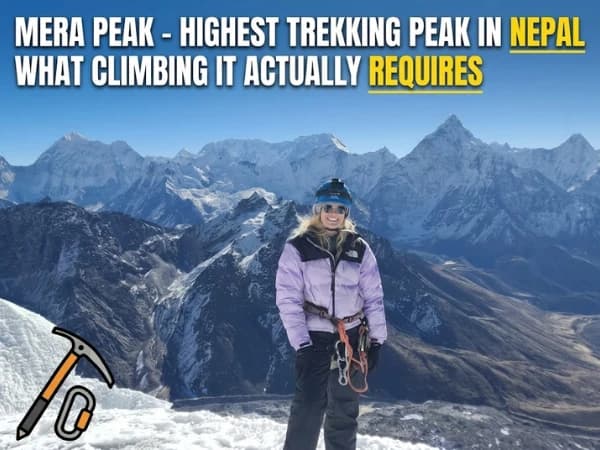
Mera Peak Climbing Itinerary 2027: 14 Days, Day by Day
Mera Peak in 14 days, night by night. The Hinku valley, a full rest day at Khare, Mera High Camp at 5,780 m, summit day, 2027 prices and the best months.
Read More Chat with Shreejan