
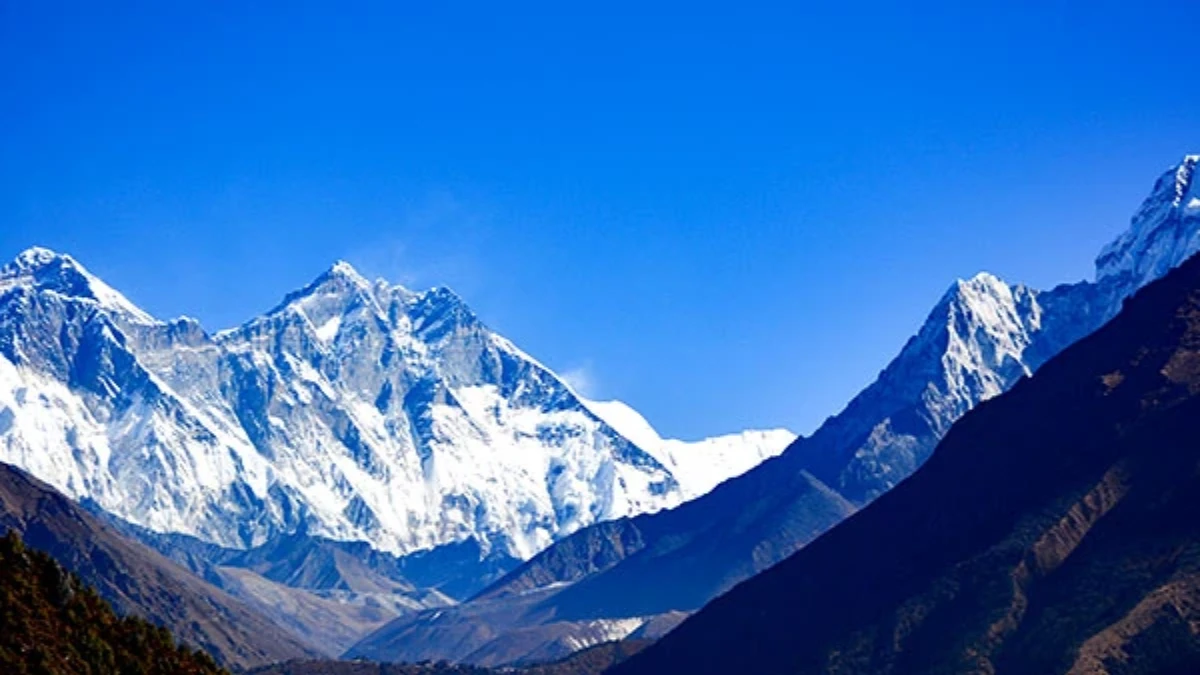
The Kanchenjunga Base Camp trek covers approximately 220 kilometres (137 miles) over nineteen to twenty-two trekking days. It is the longest and most physically demanding standard trek in Nepal: longer than the Annapurna Circuit, harder than EBC, more remote than Manaslu. The trail passes through five climate zones, crosses two high passes, reaches the foot of the third-highest mountain on earth, and does it all on trails where you may not see another trekking group for days.
What Is the Total Distance?
The Kanchenjunga Base Camp trek covers 210 to 230 kilometres depending on whether you visit one base camp or both. The standard itinerary visits both North Base Camp (Pangpema, 5,143m) and South Base Camp (4,700m), which requires a loop through the Ghunsa valley and the Sele La/Mirgin La passes.
North Base Camp only: approximately 180 kilometres. South Base Camp only: approximately 170 kilometres. Both base camps (the recommended full trek): 220 kilometres.
How Far Do You Walk Each Day?
| Day | Route | Distance | Altitude | Hours |
|---|---|---|---|---|
| 1 | Taplejung to Mitlung | 12 km | 1,820m → 920m | 5-6h |
| 2 | Mitlung to Chirwa | 14 km | 920m → 1,270m | 6-7h |
| 3 | Chirwa to Sekathum | 13 km | 1,270m → 1,660m | 5-6h |
| 4 | Sekathum to Amjilosa | 10 km | 1,660m → 2,510m | 5-6h |
| 5 | Amjilosa to Gyabla | 12 km | 2,510m → 2,730m | 5-6h |
| 6 | Gyabla to Ghunsa | 9 km | 2,730m → 3,410m | 4-5h |
| 7 | Ghunsa rest day | 5-8 km | Acclimatisation hike | 3-4h |
| 8 | Ghunsa to Khambachen | 14 km | 3,410m → 4,050m | 6-7h |
| 9 | Khambachen to Lhonak | 12 km | 4,050m → 4,780m | 5-6h |
| 10 | Lhonak to Pangpema (North BC) and back | 14 km | 4,780m → 5,143m → 4,780m | 6-8h |
| 11 | Lhonak to Ghunsa | 26 km | 4,780m → 3,410m | 7-8h |
| 12 | Ghunsa to Sele La to Tseram | 18 km | 3,410m → 4,480m → 3,870m | 7-8h |
| 13 | Tseram to South BC and back | 12 km | 3,870m → 4,700m → 3,870m | 6-7h |
| 14 | Tseram to Tortong | 14 km | 3,870m → 2,990m | 5-6h |
| 15-19 | Return to Taplejung | ~60 km | Descending through lower valleys | 4-6h/day |
What Is the Difficulty Rating?
We rate Kanchenjunga at 5 out of 5, the hardest standard trek in Nepal alongside the Everest Three Passes.
- Physical fitness: Very High. Three weeks of continuous trekking with days up to 26 km.
- Altitude: High. North Base Camp at 5,143m, with multiple days above 4,500m.
- Technical skills: Minimal, but the Sele La pass (4,480m) can have snow.
- Remoteness: Extreme. No helicopter rescue above Ghunsa in most conditions. Limited teahouses above 4,000m.
- Duration endurance: Extreme. Nineteen to twenty-two consecutive walking days tests mental resilience as much as physical fitness.
What Makes Kanchenjunga the Hardest Standard Trek?
The Sheer Length
Three weeks of walking. No other standard trek in Nepal demands this much consecutive effort. By Day 15, even fit trekkers are running on willpower. The cumulative fatigue of walking 10 to 26 kilometres a day at altitude, sleeping in basic teahouses, and eating trail food for three weeks breaks down your physical reserves in ways that a twelve-day trek does not.
The Remoteness
Eastern Nepal has far less trekking infrastructure than the Annapurna, Everest, or Manaslu regions. The teahouses between Taplejung and Ghunsa are basic. Some are family homes with a spare room. Above Ghunsa, accommodation at Khambachen and Lhonak is genuinely rudimentary. Hot showers disappear after the first few days. Wifi does not exist on the route. Phone signal drops out above Ghunsa.
Helicopter evacuation is unreliable above Ghunsa. If you get sick or injured at Lhonak (4,780m), you either walk down or wait for a weather window. This is not a theoretical risk. It is a practical reality that your guide manages by monitoring your health daily and making conservative decisions about when to push forward and when to descend.
The Climate Variation
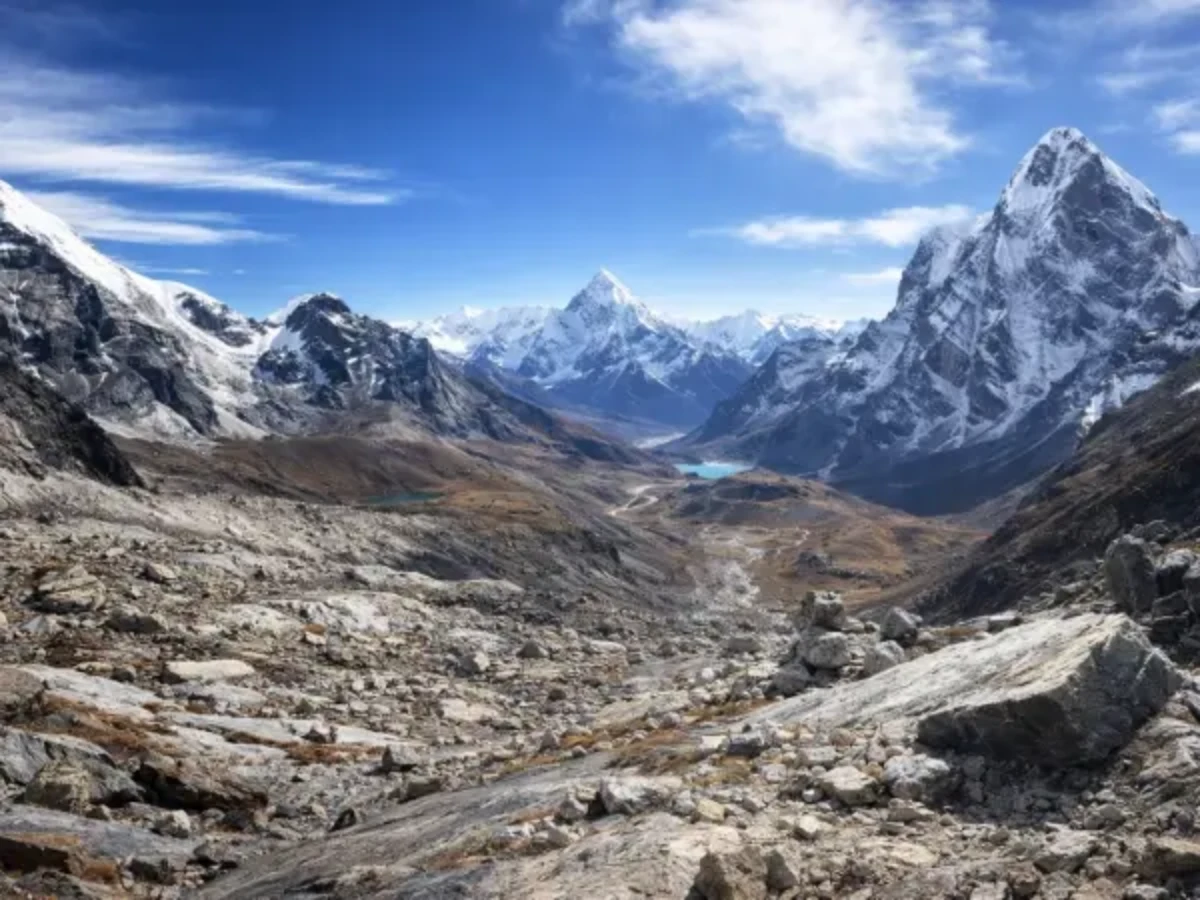
You start in subtropical lowlands at 920 metres (Mitlung) where the temperature is 25 to 30 degrees and the air is thick and humid. You finish at 5,143 metres (Pangpema) where the temperature is minus fifteen and the air has half the oxygen. In between, you pass through temperate forest, alpine meadows, and glacial moraine. Your body adjusts to a new climate every three days.
How Fit Do You Need to Be?
Significantly fitter than for EBC or the Annapurna Circuit. You should be able to walk 20 kilometres on mountain terrain with a daypack and still feel capable of doing it again the next day. You need endurance training, not speed training: the ability to walk for six to eight hours at moderate pace, day after day, without accumulating a fatigue debt that stops you.
A ten-week training plan: walk five to six times per week, building from 12 to 22 kilometres. Include steep terrain: long hills or staircases with a 7 to 10 kg daypack. Do two consecutive long walks on weekends (Saturday 18 km, Sunday 15 km) to train for multi-day fatigue. By week ten, a 20 km hilly day with a pack should feel hard but sustainable.
Previous high-altitude trekking experience is strongly recommended. Do EBC or Manaslu first to learn how your body handles sustained altitude. Kanchenjunga is not the place to discover you struggle above 4,500 metres.
How Does Kanchenjunga Compare?
| Trek | Distance | Days | Difficulty | Remoteness |
|---|---|---|---|---|
| Kanchenjunga (both BCs) | 220 km | 19-22 | 5/5 | Extreme |
| Everest Three Passes | 170 km | 17-19 | 5/5 | Moderate |
| Manaslu Circuit | 177 km | 12-14 | 4/5 | High |
| Annapurna Circuit | 200 km | 14-16 | 4/5 | Low-Moderate |
| EBC | 130 km | 12 | 4/5 | Low |
Kanchenjunga is the final boss of Nepal trekking. The people who do it have already done EBC, Annapurna, and usually Manaslu. They come to Kanchenjunga knowing what they are capable of, and they still find it harder than expected. That is the nature of the third-highest mountain. It demands more than you planned to give, and then gives back more than you imagined possible.
See our Kanchenjunga Base Camp Trek (19 Days) for the full itinerary. All permits are included.
WhatsApp:+977 9810351300
Email:[email protected]
Written by Shreejan Simkhada, CEO of The Everest Holiday and third-generation Himalayan guide. TAAN Member #1586.
Kanchenjunga distance and difficulty: covered in our 19-day. Our Kanchenjunga Base Camp Trek (19 Days) is private (your group only, no strangers), 2027 dates open, From USD $999. WhatsApp us for tailored 2027 dates and current departures.
 Chat with Shreejan