Nepal has six seasons — not four. And each one turns the mountains into something completely different. I've been guiding treks here since I was a teenager, following in my father's and grandfather's footsteps. I've seen Everest in every month of the year.
Here's my honest, month-by-month breakdown of when to trek in Nepal in 2026. No sugarcoating.
The two peak seasons
If you want the safest bet, trek in one of these two windows:
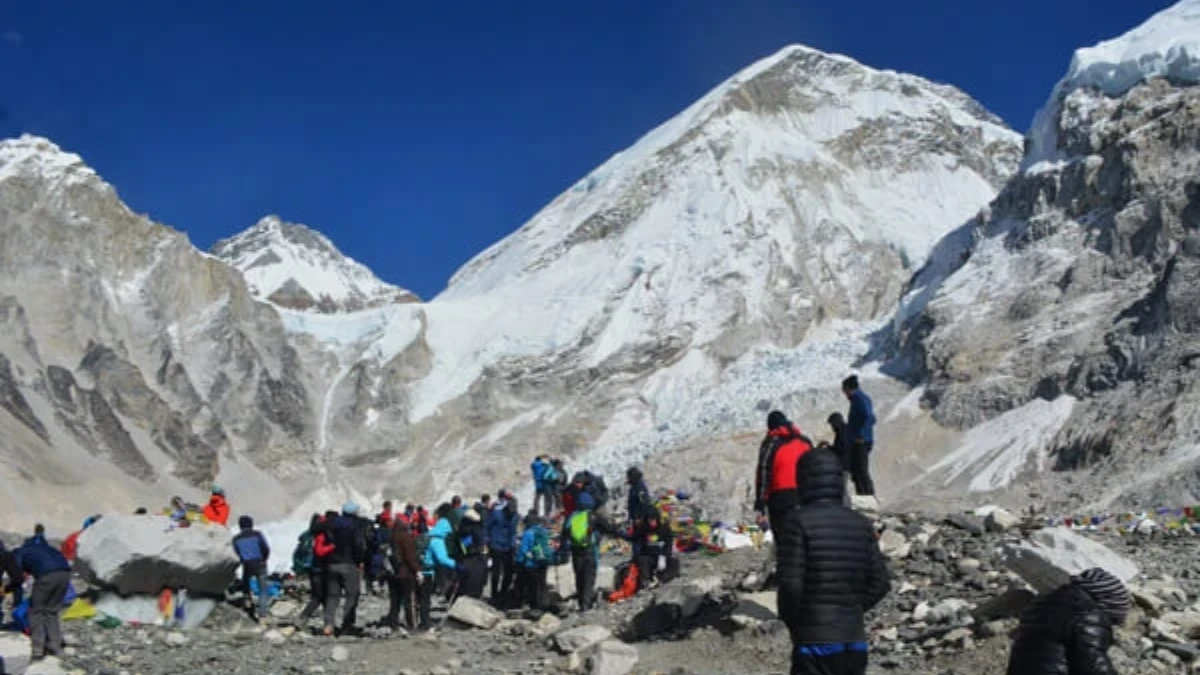
Spring: March to May
Autumn: September to November
About 80% of trekkers come during these months, and for good reason. The weather is the most stable, the views are the clearest, and the trails are open everywhere.
But "peak season" also means more people on popular routes. If you hate crowds, keep reading — there are quieter options.
Month by month
January
Temperature: Cold. Very cold at altitude. Expect -15 to -20°C at Everest Base Camp.
Skies: Often crystal clear — some of the best mountain views of the year.
Crowds: Almost none.
Best for: Experienced trekkers who don't mind the cold. Lower-altitude treks like Poon Hill or the short Annapurna trek work well.
Honest take: It's beautiful but brutal above 4,000m. Teahouses are open but basic. Not recommended for your first Himalayan trek.
February
Temperature: Still cold, but the days start getting longer. Snow lingers at high passes.
Skies: Clear, with occasional snowfall.
Crowds: Very few.
Best for: Lower-altitude treks. The Annapurna foothills, Kathmandu Valley day hikes, and the short Langtang route.
Honest take: Late February is when it starts warming up. If you're flexible on dates, the last two weeks of February are much better than the first two.
MARCH
Temperature: Warming up nicely. Comfortable during the day, cold at night above 3,000m.
Skies: Good visibility, though haze can build in the afternoons.
Crowds: Picking up, but still manageable.
Best for: Everything. This is when the rhododendrons start blooming — the forests below 3,500m turn red, pink, and white. Annapurna and Langtang are especially beautiful.
Honest take: One of my favourite months. Warm enough to enjoy, quiet enough to breathe. Highly recommended.
APRIL
Temperature: Warm days, mild nights below 4,000m. Still cold at higher camps.
Skies: Good, with some afternoon clouds.
Crowds: Peak season begins. Popular trails get busy.
Best for: Everest Base Camp, Annapurna Circuit, Manaslu Circuit. The rhododendrons are in full bloom at higher altitudes.
Honest take: April is gorgeous but popular. Book early — good teahouse rooms fill up, especially in Namche Bazaar and Annapurna.
MAY
Temperature: Warm to hot at lower altitudes. Comfortable at 3,000–5,000m.
Skies: Increasing cloud cover. Pre-monsoon haze.
Crowds: Thinning out as the monsoon approaches.
Best for: High-altitude treks if you want fewer people. Upper Mustang is excellent in May (it's in a rain shadow, so monsoon doesn't hit it as hard). Island Peak and Mera Peak climbing season.
Honest take: Early May is still great. Late May gets unpredictable. If you're trekking to EBC in May, go in the first two weeks.
JUNE
Temperature: Hot and humid in Kathmandu. Warm at altitude.
Skies: Monsoon arrives. Rain most days, usually in the afternoon and evening.
Crowds: Almost nobody.
Best for: Upper Mustang and Dolpo, these are rain-shadow regions that stay drier during monsoon. Not recommended for Everest or Annapurna.
Honest take: Unless you're heading to a rain-shadow area, June is not trekking season. The trails are slippery, leeches are out, and views are rare.
July and august
Temperature: Warm and wet everywhere.
Skies: Heavy rain, fog, low cloud.
Crowds: None.
Best for: Honestly? Visit Nepal for culture instead. Kathmandu's temples, Bhaktapur, Patan, cooking classes, rafting on lower rivers. Or go to Upper Mustang.
Honest take: These are the wettest months. Landslides can close roads. Flights get cancelled. I don't recommend trekking in July or August unless you specifically want the Upper Mustang or Dolpo experience.
September
Temperature: Rain easing off. Warm days, fresh air.
Skies: Clearing rapidly in the second half of the month. Post-monsoon freshness means incredible visibility.
Crowds: Starting to build, but still quieter than October.
Best for: Getting ahead of the autumn rush. Late September is perfect for Everest Base Camp, Annapurna Circuit, and Langtang.
Honest take: Late September is a lesser-known spot. The mountains have been washed clean by the monsoon, the air is the freshest it'll be all year, and the crowds haven't peaked yet. Highly recommended.
October
Temperature: Perfect. Warm days, cool nights, comfortable at all altitudes.
Skies: The clearest of the year. Virtually guaranteed mountain views.
Crowds: Peak season. This is the busiest month on Nepal's trails.
Best for: Everything. If you want the absolute best conditions, October is it. But book months in advance.
Honest take: October is peak season for a reason, the weather is near-perfect. The downside is crowds. Teahouses in Namche and Annapurna can be fully booked. We recommend booking at least 3 months ahead for October.
November
Temperature: Getting colder. Cold nights above 3,500m.
Skies: Still excellent. Clear and dry.
Crowds: Fewer than October, still more than off-season.
Best for: Trekkers who want great weather without October's crowds. All major routes are still fully open.
Honest take: Early November is almost as good as October, with fewer people. Late November gets properly cold at altitude. If you're coming in November, aim for the first three weeks.
December
Temperature: Cold. Short days. Snow possible above 3,500m.
Skies: Clear, but very cold air.
Crowds: Minimal.
Best for: Lower-altitude treks. Poon Hill, Ghorepani, short Annapurna treks. The Kathmandu Valley is actually lovely in December, cool, crisp mornings and clear Himalayan views from the city.
Honest take: December works for experienced trekkers who've got proper cold-weather gear. For first-timers, I'd suggest sticking below 4,000m or waiting for spring.
So when should you come?
Here's my quick recommendation:
- First-time trekker: October or late September
- Want fewer crowds: March, early November, or late September
- On a budget: March or November (slightly lower prices than October)
- Want wildflowers: Late March to mid-April
- Hate cold weather: April or October
- Upper Mustang: June or July (it's actually the best time)
- Short on time: Any month except July–August for lower-altitude treks
What about climate change?
I'll be straight with you, weather patterns have shifted in the past decade. Monsoons are arriving later and ending later. October 2023 and 2024 both had unexpected late-monsoon rain that caught people off guard. We monitor conditions daily and adjust plans when needed. Flexibility matters more than it used to.
One more thing
Whatever month you choose, talk to a local before you book. Not a booking platform, a person who's actually on the ground in Nepal. Weather forecasts are one thing. Knowing what trail conditions look like right now is another.
That's what we do. We're here year-round.
Ready to experience Nepal for yourself?
The Everest Holiday has guided trekkers through the Himalayas for over a decade with a near-perfect five-star TripAdvisor rating.
Browse our Nepal treks: www.theeverestholiday.com
Chat with Shreejan on WhatsApp: +977 9810351300
Related Treks & Guides
Month-by-Month Temperature Guide for Major Treks
Everest Region (Namche Bazaar, 3,440m)
| Month | Day °C | Night °C | Rain Days | Verdict |
|---|---|---|---|---|
| January | 6 | -7 | 2 | Cold but clear, very few trekkers |
| February | 7 | -6 | 3 | Getting warmer, early spring views |
| March | 10 | -3 | 4 | Good — season starting, rhododendrons |
| April | 12 | -1 | 6 | Peak spring season, busy trails |
| May | 14 | 3 | 9 | Warm but hazy, pre-monsoon clouds |
| June-August | 15-16 | 7-8 | 18-22 | Monsoon — not recommended for Everest |
| September | 14 | 4 | 12 | Monsoon ending, clearing skies |
| October | 12 | 0 | 3 | BEST month — crystal clear views |
| November | 9 | -4 | 1 | Excellent — cold but stable and clear |
| December | 7 | -6 | 1 | Cold, quiet, beautiful snow caps |
Annapurna Region (Manang, 3,540m)
| Month | Day °C | Night °C | Verdict |
|---|---|---|---|
| March-May | 8-15 | -2 to 5 | Spring — wildflowers, warm days, some haze |
| June-August | 15-18 | 5-8 | Monsoon, heavy rain, leeches, avoid Circuit |
| September-November | 8-14 | -4 to 4 | Autumn, BEST for Annapurna, crystal views |
| December-February | 2-6 | -10 to -5 | Cold, Thorong La may be snowed in |
Langtang Region (Kyanjin Gompa, 3,870m)
| Month | Day °C | Night °C | Verdict |
|---|---|---|---|
| March-May | 8-14 | -3 to 3 | Good, spring flowers, clear mornings |
| October-November | 8-12 | -5 to 0 | BEST, dry, clear, sharp views |
| December-February | 2-5 | -12 to -6 | Very cold but possible with proper gear |
Which Trek in Which Season?
| Trek | Best Months | Also Good | Avoid |
|---|---|---|---|
| EBC | Oct-Nov | Mar-May, Sep | Jun-Aug |
| Annapurna Circuit | Oct-Nov | Mar-May | Jun-Aug, Dec-Feb (Thorong La snow) |
| ABC | Oct-Nov, Mar-May | Sep | Jun-Aug |
| Poon Hill | Oct-Nov, Mar-Apr | Sep, Dec | Jun-Aug |
| Langtang | Oct-Nov | Mar-May | Jun-Aug |
| Manaslu | Sep-Nov | Mar-May | Jun-Aug, Dec-Feb |
| Upper Mustang | Jun-Sep (rain shadow!) | May, Oct | Dec-Feb |
| Mardi Himal | Oct-Nov, Mar-Apr | Sep, Dec | Jun-Aug |
The surprise: Upper Mustang is best during monsoon season (June-September) because it sits in a rain shadow behind the Annapurna and Dhaulagiri ranges. When everywhere else is soaking wet, Mustang is dry and warm. Our guide Sohel calls it "Nepal's secret summer trek."
Shoulder Season, The Smart Trekker's Secret
Peak season (October-November) means the best weather but also the most crowded trails and highest prices. The shoulder months offer a clever compromise:
- Late September: Monsoon is ending. Skies clear dramatically. Trails are green and lush. Fewer trekkers than October. Leeches mostly gone by month end.
- Early December: Crowds have thinned. Weather is cold but stable and clear. Snow on higher peaks makes photography spectacular. Teahouses are emptier, more personal attention.
- Late February/March: Spring is arriving. Rhododendron forests start blooming below 3,000m. Temperatures rising daily. Trails are quiet before the April rush.
A trekker from Vancouver told us: "We went in late September and had the trail almost to ourselves. The views were incredible once the clouds cleared. And we paid 20% less than peak season rates with some companies. Best timing decision we made."
Winter Trekking, Is It Possible?
Yes, but with conditions. December to February trekking is possible on lower-altitude routes:
- Poon Hill (3,210m): Cold but doable. Bring warm layers. Views can be spectacular with snow.
- ABC (4,130m): Possible but very cold at night. Trail may have snow above 3,500m.
- EBC (5,364m): Possible for experienced trekkers. Temperatures drop to -25°C at Gorak Shep. Some teahouses close. Not for beginners.
- Thorong La (5,416m): Often closed due to snow December-February. Do not attempt without confirming conditions.
Shreejan's advice: "Winter EBC is for people who love cold and solitude. The trail is empty, the views are sharp, and the stars at night are unbelievable. But you need serious cold-weather gear and mental toughness. I always recommend October or November for first-timers."
Start planning your trek: Everest Base Camp (12 days) | Annapurna Base Camp (9 days) | Poon Hill (6 days) | Langtang Valley (8 days)
Trail runners should also check our dedicated Nepal trail running guide for the months that suit racing versus pure exploration.
Families travelling with children will find season-by-season age-appropriate route picks in our Nepal trekking with kids family guide.
Picking your trek month? Our 2026 dates are live. Our Everest Base Camp Trek (12 Days) is private (your group only, no strangers), 2026 dates open, From USD $1399. WhatsApp us for tailored 2026 dates and current departures.