
Over 2,000 trekking agencies in Nepal. Most are faceless. Here is why a family-run company with three generations of mountain heritage makes the difference.
Govt Regd. No.: 147653/072/073
Travel Agency Licence: 2838/072
Why a Family-Owned Trekking Company in Nepal Makes All the Difference (Our Story)

Why a Family-Owned Trekking Company in Nepal Makes All the Difference (Our Story)
By Shreejan Simkhada, CEO & Co-Founder, The Everest Holiday | TAAN #1586 | Reg 147653/072/073
There are over 2,000 registered trekking agencies in Nepal. That number alone should tell you something: the Himalayan trekking industry isn't short on options. What it's short on is trust. When you're planning a trip that involves altitude, remote trails, and weeks away from home, the question isn't "can I find an agency?" It's "can I find one I actually trust?"
I'm Shreejan Simkhada, and I run The Everest Holiday with my wife, Shamjhana Basukala (most people call her Sam). We're a family-owned trekking company in Nepal, and that phrase, "family-owned", isn't a marketing label we slapped on because it sounds warm and inviting. It's a description of how we actually operate, who we are, and why we do things differently from the faceless agencies that process trekkers like numbers on a spreadsheet.
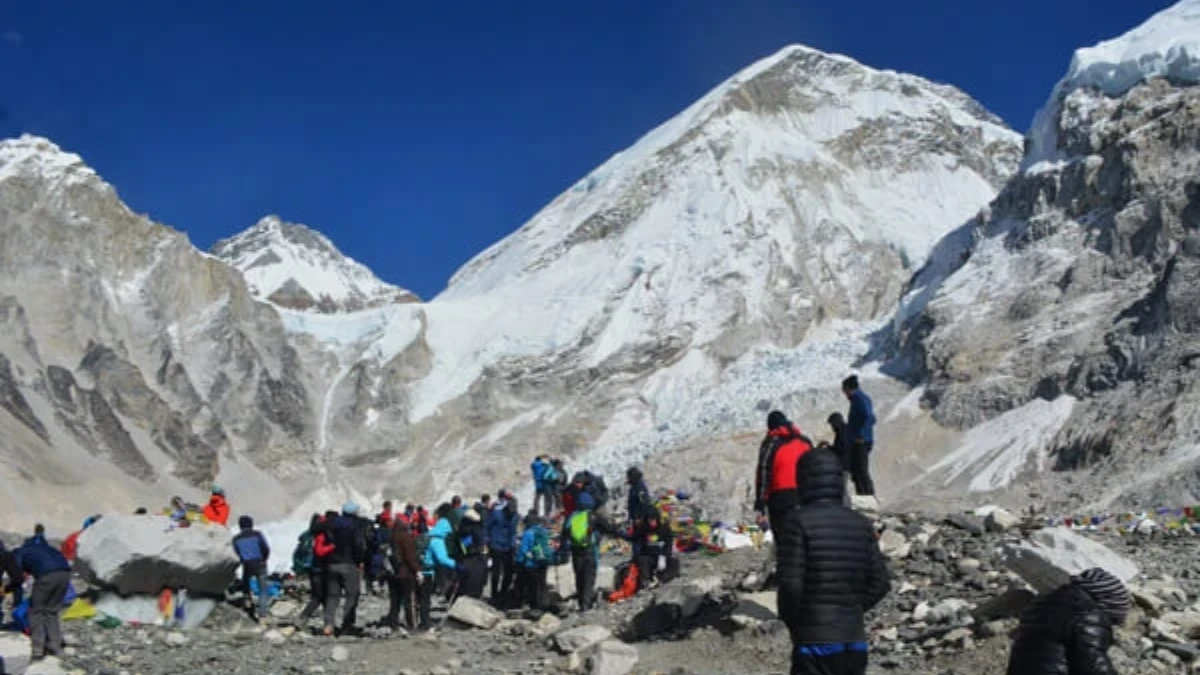
This is the story of three generations in Nepal's mountains, and why it matters for your trek.
The 1960s: Where It All Started
My grandfather, Hari Lal Simkhada, was involved in Nepal's mountain world long before it became an industry. In the 1960s, when foreign expeditions were arriving to attempt the great Himalayan peaks, my grandfather arranged logistics and supported Himalayan expeditions during those pioneering years.
To understand what that meant, you need to picture Nepal in the 1960s. There were no teahouses. No lodges. No helicopter rescue services. No satellite phones. The trails that thousands of trekkers now walk each year were, back then, just footpaths used by local villagers and yak herders. Getting an expedition team from Kathmandu to a base camp was an enormous undertaking, it required porters, supplies, route knowledge, and relationships with communities along the way.
My grandfather did that work. He understood the mountains not as a tourist destination but as a living landscape, one that demanded respect, preparation, and genuine connection with the people who called it home. He didn't have a website or a TripAdvisor page. He had his reputation, his knowledge of the trails, and the trust of the people he worked with.
I never got to work alongside him in the mountains, but his influence shaped everything that came after. The values he carried, meticulous preparation, respect for local communities, an understanding that the mountains aren't something you conquer but something you move through carefully, those became the foundation of how my family thinks about trekking.
The Next Generation: My Father's Career in Nepal's Tourism Institutions
My father, Ganesh Prasad Simkhada, took that mountain heritage in a different direction. Rather than working directly on expeditions, he moved into the institutional side of Nepal's tourism sector. He held senior positions within organisations like the Nepal Tourism Board and the Nepal Mountaineering Association, the very bodies that shape trekking policy, safety standards, and industry regulation in this country.
Growing up with a father in those roles gave me something that most trekking company founders don't have: an inside understanding of how Nepal's tourism system actually works. I understood permit processes, safety regulations, guide certification requirements, and the politics of trail management before I ever started my own company. I saw how decisions made in Kathmandu boardrooms affected porters on the trail, and I understood the gap between policy and practise that so many agencies exploit.
More importantly, I grew up in a household where trekking wasn't a business opportunity, it was a responsibility. My father saw his work as contributing to Nepal's development, not just its economy. Tourism done well brings education, infrastructure, and opportunity to remote communities. Tourism done poorly brings litter, exploitation, and cultural erosion. That distinction was dinner-table conversation in our home.
2016: Sam and I Start The Everest Holiday
When Sam and I founded The Everest Holiday in 2016, we weren't starting from scratch. We were building on a family connection to Nepal's mountains that stretched back to the 1960s. But we also weren't content to simply trade on our family name. We wanted to build something that combined the old-world values, personal attention, deep knowledge, genuine care, with the transparency and accessibility that modern trekkers deserve.
Sam handles much of the operational and administrative side. I handle trip design, guide coordination, and direct communication with trekkers. Between us, we touch every single booking that comes through. That's not a figure of speech. Every enquiry that lands in our inbox gets a personal response from one of us. Every itinerary is reviewed by me before it goes out. Every guide assignment is made based on who I believe is the best fit for that particular group, that particular route, that particular time of year.
We registered properly from day one: TAAN membership #1586, company registration 147653/072/073. These aren't just numbers. They represent accountability. They mean we're subject to the regulatory standards of Nepal's trekking industry, that we carry the required insurance, that our guides are certified, and that if something goes wrong, there's a clear chain of responsibility.
You can read more about how we got here on our Our Story page.
What "Family-Run" Actually Means for Your Trek
Let me be specific about what being a family-owned trekking company means in practice, because the phrase gets thrown around a lot without much substance behind it.
You talk to the owner. Directly.
When you enquire about a trek with The Everest Holiday, you're not routed to a call centre or handed off to a sales team. You get my personal WhatsApp. You can message me at any time during the planning process, and I'll respond personally. Not a chatbot. Not a junior staff member using my name. Me.
This matters because trip planning in Nepal involves dozens of small decisions that affect your trip: which route variation to take, whether to add an extra acclimatisation day, which lodge to stay at in a particular village, whether the weather window looks good for your dates. Those decisions require trek and judgment, and I'd rather make them myself than delegate them to someone who's never been on the trail.
Your guide is hand-picked, not randomly assigned.
I know every guide on our team personally. I know their strengths, their personalities, their experience with different routes and different types of trekkers. When I assign a guide to your trip, I'm matching based on fit, not just availability. A first-time trekker heading to Everest Base Camp gets a different guide than an experienced mountaineer attempting a high pass crossing. A solo female trekker gets a guide I've specifically vetted for that context. A family with children gets someone with patience and a talent for making the trail fun.
In a larger agency, guide assignment is often done by whoever's available on the spreadsheet. In our company, it's done by someone who knows both the guide and the trekker.
Your itinerary is designed by the CEO, not a template.
We have standard itineraries on our website, of course. But when you book with us, those are starting points, not fixed products. I design and adjust every itinerary based on your fitness level, your interests, the season, recent trail conditions, and what I know about the lodges and villages along the way. If a landslide has closed a particular section of trail, I'll know about it before you do. If a new teahouse has opened that offers better food than the usual stop, I'll route you through it.
This level of personal involvement is only possible because we're small and family-run. The moment you scale to hundreds of bookings a month, you lose the ability to give each trip this kind of attention. We've chosen to stay at a size where quality doesn't get sacrificed for volume.
How much deposit do I pay to book a Nepal trek?
One of the biggest barriers to booking a trek in Nepal is the payment process. Most agencies ask for large upfront payments via bank transfer, with little recourse if things go wrong. Some ask for full payment before you even arrive in the country. The lack of secure, transparent payment options has been a problem in this industry for years.
We've addressed this in two ways.
First, we only require a 10% deposit to confirm your booking. The remaining balance is paid when you arrive in Kathmandu, after you've met us in person, reviewed your itinerary face to face, and confirmed you're happy with everything. This isn't just a nice policy, it's a statement of confidence. We're saying: we're so sure you'll be satisfied with what we've arranged that we're willing to do most of the preparation work before we've received most of the payment.
Second, we process payments through the Himalayan Bank Limited (HBL) payment gateway. This makes us one of the very few trekking companies in Nepal with a direct bank payment integration. Most agencies rely on informal bank transfers or third-party platforms with limited buyer protection. Our HBL gateway means your transaction is processed through one of Nepal's most established banks, with the security and traceability that comes with formal banking infrastructure.
These aren't flashy innovations. They're trust mechanisms. When you're sending money to a company on the other side of the world, you deserve to know it's going through proper channels.
Does The Everest Holiday support local communities in Nepal?
Running a trekking company in Nepal means constantly seeing the gap between the wealth that tourism generates and the poverty that still affects many communities. Sam and I decided early on that we couldn't just operate in that gap, we had to try to close it.
That's why we support the Nagarjun Learning Center, which currently serves around 70 children. The centre provides educational support to children from disadvantaged backgrounds, giving them access to learning resources they wouldn't otherwise have.
This isn't a vague corporate social responsibility claim. The Nagarjun Learning Center is verified and listed on the UN Partner Portal, which means its operations and credentials have been independently reviewed and validated. When we say we're giving back, we mean it in a way that can be verified by anyone who wants to check.
You can learn more about our community work on our Our Heart for Nepal page, including photos and details of the children we support.
For us, this work isn't separate from trekking. It's part of the same mission. Nepal's mountains have given our family a livelihood for three generations. The least we can do is make sure some of what comes in goes back to the communities that make this country extraordinary.
How We're Different from 2,000 Other Agencies
I said at the start that there are over 2,000 registered trekking agencies in Nepal. Here's how we stand apart:
300+ verified reviews
We've accumulated over 300 reviews across platforms including TripAdvisor, Google, and Trustpilot. These aren't curated testimonials, they're independently posted reviews from real trekkers who've walked real trails with our real guides. The consistency of themes across those reviews, safety, personal attention, flexibility, genuine warmth, tells a story that no marketing copy can replicate.
Full regulatory credentials
TAAN membership #1586. Company registration 147653/072/073. These are verifiable. You can check them. Many agencies in Nepal operate with expired registrations, borrowed permits, or no TAAN membership at all. We're fully compliant and transparent about it.
Three generations of mountain knowledge
From my grandfather arranging logistics for 1960s expeditions, to my father holding senior positions in Nepal's tourism institutions, to Sam and me running The Everest Holiday today, our understanding of these mountains isn't something we picked up from a training course. It's inherited, lived, and continuously deepened through every season on the trail.
Genuine transparency
Our pricing is clear. Our itineraries detail exactly what's included and what isn't. Our communication is direct and personal. We don't hide behind vague language or surprise fees. If something isn't included, we'll tell you upfront. If a particular route isn't suitable for your fitness level, we'll say so honestly rather than booking you anyway.
Are guides and porters treated fairly on Nepal treks?
Sam and I are the face of The Everest Holiday, but we're not the whole story. Behind every trek is a team of guides and porters who make it all happen.
Our guides aren't just hired hands. Many have been with us for years. They're trained, certified, and, most importantly, they share our values. They understand that their job isn't just to lead people up a trail. It's to keep them safe, to share knowledge about the landscape and culture, to read the signs when someone is struggling with altitude, and to make the whole experience feel personal rather than transactional.
Our porters are treated with the respect and fair compensation they deserve. The trekking industry in Nepal has a troubled history for porter welfare, underpayment, inadequate equipment, and dangerous working conditions have been persistent problems. We pay fair wages, provide proper gear, and limit loads to safe weights. This isn't just ethics, it's practical. A well-treated, well-equipped porter does a better job, and that directly benefits your trek.
We also maintain relationships with lodge owners and local communities along our routes. When you stay at a teahouse on one of our treks, it's often a place where the owner knows us by name. That means better rooms, better food, and a warmer welcome than you'd get as an anonymous booking from a large agency.
What Our Trekkers Say
I could spend paragraphs telling you why we're good at what we do, but the more honest approach is to let the themes from our 300+ reviews speak for themselves. Here's what comes up again and again:
Safety first, always
Trekkers consistently mention feeling safe throughout their trip. Our guides monitor for altitude sickness symptoms, adjust pacing to match the group, and aren't afraid to make tough calls, like adding an extra acclimatisation day or turning back if conditions aren't right. We'd rather you come home safe than reach a summit at any cost.
The personal touch
Review after review mentions how personal the experience felt. Trekkers are often surprised that they're communicating directly with the company owner during their planning process. They notice that their guide seems to genuinely know them, their pace, their interests, their concerns, rather than treating them as one more client in a rotation.
Flexibility when it matters
Nepal's mountains don't follow schedules. Weather changes, trails close, bodies need more rest than planned. Our trekkers frequently mention how smoothly we handle changes, adjusting itineraries on the fly, finding alternative routes, making sure that unexpected disruptions don't ruin the whole thing.
The family feeling
This one comes up more than any other. Trekkers describe the feel of trekking with us as being "like travelling with family." They feel looked after, not just guided. They feel that we genuinely care about their experience, not just their payment. And when the trek is over, many stay in touch, sending photos, asking about future trips, recommending us to friends.
If you've trekked with us and want to share your trip, we'd genuinely appreciate a review on our Write a Review page.
The Future: Where We're Going
The trekking industry in Nepal is changing. Climate patterns are shifting, affecting trail conditions and seasons. Visitor numbers are growing, putting pressure on popular routes. Technology is making it easier for trekkers to research, compare, and book. New regulations are reshaping how agencies operate.
Through all of this, our commitment stays the same: personal service, deep knowledge, genuine care, and a connection to these mountains that goes back three generations.
We're not trying to become the biggest trekking company in Nepal. We're trying to remain the most personal. We want every trekker who walks with us to feel like they're the only client we have, because in terms of attention and care, that's exactly how we treat them.
We're also continuing to invest in our community work through the Nagarjun Learning Center, expanding the number of children we can support and deepening the educational programmes we offer. And we're constantly improving our operational standards, better lodge partnerships, updated safety protocols, refined itineraries based on the latest trail conditions.
The mountains don't change much from year to year. But how we serve the people who come to see them, that's something we're always working to improve.
Frequently Asked Questions
What makes a family-owned trekking company different from a larger agency?
The main difference is personal involvement. In a family-owned company like ours, you're communicating directly with the owners throughout your planning and trek itself. Your itinerary is personally reviewed, your guide is hand-picked, and decisions are made by people with deep personal knowledge of the mountains, not by a sales team following scripts. This means faster responses, more flexible arrangements, and a level of care that's difficult to replicate at scale.
How do I know The Everest Holiday is legitimate?
We're registered with the Trekking Agencies' Association of Nepal (TAAN) under membership #1586, with company registration number 147653/072/073. Both of these are independently verifiable. We also have over 300 reviews across TripAdvisor, Google, and Trustpilot, and our charity work through the Nagarjun Learning Center is verified and listed on the UN Partner Portal.
How much deposit do I need to pay to book?
Just 10% of the total trip cost. The remaining balance is paid when you arrive in Kathmandu and have met us in person. This protects you and demonstrates our confidence in the service we provide.
Is the payment process secure?
Yes. We process payments through the Himalayan Bank Limited (HBL) payment gateway, making us one of the very few trekking companies in Nepal with a direct bank payment integration. Your transaction is handled through established banking infrastructure with full security and traceability.
Can I customise my itinerary?
Absolutely. Our published itineraries are starting points. I personally adjust every trip based on your fitness level, interests, the season, and current trail conditions. Whether you want to add extra days, take a different route variation, or combine multiple regions, we'll design something that fits you specifically.
How do I communicate with you during the planning process?
You'll have my personal WhatsApp number from the moment you enquire. You can also reach us by email. All communication is directly with me (Shreejan) or Sam, not a sales team or automated system.
Do you support any charitable causes?
Yes. We support the Nagarjun Learning Center, which currently serves around 70 children from disadvantaged backgrounds. The centre is verified and listed on the UN Partner Portal. You can read more about our community work on our Our Heart for Nepal page.
What experience does your team have?
Our family connection to Nepal's mountains dates back to the 1960s. My grandfather arranged logistics and supported Himalayan expeditions. My father held senior positions in Nepal's tourism institutions. I've been working in the trekking industry for years and personally design every itinerary. Our guides are trained, certified, and many have been with us for years.
Ready to Trek with a Family Who Knows These Mountains?
If you've read this far, you're probably not the kind of trekker who wants to be processed through a system. You want to trek with people who care, about your safety, your trip, and the mountains themselves.
That's exactly what we offer. Three generations of mountain knowledge, a team that treats you like family, transparent pricing, secure payments, and a genuine commitment to Nepal's communities.
Get in touch to start planning your trek. You'll hear back from me personally.
Plan Your Trip with The Everest Holiday
The Everest Holiday | TAAN #1586 | Reg 147653/072/073 | 300+ Reviews | Family-Owned, Three Generations of Guides
We are a family company. My father guided treks in the 1990s. My grandfather worked these mountains before that. When I say we know the trails, I mean my family has walked them for three generations. That matters when you are choosing who to trust with your safety at 5,000 metres.
If you want to talk to a real person about your trek — not a sales agent, not a chatbot — message me directly.
WhatsApp:+977 9810351300
Email:[email protected]
Written by Shreejan Simkhada, CEO of The Everest Holiday and third-generation Himalayan guide. TAAN Member #1586.
Family-owned matters — book private with us. Our Everest Base Camp Trek (12 Days) is private (your group only, no strangers), 2026 dates open, From USD $1399. WhatsApp us for tailored 2026 dates and current departures.
Planning a trip to Nepal?
Drop us your details and tell us what you have in mind. We will put together a personalised plan and get back to you.
Not sure which Nepal trek is right for you?
Take our free 2-minute quiz and get personalised recommendations based on your fitness, experience, and travel style.
Find Your Perfect Trek →Need Help? Call Us+977 9810351300orChat with us on WhatsApp
Related Trek Packages
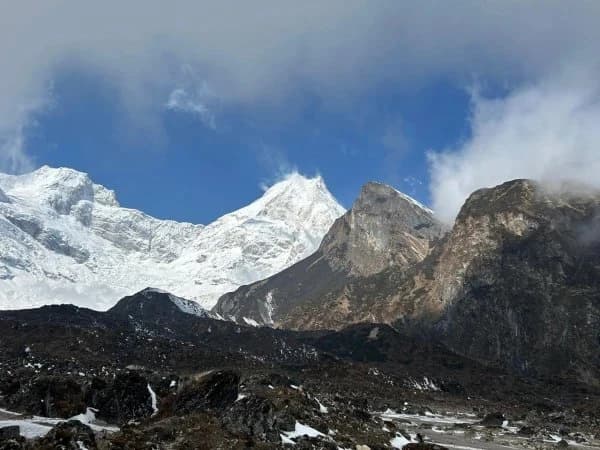
(161 reviews)
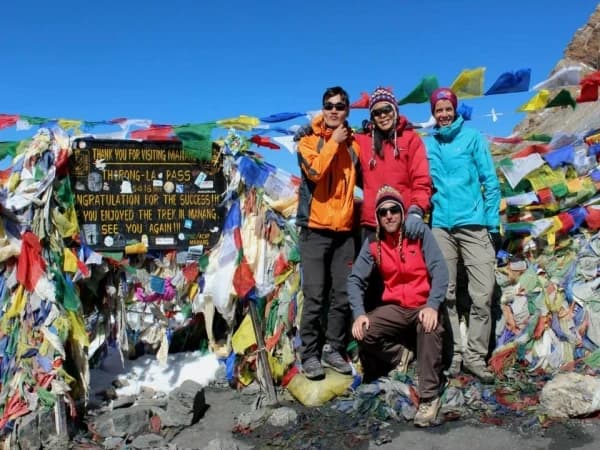
Manaslu Circuit Trek - 12 Days | Remote Larkya La Pass Expedition
Starts From
ExploreUS$799
Latest Travel Blogs
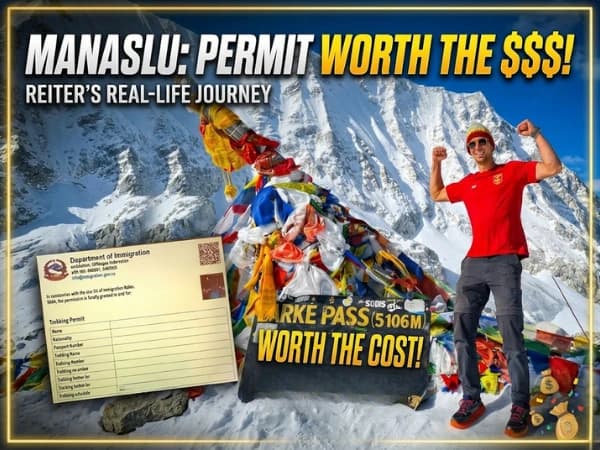
Can You Trek Manaslu Solo in 2026? The Permit Rule That Changed, and What It Really Costs
Nepal now issues a Manaslu restricted-area permit to a single trekker. What that means, what it does not mean, and what it costs.
Read More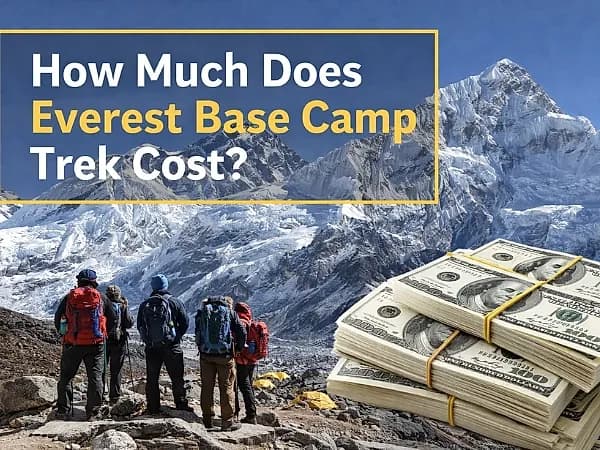
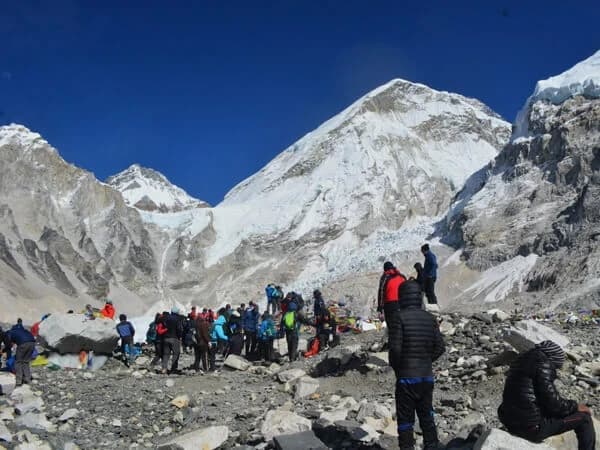
Everest Base Camp Trek Cost From France: The Real All-In Numbers in Euros for 2026 and 2027
What the Everest Base Camp trek really costs from France, all in and in euros, with the arithmetic shown.
Read More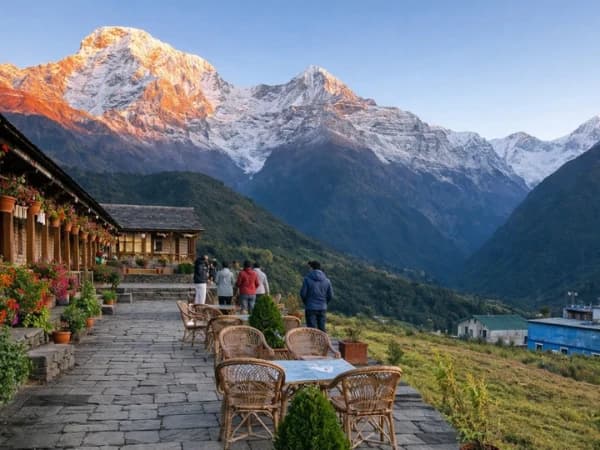
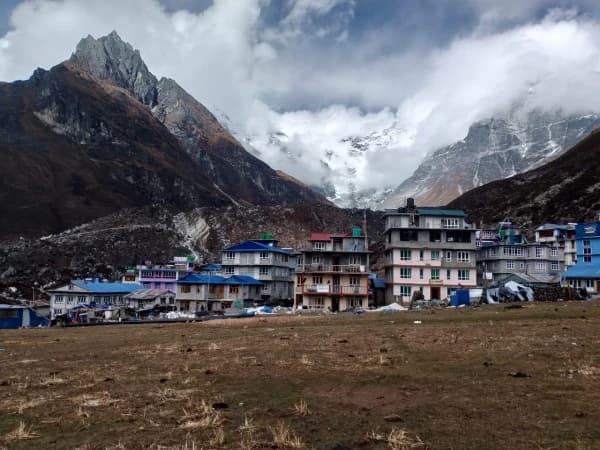
Kimrong Khola landslide: which Annapurna trails are not safe right now (September 2026)
A landslide has blocked the Kimrong Khola in Kaski and residents of Nayapul and Birethanti have been asked to move to safe ground. Which Annapurna treks are on hold, which are open, and what to do if you are booked.
Read More Chat with Shreejan