
What to buy in Nepal and Kathmandu. Pashmina, singing bowls, thangka, trekking gear in Thamel. Real prices, bargaining tips, and how to spot fakes.
Govt Regd. No.: 147653/072/073
Travel Agency Licence: 2838/072
What to Buy in Nepal: The Ultimate Kathmandu Shopping Guide (With Real Prices)

What to Buy in Nepal: A Local's Shopping Guide (Including What NOT to Buy)
By Shreejan Simkhada | April 2026
Short answer: The best buys are genuine pashmina (USD 50 to 150), handmade singing bowls (a medium one is USD 25 to 60), thangka paintings, Nepali tea, spices, lokta paper, felt and prayer flags. Bargain: start at 40 to 50 percent of the first price and expect to settle at 50 to 70 percent. Buy from fair-trade shops or workshops in Patan and Boudhanath, and do not buy antiques without an export certificate.
Prices in Thamel are rarely fixed, and a smile helps. Shopkeepers tend to drop the price for polite, relaxed customers and hold it for people who rush or push.
Thamel has changed over the years, but the principle has not: Nepal's shopping scene rewards the curious, the patient, and the polite. It punishes the rushed and the gullible.
After years of watching trekkers buy overpriced singing bowls and fake pashminas, I figured it's time to write the guide I wish someone had given me to hand out at the airport. Here's what's worth your money, what's a rip-off, and exactly what you should pay.
What are the best things to buy in Nepal?
Pashmina Shawls
Nepal produces some of the finest pashmina in the world. It comes from Chyangra mountain goats living above 3,000 metres, and the fibre is extraordinarily soft and warm. A genuine pashmina shawl is a beautiful thing.
The problem: a large share of what's sold as "pashmina" in Thamel is actually acrylic, viscose, or a blend with minimal real pashmina content. The sellers know this. They don't care.
How to spot genuine pashmina:
- The burn test: Ask the shopkeeper if you can pull a tiny fibre and burn it (serious shops will let you). Real pashmina smells like burning hair and turns to ash. Acrylic melts into a plastic ball and smells chemical.
- The ring test: A genuine pashmina shawl should pass through a wedding ring. If it's too thick or stiff to pull through, it's not pure pashmina.
- Price: If it costs less than $30, it's not real. Full stop. A genuine 100% pashmina shawl costs $50-150 depending on size, weave, and embroidery. A pashmina-silk blend (70/30) costs $30-70.
- Weight: Real pashmina is almost impossibly light. If the shawl feels heavy, it's blended or fake.
Where to buy: Skip the Thamel street stalls. Go to established shops like Dhukuti (fair trade, fixed prices in Kupondole), Pashmina stores around Lazimpat, or the Nepal Pashmina Industries Association-certified shops. You'll pay more than the street price, but you'll actually get pashmina.
Singing Bowls
These are the hammered metal bowls that produce a resonant hum when you run a wooden mallet around the rim. They're used in meditation and sound therapy, and they've become Nepal's most iconic souvenir.
The truth: most singing bowls sold in Thamel are machine-made in India. They work, they sing, but they're mass-produced. A genuine handmade Nepali singing bowl is hammered from a bronze alloy (traditionally seven metals, though that's partly mythology), and you can see the hammer marks.
Prices:
- Small machine-made bowl (10-12cm): $8-15
- Medium handmade bowl (15-20cm): $25-60
- Large handmade antique-style bowl (20-30cm): $80-250
- Genuine antique bowls (if you can verify them): $200-1,000+
The test: Strike the bowl and listen. A good singing bowl sustains its tone for 30+ seconds. A cheap one dies quickly. Run the mallet around the rim: the vibration should be smooth and even. If it buzzes or rattles, the metal quality is poor.
Where to buy: The singing bowl shops along the lane from Thamel to Boudhanath are where the serious dealers are. Ask to try multiple bowls. No genuine seller will rush you.
Thangka Paintings
These are the detailed Buddhist paintings on cotton or silk canvas, depicting deities, mandalas, and religious scenes. A real thangka can take months to complete and is a genuine artwork.
A tourist thangka takes a few hours and costs $20. A real one takes 3-12 months and costs $200-2,000+. Both hang on your wall. Only one is art.
How to tell the difference:
- Detail: Look at the faces. In a genuine thangka, each face has individually painted features with fine brush strokes. Mass-produced ones have stencilled, flat faces.
- Gold: Real thangkas use actual gold paint for highlights. Touch it gently: real gold paint has a slight texture. Cheap gold paint is flat and uniform.
- Canvas: Genuine thangkas are painted on cotton stretched over a frame, then mounted on brocade silk. Tourist versions are often printed or painted on rough fabric.
Where to buy: Patan is the traditional centre for thangka painters. Visit workshops where you can watch artists working. Boudhanath stupa area also has reputable galleries. In Thamel, the Thangka Painting School near Mandala Street is worth visiting.
Khukuri Knives
The curved Gurkha knife is an icon of Nepal. Genuine khukuris are still hand-forged by Kami (blacksmith caste) craftsmen, and a good one is both beautiful and functional.
Prices:
- Tourist-grade (decorative, not for use): $10-25
- Working-grade (carbon steel, proper tang): $30-80
- Military-grade (the real deal, similar to British Gurkha issue): $80-200
Where to buy: The Khukuri House in Thamel is reliable. For the best quality, the Gurkha Memorial Museum shop in Pokhara sells genuine military-spec khukuris. Bhaktapur has several blacksmith workshops where you can watch them being made.
Customs warning: You can take a khukuri home in your checked luggage. Never put it in carry-on. Some countries have import restrictions on blade length. Check your country's rules before buying a large ceremonial one.
Nepali Tea
Nepal produces excellent tea, particularly from the Ilam and Dhankuta regions in the east. The orthodox teas rival Darjeeling (they're grown in the same hills, just across the border), and speciality white and oolong teas are increasingly sought after.
Prices:
- Standard Nepali black tea (100g): $3-5
- Premium orthodox first-flush (100g): $8-15
- White tea (50g): $10-20
- Golden tips/speciality (50g): $15-30
Where to buy: Nepal Tea House in Thamel has a good range with tasting available. Ason market for bulk purchases at local prices. Avoid airport shops: same tea, triple the price.
Spices
Timur (Sichuan pepper), jimbu (Himalayan herb), turmeric, cardamom, and mixed masala. The spice shops in Asan market are incredible: piles of colour and fragrance in an ancient bazaar that hasn't changed much in centuries.
Prices: Absurdly cheap. A bag of timur that'd cost $15 at a speciality store back home costs $2-3 in Asan. Buy small amounts of several varieties. They pack well and last for months.
Handmade Lokta Paper Products
Lokta paper is made from the bark of the Daphne bush that grows at altitude. It's tough, beautiful, and naturally resistant to insects and mould. Journals, wrapping paper, greeting cards, lampshades: all made from this stuff.
Prices: Journals $5-15, sheets of decorative paper $1-3, sets of greeting cards $5-8. Fair trade shops in Patan Durbar Square area have the best selection.
Felt Products
Handmade felt from Nepali wool. Slippers, bags, hats, toys, coasters, trivets. The quality varies enormously. The best felt products come from fair-trade cooperatives.
Prices: Felt slippers $5-12, bags $10-25, children's toys $3-8.
Where to buy: Mahaguthi and Sana Hastakala in Kupondole and Kopundol are fair-trade cooperatives where the money actually goes to the artisans. Thamel has felt shops everywhere, but quality control is hit-and-miss.
Prayer Flags
Five colours (blue, white, red, green, yellow) representing sky, air, fire, water, and earth. They're hung outdoors and the wind carries the printed prayers across the land. Every trekker buys them. They're light, cheap, and genuinely meaningful.
Prices: A string of 10 small flags costs $2-5. Larger ceremonial strings cost $5-15. Buy them near Boudhanath or Swayambhunath (Monkey Temple) where the selection is best and the prices are fair.
Where is the best place to shop in Kathmandu?
Thamel (Kathmandu)
The tourist epicentre. Hundreds of shops selling everything from singing bowls to "Same Same But Different" t-shirts. Prices are inflated but negotiable. It's convenient and fun to browse. Just know that the first price quoted is usually 2-3 times the actual selling price. This isn't deception: it's the game. They expect you to bargain.
Patan Durbar Square Area
More authentic, fewer tourists, better quality crafts. Patan (Lalitpur) is the traditional centre for metalwork, thangka painting, and woodcarving. The shops around the square are run by families who've been making this stuff for generations. Prices are often lower than Thamel, and the quality is consistently higher.
Asan Market (Kathmandu)
This is where Kathmandu locals shop. Spices, tea, household goods, fabrics, religious items. It's chaotic, narrow, and wonderful. No tourist mark-up because tourists rarely make it here. Bring small bills and be prepared to work through crowds.
Boudhanath Stupa Area
The Tibetan Buddhist neighbourhood. Best for singing bowls, thangkas, Tibetan jewellery, and Buddhist religious items. The shops here cater to both pilgrims and tourists, and the Tibetan refugee community produces genuinely beautiful crafts. Quality is generally higher than Thamel.
How does bargaining work in Nepal?
Bargaining is expected in Nepal. It's not rude. It's social. Here's how to do it without being annoying:
- Ask the price. The shopkeeper names a number. This is the starting point, not the real price.
- Counter with 40-50% of their price. They'll act offended. They're not.
- Go back and forth 2-3 times. You'll usually settle around 50-70% of the original asking price.
- If you genuinely don't want it, don't start bargaining. Walking away after serious negotiation is fine, but starting a bargain you never intend to complete is considered disrespectful.
- Smile. Chat. Ask about their family. The best prices come from genuine human connection, not aggressive haggling.
Where you DON'T bargain: Fixed-price shops (they'll have a sign), fair-trade cooperatives, restaurants, hotels, and supermarkets. If there's a price tag, that's the price.
How much do souvenirs cost in Nepal?
Here's what you should actually pay after bargaining, so you know you're not getting fleeced:
| Item | Tourist Price (Don't Pay This) | Fair Price (After Bargaining) |
|---|---|---|
| Pashmina shawl (genuine) | $150-300 | $50-150 |
| Pashmina shawl (blend) | $50-100 | $20-40 |
| Singing bowl (medium, handmade) | $80-150 | $30-60 |
| Thangka (tourist quality) | $50-100 | $15-30 |
| Thangka (genuine artist) | $300-800 | $200-600 (less negotiable) |
| Khukuri (working grade) | $80-150 | $30-70 |
| Prayer flags (string of 10) | $8-15 | $2-5 |
| Felt slippers | $15-25 | $5-10 |
| Lokta paper journal | $15-25 | $5-12 |
| Nepali tea (100g premium) | $15-25 | $8-15 |
| Tibetan jewellery (silver) | $30-80 | $15-40 |
| Carved wooden mask | $40-100 | $15-40 |
| Buddha statue (brass, 15cm) | $40-80 | $15-35 |
Is trekking gear in Thamel real or fake?
Let's be straight about this. Thamel is full of shops selling "North Face," "Mammut," "Arc'teryx," and "Patagonia" gear. Most of it is counterfeit. Everyone knows this. Nobody pretends otherwise.
Here's my honest take:
Fake down jackets ($20-40): They work for a two-week trek. They're warm enough, they're light enough, and they cost a fraction of the real thing. They won't last more than one or two seasons of heavy use. For most trekkers, that's fine.
Fake Gore-Tex jackets ($15-30): They're water-resistant, not waterproof. Fine for light rain, useless in a downpour. If you're trekking during monsoon shoulder season, bring a genuine rain jacket from home.
Fake trekking pants ($8-15): Honestly pretty good. Quick-drying, comfortable, plenty of pockets. The zips might fail after a few months, but for the price, who cares?
Fake boots: No. Do not buy fake trekking boots. Your feet are everything on a trek. Bad boots cause blisters, ankle injuries, and misery. Bring proper boots from home, broken in.
There are a few shops in Thamel that sell genuine seconds, factory overruns, and end-of-line authentic gear. North Face has an actual outlet near Durbar Marg. These are worth seeking out if you want real gear at reduced prices.
What should you not buy in Nepal?
This is where most shopping guides stop. Here's what they don't tell you:
Antiques (Without Export Permits)
Nepal has strict laws about exporting items over 100 years old. This includes old statues, religious artefacts, and genuine antique singing bowls. If you buy something the seller claims is antique, you need an export certificate from the Department of Archaeology. Without it, customs can confiscate the item and you can face legal trouble. Most "antiques" in Thamel aren't actually old. But if something genuinely looks ancient, ask questions.
Wild Animal Products
Shahtoosh shawls (from endangered Tibetan antelope), ivory, wild animal skins, or products from endangered species. These are illegal to buy, sell, or transport under CITES. Don't be the person who gets stopped at customs with a shahtoosh. It happens more often than you'd think.
Religious Items You Don't Understand
I say this respectfully: some items have deep religious significance, such as tantric ritual objects, specific Buddhist or Hindu deity statues, religious manuscripts. Buying them as decoration is fine legally, but ask the seller what the item represents. It matters to us culturally, and understanding what you're buying makes the souvenir meaningful rather than just decorative.
Gems and "Precious" Stones
Unless you're a gemologist, don't buy precious stones in Nepal. The fake gem scam (where you're told to sell them for profit at home) has been running for decades and still catches people. If a deal seems too good to be true, it absolutely is.
How can I support local artisans when shopping in Nepal?
I want to be honest about this because it matters. When you buy a $5 singing bowl from a Thamel street vendor, maybe $1 goes to the person who made it. The rest is markup through middlemen.
When you buy from a fair-trade cooperative or directly from an artisan workshop, 60-80% of the price reaches the maker. These places exist and they're easy to find:
- Dhukuti (Kupondole): Fair-trade crafts, fixed prices, profits support rural artisans
- Mahaguthi (Kopundol): One of Nepal's oldest fair-trade organisations
- Sana Hastakala: Fair-trade handicrafts, several Kathmandu locations
- Women's Foundation Nepal, Felt products made by women's cooperatives
- Patan Industrial Estate, Workshops where you can buy directly from makers
You'll pay slightly more than street-stall prices at these places. But the quality is better, the money goes where it should, and you can feel good about what you're bringing home.
What can I bring home from Nepal through customs?
Most Nepali souvenirs pass through customs without any issues. But here's what to know:
- No export permits needed for: Modern handicrafts, clothing, tea, spices, singing bowls (modern), thangkas (modern), prayer flags, felt products, paper products
- Export permit required for: Items over 100 years old (from Department of Archaeology)
- Prohibited: Wild animal products, certain religious manuscripts, narcotics (obviously), precious metals above certain quantities
- Your home country rules: Check agricultural import rules for tea, spices, and wooden items. The US, EU, UK, and Australia all have varying rules about bringing in plant-based products
Pack fragile items (singing bowls, statues) in your checked luggage surrounded by clothes. Wrap them in the pashminas you bought, double duty. Khukuris go in checked luggage only.
One Last Thing
Shopping in Nepal is part of the experience, not separate from it. The best purchases I've seen visitors make aren't the most expensive ones. They're the ones with stories attached. The singing bowl from the old man who taught you how to make it sing. The pashmina from the shop where you drank three cups of tea before deciding. The prayer flags from the monastery near Boudhanath where a monk blessed them for you.
Take your time. Talk to people. And smile nicely. You'll get the better price.
If you're visiting Kathmandu as part of one of our tours, like the Kathmandu-Pokhara Tour or the Kathmandu-Bandipur-Pokhara-Chitwan Tour, your guide can take you to the good shops. Just ask. We'd rather you buy well than buy twice.
For trip planning, visit our Plan Your Trip page.
WhatsApp: +977 9810351300
Email: [email protected]
Shreejan Simkhada is the CEO of The Everest Holiday and a third-generation Himalayan guide. TAAN Member #1586.
Kathmandu shopping pairs with our Kathmandu-Pokhara tour. Our Kathmandu & Pokhara Tour (7 Days) is private (your group only, no strangers), 2027 dates open, From USD $749. WhatsApp us for tailored 2027 dates and current departures.
Planning a trip to Nepal?
Drop us your details and tell us what you have in mind. We will put together a personalised plan and get back to you.
Not sure which Nepal trek is right for you?
Take our free 2-minute quiz and get personalised recommendations based on your fitness, experience, and travel style.
Find Your Perfect Trek →Need Help? Call Us+977 9810351300orChat with us on WhatsApp
Related Trek Packages
 US$949
8 DaysMax 20
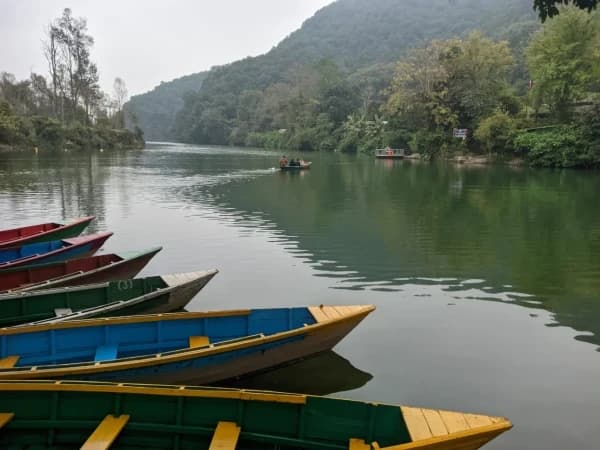 US$749
7 DaysMax 20
Latest Travel Blogs
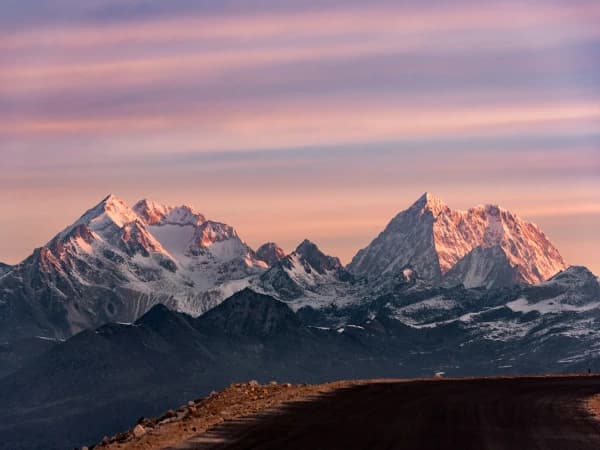
Christmas and New Year Treks from Pokhara 2026/27: 3 to 5 Days
<p>Short treks from Pokhara for Christmas and New Year 2026/27: Panchase 3 days, Poon Hill 4 days and Mardi Himal 5 days. Weather, snow, what is open, and prices by group size.</p>
Read More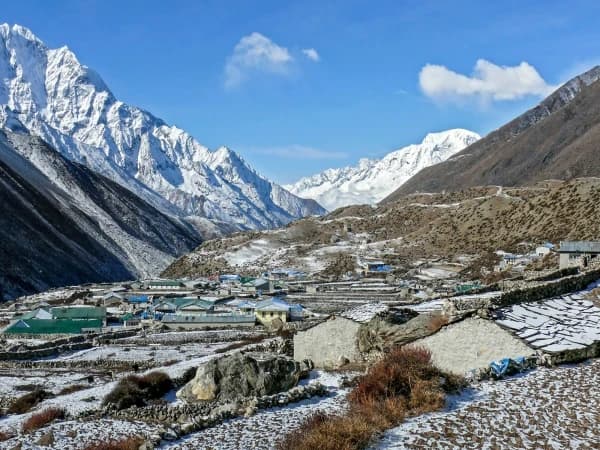
Thamdanda and Surke: The Road Head for Everest Base Camp by Road
Thamdanda is the road head where our Everest Base Camp trek by road starts and ends on foot. How to get there from Phaplu and what the first walk to Paiya is like.
Read MorePoon Hill Trek Permits 2027: ACAP, TIMS, Cost and What You Need
Poon Hill needs two permits: ACAP at NPR 3,000 and a TIMS card at NPR 2,000. Who arranges them, where they are checked, SAARC rates and the 2027 trek prices.
Read More Chat with Shreejan