Rest days aren't lazy days. Here's exactly what happens during acclimatisation on a Nepal trek: the science, the schedule, and why skipping one is dangerous.
Govt Regd. No.: 147653/072/073
Travel Agency Licence: 2838/072
What Happens on an Acclimatisation Day? Your Body, Your Schedule, Your Questions

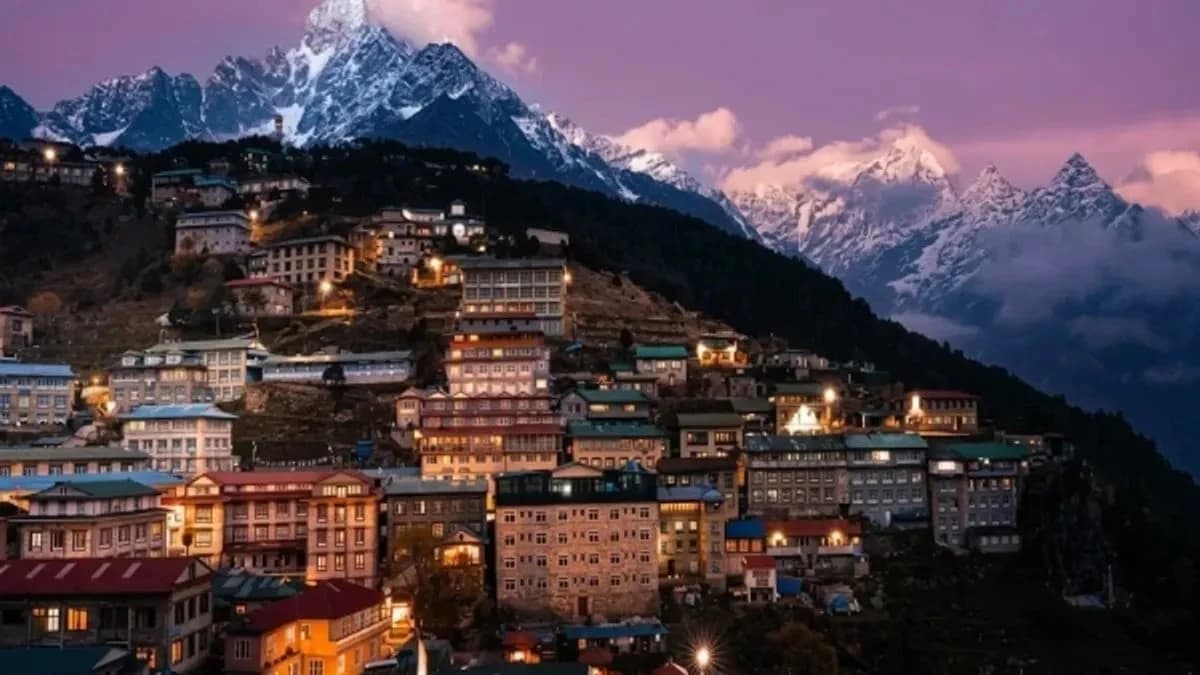
Short answer: An acclimatisation day is not a rest day. You stay at the same village for a second night but walk a few hundred metres higher and come back down, for example from Namche Bazaar (3,440 m) up towards the Everest View Hotel (3,880 m). This helps your body make the changes it needs for thinner air and cuts the risk of altitude sickness. They are built into our 12-day Everest Base Camp trek.
What Happens on an Acclimatisation Day? Your Body, Your Schedule, Your Questions
You've been walking for three or four days. Your legs feel strong, your lungs have settled into a rhythm, and the trail keeps climbing. Then your guide says something that makes no sense: "Tomorrow we stay here."
Stay here? You feel fine. The weather is perfect. The next village is only five hours away. Why would you waste an entire day sitting around?
This is the moment that separates trekkers who reach their destination from trekkers who get helicoptered out. Because an acclimatisation day is not a rest day. It's the most important day of your trek, and what happens during those twenty-four hours inside your body is more demanding than any pass crossing or steep climb you'll face in Nepal.
Why does your body need acclimatisation days at altitude?
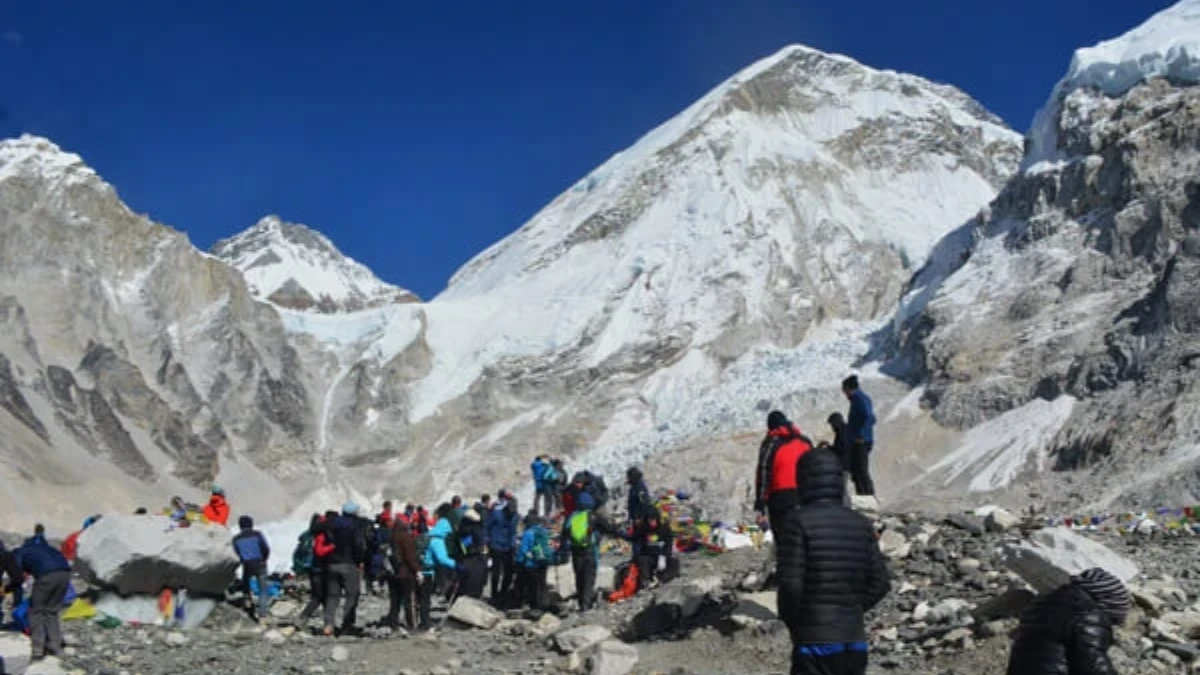
At sea level, the air pressure pushes oxygen into your blood efficiently. At 3,400 metres in Namche Bazaar, that pressure has dropped by roughly a third. At 4,400 metres in Dingboche, it's nearly halved. Your body receives less oxygen with every breath, and it needs time to compensate.
The compensation is remarkable. Within hours of reaching altitude, your breathing rate increases. Over the next two to three days, your kidneys begin excreting bicarbonate to shift your blood chemistry, making it easier for haemoglobin to release oxygen into your tissues. Your heart pumps faster. Your body starts producing more red blood cells. None of this happens overnight, and none of it can be hurried by fitness, willpower, or Diamox.
The golden rule of altitude is three words: climb high, sleep low. On an acclimatisation day, you hike to a higher elevation during the morning, exposing your body to thinner air and triggering those adaptive responses. Then you descend to your teahouse and sleep at the lower altitude, giving your organs time to process the changes in denser air. It's controlled stress followed by recovery. It works. It has saved thousands of lives in the Himalaya.
What Does a Typical Acclimatisation Day Look Like Hour by Hour?
There's no single template. Your guide adjusts based on how the group is feeling, the weather, and which acclimatisation stop you're at. But here's a realistic schedule from a Day 4 acclimatisation in Namche Bazaar on the EBC trek.
6:30 AM - Wake Up and Health Check
Your guide visits each room with a pulse oximeter. You clip it on your finger. It reads two numbers: your heart rate and your SpO2 (blood oxygen saturation). At Namche, a reading of 85-92% is perfectly normal. At sea level you'd be in hospital with those numbers. At 3,440 metres, it means your body is doing its job.
Your guide also asks questions. Did you sleep? Any headache? Nausea? How's your appetite? These aren't polite conversation. They're a clinical assessment. An experienced guide can read the difference between "I slept badly because the bed was hard" and "I slept badly because my breathing kept stopping" within a few sentences.
7:00 AM - Breakfast
Porridge, eggs, toast, tea. Eat even if you don't feel like it. Loss of appetite is one of the first altitude symptoms, and it creates a dangerous cycle: less food means less energy, less energy means more fatigue, more fatigue mimics worsening altitude sickness. Force the porridge down. Your body needs the fuel.
8:30 AM - The Acclimatisation Hike Begins
This is the "climb high" part. From Namche, you'll walk uphill toward the Everest View Hotel at 3,880 metres. The pace is deliberately slow. Your guide sets a rhythm that feels almost frustratingly gentle. There's a reason. You're not trying to get fit today. You're trying to expose your lungs and blood to thinner air without exhausting yourself.
The hike takes two to three hours up. Along the way, you'll get your first proper view of Everest, Lhotse, and Ama Dablam. Some groups stop at the Sagarmatha National Park museum. Others push to the Syangboche airstrip. The destination matters less than the altitude gained.
11:00 AM - Viewpoint Stop
Tea, biscuits, photographs. Your guide checks SpO2 again at the high point. This reading, compared to your morning reading, tells them how your body responds to altitude change. A trekker whose numbers drop significantly under load needs closer watching over the coming days.
11:30 AM - Descend Back to Namche
The "sleep low" part. Walking downhill, you can feel the air thickening. Breathing gets easier. The mild headache from the morning often eases on the descent. This isn't coincidence. Your body is already responding to the stimulus of the morning's higher altitude.
12:30 PM - Lunch
Dal bhat if you're wise. The Nepali staple of rice, lentil soup, vegetables, and pickles is the best altitude food available. It's filling, nutritious, easy to digest, and endlessly refillable. Most teahouses will give you a second helping for free. Take it.
1:30 PM - Free Afternoon
This is where trekkers make mistakes. "Free afternoon" does not mean "lie in your sleeping bag for six hours." Gentle movement helps acclimatisation. Walk around Namche. Visit the Saturday market if it's the right day. Browse the gear shops. Sit outside in the sun with a book and a cup of hot lemon. Stay gently active, stay hydrated, and stay out of your sleeping bag until bedtime.
3:00 PM - Hydration Check
Your guide will remind you to drink. You need three to four litres of fluid per day above 3,000 metres. The air is dry, you're breathing harder, and the cold suppresses your thirst reflex. By the time you feel thirsty, you're already behind. Hot tea, hot lemon with honey, soup at meals, and water between stops. The colour of your urine is the simplest indicator: pale yellow means you're on track, dark yellow means drink more now.
5:30 PM - Dinner
Eat well. Carbohydrates are your friend at altitude. Pasta, rice, potatoes. Avoid alcohol completely. One beer at 3,400 metres hits like three at sea level, dehydrates you, and disrupts the already-fragile sleep that altitude causes.
7:00 PM - Evening Health Check
SpO2 again. Your guide compares the evening number to the morning number and the high-point number. An improving trend across the day is exactly what they want to see. They'll also ask about headache, appetite, and energy levels. This data goes into their mental file for each trekker, and it shapes decisions for the days ahead.
8:00 PM - Bed
You won't sleep well. Almost nobody does above 3,500 metres. Your breathing pattern changes at night, alternating between deep breaths and shallow pauses. You'll wake up gasping several times. This is called Cheyne-Stokes respiration and it's normal, even though it's frightening the first time it happens. It does not mean you're getting sicker. It means your body is recalibrating its oxygen response during sleep.
What does a trekking guide check on an acclimatisation day?
The pulse oximeter is a small device, but it carries enormous weight. Here's what the numbers mean in context:
- SpO2 above 90% at 3,500m: Excellent. Your body is adapting well.
- SpO2 85-90% at 3,500m: Normal. No concern unless paired with symptoms.
- SpO2 below 80% at 3,500m: Your guide pays closer attention. If you also have a persistent headache, nausea, or confusion, the conversation shifts to whether you continue.
- SpO2 dropping significantly from morning to evening: A warning sign. Your body may not be compensating fast enough.
But numbers alone don't tell the story. I've seen trekkers with SpO2 of 76% eating dal bhat and laughing, completely fine. I've seen trekkers with SpO2 of 88% stumbling on flat ground. Context matters. Appetite matters. Mood matters. A good guide reads all of it together.
Symptoms You Will Probably Experience (and Shouldn't Panic About)
Let's be honest. Acclimatisation days exist because altitude makes you feel rough. Here's what's normal:
- Mild headache: The most common symptom above 3,000 metres. Paracetamol and water usually sort it within hours. If it doesn't respond to paracetamol, tell your guide.
- Loss of appetite: Your stomach doesn't want food. Eat anyway. Small portions, frequently.
- Fatigue: You slept eight hours and feel like you slept two. Normal. This improves after acclimatisation.
- Nausea: Mild queasiness, especially in the morning. If you're actually vomiting, that's a different conversation.
- Insomnia: Broken sleep, weird dreams, waking up breathless. Universal above 4,000 metres.
- Irritability: Altitude makes people grumpy. It's physiological, not personal. Your guide knows this.
- Shortness of breath on exertion: Walking upstairs at a teahouse leaves you panting. This is your body working with less oxygen. It improves as you acclimatise.
What are the danger signs of altitude sickness on a trek?
Most altitude symptoms are uncomfortable but harmless. These are not:
- Headache that won't go away with paracetamol and rest: This could indicate the beginning of High Altitude Cerebral Oedema (HACE).
- Inability to walk in a straight line: Test this. Walk heel-to-toe along a line. If you can't, descend immediately.
- Persistent vomiting: You can't keep fluids down, which accelerates dehydration and worsens everything.
- Wet, persistent cough: Especially if producing pink or frothy sputum. This may indicate High Altitude Pulmonary Oedema (HAPE).
- Confusion or unusual behaviour: If your trekking partner starts saying things that don't make sense, or becomes unusually aggressive or withdrawn, this is a medical emergency.
- Blue lips or fingernails: A sign of severely low oxygen saturation.
Any of these symptoms means one thing: descend. Not tomorrow. Not after breakfast. Now. Every hour at altitude with these symptoms increases the risk. HACE and HAPE are both treatable by descent. They are both fatal at altitude.
What should you not do on an acclimatisation day?
Trekkers sabotage their own acclimatisation more often than you'd think. Avoid these mistakes:
- Don't skip the acclimatisation hike. Lying in bed all day does not help you acclimatise. Gentle uphill movement is part of the process.
- Don't take sleeping pills. They suppress your respiratory drive, which is the exact mechanism your body uses to compensate for altitude. Sleeping pills at altitude are genuinely dangerous.
- Don't drink alcohol. It dehydrates you, disrupts sleep, and masks symptoms. That celebratory beer can wait for Kathmandu.
- Don't push ahead because you feel fine. AMS symptoms are delayed. You feel today's altitude tomorrow. The fit trekker who skips the rest day because they "feel great" is the trekker most likely to collapse at the next camp.
- Don't ignore your guide's advice. If your guide says you need an extra rest day, you need an extra rest day. They've watched hundreds of bodies adapt and fail at altitude. Trust their judgement over your enthusiasm.
Where Acclimatisation Days Fall on Popular Nepal Treks
Every well-designed itinerary builds in specific acclimatisation stops. Here's where they happen on the routes we operate most frequently.
Everest Base Camp Trek (12 Days)
On our classic EBC itinerary, acclimatisation days fall at:
- Day 4 - Namche Bazaar (3,440m): Hike to Everest View Hotel (3,880m). This is your first real altitude exposure and the most critical acclimatisation day of the trek.
- Day 7 - Dingboche (4,410m): Hike toward the Nangkartshang viewpoint (approximately 5,000m) with views of Island Peak, Makalu, and Lhotse. By this point your body has had three days to build on the Namche acclimatisation.
The 15-day EBC by road itinerary includes the same stops but with more gradual altitude gain in the early days, which many trekkers find more comfortable.
Annapurna Circuit Trek
The Annapurna Circuit has its key acclimatisation day in Manang (3,540m). You'll hike up to the Ice Lake at around 4,600 metres or to the viewpoint above Braga. This prepares your body for the big push over Thorong La Pass (5,416m), which comes two days later. Skipping the Manang rest day before Thorong La is one of the most common causes of evacuation on the Circuit.
Langtang Valley Trek
On the Langtang Valley trek, acclimatisation happens at Kyanjin Gompa (3,870m). You hike to Tserko Ri (4,984m) for one of the finest viewpoints in Nepal, then return to sleep at the lower village. Langtang's altitude gain is more gradual than EBC, so some trekkers feel the effects less severely here.
Manaslu Circuit Trek
The Manaslu Circuit builds in an acclimatisation day at Samagaun (3,530m), where you can hike toward Manaslu Base Camp at approximately 4,800 metres. This prepares you for the Larkya La Pass (5,160m). Manaslu is quieter than both EBC and Annapurna, and the acclimatisation day in Samagaun feels genuinely restful.
Other Treks
On the Everest Three Pass trek, you'll have multiple acclimatisation days because you're crossing three passes above 5,300 metres. The Gokyo Lake trek includes acclimatisation at Machhermo before pushing to the lakes. Even the Ghorepani Poon Hill trek, which stays below 3,300 metres, is designed with gradual altitude gain so your body adjusts naturally without needing a dedicated rest day.
Higher-altitude routes like Island Peak and the Kanchenjunga Base Camp trek require even more careful acclimatisation planning, sometimes with three or four rest days built into the schedule.
What should you eat and drink on an acclimatisation day?
Your diet on acclimatisation days should focus on three things: carbohydrates, hydration, and regularity.
- Carbohydrates: Your body metabolises carbs more efficiently at altitude than protein or fat. Rice, pasta, potatoes, porridge, bread. These are your primary fuel sources.
- Dal bhat: The national dish of Nepal and the best trekking food in the world. Rice and lentil soup with vegetables and pickles. Filling, nutritious, endlessly refillable. Eat it at least once a day.
- Garlic soup: A Himalayan tradition. Many trekkers and guides swear by garlic's effect on altitude symptoms. The science is thin, but the warmth and hydration are real, and a bowl of garlic soup at 4,000 metres feels genuinely medicinal.
- Hot drinks: Tea, hot lemon with honey, ginger tea. These count toward your fluid intake and warm you from inside. Have one at every stop.
- Avoid heavy, greasy food: Your digestion slows at altitude. A plate of fried food that your stomach handles easily in Kathmandu can sit like a stone at Dingboche.
- Snack between meals: Trail mix, biscuits, chocolate, dried fruit. Keep your energy steady rather than relying on three big meals.
Which Nepal treks need fewer acclimatisation days?
Not every Nepal trek requires formal acclimatisation days. If you're concerned about altitude and it's your first time trekking, routes like the Mardi Himal trek, the Poon Hill trek, or the Annapurna Base Camp trek reach lower maximum altitudes and involve less time above 4,000 metres. The Upper Mustang trek stays at moderate altitude throughout and is more about culture than altitude challenge.
But even on these treks, you'll notice the effects of elevation. A mild headache at 3,000 metres is not unusual. The difference is that on these routes, you rarely stay high long enough for it to become a problem.
Frequently Asked Questions
Can I skip the acclimatisation day if I feel fine?
No. And this is not negotiable. Altitude sickness symptoms are delayed by twelve to twenty-four hours. You feel today's altitude tomorrow. The trekker who feels fine at Namche and pushes ahead is feeling the effects of Namche at Tengboche, where they're already higher and the options for easy descent are fewer. Your guide will not let you skip an acclimatisation day, and this is one of those moments where their experience overrides your preference.
Will I definitely get altitude sickness?
Almost certainly, to some degree. Mild symptoms like headache, disrupted sleep, and reduced appetite affect the majority of trekkers above 3,500 metres. These are signs of your body adapting, not signs of failure. The acclimatisation days exist precisely so these symptoms can appear, be managed, and resolve before you go higher. Serious altitude sickness (HACE, HAPE) is rare when the itinerary is properly designed with rest days and gradual altitude gain.
Does fitness help with acclimatisation?
Fitness helps with the physical demands of trekking. It does not help with acclimatisation. Ultra-marathon runners and professional athletes get altitude sickness at the same rate as everyone else. In fact, very fit people sometimes fare worse because they push harder, move faster, and ignore early symptoms. The fittest person in your group is not guaranteed to acclimatise best. The most patient person usually is.
Should I take Diamox?
Speak to your doctor before your trip. Acetazolamide (Diamox) accelerates one of the acclimatisation processes in your kidneys. It doesn't prevent altitude sickness, but it can reduce the severity of symptoms. Common side effects include tingling in your fingers and toes, increased urination, and altered taste. Many trekkers take it. Many don't. It's not a substitute for proper acclimatisation days or a gradual ascent profile.
What happens if I need to descend during the trek?
Your guide arranges it immediately. On busy routes like EBC and Annapurna, there are teahouses and health posts at regular intervals during descent. On more remote treks like Kanchenjunga or Manaslu, helicopter evacuation is available and your travel insurance covers it (this is why we require insurance that covers helicopter rescue to 5,500m). Descent is never a failure. It's the correct medical response. Many trekkers descend a few hundred metres overnight and feel well enough to continue the next day.
Which company plans Nepal treks with acclimatisation built in?
Every itinerary we design at The Everest Holiday includes acclimatisation days at the right altitude, at the right time, in the right places. Our guides carry pulse oximeters, are trained in altitude illness recognition, and have years of experience reading the signs that matter. We don't cut rest days to save time. We don't let trekkers push ahead because they feel invincible. We get people to their destination and back safely.
If you have questions about altitude, acclimatisation, or which trek suits your experience level, talk to us directly. We'll give you honest answers.
WhatsApp:+977 9810351300
Email:[email protected]
Response time: Within 30 minutes during Nepal business hours
Written by Shreejan Simkhada, CEO of The Everest Holiday and third-generation Himalayan guide. TAAN Member #1586. Shreejan has personally led treks on every major route in Nepal and oversees the design of every itinerary to ensure proper acclimatisation is built into every schedule.
Acclimatisation days are not optional on EBC. Our Everest Base Camp Trek (12 Days) is private (your group only, no strangers), 2027 dates open, From USD $1399. WhatsApp us for tailored 2027 dates and current departures.
Planning a trip to Nepal?
Drop us your details and tell us what you have in mind. We will put together a personalised plan and get back to you.
Not sure which Nepal trek is right for you?
Take our free 2-minute quiz and get personalised recommendations based on your fitness, experience, and travel style.
Find Your Perfect Trek →Need Help? Call Us+977 9810351300orChat with us on WhatsApp
Latest Travel Blogs
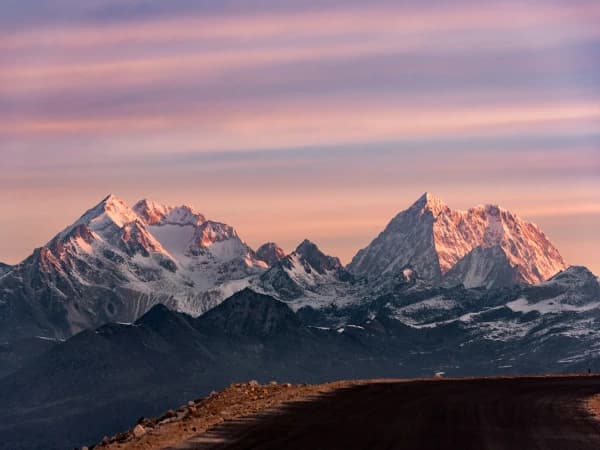
Christmas and New Year Treks from Pokhara 2026/27: 3 to 5 Days
<p>Short treks from Pokhara for Christmas and New Year 2026/27: Panchase 3 days, Poon Hill 4 days and Mardi Himal 5 days. Weather, snow, what is open, and prices by group size.</p>
Read More
Thamdanda and Surke: The Road Head for Everest Base Camp by Road
Thamdanda is the road head where our Everest Base Camp trek by road starts and ends on foot. How to get there from Phaplu and what the first walk to Paiya is like.
Read MorePoon Hill Trek Permits 2027: ACAP, TIMS, Cost and What You Need
Poon Hill needs two permits: ACAP at NPR 3,000 and a TIMS card at NPR 2,000. Who arranges them, where they are checked, SAARC rates and the 2027 trek prices.
Read More Chat with Shreejan