

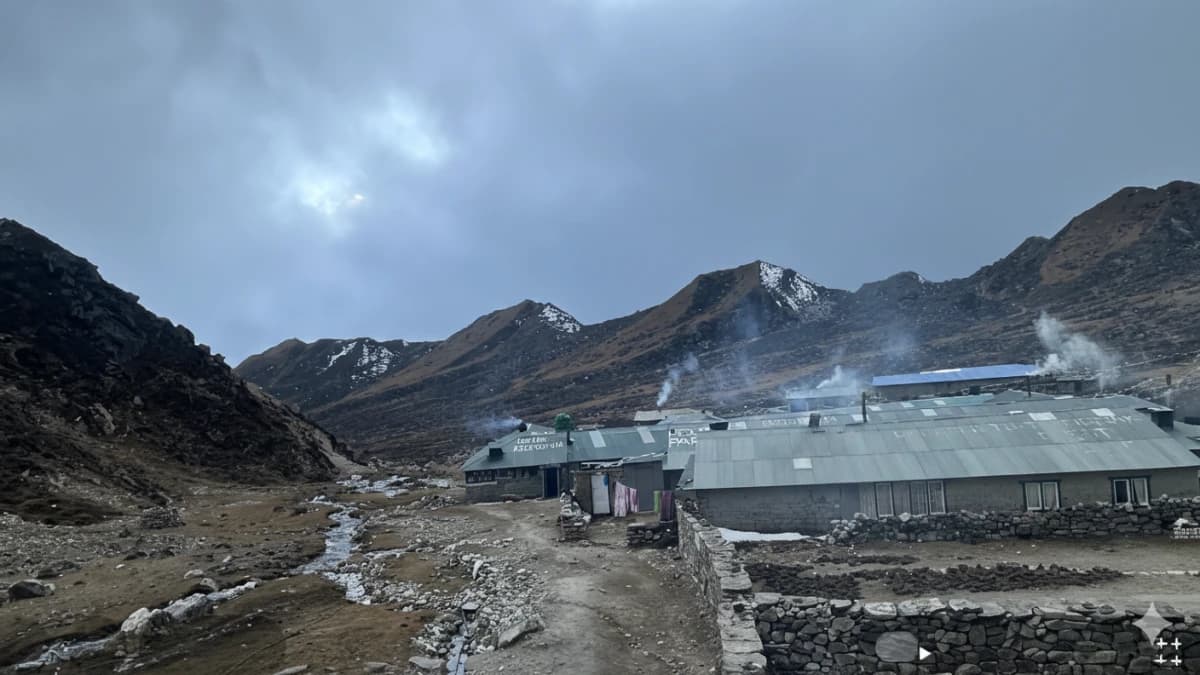
Short answer: Thangnak (4,700 m) is a handful of stone lodges at the edge of the Ngozumpa Glacier and the staging post for Cho La (5,420 m) on the Gokyo side. You spend one night there and leave before dawn to cross the pass. It is on our Everest Base Camp and Gokyo Lakes trek via Cho La and the Everest Three Passes trek.
Thangnak: The Last Stop Before Cho La
Thangnak is the kind of place that doesn't appear in glossy travel brochures. There are no pretty teahouses with flower boxes. No Wi-Fi. No hot showers. What there is, at 4,700 metres on the edge of the largest glacier in Nepal, is a handful of stone lodges, some of the most dramatic mountain scenery you'll ever see, and the quiet, focused atmosphere of trekkers preparing for what comes next: Cho La Pass.
If you're on the Three Passes trek, Thangnak is your staging post. You'll arrive from Gokyo or from the Ngozumpa Glacier trail, spend one night here, and set off before dawn the next morning to cross Cho La (5,420m). It's a brief stop, but an important one. How you spend your evening and night in Thangnak (what you eat, how you rest, whether you hydrate properly) has a direct impact on how you feel crossing the pass the following day.
We've guided trekkers through Thangnak dozens of times, and we'll be honest: it's not comfortable. But it's real. And the views from this tiny settlement, looking out across the Ngozumpa Glacier toward Cho Oyu and Gyachung Kang, are worth every moment of discomfort.
Where Is Thangnak on the Three Passes Route?
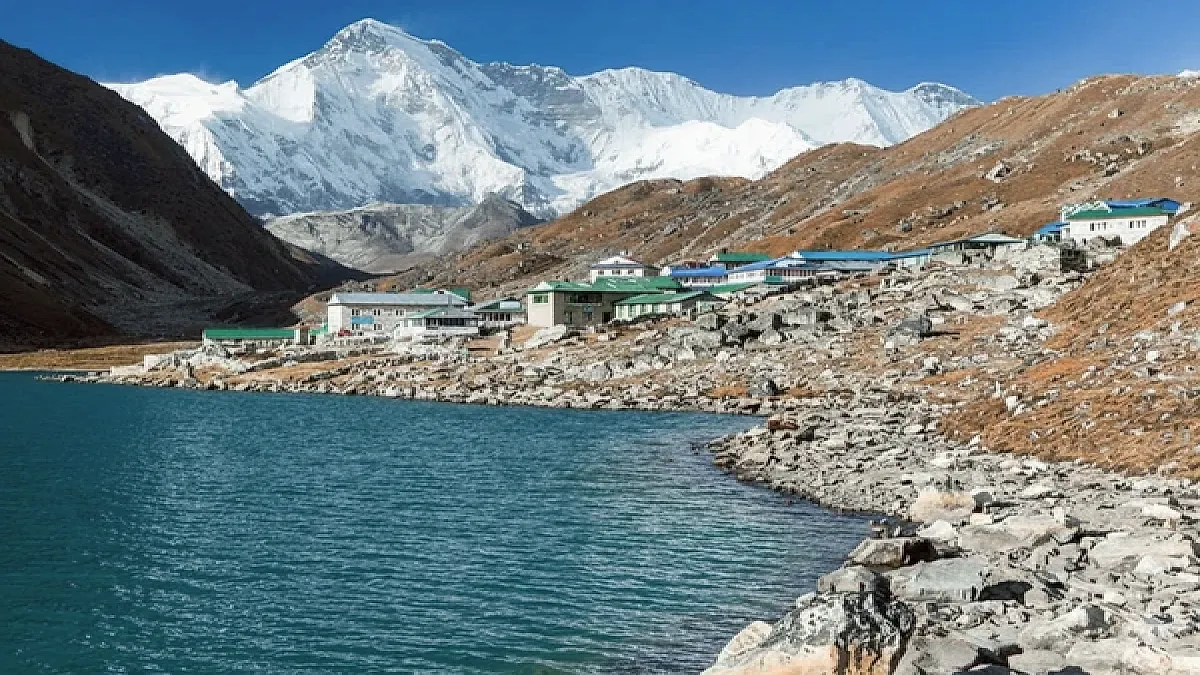
The Three Passes trek is the most demanding standard trekking route in the Everest region. It crosses three high passes: Renjo La (5,360m), Cho La (5,420m), and Kongma La (5,535m), and connects the Gokyo valley with the Everest Base Camp trail. Thangnak sits between Gokyo and Cho La, making it the critical link between the first and second sections of the route.
Most trekkers arrive in Thangnak from Gokyo, a walk of roughly four to five hours heading east along the Ngozumpa Glacier's lateral moraine. The trail is rough, loose rock, glacier debris, and uneven ground, but the scenery is extraordinary. You're walking alongside the longest glacier in Nepal (roughly 36 kilometres from source to terminus), with the ice stretching away to your left and the rocky peaks of the Khumbu rising on every side.
Some trekkers arrive from the south, having come up from Phortse or Dole without passing through Gokyo first. This approach is less common but gives you a different perspective on the Ngozumpa Glacier, you see it head-on rather than from the side.
Regardless of your direction of approach, Thangnak is where you stop, rest, and prepare. The next section of trail, Cho La Pass, is the most technically demanding day of the entire Three Passes circuit, and it starts from here.
The Ngozumpa Glacier
You can't talk about Thangnak without talking about the Ngozumpa Glacier, because the glacier dominates everything here. It fills the valley floor below the settlement, a vast river of debris-covered ice that stretches as far as you can see in both directions.
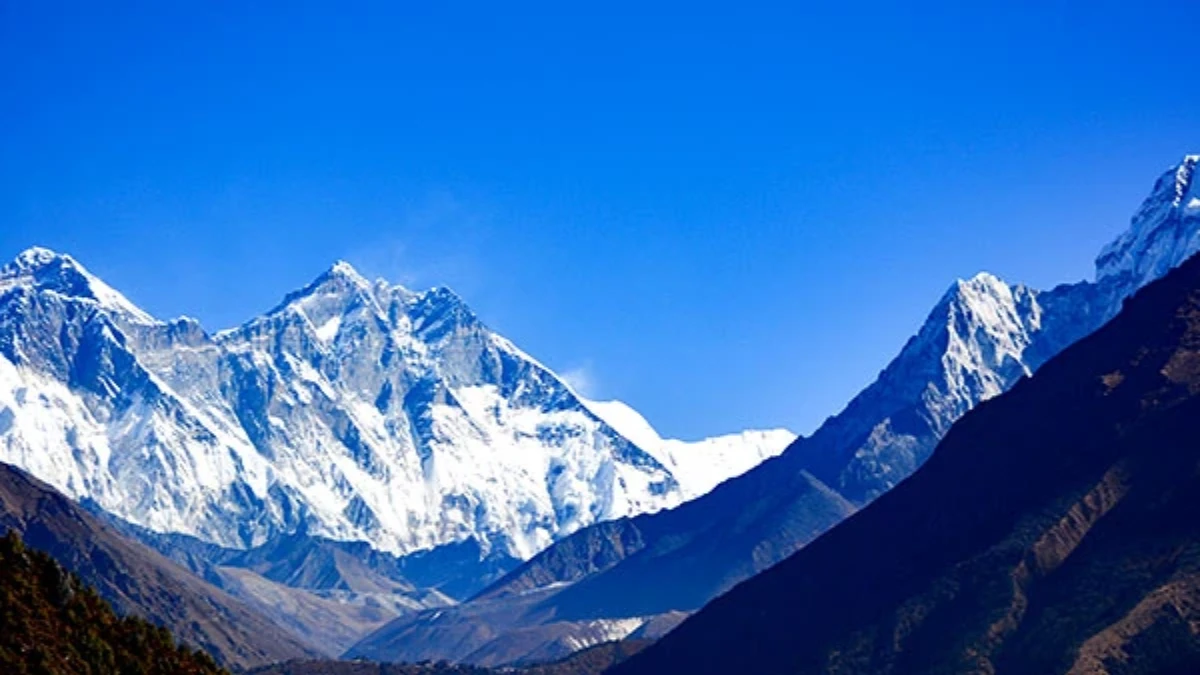
The Ngozumpa is Nepal's longest glacier, roughly 36 kilometres from its source high on Cho Oyu (8,188m) to its terminus near Thame. It's also one of the most studied glaciers in the Himalaya, with researchers monitoring its retreat and the growth of glacial lakes on its surface. From Thangnak, you can see several of these lakes, milky turquoise pools sitting in depressions on the glacier surface, fed by meltwater from the surrounding ice.
In the late afternoon light, the glacier takes on an almost otherworldly quality. The ice ridges cast long shadows, the moraine walls glow amber and grey, and the peaks above, Cho Oyu, Gyachung Kang, Ngozumpa Kang, catch the last of the sun while the valley below falls into shadow. If the sky is clear, this is one of the finest sunset views in the entire Khumbu.
Bring a warm jacket and sit outside for it. The temperature drops fast once the sun goes, but those fifteen minutes of golden light across the glacier are something you'll remember long after you've forgotten the cold.
What Are the Lodges Like at Thangnak?
Let's set expectations honestly. Thangnak has two or three lodges, depending on the season. They're basic stone buildings with corrugated metal roofs, small windows, and thin walls. Rooms contain two beds with mattresses and blankets. That's about it.
There are no attached bathrooms. Toilet facilities are shared and basic, typically a squat toilet in a separate outhouse. There's no running hot water. If you want to wash, you'll need to ask for a basin of heated water, and even that isn't guaranteed.
The dining rooms are cramped but warm once the stove gets going. And that stove is the centre of everything. At 4,700 metres, the temperature drops well below freezing at night, and everyone, trekkers, guides, lodge staff, gravitates toward the fire after dinner. You'll sit shoulder to shoulder with strangers and share stories about the trail, and by the end of the evening they won't be strangers anymore.
Food is simple but filling. Dal bhat, fried rice, noodle soup, chapati, porridge. Prices are higher than in the lower valleys, everything has been carried here by porter or yak, and the logistics of keeping a lodge running at 4,700 metres are genuinely difficult. Don't complain about the prices. The lodge owners work incredibly hard in very harsh conditions to feed and shelter you.
One practical note: charge your phone and camera batteries in Gokyo before you arrive. Charging facilities in Thangnak are extremely limited, and you'll want full batteries for the Cho La crossing the next day.
How Does Altitude Feel at 4,700 Metres?
If you've followed a sensible itinerary, you'll have spent several days above 4,000 metres before reaching Thangnak, typically with acclimatisation stops at Namche Bazaar, Dole or Machhermo, and Gokyo. By the time you arrive here, your body should be reasonably well adapted to the thin air.
That said, 4,700 metres is high. The air contains roughly 55% of the oxygen available at sea level. You'll feel it. Breathing is heavier, especially when moving. Your appetite may be reduced. Sleep is often poor, many trekkers experience broken sleep, vivid dreams, or periodic breathing (where your breathing pauses briefly during sleep, then resumes with a gasp) at this altitude. It sounds alarming but it's a normal response to altitude and not a sign of serious illness.
What matters is how you feel when you're awake. A mild headache that responds to paracetamol and water is common and not dangerous. Loss of appetite is normal. Feeling a bit sluggish is normal. What's not normal, and what you must tell your guide about immediately, is a severe headache that doesn't improve with medication, persistent vomiting, confusion, or difficulty walking in a straight line. These are signs of serious altitude sickness and require immediate descent.
Our guides carry a pulse oximeter on every trek and check oxygen saturation levels each evening. At 4,700 metres, we'd expect to see readings in the low 80s, anything above 80% is generally fine. Below 75%, we start watching more carefully.
The best thing you can do in Thangnak is drink water, at least three to four litres through the day. Eat even if you're not hungry. Avoid alcohol entirely (it impairs acclimatisation and dehydrates you). And get into your sleeping bag early. Tomorrow is a long, hard day, and rest matters more than socialising at this altitude.
Preparing for Cho La Pass
Cho La (5,420m) is the reason Thangnak exists as a trekking stop. The pass is roughly six to eight hours from Thangnak to Dzongla on the other side, and it involves the most technically demanding terrain on the Three Passes circuit, including a steep snow and ice section near the top that requires careful footwork.
Here's how we prepare our trekkers in Thangnak.
- Early dinner, early bed. We eat at 5:30 or 6:00 PM and aim to sleep by 7:30. Wake-up is typically 3:00 or 3:30 AM.
- Prepare your gear the night before. Lay out everything you need for the crossing: warm layers, waterproof jacket, gloves, hat, sunglasses, sunscreen, water, snacks, trekking poles. You don't want to be searching for things by head torch at 3 AM.
- Wear your warmest clothes. The pass is exposed and can be bitterly cold, especially in the early morning. Multiple layers are better than one thick jacket.
- Carry your own water and snacks. There are no tea stops between Thangnak and Dzongla. Bring at least two litres of water and high-energy snacks, chocolate, nuts, energy bars.
- Listen to the weather briefing. Our guides check conditions with other teams and local contacts the evening before. If visibility is poor or fresh snow has fallen on the pass, we may delay the crossing by a day. Safety comes first, always.
The crossing itself involves a steep climb up rocky terrain to the base of the pass, followed by a snow and ice section where you'll need to step carefully and follow your guide's exact footsteps. Crampons aren't usually required on the standard route in good conditions, but our guides carry them as a precaution. On the far side, a steep rocky descent leads down to Dzongla (4,830m), where you'll collapse into a lodge and feel an enormous sense of achievement.
Why Thangnak Matters
Nobody comes to the Himalayas for the lodges. You come for the mountains, the challenge, and the thrill of being somewhere genuinely wild and remote. Thangnak delivers all three.
It's not a place you'll linger, one night is enough. But it's a place you'll remember. The glacier at your feet, the peaks turning gold in the last light, the quiet intensity of trekkers preparing for the pass, the cold sharp air that makes every breath feel deliberate. This is high-altitude trekking at its most honest. No frills, no distractions. Just you, the mountains, and the trail ahead.
If you're considering the Three Passes trek, know that it's harder than the standard EBC route and requires a good level of fitness and proper acclimatisation. But the rewards are extraordinary, Gokyo Lakes, Renjo La, the Ngozumpa Glacier, Cho La, and eventually Everest Base Camp itself. It's the most complete circuit of the Khumbu, and Thangnak is right at its heart.
Thangnak sits between Gokyo and Cho La Pass on the EBC with Gokyo Lakes Trek. Trekkers heading for the pass stay here the night before the crossing.
Thangnak is where the Cho La Pass trek gets real. The lodges are basic, the altitude is 4,700 metres, and tomorrow you cross one of the most technical high passes in the Everest region. Sleep is difficult. Nerves are normal. But the sunrise over Cho Oyu from the lodge steps is a reminder of why you came.
Thangnak is on our Everest Three Passes Trek.
WhatsApp:+977 9810351300
Email:[email protected]
Written by Shreejan Simkhada, CEO of The Everest Holiday and third-generation Himalayan guide. TAAN Member #1586.
Thangnak sits between Gokyo and Cho La. Our EBC, Gokyo Lakes & Cho La Pass Trek is private (your group only, no strangers), 2027 dates open, From USD $1699. WhatsApp us for tailored 2027 dates and current departures.


 Chat with Shreejan