

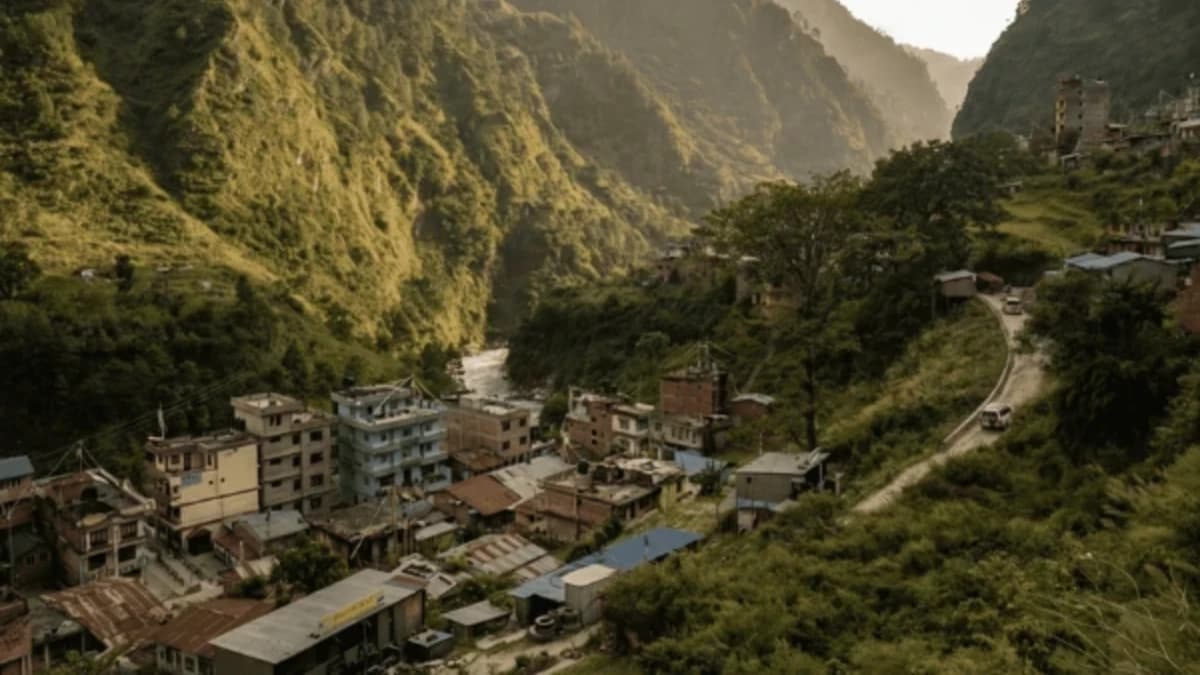
Short answer: Syabrubesi (1,462 m) is the small town at the road head where the Langtang Valley trek starts, in Rasuwa district. As of 15 October 2026 the road to Dhunche and Syabrubesi is open again, but no hotels are running in Syabrubesi, so on day 1 we walk on from the road head to the first open lodge. It is the start of our Langtang Valley trek.
Written by Shreejan Simkhada, CEO of The Everest Holiday and third-generation Himalayan guide. TAAN Member #1586.
Autumn 2026 update: the flash flood of 26 August 2026 came down the Bhote Koshi and hit Syabrubesi and the road up from Kathmandu. The Langtang Khola, the river the trek itself follows, is a separate drainage and was not hit by that flood. As of 15 October 2026 the road to Dhunche and Syabrubesi is open again, but there are no hotels running in Syabrubesi at the moment, so on day 1 we walk on from the road head to the first open lodge on the trail. Read our live Langtang status page before you plan, and message me for the position today.
Syabrubesi: Gateway to the Langtang Valley
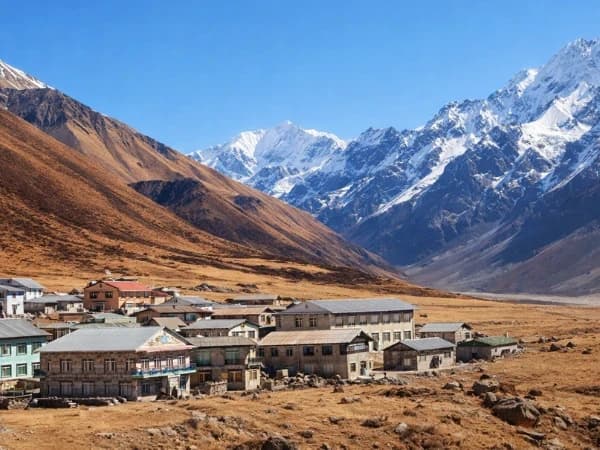
Syabrubesi is a small town at 1,462 metres in the Rasuwa District of central Nepal, and for most trekkers it means one thing: the start of the Langtang Valley Trek. It sits in a deep river valley where the Bhote Koshi and Langtang Khola rivers meet, surrounded by steep forested hillsides that climb towards the Tibetan border just a few kilometres to the north.
I've passed through Syabrubesi more times than I can count. Every Langtang trek we run starts and finishes here, and I've watched it change over the years, especially after the devastating earthquake and landslide of 2015 that destroyed Langtang Village and badly damaged this area. The town has rebuilt with real determination. New lodges have gone up, the trail infrastructure has been restored, and the Tamang and Tibetan communities here are as welcoming as they've ever been.
This guide covers everything you need to know about Syabrubesi: how to get there, what to expect when you arrive, where to stay, what supplies to sort, and how it connects to the major treks in the Langtang region.
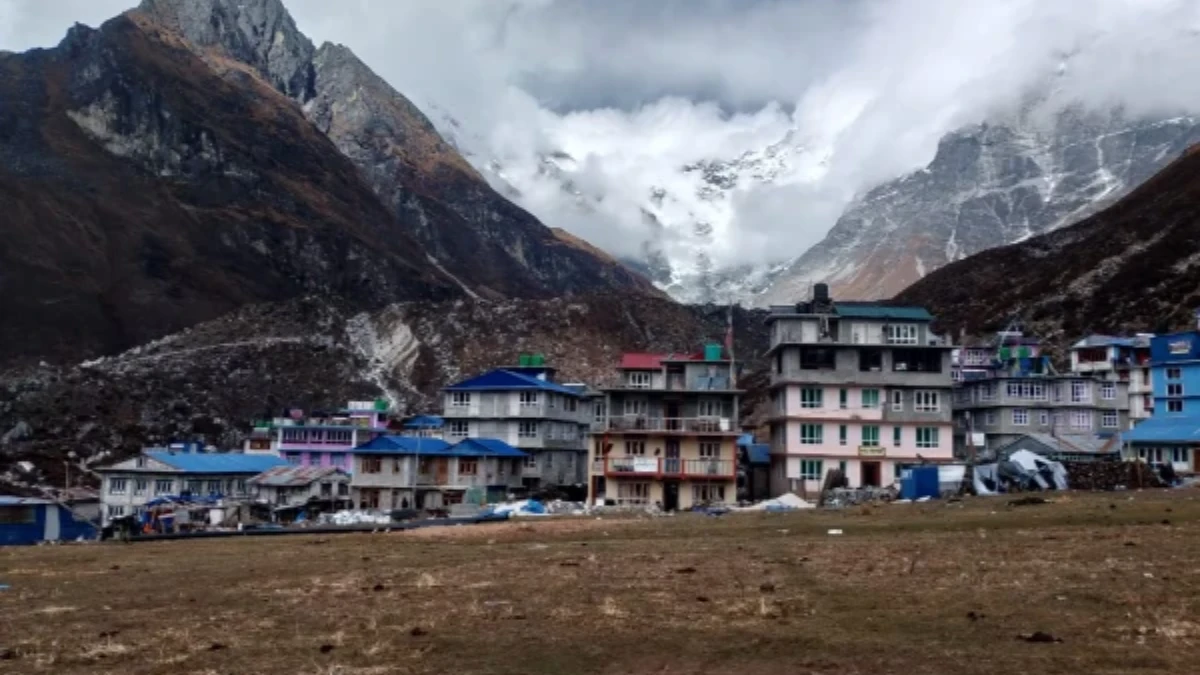
How Do You Get to Syabrubesi From Kathmandu?
The journey from Kathmandu to Syabrubesi is by road, and I'll be honest with you: it's long and it's bumpy. But it's also beautiful, and it's the only way in unless you're chartering a helicopter.
By local bus: Buses leave from Kathmandu's Machhapokhari bus park (also called the Gongabu New Bus Park) early in the morning, usually between 7am and 8am. The ride takes 7 to 8 hours on a good day, sometimes longer if there's road construction or a landslide, both of which are common on this route, especially during and just after monsoon season. The fare is around 700-900 Nepali rupees. The bus is basic: expect hard seats, packed aisles, and Nepali music at full volume. It's an experience.
By private jeep: This is what we arrange for all our trekking guests, and it's worth the extra cost. A private 4x4 takes about 6 to 7 hours and costs around USD $150-200 for the vehicle (not per person). You can stop when you like, the seats are more comfortable, and your driver knows the road. We pick you up from your hotel in Kathmandu.
By shared jeep: Some travellers take shared jeeps from Machhapokhari, which are faster than buses but more cramped. Around 1,000-1,500 rupees per person. They leave when full, usually by 7-8am.
The road follows the Trisuli River valley north through Nuwakot District, passing through Trisuli Bazaar, Dhunche (the district headquarters of Rasuwa), and then down to Syabrubesi. The final stretch from Dhunche drops steeply into the valley. The road surface varies: paved in sections, gravel or dirt in others, and during monsoon it can be rough. Our drivers know every pothole on this road, which matters more than you'd think.
Arriving in Syabrubesi, What to Expect
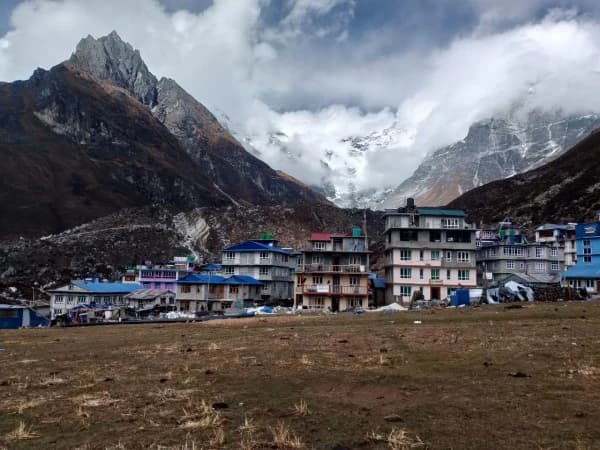
Syabrubesi isn't a big place. The town stretches along the main road above the river, with lodges, tea shops, a few small grocery stores, and a check post where your permits are verified. After 7 or 8 hours in a vehicle, the first thing you'll want is a hot meal and a bed, and both are easy to find.
The atmosphere is relaxed. Porters sort their loads, trekkers check their gear, and locals go about their daily business. There's a bridge crossing the Bhote Koshi that marks the start of the trail towards Langtang, and just seeing it gets the excitement going, tomorrow, you'll be walking into one of Nepal's most beautiful valleys.
The town has a real mountain-frontier feel. The valley is narrow here, the hillsides close in on both sides, and when clouds roll through in the afternoon it can feel like you're in a different world from Kathmandu. You are, this is genuine hill country, and the Tibetan border is close enough that you'll notice the cultural shift immediately.
Tamang and Tibetan Culture
Syabrubesi and the surrounding Rasuwa District are predominantly Tamang, with significant Tibetan influence, especially the closer you get to the border. The Tamang people are one of Nepal's largest ethnic groups, and their culture is deeply rooted in Tibetan Buddhism. You'll see prayer flags strung across the valley, mani walls carved with mantras along the trails, and small monasteries in the villages above town.
The Tamang Heritage Trail, which runs through villages west of Syabrubesi, is one of Nepal's best cultural treks and passes through communities where traditional round stone houses, Tamang dress, and local Buddhist festivals are still part of everyday life. We can add the Tamang Heritage Trail to any Langtang itinerary, it's a brilliant way to experience a side of Nepal that most trekkers miss.
In Syabrubesi itself, you'll notice Tamang and Tibetan faces, hear Tamang language alongside Nepali, and find Tibetan-style food in the lodges, thukpa (noodle soup), tingmo (steamed bread), and butter tea. If you're offered butter tea by a local, accept it with both hands and drink it warm. It's salty, not sweet, and it grows on you.
Many families in the area lost homes and loved ones in the 2015 earthquake and the catastrophic Langtang landslide. The recovery has been remarkable but not complete. Trekking here isn't just a holiday, it puts money directly into communities that need it and depend on it.
Hot Springs at Tatopani
One of the best-kept secrets near Syabrubesi is the hot springs. Located at Tatopani (literally "hot water" in Nepali), about a 30-minute walk downstream from town along the Bhote Koshi river, these natural sulphur springs have been used by locals for generations.
There are a couple of basic pool areas where the hot spring water has been channelled into stone basins. It's not a fancy spa, you're sitting in a natural pool beside a rushing glacial river with forested mountains above you. But after a long trek or a rough bus ride, lowering yourself into that hot water is one of the finest feelings in Nepal.
The springs are most popular at the end of a trek, when you've come down from Langtang or Gosaikunda and your legs are grateful for the warmth. Our guides usually factor in time for a soak on the last day of the trek. Bring a towel and a change of clothes.
There are also hot springs at different points along the Langtang trail itself, though accessibility varies by season and the springs at Tatopani near Syabrubesi are the most reliable.
Lodges and Accommodation
Syabrubesi has around a dozen lodges and guesthouses, ranging from very basic to reasonably comfortable. Here's what to expect:
- Budget lodges (USD $5-10 per night): Simple rooms with twin beds, thin mattresses, and shared bathrooms. Hot water is usually available, either solar-heated or from a gas geyser. These are perfectly fine for one night before or after a trek. Hotel Tibet, Langtang View, and several others along the main road fall into this category.
- Mid-range lodges (USD $15-25 per night): Slightly larger rooms, sometimes with attached bathrooms, better bedding, and a common dining area with a wood stove. A few lodges have been rebuilt since 2015 with improved standards.
- Best available (USD $25-40 per night): The newest lodges in town offer en-suite rooms with hot showers, charging points, and decent mattresses. Don't expect hotel-level comfort, but for a mountain town at the end of a dirt road, they're very good.
All lodges serve meals, and most trekkers eat in the lodge dining room. Dal bhat is the standard, rice, lentils, vegetable curry, and pickles. You'll also find momos, fried rice, noodle soups, and basic Western options like pancakes and toast. Food quality is generally good and portions are generous. Expect to pay 400-700 rupees for a main meal.
Wi-Fi is available in most lodges, though don't count on it being fast or reliable. Mobile signal (NTC works better than Ncell here) is usually decent in town itself.
Supplies and Last-Minute Gear
Syabrubesi is your last chance to buy anything you've forgotten before heading up the valley. The town has a few small shops selling basic trekking supplies:
- Snacks: biscuits, chocolate, instant noodles, dried fruit, energy bars (limited selection)
- Water purification tablets
- Basic medicine: paracetamol, ibuprofen, Diamox (altitude sickness medication, though it's better to get this in Kathmandu)
- Batteries and cheap headlamps
- Toilet paper
- Gloves, hats, and cheap fleece jackets (variable quality)
That said, don't rely on Syabrubesi for anything critical. Sort your gear in Kathmandu or before you arrive in Nepal. Thamel has everything you could need at reasonable prices. By the time you're in Syabrubesi, you should be packed and ready to walk.
Connecting to the Langtang Valley Trek
The Langtang Valley Trek is the main reason trekkers come to Syabrubesi, and the trail starts right from town. You cross the bridge over the Bhote Koshi, check in at the national park entry point, and begin climbing through forest on the true left bank of the Langtang Khola.
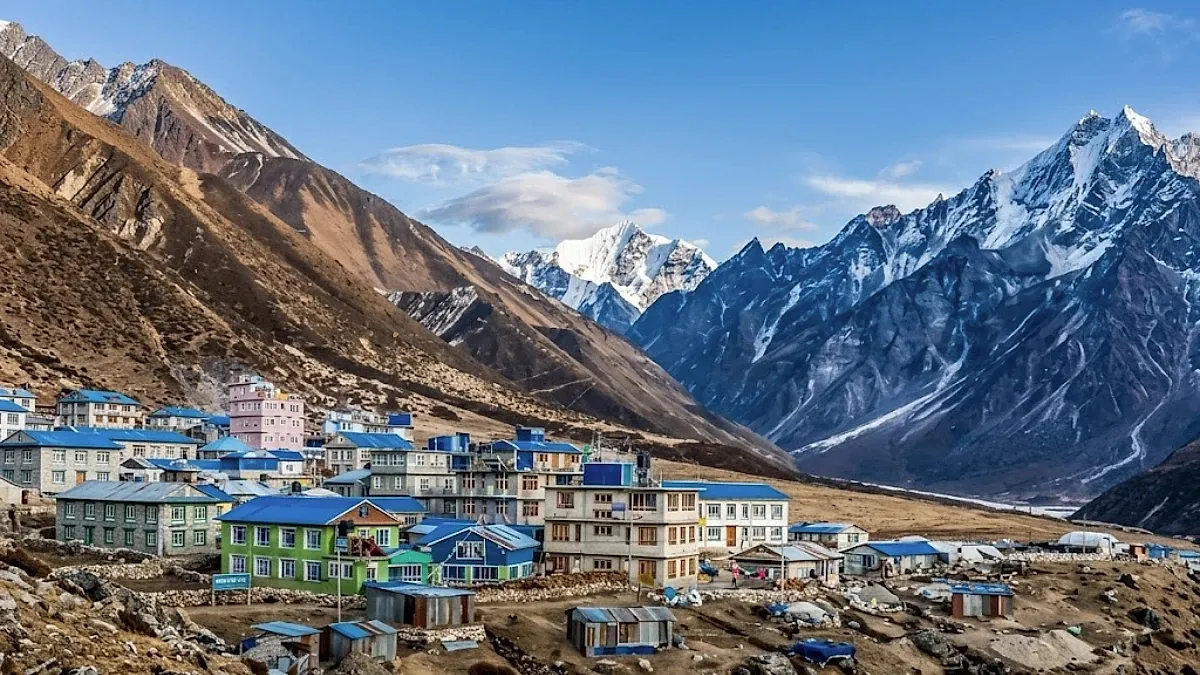
The standard Langtang Valley Trek takes 7 to 10 days round trip from Syabrubesi, reaching Kyanjin Gompa (3,870m) at the head of the valley. It's one of Nepal's most beautiful treks, less crowded than Everest or Annapurna, with dramatic glacial scenery, yak pastures, and the massive bulk of Langtang Lirung (7,227m) dominating the skyline.
From Syabrubesi, the first day takes you to Lama Hotel (approximately 2,480m), climbing steadily through dense forest where you might spot langur monkeys and, if you're very lucky, red pandas. It's a solid 5 to 6 hours of walking. Your guide will set a comfortable pace, there's no rush on the first day.
The trail was significantly affected by the 2015 earthquake and landslide that buried Langtang Village, killing over 300 people including many foreign trekkers. The village has been partially rebuilt at a nearby site, and trekking here carries a particular weight. You'll pass the memorial at the old village site. It's a solemn place, and our guides share the story with respect.
Connecting to Gosaikunda
Gosaikunda is a sacred alpine lake at 4,380 metres, and reaching it from Syabrubesi is one of Nepal's great trekking experiences. There are two ways to connect:
- Via Langtang and Laurebina La: After trekking to Kyanjin Gompa and back, you can cross the Laurebina La pass (4,610m) to reach the Gosaikunda lakes. This is a challenging but spectacular route that combines the Langtang Valley with the high-altitude lake district. The pass crossing is demanding, a full day's walk over rough, steep terrain, but the reward is a chain of sacred lakes surrounded by rocky peaks. Total duration for the Langtang-Gosaikunda combination is typically 12 to 14 days.
- Via Dhunche: You can also reach Gosaikunda from Dhunche (1,960m), which you pass through on the road to Syabrubesi. The trek from Dhunche to Gosaikunda takes about 3 days up and 2 days down, climbing through rhododendron forests and alpine meadows. This is a shorter option if you want to visit the lakes without the full Langtang Valley trek.
Gosaikunda is particularly significant during the Janai Purnima festival in August, when thousands of Hindu and Buddhist pilgrims make the journey to bathe in the sacred waters. Outside festival season, you'll likely have the lakes almost to yourself.
Connecting to Ganja La Pass
For experienced trekkers looking for a serious challenge, the Ganja La Pass (5,160m) connects the Langtang Valley to the Helambu region south of the Himalayas. This is not a casual detour, it's a high, remote, and potentially dangerous crossing that requires camping equipment, an experienced guide, and good weather.
The pass is typically attempted between October and November or April and May. Snow and ice make it impassable during winter, and monsoon conditions make it risky in summer. We only run Ganja La crossings with our most experienced guides and in suitable conditions. If you're interested, talk to us well in advance so we can plan properly.
Best Time to Visit Syabrubesi and the Langtang Region
- October to November: The best time. Clear skies, comfortable temperatures, dry trails. This is peak season for Langtang, and for good reason. Book your lodge accommodation early at Kyanjin Gompa, it can fill up.
- March to May: Spring brings warmer weather and rhododendron blooms in the lower forests. April is particularly beautiful. Views can be slightly hazier than autumn, but the wildflowers make up for it.
- December to February: Cold, especially above 3,000 metres. Snow is possible on the upper sections. The trail is quiet and the views can be extraordinary on clear days, but you'll need proper cold-weather gear and some lodges at higher elevations may be closed.
- June to September: Monsoon. The road to Syabrubesi becomes unpredictable, leeches are abundant on the lower trail, and clouds obscure the peaks most afternoons. Not recommended unless you specifically enjoy monsoon trekking.
Permits You'll Need
Before starting any trek from Syabrubesi, you need:
- Langtang National Park entry permit: 3,000 Nepali rupees for foreign nationals, the current rate published by the Nepal Tourism Board. This can be obtained in Kathmandu at the Nepal Tourism Board office in Bhrikutimandap, or at the national park entry gate in Dhunche. We arrange this for all our guests in advance.
- TIMS card (Trekkers' Information Management System): Required for all trekkers. 2,000 rupees if trekking with an agency (and a licensed guide is required in Langtang under the Nepal Tourism Board rule from April 2023). We sort this in Kathmandu before departure.
Your permits are checked at the national park gate just outside Syabrubesi, so make sure they're ready before you start walking.
Practical Tips for Syabrubesi
- Cash: There is no ATM in Syabrubesi. Bring enough Nepali rupees from Kathmandu for your entire trek. Lodges, tea shops, and porters all deal in cash. As a rough guide, budget 3,000-5,000 rupees per day for food and accommodation on the trail above Syabrubesi.
- Water: Tap water is not safe to drink. Use purification tablets, a filter bottle, or buy bottled water (though we encourage reusable bottles to reduce plastic waste in the national park).
- Charging: Most lodges in Syabrubesi have charging points, often for a small fee. Above Syabrubesi on the trail, charging becomes more expensive and less reliable. Bring a power bank.
- Altitude: At 1,462 metres, Syabrubesi itself poses no altitude risk. But you'll be climbing to 3,870 metres (Kyanjin Gompa) or higher within a few days, so proper acclimatisation is essential. Our itineraries are designed with this in mind.
- Pack weight: If you've hired a porter through us, keep your main bag to 10 kilograms on Standard, where two guests share a porter, or up to 20 kilograms on Luxury, where the porter is yours alone. Carry a daypack with water, snacks, rain gear, and a warm layer.
Why We Love the Langtang Region
I'll tell you something honestly: Langtang doesn't get the same attention as Everest or Annapurna. It doesn't have the name recognition or the Instagram fame. But every single guest we've taken there has come back saying the same thing, "Why don't more people do this trek?"
The valley is quieter, the scenery is extraordinary, the Tamang culture is rich and genuine, and the whole experience feels more intimate. You're not in a queue. You're walking through a valley that was shaped by glaciers and tragedy, and the people who live there are rebuilding with a pride that you can feel.
Syabrubesi is where it all begins. It's a humble little town at the bottom of a big valley, and from here, some of Nepal's finest mountain country opens up in front of you.
Ready to trek the Langtang Valley? Chat with Shreejan: WhatsApp +977 9810351300 or email [email protected].
Syabrubesi is the starting point for the Langtang Trek (8 days) and the Langtang Gosaikunda Trek (13 days). The drive from Kathmandu takes 7-8 hours.
Syabrubesi is the road head for Langtang. Our Langtang Trek (8 Days) is private (your group only, no strangers), 2027 dates open, From USD $490. WhatsApp us for tailored 2027 dates and current departures.
 Chat with Shreejan