You're not alone. Altitude anxiety is the #1 reason people cancel Nepal treks. A Nepal trekking guide explains what actually happens.
Govt Regd. No.: 147653/072/073
Travel Agency Licence: 2838/072
I'm Scared of Altitude: Can I Still Trek in Nepal?

I'm Scared of Altitude: Can I Still Trek in Nepal?
Yes. Full stop. You can.
But I know that simple answer isn't enough when your chest is tight at 2 AM and you're Googling "can you die from altitude sickness" for the fourth time this week. So let me give you the longer answer. The honest one.
I've guided over 500 trekkers through Nepal's mountains. People of every age, fitness level, and fear threshold. I've walked with a 74-year-old retired schoolteacher to Everest Base Camp. I've guided a woman who had her first panic attack at 3,000 metres and still made it to Annapurna Base Camp the next day. I've also turned people around. I've helped clients descend when their bodies said no, and I've watched them come back the following year and succeed.
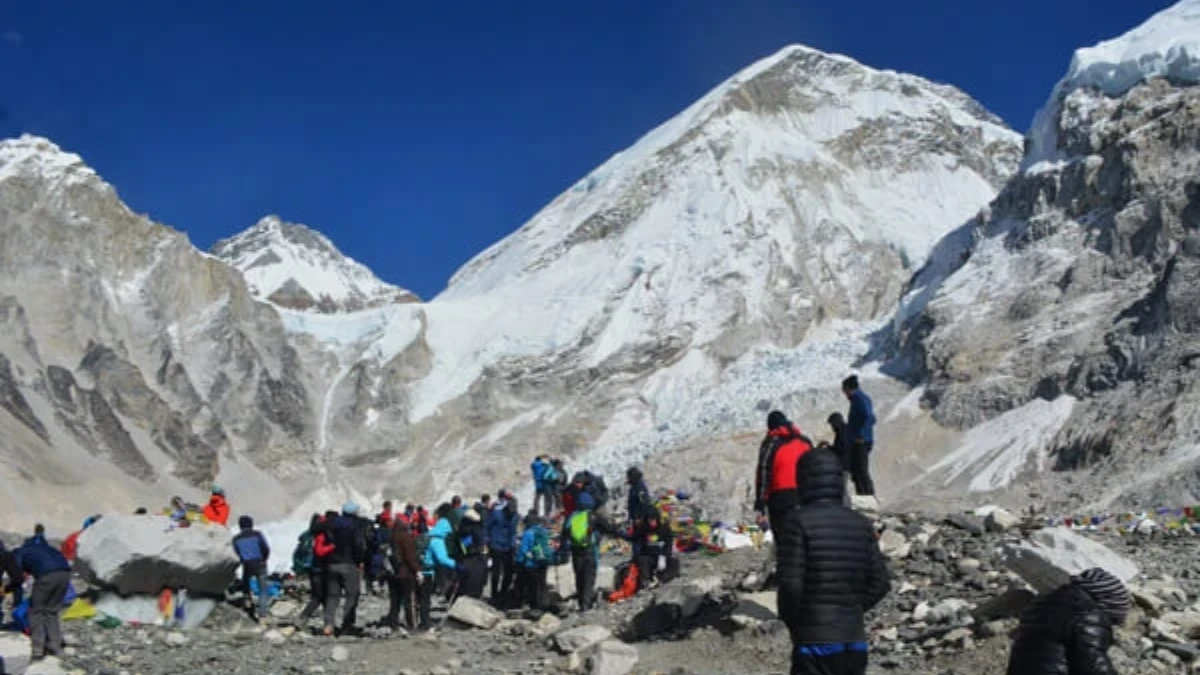
Altitude anxiety is the single most common reason people cancel their Nepal trek. Not cost. Not fitness. Fear. And most of that fear comes from reading worst-case scenarios online without understanding how common they actually are.
Scared of altitude? The honest short answer: yes, you can still trek Nepal, on a well-paced, acclimatisation-first itinerary.
- Why it works: altitude sickness is driven by how fast you climb, not by fitness. Our treks build in rest days and a gradual “climb high, sleep low” ascent, so the vast majority of trekkers never get worse than a mild headache.
- Gentle high-altitude option: Annapurna Base Camp (9 days): max 4,130m, from $725 budget / $1,310 standard / $2,095 luxury per person for two to four ($1,250 / $1,725 / $3,465 solo).
- The classic: Everest Base Camp (12 days): extra acclimatisation days built in, from $1,399 budget / $2,785 standard / $4,999 luxury per person.
See the Annapurna Base Camp Trek & 2027 Dates See the Everest Base Camp Trek
Ask our guide on WhatsApp: tell us exactly what you’re worried about and we’ll give you an honest answer, no pressure.
So let me tell you what actually happens.
What Does Altitude Actually Do to Your Body?
At sea level, the air contains about 21% oxygen. At 5,000 metres, roughly where Everest Base Camp sits, the air still contains 21% oxygen. What changes is the atmospheric pressure. There's less pressure pushing oxygen into your lungs, so each breath delivers less oxygen to your blood.
Your body responds to this in predictable ways:
- Breathing faster: Your respiratory rate increases to compensate for lower oxygen per breath. This is normal and healthy.
- Heart beating faster: Your heart pumps harder to move oxygenated blood around. Also normal.
- Producing more red blood cells: Over days, your bone marrow increases red blood cell production. This is acclimatisation, and it's the whole reason we build rest days into itineraries.
- Mild headache: Very common above 3,000 metres, especially in the first day or two at a new altitude. Usually responds to paracetamol, hydration, and time.
- Reduced appetite: Many people feel less hungry at altitude. Eating even when you don't feel like it is important.
- Disrupted sleep: Altitude insomnia affects 60-80% of trekkers above 3,500 metres. It's uncomfortable but not dangerous.
These are normal responses. They are not altitude sickness. They are your body doing exactly what it's supposed to do.
What is altitude sickness and how serious is it?
Acute Mountain Sickness (AMS) occurs when your body fails to acclimatise fast enough to the altitude you've reached. It's essentially your body saying "slow down, I need more time."
Mild AMS (Very Common)
Headache plus one or more of: nausea, fatigue, dizziness, poor sleep. Affects roughly 25-50% of trekkers who ascend to 3,500+ metres. Treatment: rest at the same altitude, hydrate, take paracetamol, don't ascend further until symptoms resolve. Most people feel better within 12-24 hours.
Moderate AMS (Less Common)
Worsening headache that doesn't respond to paracetamol. Significant nausea or vomiting. Severe fatigue. Difficulty walking straight. Treatment: descend 500-1,000 metres. This almost always resolves symptoms rapidly. Acetazolamide (Diamox) can help.
Severe AMS / HACE / HAPE (Rare)
High Altitude Cerebral Oedema (HACE) and High Altitude Pulmonary Oedema (HAPE) are serious, potentially life-threatening conditions. HACE involves brain swelling. HAPE involves fluid in the lungs. Both require immediate descent and medical treatment.
Here's what the fear articles don't tell you: HACE and HAPE are rare among trekkers who follow standard acclimatisation schedules. Studies suggest HAPE occurs in 0.1-1% of trekkers, and HACE in roughly 0.5-1%. On well-managed treks with proper rest days, the rates are at the lower end of those ranges.
Who actually gets altitude sickness while trekking?
This is the part that surprises most people. Altitude sickness has almost nothing to do with fitness. Marathon runners get AMS. Sedentary office workers don't. Young, fit climbers have been evacuated from 4,000 metres while 65-year-olds walked comfortably to 5,000 metres.
There is a genetic component (some people's bodies acclimatise more efficiently than others), but there's no reliable way to predict who will be affected until they actually go to altitude. Previous altitude experience helps: if you've been above 4,000 metres before without problems, you're likely to be fine again. But even this isn't guaranteed.
What does matter:
- Ascent rate: The single biggest factor. Climbing too high too fast causes AMS. The golden rule is: above 3,000 metres, don't increase your sleeping altitude by more than 300-500 metres per day, with a rest day every 1,000 metres.
- Hydration: Dehydration worsens altitude symptoms. Drink 3-4 litres per day.
- Rest days: These aren't lazy days. They're essential acclimatisation days. Your body needs time at altitude to adapt.
- Listening to your body: The most dangerous thing a trekker can do is push through worsening symptoms to "keep up with the group" or "not waste the trip."
What Your Guide Does (That You Don't See)
Every morning on a high-altitude trek, I'm watching my clients. Before they even know it, I'm looking at how they eat breakfast. Are they picking at their food? That's a flag. I'm listening to how they speak. Confused sentences or unusual irritability can signal AMS. I'm watching their gait. Unsteady walking is a red flag.
Twice daily above 3,500 metres, we check oxygen saturation using a pulse oximeter, a small clip-on device that reads blood oxygen levels. We also use the Lake Louise Score, a simple questionnaire that rates altitude symptoms. If your score rises, we adjust the plan.
Our guides carry emergency medication including Diamox, dexamethasone (for HACE), and nifedipine (for HAPE). We carry portable oxygen. And we carry a satellite communication device on every trek above 4,000 metres.
But here's the thing: we rarely need any of it. Because the itinerary itself is designed to prevent altitude sickness. The rest days, the gradual ascent profile, the "climb high, sleep low" approach: all of this means that the vast majority of trekkers acclimatise normally and never develop anything more than a mild headache.
Our Everest Base Camp 12-day trek includes multiple acclimatisation days. The Annapurna Circuit trek is designed with gradual altitude gain. These aren't arbitrary schedules. They're built on decades of mountain medicine research and our own experience guiding hundreds of trekkers.
What are the best low-altitude treks in Nepal?
Here's something the trekking industry doesn't advertise enough: some of Nepal's most beautiful treks never go above 3,500 metres. If altitude genuinely terrifies you, or if you have a medical condition that makes high altitude inadvisable, you can have an extraordinary Nepal trek itself without going high at all.
Treks That Stay Below 3,500 Metres
| Trek | Maximum Altitude | Duration | Highlights |
|---|---|---|---|
| Ghorepani Poon Hill trek | 3,210m | 6 days | Sunrise over Annapurna and Dhaulagiri. Rhododendron forests. Hot springs. |
| Mardi Himal trek | 3,580m (viewpoint) | 7 days | Close-up Machhapuchhre views. Less crowded than Poon Hill. |
| Short trek to Namche Bazaar | 3,440m | 5-7 days | Everest region without the altitude. Sherpa culture. Mountain views. |
| Everest View trek | 3,880m | 7-8 days | Views of Everest, Lhotse, Ama Dablam from hotel viewpoints. |
| Langtang Valley trek | 3,870m (Kyanjin Ri) | 7-8 days | Glacial valley. Tamang culture. Cheese factory. Close to Kathmandu. |
| Dhulikhel-Namobuddha day hike | 1,750m | 1 day | Himalayan panorama. Ancient monastery. No altitude risk whatsoever. |
The Poon Hill trek is my top recommendation for altitude-anxious trekkers. At 3,210 metres maximum, altitude sickness is extremely unlikely. Yet the sunrise view from the top (Dhaulagiri, Annapurna South, Machhapuchhre, and the entire Annapurna range spread before you in golden light) is among the finest panoramas in Nepal. You get the full trek itself without the altitude worry.
The Namche Bazaar short trek lets you discover the Everest region, fly into Lukla, cross suspension bridges, and visit the famous Sherpa capital, all without going above 3,440 metres.
What can I do in Nepal without high-altitude trekking?
Nepal without altitude is still Nepal. If trekking at any altitude isn't for you, consider:
- Kathmandu Valley tour: Seven UNESCO World Heritage Sites. Ancient temples. Living culture. Maximum altitude 1,400 metres.
- Kathmandu-Pokhara-Chitwan-Lumbini tour: Cities, mountains (seen from below), jungle safari, and the Buddha's birthplace. All below 1,500 metres.
- Dhulikhel-Namobuddha day hike: Gentle walk through countryside with panoramic mountain views. Ideal for anyone nervous about altitude.
How do I manage anxiety about trekking at altitude?
I want to address something that most trekking guides don't talk about. For many people, the fear of altitude isn't really about altitude. It's about control. You're going somewhere remote, you're dependent on a guide, your body might react in ways you can't predict, and you can't just call an Uber and go home.
That's a reasonable fear. It's not irrational. And dismissing it with "you'll be fine" doesn't help.
What helps is information. Knowing exactly what to expect, day by day, altitude by altitude. Knowing what symptoms are normal and what requires action. Knowing your guide is trained, equipped, and watching you. Knowing there's an exit plan at every stage.
Here's what I tell every anxious client:
- You can turn back at any point. There is no shame in descending. I have turned around clients at 4,800 metres, 200 metres below Everest Base Camp, and helped them feel good about the decision. Reaching a number on a sign is never worth risking your health.
- Your guide has seen this before. Whatever you're feeling, we've helped someone through it. The shaking hands, the racing heart, the midnight panic, it's all familiar to us, and it's all manageable.
- Diamox is there if you need it. Acetazolamide (Diamox) is a prescription medication that speeds acclimatisation. Many trekkers take it prophylactically above 3,000 metres. It's not cheating. It's medicine. Discuss it with your doctor before your trip.
- Helicopter evacuation exists. In the unlikely event of a serious altitude emergency, helicopter rescue is available throughout the major trekking regions. Travel insurance that covers helicopter evacuation is essential and not optional.
A Note on Preparation
Physical fitness doesn't prevent altitude sickness, but it makes trekking more enjoyable and gives your body more reserve capacity to handle the reduced oxygen. Start cardio training 8-12 weeks before your trek. Stair climbing is particularly relevant. Aim to be able to walk uphill for 4-5 hours comfortably.
Mental preparation matters too. Some clients find meditation or breathing exercises helpful. Others prefer detailed day-by-day itineraries so they know exactly what's coming. We provide both. Whatever helps you feel prepared, we support it.
What happens if you get altitude sickness on a trek?
Let's address this directly, because pretending it doesn't happen would be dishonest.
If you develop AMS symptoms on one of our treks, here's the protocol:
- Mild symptoms (headache, mild nausea): Rest day at current altitude. Extra fluids. Paracetamol. Light walking to promote acclimatisation. Most people feel better within 12-24 hours and continue the trek normally.
- Moderate symptoms (worsening headache, vomiting, significant fatigue): Descent of 500-1,000 metres. This usually resolves symptoms within hours. Depending on the situation, you may be able to re-ascend after a day's rest.
- Severe symptoms (confusion, loss of coordination, breathing difficulty at rest): Immediate descent. Emergency medication. Evacuation if needed. This is rare but we're equipped for it on every trek.
In my twenty-seven years of guiding, I've evacuated three trekkers by helicopter. Three, out of over 500 high-altitude clients. All three recovered completely within days of descending. The system works.
Which Nepal treks are best for nervous first-time trekkers?
If you're altitude-anxious, consider building up gradually over multiple trips or multiple treks within one trip.
First time: Ghorepani Poon Hill trek (max 3,210m). Zero altitude risk. Full trek itself.
Second time: Annapurna Base Camp trek (max 4,130m). Moderate altitude, well-paced ascent.
Third time: Everest Base Camp (5,364m) or Annapurna Circuit with Thorong La (5,416m). High altitude, proper acclimatisation schedule.
Or, if you only have one trip, start with a lower trek and add days at the end if you feel good. We can adjust itineraries on the ground. Flexibility is one of the advantages of a private guided trek versus a fixed group departure.
For those wanting a longer challenge, the Manaslu Circuit trek crosses the Larkya La pass at 5,160 metres, but the approach is gradual and the acclimatisation profile is excellent, many trekkers find it easier than expected.
Frequently Asked Questions
At what altitude does altitude sickness start?
Most people begin to notice altitude effects above 2,500 metres. Acute Mountain Sickness typically develops above 3,000-3,500 metres, especially with rapid ascent. Below 3,000 metres, significant altitude sickness is very uncommon. The body begins meaningful acclimatisation above 2,500 metres, which is why rest days become important from that elevation upward.
Can I take medication to prevent altitude sickness?
Yes. Acetazolamide (Diamox) is a prescription medication commonly used to aid acclimatisation. Taken prophylactically (typically 125-250mg twice daily starting the day before ascent), it can reduce the incidence and severity of AMS. Side effects include tingling in fingers, increased urination, and altered taste of carbonated drinks. Consult your doctor before your trip. It requires a prescription in most countries.
I have asthma. Can I trek at altitude?
Many people with well-controlled asthma trek successfully in Nepal. Cold, dry air at altitude can trigger asthma symptoms, so carry your reliever inhaler and discuss preventive strategy with your doctor. Some asthmatics find altitude easier than expected because high-altitude air has fewer allergens. Others find the cold air challenging. A low-altitude trek is a sensible first option to test your response.
What's the lowest-altitude trek in Nepal with great views?
The Ghorepani Poon Hill trek maxes out at 3,210 metres and offers extraordinary sunrise views of the Annapurna and Dhaulagiri ranges. The Dhulikhel-Namobuddha day hike stays at 1,750 metres and provides panoramic Himalayan views including Everest on clear days. Both are excellent choices for altitude-anxious trekkers.
Should I be more worried if I've never been to altitude before?
Not necessarily. Having no altitude experience simply means you don't yet know how your body responds. Most first-time trekkers acclimatise normally. The key is choosing an itinerary with proper rest days and gradual ascent, not skipping straight to 5,000 metres. A guided trek with an experienced operator removes most of the uncertainty because your guide monitors your acclimatisation and adjusts the schedule if needed.
Let's Talk About Your Trek
If altitude anxiety is holding you back from Nepal, I want to have that conversation with you. Not to sell you a trip, but to give you the information you need to make a confident decision, whether that's Everest Base Camp, Poon Hill, or a valley tour with zero altitude risk.
Every question is welcome. There are no silly fears.
WhatsApp: +977 9810351300
Email:[email protected]
Written by Shreejan Simkhada, third-generation Himalayan guide and founder of The Everest Holiday. Licensed trekking operator, TAAN member #1586. Twenty-seven years of guiding experience. Three helicopter evacuations in 500+ high-altitude clients. The mountains are safer than you think.
Scared of altitude? You can still do EBC. Our Everest Base Camp Trek (12 Days) is private (your group only, no strangers), 2027 dates open, From USD $1399. WhatsApp us for tailored 2027 dates and current departures.
Planning a trip to Nepal?
Drop us your details and tell us what you have in mind. We will put together a personalised plan and get back to you.
Not sure which Nepal trek is right for you?
Take our free 2-minute quiz and get personalised recommendations based on your fitness, experience, and travel style.
Find Your Perfect Trek →Need Help? Call Us+977 9810351300orChat with us on WhatsApp
Latest Travel Blogs
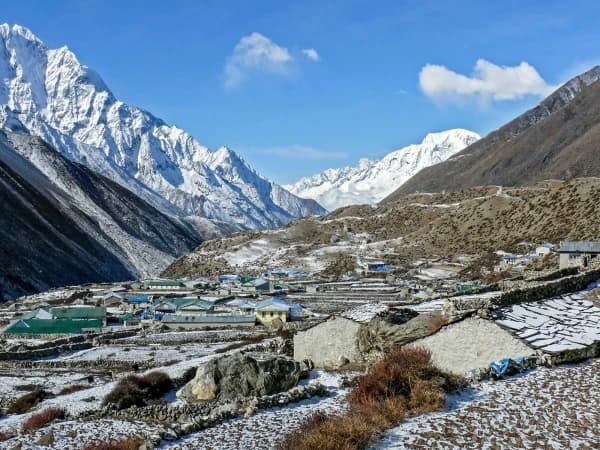
Thamdanda and Surke: The Road Head for Everest Base Camp by Road
Thamdanda is the road head where our Everest Base Camp trek by road starts and ends on foot. How to get there from Phaplu and what the first walk to Paiya is like.
Read More
Poon Hill Trek Permits 2027: ACAP, TIMS, Cost and What You Need
Poon Hill needs two permits: ACAP at NPR 3,000 and a TIMS card at NPR 2,000. Who arranges them, where they are checked, SAARC rates and the 2027 trek prices.
Read More
Mera Peak Climbing Itinerary 2027: 14 Days, Day by Day
Mera Peak in 14 days, night by night. The Hinku valley, a full rest day at Khare, Mera High Camp at 5,780 m, summit day, 2027 prices and the best months.
Read More Chat with Shreejan