
Two of the best short treks in Nepal compared. Poon Hill is the classic sunrise walk. Mardi Himal is the quiet alternative with higher altitude views.
Govt Regd. No.: 147653/072/073
Travel Agency Licence: 2838/072
Poon Hill vs Mardi Himal: Which Short Trek Should You Choose? (2027 Comparison)

Short answer: Poon Hill is the easier choice: about 6 days, a high point of 3,210 m and a famous sunrise over Annapurna and Dhaulagiri, with busy, comfortable teahouses. Mardi Himal is about 7 days and climbs a quieter ridge to Mardi Himal Base Camp at 4,500 m, close to Machhapuchhre. Choose Poon Hill for comfort and Mardi Himal for a quieter trail. Compare our Poon Hill trek and Mardi Himal trek.
Poon Hill vs Mardi Himal, Which Short Trek Should You Choose? (2027 Comparison)
By Shreejan Simkhada, CEO of The Everest Holiday (TAAN #1586), third-generation trekking guide
If you've got five or six days in Nepal and want mountains without the commitment of a two-week expedition, two treks will keep appearing in your research: Poon Hill and Mardi Himal Base Camp. Both sit in the Annapurna region. Both reward you with Himalayan views that'll stay with you for life. And both can be completed by trekkers with reasonable fitness and zero high-altitude experience.
But they're very different feels. I've guided groups on both trails more times than I can count, and I've watched clients light up for completely different reasons on each one. Poon Hill is the classic sunrise panorama, the warm teahouse culture, the well-worn path through rhododendron forests. Mardi Himal is the quiet ridge, the close-up encounter with Machhapuchhre's south face, the feeling that you've found something the crowds haven't discovered yet.
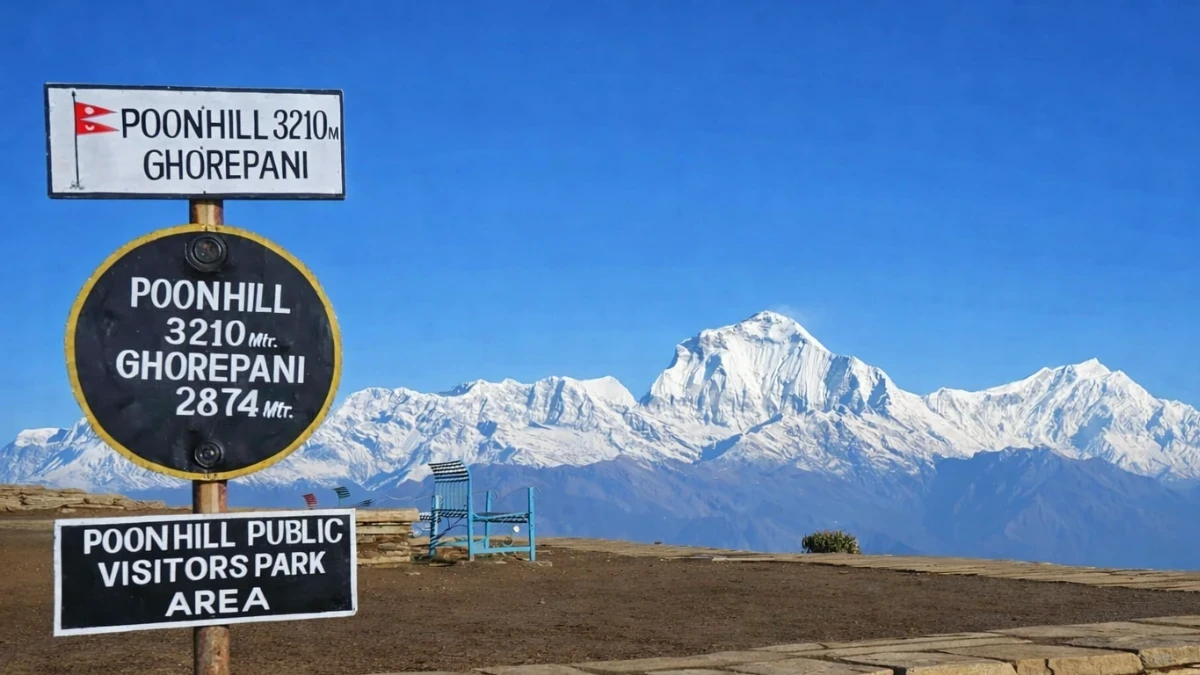
This guide breaks down everything: the views, the difficulty, the costs, the crowds, and, most importantly, which trek fits you. I've kept it honest. No trail is perfect for everyone, and I'd rather you pick the right one than the popular one. Related: Annapurna Region Treks: Circuit, Base Camp, Poon Hill and More (2027 Guide).
How Do Poon Hill and Mardi Himal Compare?
| Factor | Poon Hill Trek | Mardi Himal Base Camp Trek |
|---|---|---|
| Duration | 6 days | 7 days |
| Maximum Altitude | 3,210 m (Poon Hill viewpoint) | 4,500 m (Mardi Himal Base Camp) |
| Difficulty | Easy to moderate | Moderate |
| Daily Walking | 4-6 hours | 5-7 hours |
| Cost (Budget) | USD 499 | USD 454 |
| Cost (Standard) | USD 749 | USD 849 |
| Cost (Luxury) | USD 1,235 | USD 1,111 |
| Crowds | High (one of the busiest trails in Nepal) | Low (one of the quietest Annapurna trails) |
| Views | Wide panorama: Dhaulagiri, Annapurna South, Machhapuchhre, Annapurna I-IV | Close-up: Machhapuchhre south face, Mardi Himal, Annapurna South |
| Teahouse Quality | Excellent, well-established, hot showers, varied menus | Basic to moderate, newer lodges, simpler facilities |
| Best For | First-timers, culture lovers, families, sunrise chasers | Photographers, solitude seekers, adventure-minded trekkers |
What is the Poon Hill sunrise trek like?
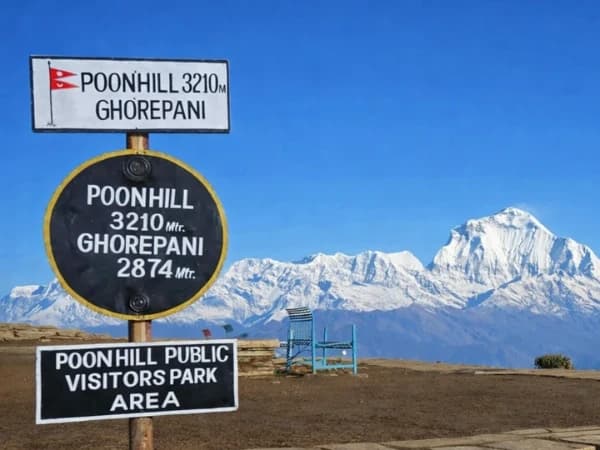
There's a reason Poon Hill is one of the most popular treks in Nepal. At 3,210 metres, it's accessible enough for beginners, yet the sunrise panorama from the hilltop viewpoint is genuinely spectacular, over 30 Himalayan peaks spread across the horizon, lit gold and pink as the sun comes up behind you.
The Route
The standard Poon Hill trek runs from Nayapul (a short drive from Pokhara) through Tikhedhunga, Ghorepani, and back via Tadapani. Here's what each day looks like:
Day 1: Pokhara to Tikhedhunga (1,540 m)
Drive from Pokhara to Nayapul (about 1.5 hours), then walk through Birethanti village alongside the Modi Khola river. The trail is gentle and flat to start, a good warm-up. You'll pass through small settlements with tea shops and cross a few suspension bridges. The final stretch to Tikhedhunga steepens slightly. Expect 3-4 hours of walking.
Day 2: Tikhedhunga to Ghorepani (2,860 m)
This is the big day. You'll climb roughly 3,300 stone steps from Tikhedhunga to Ulleri, a sustained, steep ascent that tests the legs. Above Ulleri, the trail enters dense rhododendron forest. If you're trekking in March or April, these forests explode with red, pink, and white blossoms, one of the most photographed sights in Nepal. The gradient eases as you approach Ghorepani, a busy village with excellent teahouses. Expect 5-6 hours.
Day 3: Poon Hill Sunrise and trek to Tadapani (2,630 m)
The alarm goes off at 4:30 AM. You'll climb 45 minutes in the dark to reach the Poon Hill viewpoint before sunrise. On a clear morning, the panorama is staggering: Dhaulagiri (8,167 m), Annapurna South, Annapurna I, Hiunchuli, Machhapuchhre, and dozens more peaks stretching east and west. After breakfast back in Ghorepani, you trek through more rhododendron forest to Tadapani, with views of Annapurna South and Machhapuchhre along the way. Expect 5-6 hours.
Day 4: Tadapani to Nayapul, drive to Pokhara
Descend through Ghandruk (one of the most beautiful Gurung villages in Nepal) to Nayapul, then drive back to Pokhara. This is a long descent day, your knees will feel those stone steps. Expect 5-6 hours of walking plus the drive.
What Makes Poon Hill Special
It's the combination of cultural richness and mountain scenery. Ghorepani is a proper mountain village, you'll eat dal bhat at wooden tables, chat with other trekkers from around the world, and feel the buzz of a trail that's been walked for decades. The rhododendron forests are genuinely magical in spring. And that sunrise? I've seen it hundreds of times, and it still makes me pause.
The downside? You won't be alone. In peak season (October-November and March-April), expect to share the Poon Hill viewpoint with 100-200 other trekkers. The teahouses in Ghorepani can fill up. The trail sometimes feels more like a highway than a mountain path. If solitude is what you're after, this isn't it. Related: Ulleri Village: Key Stop on the Annapurna Base Camp Trek.
What is the Mardi Himal ridge trek like?
Mardi Himal Base Camp was only officially opened as a trekking route in 2012. In Himalayan trekking terms, that makes it practically brand new. The trail follows a narrow ridge running south from Mardi Himal (5,587 m), with Machhapuchhre's massive south face dominating the view ahead of you for most of the walk.
The Route
Day 1: Pokhara to Pitam Deurali (2,100 m)
Drive from Pokhara to Kande (about 45 minutes), then walk through terraced farmland and oak-rhododendron forest. The trail climbs steadily but never brutally. You'll pass through Australian Camp (named for an Australian aid project, not the nationality of most visitors) with good views of the Annapurna range. Pitam Deurali is a small settlement with basic teahouses. Expect 4-5 hours of walking.
Day 2: Pitam Deurali to Low Camp (2,990 m)
The trail enters thick rhododendron forest and begins to climb more seriously. You'll emerge above the tree line into open meadows with increasingly dramatic views. Low Camp sits on an exposed ridge with panoramic views of Machhapuchhre and Annapurna South, and you'll likely have the place almost to yourself. Expect 5-6 hours.
Day 3: Low Camp to High Camp (3,580 m)
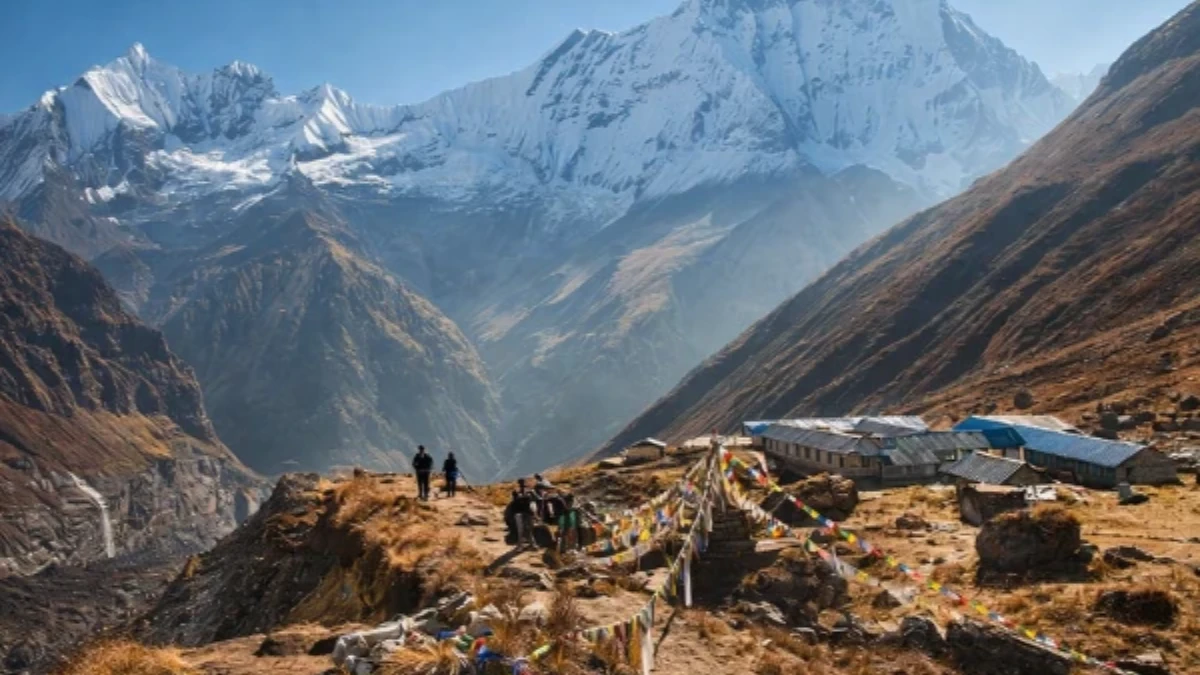
This is where Mardi comes into its own. The ridge narrows, the vegetation disappears, and you're walking along a spine of rock and grass with drops on both sides. Machhapuchhre's south face fills the sky ahead. High Camp has basic teahouses with extraordinary views, you'll eat dinner watching the sunset turn the mountains orange. Expect 4-5 hours.
Day 4: High Camp to Mardi Himal Base Camp (4,500 m) and back to Low Camp
Early start for the push to Base Camp. The trail is steep, rocky, and exposed in places, this is the most challenging section and requires sure-footedness. At 4,500 metres, you'll feel the altitude. But the reward is a face-to-face encounter with Machhapuchhre that no other short trek in Nepal can match. You'll descend back to Low Camp (or even further) the same day. Expect 7-8 hours.
Day 5: Descent to Kande, drive to Pokhara
A long but straightforward descent back through the forest to Kande, then a short drive to Pokhara. Expect 5-6 hours of walking.
What Makes Mardi Himal Special
It's the intimacy. Where Poon Hill gives you a wide panorama, dozens of peaks spread across the horizon, Mardi puts you face-to-face with one mountain. Machhapuchhre dominates every step of the ridge walk. You're not looking at it from 30 kilometres away; you're right there, close enough to see the ice fluting on its face, close enough to hear avalanches rumble down its flanks.
The solitude is the other draw. On the Poon Hill trail, you'll pass hundreds of trekkers daily. On Mardi's ridge, you might go hours without seeing another person. The teahouses are smaller and simpler, a few rooms, a basic kitchen, a wood stove. It feels like trekking in Nepal twenty years ago, before the trails got busy.
The tradeoff? Less infrastructure means less comfort. Hot showers aren't guaranteed above Low Camp. Menus are limited. And the trail above High Camp is genuinely steep and exposed, it's not dangerous with a guide, but it demands more from your legs and lungs than Poon Hill ever will.
Which has better views, Poon Hill or Mardi Himal?
This is the question I get asked most, and the answer depends entirely on what kind of mountain adventure moves you.
Poon Hill Views
The Poon Hill sunrise is a panorama. You're standing at 3,210 metres on a rounded hilltop, and the Himalayan range stretches from Dhaulagiri in the west to Manaslu in the east. On a clear morning, you can count over 30 named peaks. Dhaulagiri (8,167 m) and Annapurna I (8,091 m), two of the world's fourteen 8,000-metre peaks, are both visible. The sunrise light hits the peaks from the east, turning them gold, then pink, then white as the sun climbs. It's the kind of view that makes people cry.
But it's a distant view. The peaks are beautiful, but they're far away. You're looking at the mountains, not standing among them.
Mardi Himal Views
Mardi Himal gives you the opposite. Instead of thirty peaks at a distance, you get one peak, Machhapuchhre (6,993 m), so close you can almost touch it. The Fishtail's south face is one of the most dramatic mountain walls in the Himalayas: a sheer sweep of rock and ice rising nearly 3,000 metres above base camp. From High Camp and Base Camp, you're looking straight up at it.
You'll also see Annapurna South, Hiunchuli, and Mardi Himal itself. But it's Machhapuchhre that dominates. If you're a photographer, this is the trek, the changing light on that face throughout the day creates endless compositions. Sunrise and sunset at High Camp are exceptional.
The Verdict on Views
If you want breadth, the grand panoramic sweep, the "I can see half the Himalayas" moment, choose Poon Hill. If you want depth, the intimate, up-close, almost overwhelming presence of a single great mountain, choose Mardi Himal.
Which is harder, Poon Hill or Mardi Himal?
Neither trek is technically difficult. You don't need ropes, crampons, or climbing experience for either one. But they challenge you in different ways.
Poon Hill Difficulty
The main challenge on Poon Hill is the stone steps. The climb from Tikhedhunga to Ulleri, roughly 3,300 steps carved into the mountainside, is the hardest single section. It's relentless: step after step after step, with your pack on your back and the sun beating down. Most trekkers find it tough but manageable. After Ulleri, the gradient eases significantly.
The maximum altitude is only 3,210 metres, so altitude sickness is very unlikely. The trail is well-maintained and clearly marked throughout. You'd have to try quite hard to get lost.
Fitness requirement: if you can walk uphill for 5-6 hours at a steady pace, you'll be fine.
Mardi Himal Difficulty
Mardi is a step up. The maximum altitude of 4,500 metres means altitude effects are possible, headaches, breathlessness, disrupted sleep. Proper acclimatisation (which a good itinerary builds in) makes this manageable for most people, but it's something to be aware of.
The trail above High Camp is the crux. It's steep, rocky, and exposed, meaning there are sections with drops on one or both sides. In dry conditions with a guide, it's fine. In rain, snow, or poor visibility, it demands respect. The trail isn't as well-maintained as Poon Hill's; route finding can be tricky in places, especially in fog.
Fitness requirement: you should be comfortable walking uphill for 6-7 hours and confident on steep, uneven terrain. A few weeks of hill walking or stair training before you arrive will make a big difference.
Which is less crowded, Poon Hill or Mardi Himal?
This is where the two treks diverge most sharply.
Poon Hill Crowds
Poon Hill is one of the top five most-walked trails in Nepal. In peak season (October-November), the trail from Tikhedhunga to Ghorepani can feel like a mountain highway, hundreds of trekkers walking the same path, teahouses full by early afternoon, the sunrise viewpoint packed shoulder-to-shoulder. Ghorepani village has over 40 teahouses, and they still fill up in October.
Outside peak season, particularly December-February and June-August, the crowds thin dramatically. A January Poon Hill trek can be surprisingly quiet, though you'll need warm layers for the cold mornings.
Mardi Himal Solitude
Mardi Himal is one of the quietest established treks in the Annapurna region. Above Low Camp, you might see 10-15 other trekkers in a day during peak season, and in the off-season, you could have the ridge entirely to yourself. The teahouses above Low Camp are small (4-8 rooms), and the atmosphere is intimate: you'll eat dinner with the same handful of people and swap stories around the wood stove.
This solitude is a huge draw for many trekkers. But it comes with a practical consideration: if teahouses are full (which can happen, given their small size), there's nowhere else to go. Booking ahead through a trekking company, rather than walking in unannounced, is strongly advised, especially in October-November.
How much do Poon Hill and Mardi Himal cost?
Here's what you can expect to pay for each trek in 2027, broken down by travel style. All prices are per person and include permits, guide, accommodation and transport from Pokhara. Meals are included on Standard and Luxury, not on Budget.
Poon Hill Trek Costs
| Style | Price (USD) | What's Included |
|---|---|---|
| Budget | USD 499 | Basic teahouses, shared rooms, meals not included (you pay at the teahouse), guide only (no porter) |
| Standard | USD 749 | Better teahouses, private rooms where available, guide + porter, all meals |
| Luxury | USD 1,235 | Best available lodges with private ensuite rooms, full board, guide + porter, private transport |
Mardi Himal Trek Costs
| Style | Price (USD) | What's Included |
|---|---|---|
| Budget | USD 454 | Basic teahouses, shared rooms, meals not included, guide only |
| Standard | USD 849 | Best available lodges at each stop, private rooms where possible, guide + porter |
| Luxury | USD 1,111 | Best lodges, full board, guide + porter, private transport. Note: luxury options above Low Camp are limited |
Why the price difference? Mardi is slightly more expensive at budget and standard levels because the trail is longer (one extra day) and teahouse prices above Low Camp are higher due to the cost of supplying remote lodges. At the luxury level, Poon Hill is pricier because the Ghorepani-Ghandruk corridor has genuine luxury lodges that Mardi's ridge simply doesn't have yet.
Both treks offer outstanding value for money. For less than the cost of a week in a European city, you get guided Himalayan trekking with accommodation included, and meals on the Standard and Luxury tiers. I'm biased, obviously, but I genuinely think short treks in Nepal are the best-value adventure travel on the planet.
Which Trek If...
Here's my honest recommendation based on who you are and what you're looking for.
You're a First-Time Trekker
Choose: Poon Hill. The trail is well-marked, the teahouses are comfortable, the altitude is low enough that you won't need to worry about acclimatisation, and you'll be surrounded by other trekkers, which is reassuring when everything is new. It's the perfect introduction to Himalayan trekking. Once you've done Poon Hill, you'll know whether you want more, and Mardi makes an excellent second trek.
You're a Photographer
Choose: Mardi Himal. The close-up views of Machhapuchhre are unmatched on any short trek. The changing light on the south face, dawn, golden hour, alpenglow, creates compositions you simply can't get from Poon Hill's more distant viewpoint. The ridge walk itself is photogenic, and the lack of crowds means you can set up your tripod without someone walking through your frame every thirty seconds.
You're a Solo Traveller
Either works, but lean towards Poon Hill for social, Mardi for solitary. Solo trekkers on Poon Hill will meet dozens of other solo travellers and make friends quickly, the teahouses in Ghorepani are social places. Solo trekkers on Mardi will enjoy deep quiet and personal reflection, but the intimate teahouses also create unexpected connections with the few people you do meet.
You're a Couple
Choose: Mardi Himal. The privacy, the ridge sunsets, the intimate teahouses, it's hard to think of a more romantic short trek in Nepal. Watching the sunset from High Camp with the mountains turning gold and the valley filling with cloud below you, that's a shared memory that lasts.
You're Trekking with Family (Children 10+)
Choose: Poon Hill. The lower altitude, better teahouse facilities, and shorter walking days make it far more suitable for families. Children particularly love the stone-step climb to Ulleri (they tend to bound up it while adults suffer) and the pre-dawn torch-lit walk to the viewpoint. The Gurung cultural villages add educational value too.
You're a Fitness Enthusiast
Choose: Mardi Himal. The steeper terrain, higher altitude, and longer days will give you a proper workout. If Poon Hill feels a bit too easy and civilised for your taste, Mardi's ridge will satisfy your need for physical challenge without requiring expedition-level fitness. If even Mardi feels too gentle, consider the Annapurna Base Camp trek instead.
You're a Culture Seeker
Choose: Poon Hill. The Ghorepani-Ghandruk corridor passes through some of the finest Gurung villages in Nepal. Ghandruk in particular, with its stone-paved streets, traditional slate-roofed houses, and community museum, is one of the cultural highlights of any trek in Nepal. Mardi's trail passes through fewer settlements, and the higher camps have no village life to speak of.
Can You Do Both? The Combined Itinerary
Yes, and I'd strongly encourage it if you have the time. A combined Poon Hill and Mardi Himal trek takes 10-12 days and gives you the best of both worlds: the panoramic sunrise, the cultural villages, and the ridge walk with close-up Machhapuchhre views.
Sample 11-Day Combined Itinerary
Days 1-4: Poon Hill Circuit
Pokhara - Tikhedhunga - Ghorepani (Poon Hill sunrise) - Tadapani - Ghandruk - Nayapul - Pokhara
Day 5: Rest Day in Pokhara
You've earned it. Lakeside, good food, maybe a massage. Let your legs recover.
Days 6-10: Mardi Himal
Pokhara - Kande - Pitam Deurali - Low Camp - High Camp - Mardi Base Camp - descent to Kande - Pokhara
Day 11: Buffer/Departure
Weather contingency or departure day.
This combined itinerary is ideal for trekkers who want a full Annapurna experience but can't commit to the 10-14 day Annapurna Base Camp trek. You'll see more peaks, experience more variety, and come home with two very different sets of mountain memories. Get in touch and we'll tailor the exact schedule to your dates and fitness level.
When Is the Best Time for Poon Hill vs Mardi Himal?
Poon Hill Best Seasons
Peak: October-November. Clear skies, stable weather, warm-ish days (15-20C at lower elevations), cold mornings at Ghorepani (-5 to 5C). Best mountain visibility of the year. Also the busiest period, book teahouses well in advance.
Second best: March-April. Rhododendron season. The forests between Ulleri and Ghorepani blaze with colour. Weather is generally clear, though afternoon clouds are more common than in autumn. Slightly fewer crowds than October. If I had to pick one month for Poon Hill, it would be late March, mountains and flowers.
Off-season options: December-February is cold but clear, and you'll have the trail almost to yourself. January Poon Hill treks are a lesser-known spot for experienced trekkers who don't mind sub-zero mornings. The monsoon (June-September) brings rain and leeches, I'd avoid it unless you specifically enjoy wet trekking.
Mardi Himal Best Seasons
Peak: October-November. Same as Poon Hill, clear, stable weather with the best mountain views. The ridge walk above Low Camp is spectacular in autumn light. Temperatures drop significantly at High Camp (-10 to -5C at night), so bring proper cold-weather gear.
Second best: March-April. The lower sections of the trail pass through rhododendron forest, so you get the spring colour here too. Above the tree line, the ridge is dry and clear. Late March through mid-April is excellent.
Off-season caution: Mardi's ridge is more exposed than Poon Hill's sheltered forest trail. In winter (December-February), the trail above High Camp can be snow-covered and icy, an experienced guide is essential. In monsoon, the steep sections become slippery and visibility is poor. I'd recommend sticking to the two peak seasons for Mardi unless you're an experienced trekker.
Frequently Asked Questions
Do I need a guide for Poon Hill or Mardi Himal?
Since April 2023, the Nepal Tourism Board rule has required a licensed guide for treks in the Annapurna area. Both Poon Hill (Annapurna Conservation Area) and Mardi Himal fall under this regulation. Beyond the legal requirement, a guide adds significant value, local knowledge, cultural context, teahouse bookings, and safety on the trail. I'd recommend a guide even if the law didn't require one.
Can I do either trek without prior trek itself?
Poon Hill, absolutely. It's one of the best treks in Nepal for complete beginners. Mardi Himal, yes, but with a caveat. The section above High Camp is steep and exposed, and the altitude (4,500 m) can affect even fit people. If you have no trek itself but reasonable fitness, Mardi is manageable with a good guide and proper acclimatisation. If you have any doubt, start with Poon Hill.
Which trek has better food and accommodation?
Poon Hill, by a clear margin. The Ghorepani-Ghandruk corridor has been a major trekking route for decades, and the teahouses reflect that, varied menus, hot showers, comfortable beds, even Wi-Fi in some lodges. Mardi's teahouses above Low Camp are basic: limited menus (dal bhat, noodles, and eggs are your staples), shared toilets, and no guarantee of hot water. Both serve perfectly adequate food, but if comfort matters to you, Poon Hill wins.
Is altitude sickness a concern on either trek?
On Poon Hill (max 3,210 m), altitude sickness is extremely unlikely for most people. On Mardi Himal (max 4,500 m), mild altitude effects, headaches, breathlessness, poor sleep, are possible. Serious altitude sickness is rare on Mardi if your itinerary includes proper acclimatisation (which ours does). The key precautions: ascend gradually, stay hydrated, don't push through worsening symptoms, and tell your guide immediately if you feel unwell.
Can I combine either trek with Annapurna Base Camp?
Yes. Poon Hill can be combined with Annapurna Base Camp via Tadapani-Chhomrong, creating a 10-14 day itinerary that gives you both the sunrise panorama and the ABC amphitheatre. Mardi Himal can also connect to the ABC trail, though the link route is less established. If you're interested in a combined itinerary, contact us and we'll design something that fits your schedule.
Ready to Choose Your Trek?
Both Poon Hill and Mardi Himal are outstanding short treks, you genuinely can't go wrong with either. Poon Hill is the safe bet: proven, comfortable, culturally rich, and crowned by one of the best sunrise views in the Himalayas. Mardi Himal is the adventurer's choice: quiet, raw, physically engaging, and offering an intimacy with Machhapuchhre that no other short trek can match.
If you're still unsure, I'm happy to chat through the options. I've guided both trails dozens of times, and the "right" trek always depends on who you are, when you're coming, and what you want from your time in Nepal.
Drop us a message through our Plan Your Trip page or email us at [email protected]. We'll put together a personalised itinerary, no obligation, no pressure, just honest advice from someone who loves these mountains.
See you on the trail.
Shreejan Simkhada
CEO, The Everest Holiday | TAAN #1586
Third-generation trekking guide
WhatsApp:+977 9810351300
Picked Poon Hill over Mardi Himal? Our Ghorepani Poon Hill Trek (6 Days) is private (your group only, no strangers), 2027 dates open, From USD $499. WhatsApp us for tailored 2027 dates and current departures.
Planning a trip to Nepal?
Drop us your details and tell us what you have in mind. We will put together a personalised plan and get back to you.
Not sure which Nepal trek is right for you?
Take our free 2-minute quiz and get personalised recommendations based on your fitness, experience, and travel style.
Find Your Perfect Trek →Need Help? Call Us+977 9810351300orChat with us on WhatsApp
Related Trek Packages
 US$1,020
9 DaysMax 20
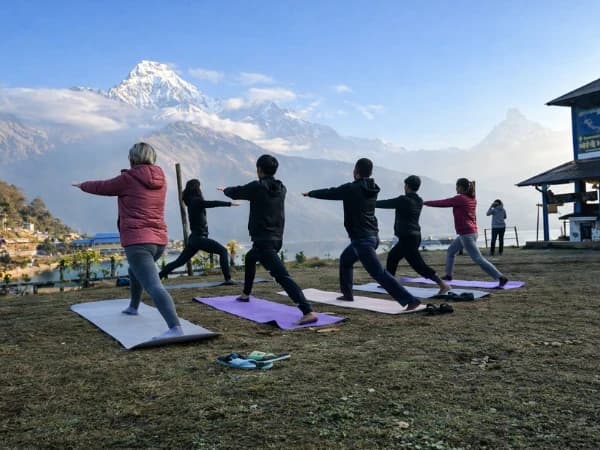
Ghorepani Poon Hill Yoga Trek - 9 Days Itinerary and Costs
Starts From
ExploreUS$1,020

Latest Travel Blogs
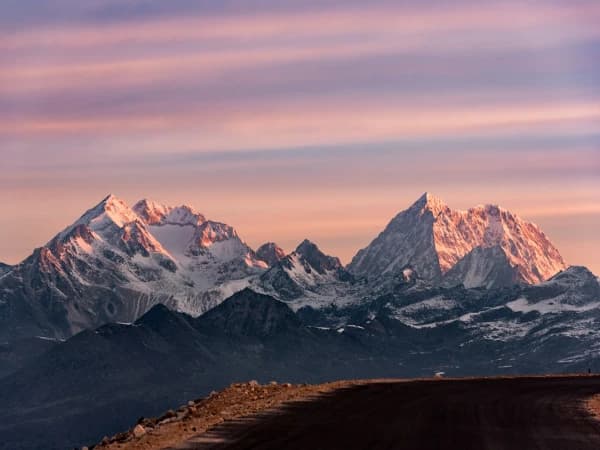
Christmas and New Year Treks from Pokhara 2026/27: 3 to 5 Days
<p>Short treks from Pokhara for Christmas and New Year 2026/27: Panchase 3 days, Poon Hill 4 days and Mardi Himal 5 days. Weather, snow, what is open, and prices by group size.</p>
Read More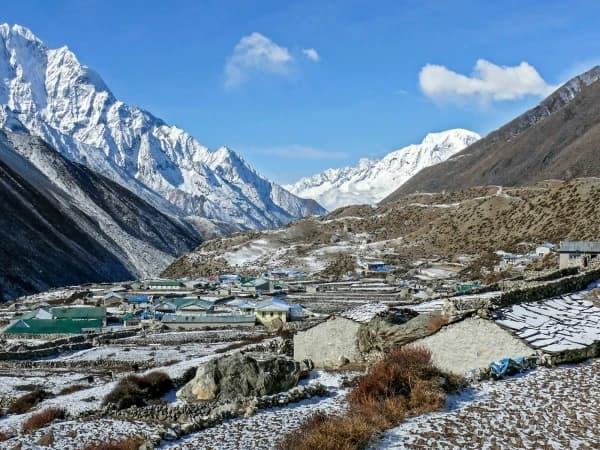
Thamdanda and Surke: The Road Head for Everest Base Camp by Road
Thamdanda is the road head where our Everest Base Camp trek by road starts and ends on foot. How to get there from Phaplu and what the first walk to Paiya is like.
Read MorePoon Hill Trek Permits 2027: ACAP, TIMS, Cost and What You Need
Poon Hill needs two permits: ACAP at NPR 3,000 and a TIMS card at NPR 2,000. Who arranges them, where they are checked, SAARC rates and the 2027 trek prices.
Read More Chat with Shreejan