
Nepal or Peru for trekking? EBC vs Inca Trail, costs, culture, food, altitude, flights compared. Honest answer from a guide who has trekked both countries.
Govt Regd. No.: 147653/072/073
Travel Agency Licence: 2838/072
Nepal or Peru: Which Is the Better Trekking Destination? An Honest Comparison

Nepal or Peru: Which Is the Better Trekking Destination? An Honest Comparison
Many people planning a gap year narrow it down to two options: trek to Everest Base Camp or hike the Inca Trail to Machu Picchu. They want me to say Nepal. I don't, because the honest answer is more interesting than that.
I'm Shreejan Simkhada, and yes, I run a Nepal trekking company. I will tell you where Peru wins.
What is the main difference between trekking in Nepal and Peru?
Short answer: Choose Nepal for the biggest mountains, longer treks, remote wilderness and lower costs on the ground. Choose Peru for ancient ruins, food and a shorter, permit-controlled trek. Our 12-day Everest Base Camp trek reaches 5,545 m, while the Inca Trail is about 4 days and tops out at 4,215 m. Many people end up doing both.
Nepal is mountains. Peru is mountains plus ruins. That sounds reductive, but it's the core distinction. If you're going for the trekking itself (the physical challenge, the altitude, the remote wilderness), Nepal offers more. If you want trekking combined with ancient civilisation, archaeological wonder, and one of the most famous historical sites on Earth, Peru delivers something Nepal can't.
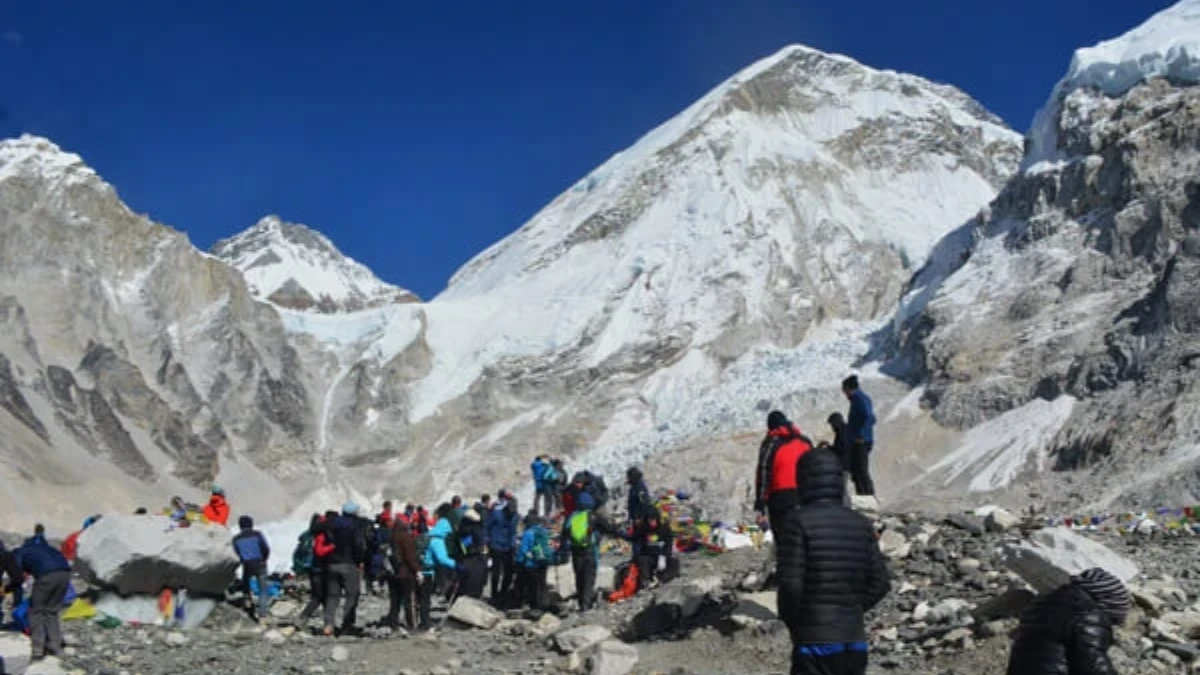
Neither is better. They're different flavours of extraordinary.
Which has bigger mountains for trekking, Nepal or Peru?
Nepal has eight of the world's fourteen mountains above 8,000 metres. Peru has none. The highest peak in the Peruvian Andes is Huascaran at 6,768 metres, impressive by any standard, but lower than dozens of Nepali peaks you've never heard of.
What this means in practice: the mountain scenery in Nepal operates at a scale that Peru simply doesn't match. When you stand at Kala Patthar and see Everest, Lhotse, Nuptse, and Ama Dablam filling the entire horizon, you're looking at something that exists nowhere else on Earth. Peru's mountains are beautiful. Nepal's mountains are overwhelming.
That said, Peru's Cordillera Blanca (near Huaraz) is genuinely spectacular: turquoise lakes, dramatic glaciers, and far fewer trekkers than Nepal's popular routes. If raw mountain scenery without crowds is your priority, the Cordillera Blanca deserves serious consideration.
How does Everest Base Camp compare to the Inca Trail trek?
Everest Base Camp (Nepal) vs Inca Trail (Peru)
| Factor | EBC (Nepal) | Inca Trail (Peru) |
|---|---|---|
| Duration | 12 days | 4 days |
| Maximum altitude | 5,545m | 4,215m (Dead Woman's Pass) |
| Daily permits | No daily limit | 500 per day (including staff) |
| Booking lead time | 2-4 weeks | 3-6 months (sells out fast) |
| Accommodation | Teahouses (basic rooms) | Camping (tents) |
| Finishing point | Khumbu Glacier | Machu Picchu (Sun Gate) |
| Cost (with guide) | From $1,399 | $600-800 |
| Physical difficulty | Harder (altitude) | Moderate |
The Inca Trail is shorter and lower. You sleep in tents, not teahouses. The daily permit limit means the trail never feels overcrowded, but it also means you need to book months in advance during peak season (May-September). EBC is longer, higher, and more physically demanding, but you can book weeks before departure and there's no permit cap.
The finishing experience is completely different. The Inca Trail ends at the Sun Gate overlooking Machu Picchu at dawn, one of the most dramatic arrivals in travel. EBC ends at a rocky glacier moraine with prayer flags and the Khumbu Icefall above you: raw, wild, and deeply personal. Both stay with you. Machu Picchu is the more photogenic finale. EBC is the more hard-earned one.
Does Nepal or Peru offer a better cultural trekking experience?
Peru wins this category, and it's not close. The Inca civilisation left behind some of the most remarkable archaeological sites on Earth. Machu Picchu, Cusco, the Sacred Valley, Ollantaytambo, Sacsayhuaman, you could spend two weeks exploring Inca ruins and still not see everything. The cultural depth is staggering.
Nepal's cultural offerings are different. You won't find ruins on the scale of Machu Picchu. What you'll find instead are living cultures, Sherpa Buddhist monasteries where monks still chant at dawn, Gurung villages where traditions haven't changed in centuries, and Tamang communities where you're the first foreigner they've seen this month. Nepal's culture is experienced, not excavated.
Both are valuable. Peru gives you history. Nepal gives you living tradition.
Is trekking cheaper in Nepal or Peru?
Nepal is significantly cheaper once you're there. A cup of tea on the EBC trail costs $1-2. A meal in Kathmandu costs $3-8. A night in a teahouse costs $5-15. Nepal is one of the cheapest countries in the world for travellers.
Peru is more expensive on the ground. Cusco is a tourist city with tourist prices. The Inca Trail permit alone costs $152 per person (2026). Restaurants in Cusco charge $10-20 for a meal. Hotels are $30-80/night for mid-range.
However, flights from Europe or the US to Lima are often cheaper than flights to Kathmandu. So the total trip cost can be similar depending on where you're flying from.
| Cost Item | Nepal | Peru |
|---|---|---|
| Trek package | From $499 (ABC) to $1,399 (EBC) | $600-800 (Inca Trail) |
| Flights from UK | $500-900 | $400-700 |
| Daily food costs | $10-15 | $20-30 |
| Hotel (mid-range) | $15-40 | $30-80 |
| Total 2-week trip | $2,000-3,000 | $2,500-4,000 |
Is altitude sickness worse on the Inca Trail or Everest Base Camp?
Both destinations involve serious altitude. Cusco sits at 3,400 metres, you'll feel it the moment you land. The Inca Trail reaches 4,215 metres at Dead Woman's Pass. EBC goes to 5,545 metres at Kala Patthar.
Nepal has an advantage here: the trek builds altitude gradually over 10+ days, giving your body time to acclimatise. In Peru, you fly directly to Cusco at 3,400 metres and often start the Inca Trail within 2-3 days. That sudden altitude exposure catches some people off guard.
For either destination, Diamox is worth discussing with your doctor, and travel insurance covering altitude sickness is essential.
Is the food better in Peru or Nepal for trekkers?
Peru wins. Peruvian cuisine is world-famous, Lima is consistently ranked among the top food cities globally. Ceviche, lomo saltado, cuy (guinea pig, if you're adventurous), and pisco sours are just the start. You can eat extraordinarily well in Peru.
Nepal's trekking food is hearty but repetitive. Dal bhat (lentil soup with rice) is the staple, and you'll eat it twice a day for the duration of your trek. It's nutritious, filling, and perfectly suited to trekking. But it's not Peruvian cuisine. In Kathmandu, the restaurant scene has improved enormously and you can find excellent Nepali, Tibetan, Indian, and international food. On the trail, expect simple teahouse cooking.
How Do You Get to Nepal vs Peru?
From the UK or Europe, both destinations require a full day of travel. Nepal is roughly 10-12 hours flying via the Gulf (Qatar, Emirates) or directly from Istanbul. Peru is 12-14 hours via Madrid or Amsterdam. Neither has a clear advantage.
From the US, Peru is closer and cheaper to reach. Miami to Lima is about 6 hours. New York to Kathmandu is 16-20 hours with connections. If you're American and counting travel days, Peru is more convenient.
From Australia, Nepal is closer. Sydney to Kathmandu is about 12-14 hours via Bangkok or Singapore. Sydney to Lima is 18+ hours. Australians lean towards Nepal, and the numbers show it, Nepal is one of the most popular trekking destinations for Australian travellers.
Wildlife
Peru edges this one. The Amazon basin (accessible from Cusco) offers jaguars, monkeys, macaws, and an astonishing density of biodiversity. Nepal has its own wildlife highlights, Chitwan National Park for Bengal tigers and one-horned rhinoceros, and the Annapurna region for Himalayan tahr and eagles, but the Amazon is in a different league for wildlife diversity.
That said, if you're primarily going for trekking rather than wildlife, this difference won't affect your choice much.
So Which Should You Choose?
Choose Nepal if:
- Mountain scenery at the highest scale on Earth is your priority
- You want a longer, more physically challenging trek (9-17 days)
- Budget matters, Nepal is cheaper on the ground
- You want to experience living mountain cultures
- You're drawn to the Everest or Annapurna names
- You're coming from Australia or Asia (shorter flights)
Choose Peru if:
- Ancient ruins and archaeological history fascinate you
- You want a shorter trek (4 days Inca Trail) combined with cultural sightseeing
- Food quality during your trip is important
- You prefer a more structured, permit-controlled trekking experience
- You're coming from the Americas (shorter flights)
- You want to combine trekking with Amazon wildlife
Choose both: I'm serious. They complement each other perfectly. Do Nepal for the mountains and Peru for the culture. Most of our clients who've done both say they're glad they didn't have to choose.
Which Nepal trek should I book and how much does it cost?
We have more than 90 packages, ranging from 1-day helicopter tours to 150-day traverses. Here are the most popular starting points:
- Everest Base Camp (12 Days) from $1,399
- Annapurna Base Camp (9 Days) from $725
- Everest View Trek (7 Days) from $1,565, if you want Everest views without the altitude
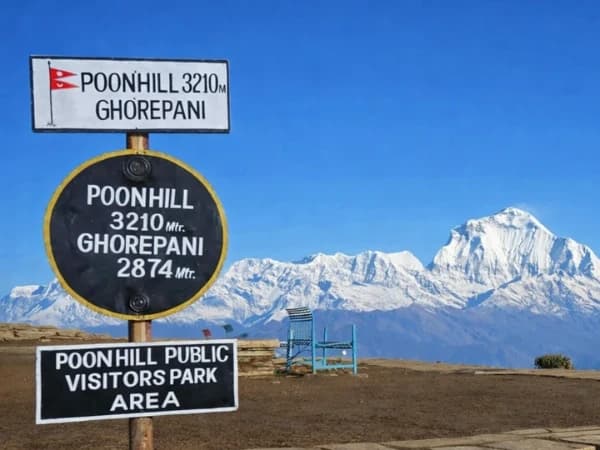
- Poon Hill Trek (6 Days) from $499, the best short trek in Nepal
Tell me what you're looking for and I'll design the right trek. No pressure. Just honest advice.
WhatsApp: +977 9810351300
Email: [email protected]
Shreejan Simkhada is the CEO of The Everest Holiday and a third-generation Himalayan guide. He firmly believes you should do both Nepal and Peru. TAAN Member #1586.
Choosing between Himalaya and Andes? Our Everest Base Camp Trek (12 Days) is private (your group only, no strangers), 2027 dates open, From USD $1399. WhatsApp us for tailored 2027 dates and current departures.
Planning a trip to Nepal?
Drop us your details and tell us what you have in mind. We will put together a personalised plan and get back to you.
Not sure which Nepal trek is right for you?
Take our free 2-minute quiz and get personalised recommendations based on your fitness, experience, and travel style.
Find Your Perfect Trek →Need Help? Call Us+977 9810351300orChat with us on WhatsApp
Related Trek Packages
Latest Travel Blogs
Christmas and New Year Treks from Pokhara 2026/27: 3 to 5 Days
<p>Short treks from Pokhara for Christmas and New Year 2026/27: Panchase 3 days, Poon Hill 4 days and Mardi Himal 5 days. Weather, snow, what is open, and prices by group size.</p>
Read More
Thamdanda and Surke: The Road Head for Everest Base Camp by Road
Thamdanda is the road head where our Everest Base Camp trek by road starts and ends on foot. How to get there from Phaplu and what the first walk to Paiya is like.
Read MorePoon Hill Trek Permits 2027: ACAP, TIMS, Cost and What You Need
Poon Hill needs two permits: ACAP at NPR 3,000 and a TIMS card at NPR 2,000. Who arranges them, where they are checked, SAARC rates and the 2027 trek prices.
Read More Chat with Shreejan