Nepal has 8 of the world's 14 eight-thousanders. Patagonia has the Torres. Cost, culture, difficulty, and scenery: we compare honestly so you can decide.
Govt Regd. No.: 147653/072/073
Travel Agency Licence: 2838/072
Nepal vs Patagonia: Which Trekking Destination Wins?

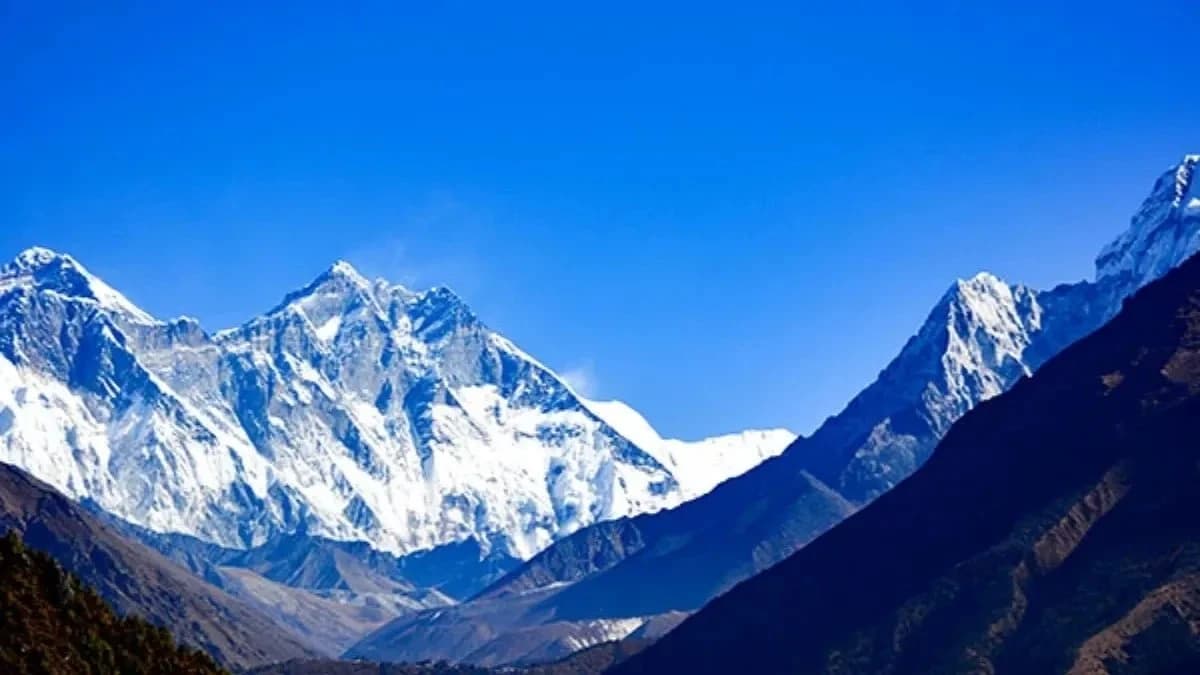
Short answer: Nepal and Patagonia are very different. Nepal's treks climb high, up to 5,545 m at Kala Patthar, pass eight of the world's 8,000 m peaks and stay in teahouses in lived-in villages. Patagonia's treks stay low, mostly around 1,200 m, with refugios or camping and wild, windy weather. Nepal's seasons are October to November and March to May, Patagonia's is November to March. Try Nepal on our 12-day Everest Base Camp trek.
Nepal vs Patagonia: Which Trekking Destination Wins?
I'll be upfront: I'm a Nepal guide. I was born here. My livelihood depends on people choosing to trek here. So you should know that before reading this comparison.
But I'm also a trekker who's studied every major mountain destination on the planet, hosted guests who've walked the Torres del Paine circuit and the Fitz Roy trails, and had long conversations over dal bhat about how Nepal stacks up against the other end of the world. I'll give you the honest picture. Patagonia is extraordinary. So is Nepal. They're extraordinary in completely different ways.
This isn't about crowning a winner. It's about matching you to the right destination for your time, budget, fitness, and what makes your soul catch fire when you look at a mountain.
How do Nepal and Patagonia trekking compare?
| Feature | Nepal | Patagonia |
|---|---|---|
| Highest trekking altitude | 5,545m (Kala Patthar, on the Everest Three Passes route) | ~1,200m (most treks) |
| Number of 8,000m peaks | 8 | 0 |
| Trek duration range | 5-25 days | 4-10 days |
| Daily trekking cost | $50-$100 | $150-$300 |
| Flights from Europe | 10-14 hours | 18-24 hours |
| Best season | Oct-Nov, Mar-May | Nov-Mar (Southern summer) |
| Visa requirements | Visa on arrival ($30-$50) | No visa for most nationalities (Chile/Argentina) |
| Teahouse/refuge system | Extensive, 1,000+ teahouses | Limited refugios on main circuits |
| Guided trek required | Required in most areas since April 2023 (including Khumbu) | No (but recommended) |
| Cultural immersion | Deep, village stays, monasteries, festivals | Limited, few settlements on trails |
| Weather predictability | Moderately predictable by season | Notoriously unpredictable, extreme wind |
Which has better mountains, Nepal or Patagonia?
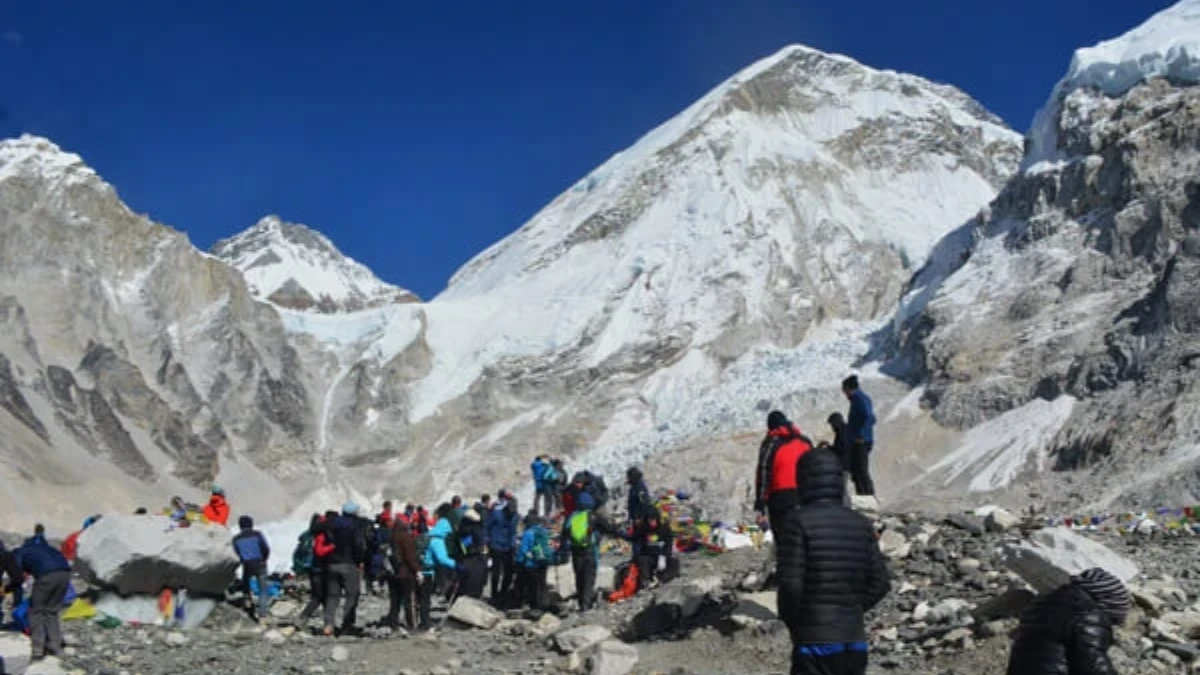
Nepal has eight of the world's fourteen peaks above 8,000 metres, including Everest (8,849m), Kangchenjunga (8,586m), and Annapurna (8,091m). When you trek in Nepal, you're walking beneath the biggest mountains on earth. The scale is almost impossible to process. Standing at Everest Base Camp and looking up at the Khumbu Icefall, your brain simply refuses to accept how large everything is.
Patagonia's mountains are shorter: Mount Fitz Roy tops out at 3,405m, but they're arguably more dramatic in form. The granite spires of Torres del Paine and Fitz Roy rise almost vertically from relatively low elevations, creating a visual impact that's different from Nepal's massive white giants. Where Nepal overwhelms with scale, Patagonia stuns with sharpness and contrast.
Glaciers feature in both destinations but differently. Nepal's glaciers are high-altitude phenomena, the Khumbu Glacier, Langtang Glacier, and others flow down from enormous peaks. Patagonia's glaciers come down to almost sea level. The Perito Moreno Glacier in Argentina is accessible by boardwalk. Grey Glacier in Torres del Paine drops icebergs into a lake you can kayak on. If glaciers are your thing, Patagonia makes them more accessible; Nepal makes them more dramatic.
The Trekking Experience
Nepal: A Way of Life
Trekking in Nepal is cultural immersion disguised as a hiking holiday. You sleep in family-run teahouses, eat meals cooked by lodge owners' families, and walk through villages where daily life unfolds around you. Children walk to school on the same trails. Farmers carry loads that would break most Western backs. Monks chant in monasteries you pass each morning.
The variety is staggering. The Annapurna Circuit takes you from subtropical river valleys to a 5,416m pass in two weeks. The Upper Mustang trek crosses a landscape that looks like Mars. The Langtang Valley puts you in Tamang villages where homestay hosts teach you to make momos. Each region feels like a different country.
Nepal offers treks anywhere between 5 and 25 days, covering everything from gentle valley walks to extreme high-altitude crossings. A first-timer can do the Ghorepani Poon Hill trek in 5 days. An experienced trekker can spend three weeks on the Everest Three Passes trek crossing three passes above 5,300m. No other country matches this range.
Patagonia: Wild and Wind-Swept
Patagonia trekking is a wilderness experience. The trails pass through vast, empty landscapes: grasslands, forests of lenga beech, glacial lakes of impossible blue. You might walk all day and see more guanacos than humans. The sense of space and solitude is powerful.
The two marquee treks are the Torres del Paine W Trek (4-5 days) and the full circuit (8-10 days) in Chile, plus the trails around Fitz Roy and Cerro Torre from El Chaltén in Argentina. These are top-tier routes by any measure. The moment the Torres del Paine towers appear above their glacial lake at sunrise is one of trekking's great reveals.
But Patagonia's trek selection is narrow compared to Nepal. Beyond Torres del Paine and Fitz Roy, options thin out quickly. You can trek in Tierra del Fuego or the Carretera Austral region, but these are less developed and less iconic. Nepal offers dozens of distinct multi-day treks; Patagonia offers a handful.
What is the weather like trekking Nepal vs Patagonia?
Let me be blunt about Patagonia weather: it's the single biggest variable that can make or break your trip. The region is famous for wind, sustained 60-80 km/h winds are normal, and gusts above 100 km/h occur regularly. I've spoken to trekkers who spent four days on the Torres del Paine W Trek and never saw the Torres because of cloud cover. That's devastating after flying 20 hours to get there.
Nepal's weather is more seasonal and predictable. October and November offer reliably clear skies in most regions. March through May brings warmer temperatures and rhododendron blooms with occasional afternoon clouds. You can plan around Nepal's seasons with reasonable confidence. Patagonia? You can plan all you want; the wind decides what you see.
In fairness, Nepal has its own weather challenges. Monsoon season (June-September) makes most treks inadvisable. Winter brings extreme cold at altitude. And afternoon clouds can obscure mountain views even in peak season. But the odds of getting clear mountain views on any given trek day are significantly higher in Nepal during peak season than in Patagonia during any season.
Is Nepal or Patagonia cheaper for trekking?
This is where Nepal wins decisively. Nepal is one of the most affordable trekking destinations on earth. Patagonia is one of the most expensive.
Nepal (12-day EBC trek, all-in guided)
- International flight (from Europe): $500-$900
- Guided trek with porter: $1,000-$1,500
- Kathmandu hotels + meals: $200-$400
- Internal flights (Kathmandu-Lukla): $350-$400
- Visa: $50
- Total: $2,100-$3,250
Patagonia (8-day Torres del Paine W Trek, guided)
- International flight (from Europe): $800-$1,400
- Guided trek: $2,500-$4,000
- Santiago/Punta Arenas transit hotels: $200-$400
- Internal flights (Santiago-Punta Arenas): $150-$300
- Park entry fee: $40-$55
- Total: $3,690-$6,155
You can do a 12-day guided trek in Nepal, with flights, accommodation, food, guides, porters, and permits, for less than the cost of the guided trek alone in Patagonia. That's not a minor difference. For budget-conscious trekkers, Nepal offers dramatically more mountain time per dollar spent.
The Mardi Himal trek or Annapurna Base Camp trek can be done for under $1,000 all-in from Pokhara. Nothing in Patagonia comes close to that value.
Culture and People
Nepal's greatest asset isn't its mountains. It's its people. I know that sounds like a travel brochure cliché, but hear me out.
When you trek in Nepal, you're walking through living communities. Sherpa villages in the Khumbu, Gurung settlements in the Annapurna region, Tamang hamlets in Langtang, Thakali towns on the Annapurna Circuit. Each has distinct traditions, cuisines, architecture, and festivals. Your teahouse host might invite you to a wedding. Your guide might take you to his family home for fresh yak-butter tea. These interactions aren't staged, they happen because the trails pass through people's lives.
Patagonia is beautiful but culturally sparse on the trail. The refugios are staffed by seasonal workers, the trails pass through uninhabited wilderness, and the cultural experience is limited to the towns at either end. Torres del Paine is striking scenery, but it's scenery you walk through rather than live in.
Is trekking harder in Nepal or Patagonia?
Nepal's treks range from gentle to extreme. The Poon Hill trek maxes out at 3,210m and suits complete beginners. The Everest Three Passes trek crosses three passes above 5,300m and demands serious mountaineering fitness. The Island Peak climb adds actual summit climbing to a trekking itinerary.
Patagonia's treks are physically demanding but at low altitude. The W Trek maxes out around 1,000m, so altitude sickness isn't a concern. The challenge comes from distance, weather, and terrain: wind, rain, and long days over uneven ground. If altitude anxiety is your primary concern, Patagonia removes that worry entirely.
However, the low altitude means Patagonia treks lack the unique physiological challenge that makes high-altitude trekking so memorable. Reaching Everest Base Camp at 5,364m or crossing Thorong La at 5,416m isn't just a physical achievement, it's a battle with thin air that changes how you breathe, think, and sleep. Some trekkers live for that challenge. Others would rather avoid it entirely.
Is it easier to reach Nepal or Patagonia for trekking?
Nepal is easier to reach from Europe and Asia. Kathmandu receives direct flights from multiple Asian hubs and connecting flights from everywhere else. From Kathmandu, you can be on a trek within 24 hours.
Patagonia requires reaching southern Chile or Argentina, which means a long-haul flight plus domestic connections. From Punta Arenas or El Calafate, you still need ground transport to the trailheads. The total travel time from London to starting the Torres del Paine W Trek is typically 30-36 hours. London to starting Everest Base Camp (via Lukla) is about 18-24 hours.
Nepal's teahouse system means you can trek without carrying a tent, sleeping bag, cooking equipment, or food. Your daypack holds water, snacks, and a warm layer. Everything else is at the lodge. Patagonia's refugio system on the W Trek is similar but more expensive and requires advance booking during peak season. On the full circuit, you'll need camping gear for the remote sections.
For a shorter commitment in Nepal, the EBC by Road Trip option offers an alternative approach that avoids the Lukla flight. The Manaslu Circuit provides a wilder, less-crowded option for those who've already done the popular routes.
Environmental Considerations
Both destinations face environmental pressures from tourism. Nepal's popular trails, particularly Everest and Annapurna, generate significant waste. The Sagarmatha Pollution Control Committee and ACAP work to manage this, but plastic bottles, discarded equipment, and human waste remain problems on busy routes.
Patagonia's parks are generally cleaner, benefiting from stricter park management and lower total visitor numbers. Torres del Paine requires advance booking, limits daily entries, and enforces strict leave-no-trace policies. However, the carbon footprint of reaching Patagonia from Europe or North America is substantially higher than reaching Nepal.
Nepal's quieter treks: Kanchenjunga, Manaslu, and the far-western routes, are as wild as anything in Patagonia. The waste problem is concentrated on the two or three most popular routes, not spread across all of Nepal's trekking regions.
Should I trek Nepal or Patagonia?
Choose Nepal If...
- You want the biggest mountains on earth
- Cultural immersion matters as much as scenery
- Budget is a factor . Nepal offers 2-3x more value
- You want variety, dozens of distinct multi-day treks
- You enjoy teahouse trekking with hot meals and beds
- You're drawn to high-altitude challenge
- You're travelling from Europe or Asia (shorter flights)
Choose Patagonia If...
- You love dramatic granite spires and glacial lakes
- Altitude sickness concerns you
- You prefer wilderness solitude over cultural interaction
- You're travelling from the Americas (shorter flights)
- You want to combine with other South American destinations
- Budget isn't a primary constraint
- You're comfortable with unpredictable weather
Do Both If...
You can. Life is short. Mountains don't wait. Trek Patagonia for the granite and the wind, then come to Nepal for the giants and the people. They complement each other perfectly.
Frequently Asked Questions
Is Nepal safe compared to Patagonia?
Both are safe trekking destinations. Nepal's primary risks are altitude sickness and trail conditions, both manageable with proper guides and preparation. Patagonia's primary risks are weather exposure and river crossings. Violent crime against trekkers is extremely rare in both places. Nepal's teahouse system means you're rarely far from shelter; Patagonia's remote sections require more self-sufficiency.
Can I trek independently in both places?
A licensed guide is required in most trekking areas under the Nepal Tourism Board rule from April 2023, including in the Everest (Khumbu) region. Patagonia's main trails (W Trek, Fitz Roy) can be walked independently. However, both destinations benefit from local guides who know weather patterns, route conditions, and the stories behind the landscapes.
Which destination is better for photography?
Nepal offers more variety, dramatic peaks, colourful villages, prayer flags, monasteries, diverse faces. Patagonia offers cleaner compositions, stark granite against sky, mirror-still lakes, dramatic cloud formations. Landscape photographers often prefer Patagonia for its visual simplicity. Travel and documentary photographers lean toward Nepal for its human element.
I only have 10 days total including travel. Which destination?
Nepal, without question. You can fly to Kathmandu, complete a 5-7 day trek like Mardi Himal or Poon Hill, and fly home within 10 days. Reaching Patagonia and completing even the W Trek requires 10 days minimum, with most of that consumed by travel.
Which destination is better in December?
Patagonia is in peak season in December (Southern Hemisphere summer). Nepal is in winter, cold at altitude but clear skies and very few trekkers. If December is your only option, Patagonia is the safer bet for weather, though Nepal in winter has its own stark beauty and solitude.
Let Us Show You Nepal
If Nepal is calling, we'll make sure you see the best of it. Three generations of Himalayan guiding means we know which trails, which seasons, and which lodges will give you the trip you're looking for.
Get in touch:
- WhatsApp: +977 9810351300
- Email: [email protected]
- Browse all our Everest region and Annapurna region treks
Written by Shreejan Simkhada, third-generation Himalayan guide and founder of The Everest Holiday. Licensed by the Trekking Agencies' Association of Nepal (TAAN #1586). Proud Nepali, honest about the competition, and always happy to talk mountains.
Nepal vs Patagonia? Nepal is the cheaper, deeper trek. Our Everest Base Camp Trek (12 Days) is private (your group only, no strangers), 2027 dates open, From USD $1399. WhatsApp us for tailored 2027 dates and current departures.
Planning a trip to Nepal?
Drop us your details and tell us what you have in mind. We will put together a personalised plan and get back to you.
Not sure which Nepal trek is right for you?
Take our free 2-minute quiz and get personalised recommendations based on your fitness, experience, and travel style.
Find Your Perfect Trek →Need Help? Call Us+977 9810351300orChat with us on WhatsApp
Latest Travel Blogs
Christmas and New Year Treks from Pokhara 2026/27: 3 to 5 Days
<p>Short treks from Pokhara for Christmas and New Year 2026/27: Panchase 3 days, Poon Hill 4 days and Mardi Himal 5 days. Weather, snow, what is open, and prices by group size.</p>
Read More
Thamdanda and Surke: The Road Head for Everest Base Camp by Road
Thamdanda is the road head where our Everest Base Camp trek by road starts and ends on foot. How to get there from Phaplu and what the first walk to Paiya is like.
Read MorePoon Hill Trek Permits 2027: ACAP, TIMS, Cost and What You Need
Poon Hill needs two permits: ACAP at NPR 3,000 and a TIMS card at NPR 2,000. Who arranges them, where they are checked, SAARC rates and the 2027 trek prices.
Read More Chat with Shreejan