Nepal has teahouses and guides. Ladakh has moonscapes and monasteries. A Nepal guide honestly compares both so you choose the right Himalayan trek for you.
Govt Regd. No.: 147653/072/073
Travel Agency Licence: 2838/072
Nepal vs Ladakh: Himalayan Trekking Compared

Short answer: Choose Nepal for teahouse trekking with a guide, green valleys and the highest mountains on earth; choose Ladakh for high-altitude desert, Tibetan Buddhist monasteries and camping or homestays. Nepal's treks start from Kathmandu at about 1,400 m with over a thousand teahouses on the main routes, while Ladakh starts at Leh, about 3,500 m, so you are at altitude from the first day. For the classic Nepal side, see our 12-day Everest Base Camp trek.
How Does Nepal Compare to Ladakh for Trekking?
My family has been guiding in Nepal for three generations. I've never guided in Ladakh. That's my bias, stated plainly. But I've spent time in Leh, trekked the Markha Valley on holiday, and I've hosted hundreds of clients who've done both destinations. Several came to Nepal after Ladakh. Others went to Ladakh after Nepal. Their comparisons, combined with my own experience, form the backbone of this guide.
Nepal and Ladakh share the same mountain range but offer fundamentally different trekking experiences. Nepal is green valleys, stone teahouses, and peaks that disappear into the clouds. Ladakh is high-altitude desert, whitewashed monasteries, and a landscape so stark it looks extraterrestrial. Both are Himalayan. Neither is replaceable by the other. If you want to see the Nepal side of that comparison, here is our 12-day Everest Base Camp trek. If you want to see the Nepal side of that comparison, here is our 12-day Everest Base Camp trek.
Nepal vs Ladakh: Side-by-Side Comparison
| Feature | Nepal | Ladakh (India) |
|---|---|---|
| Highest trekking altitude | 5,535m (Kongma La) | 5,600m+ (various passes) |
| Base altitude of main town | 1,400m (Kathmandu) | 3,500m (Leh) |
| Trek duration range | 5-25 days | 4-14 days |
| Accommodation | Teahouses (1,000+) | Camping + some homestays |
| Landscape type | Subtropical to alpine: forests, valleys, glaciers | High-altitude desert, barren, arid, dramatic |
| Cultural identity | Hindu-Buddhist mix, multiple ethnic groups | Tibetan Buddhist, Ladakhi culture |
| Best season | Oct-Nov, Mar-May | Jun-Sep (Indian summer) |
| Permits | National park + TIMS (some restricted areas extra) | Inner Line Permit for many areas (free-$20) |
| Guide requirement | Required in most areas (since April 2023) | Not mandatory for most treks |
| Daily cost (guided) | $50-$100 | $60-$120 |
| International access | Kathmandu (direct international flights) | Leh (via Delhi domestic flight or 2-day road) |
| Vegetation | Lush: rhododendrons, bamboo, ferns | Minimal, willow trees in valleys, otherwise barren |
Nepal: The Green Himalaya
Nepal's trekking regions span an altitude range that's hard to grasp until you've walked it. You start in rice paddies at 800m, climb through rhododendron forests at 3,000m, cross glacial moraines at 5,000m, and look up at peaks touching 8,000m. The biological and visual diversity within a single trek is extraordinary.
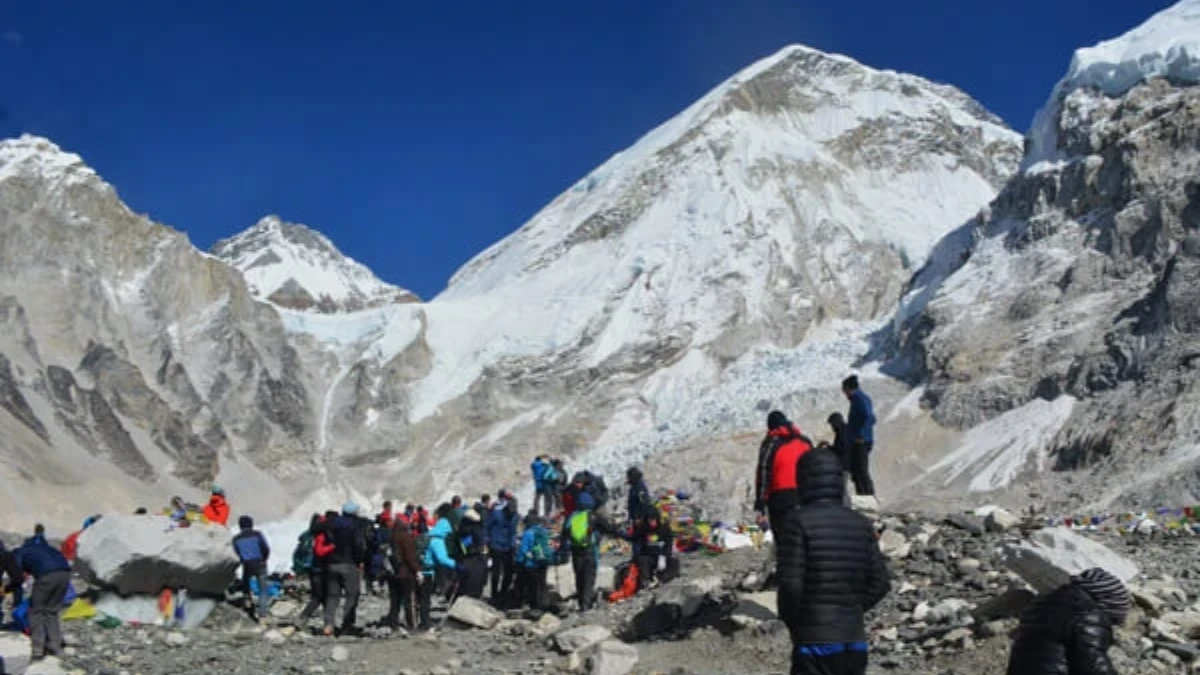
The Everest Base Camp trek is the most famous example. Over 12 days, you walk from the Lukla airstrip through Sherpa villages, pine forests, and rocky trails to the base of the world's highest mountain. The landscape transforms daily. The cultural experience: Sherpa monasteries, yak herder camps, mountaineering history, enriches every step.
Nepal's teahouse system is its secret weapon. You sleep in family-run lodges, eat hot meals cooked to order, and carry only a daypack while your porter handles the heavy bag. This makes Nepal trekking accessible to people who'd never consider camping for two weeks in the mountains. You don't need to be Bear Grylls. You need decent fitness and a willingness to walk uphill.
Nepal's Strengths
- Unmatched variety: 30+ distinct multi-day treks across four major regions
- Teahouse comfort: hot food, beds, and basic showers on most routes
- Cultural depth: Sherpa, Gurung, Tamang, Thakali, Rai communities
- The biggest mountains on earth: nowhere else comes close to scale
- Well-established guiding industry with generations of experience
- Budget-friendly: top-tier trekking from $50-$100/day all-in
Nepal's Weaknesses
- Popular routes (Everest, Annapurna) are crowded in peak season
- Domestic flights (Lukla) are frequently delayed or cancelled
- Road conditions in remote areas are poor
- Altitude sickness is a real risk on treks above 4,000m
- Monsoon season (Jun-Sep) shuts down most trekking for four months
Ladakh: The Cold Desert
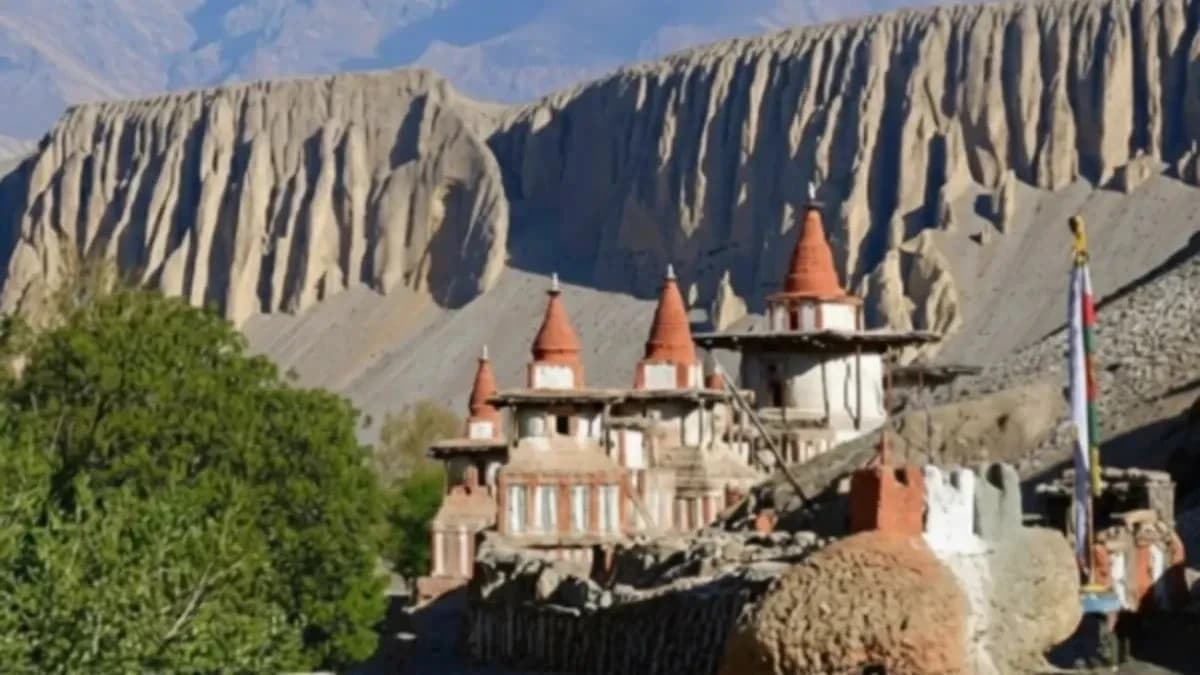
Ladakh sits at the intersection of the Himalaya and Karakoram ranges in India's northernmost territory. The landscape is unlike anything in Nepal. Bare mountains of red, ochre, and grey fold against impossibly blue skies. Rivers carve turquoise ribbons through barren valleys. Monasteries cling to cliff faces above villages where apricot trees are the only green for miles.
The base altitude in Leh is already 3,500m, higher than most Nepali treks reach until day three or four. This means acclimatisation starts the moment you land. Most Ladakh itineraries include two or three rest days in Leh before starting any trek, which is both necessary and genuinely enjoyable. Leh itself is a fascinating town with centuries-old monasteries, a lively market, and views across the Indus Valley.
Popular Ladakh treks include the Markha Valley (6-8 days), Stok Kangri (4-6 days), the Chadar frozen river trek (winter only), and the Sham Valley trek (3-4 days for beginners). They're shorter than Nepal's flagship treks but consistently at higher base elevations.
Ladakh's Strengths
- Unique landscape: high-altitude desert unlike anywhere else in the Himalaya
- Tibetan Buddhist culture in its most accessible, authentic form
- Summer season (Jun-Sep) fills the gap when Nepal is in monsoon
- Relatively uncrowded compared to Nepal's main routes
- No guide requirement for most treks: flexibility for independent trekkers
- Road access from Delhi, no domestic flights required (though available)
Ladakh's Weaknesses
- Limited teahouse infrastructure: many treks require camping
- High base altitude means acclimatisation takes 2-3 days before you even start
- Short trekking season (June-September only for most routes)
- Barren landscape can feel monotonous to some trekkers after several days
- Getting there is expensive . Leh flights from Delhi cost $100-$200+ each way
- Political tensions in the border region can affect access to some areas
Does Nepal or Ladakh have better trekking scenery?
This is the central difference. Nepal is a green country. Even at 5,000m, there's lichen on rocks, the occasional hardy shrub, and the memory of forests below. Descend to 3,000m and you're in thick rhododendron woodland. At 2,000m, terraced rice paddies cascade down hillsides. Nepal's landscape is alive at every elevation.
Ladakh is beautiful in its barrenness. The desert palette, tan, grey, rust, purple, creates colours that feel digitally enhanced but aren't. When you crest a pass in Ladakh and look out over an endless expanse of bare mountains under a deep blue sky, the feeling is almost spiritual. There's nothing between you and the geology. No trees, no buildings, no distractions.
For trekkers who want Nepal's version of desert landscapes, the Upper Mustang trek offers eerily similar terrain to Ladakh, wind-eroded cliffs, Buddhist monasteries, and a restricted-area mystique, but within Nepal's borders and accessible with Nepal logistics.
How do Nepal and Ladakh compare for culture and spirituality?
Both destinations are deeply Buddhist, but the expression differs. Nepal's trekking regions blend Hinduism and Buddhism in varying proportions depending on the ethnic group. Sherpa communities in the Everest region are strongly Tibetan Buddhist. Gurung villages in the Annapurna region blend Buddhist and Hindu practices. The Langtang Valley is Tamang, ethnically Tibetan, culturally distinct.
Ladakh is almost purely Tibetan Buddhist. The monasteries are larger, more numerous, and more visually dramatic than most in Nepal's trekking regions. Hemis, Thiksey, and Lamayuru are major cultural sites that you can visit before or after your trek. The festival calendar, particularly Hemis Tse Chu in late June, adds another dimension.
Our guide Tashi, who's from a Tibetan family in Boudhanath, visited Ladakh and came back saying: "It's like looking in a mirror. Same prayers, same butter lamps, same faces. But the landscape makes it feel like a different planet."
Nepal's cultural advantage is diversity. In a single 14-day trek through the Annapurna Circuit, you pass through Hindu lowland communities, Gurung villages, Manangba Buddhist settlements, and Thakali trading towns. Each has its own food, architecture, and traditions. Ladakh is culturally more homogeneous, beautiful, but less varied.
How Do You Get from Nepal to Ladakh?
Getting There
Nepal wins on access. Kathmandu's Tribhuvan International Airport receives direct flights from cities across Asia and the Middle East. From Europe, you're looking at 10-14 hours with one connection. Visa on arrival at the airport takes 30 minutes.
Ladakh requires reaching India first (visa processing takes days or weeks), then flying from Delhi to Leh (1.5 hours) or driving the Manali-Leh Highway (2 days, open June-October only). The Leh flight is spectacular, you fly directly over the Himalayan range, but it's prone to weather cancellations.
Accommodation on the Trail
Nepal's teahouse system is unrivalled. Along the Everest Base Camp route, lodges serve meals from multi-page menus, offer private rooms, and have common areas with wood-burning stoves. Even on quieter routes like Manaslu or Kanchenjunga, basic teahouses provide beds, blankets, and cooked food.
Ladakh's trail accommodation is more variable. The Markha Valley has village homestays, sleeping on the floor of a family home, eating their food, using their outdoor toilet. It's authentic and wonderful, but it's not a teahouse with a menu. Other treks like Stok Kangri require full camping: tents, sleeping bags, cooking equipment, and a support team. This adds weight, cost, and complexity.
Season Timing
Here's something most comparison guides miss: Nepal and Ladakh have complementary seasons. Nepal's best months are October-November and March-May. Ladakh's best months are June-September. This means you can trek Nepal in autumn, Ladakh in summer, and never overlap.
It also means Ladakh fills a gap. If you can only travel in July or August, when Nepal is deep in monsoon . Ladakh offers outstanding Himalayan trekking in clear, dry conditions. Some of our clients trek Nepal in October and Ladakh the following July, covering both sides of the same mountain range in different seasons.
Is Nepal or Ladakh cheaper to trek?
Nepal (12 days, EBC guided trek)
- Guide + porter: $500-$700
- Permits: $60-$80
- Teahouse accommodation: $5-$10/night
- Food on trail: $20-$30/day
- Lukla flights: $420-$510 return
- Kathmandu hotels: $100-$200
- Total: $1,300-$1,900
Ladakh (8 days, Markha Valley guided)
- Guide + support team: $400-$600
- Camping equipment (if needed): $100-$200
- Permits: $20-$30
- Homestay/camping: $15-$30/night
- Food: $20-$35/day
- Delhi-Leh flights: $200-$400
- Leh hotels + acclimatisation days: $150-$300
- Total: $1,100-$1,800
Costs are broadly similar, but Nepal gives you more trekking days for the same money. The teahouse system keeps daily costs lower, and the wider range of treks means you can find options for every budget. The Poon Hill trek or Mardi Himal can be done for $600-$900 total, hard to match in Ladakh.
How does altitude compare on Nepal and Ladakh treks?
Both destinations take you high, but Ladakh starts high. Landing in Leh at 3,500m means your body begins adjusting before you've laced your boots. Most itineraries build in 2-3 acclimatisation days in Leh, which is wise but eats into your trip duration.
Nepal's treks start lower and climb gradually. The EBC trek from Lukla (2,860m) takes 7-8 days to reach 5,364m, with built-in acclimatisation days at Namche Bazaar and Dingboche. Your body has more time to adjust. The Everest Three Passes trek takes even longer, crossing passes above 5,300m after thorough acclimatisation.
For trekkers worried about altitude, Nepal's gradual approach is gentler on the body. Ladakh's high start point means some people feel symptoms within hours of landing. Our guide Mingma, who accompanied a client to Ladakh on holiday, reported: "In Nepal, people feel altitude on day four or five. In Ladakh, people feel it on day one. The mountains don't care where you bought your ticket."
What wildlife will you see in Nepal and Ladakh?
Nepal's lower elevations support far greater biodiversity. The national parks and conservation areas harbour red pandas, Himalayan black bears, musk deer, langur monkeys, and over 800 bird species. Snow leopard sightings, while rare, are possible in Langtang and Sagarmatha National Parks.
Ladakh's wildlife is adapted to extreme aridity and altitude. The Changtang plateau is home to the Tibetan wild ass (kiang), Tibetan antelope, and marmots. Ladakh is also one of the world's best destinations for snow leopard tracking, the Hemis National Park runs dedicated snow leopard expeditions in winter. If seeing a snow leopard is on your life list, Ladakh has better odds than Nepal.
Blue sheep (bharal) are common in both destinations and are the snow leopard's primary prey. In Nepal, you'll spot them on the Lower Dolpo Circuit and above Manang on the Annapurna Circuit.
Who Should Go Where?
Choose Nepal If...
- You want the world's highest mountains as your backdrop
- Teahouse comfort matters, hot meals, beds, and a roof every night
- You love green landscapes, forests, and biological diversity
- Cultural variety excites you more than cultural depth in one tradition
- You're trekking in October-November or March-May
- It's your first Himalayan trek and you want proven infrastructure
- You prefer many different trek options (5-25 days, easy to extreme)
Choose Ladakh If...
- Desert landscapes and barren beauty speak to you
- You're deeply interested in Tibetan Buddhist culture and monasteries
- You can only travel June-September (when Nepal is in monsoon)
- You want to combine trekking with a broader India trip
- Independent trekking without a guide appeals to you
- Snow leopard tracking is a life goal
- You find lush landscapes less interesting than stark, geological ones
Should you trek both Nepal and Ladakh?
If you have three weeks and the budget, do a short Nepal trek in October, the Langtang Valley or Annapurna Base Camp, and then plan Ladakh for the following summer. You'll experience both sides of the Himalaya in their best seasons, and the contrast will deepen your appreciation of each.
For those who can't choose, Nepal offers its own desert landscapes. The Upper Mustang trek crosses terrain that looks remarkably similar to Ladakh, wind-sculpted cliffs, Buddhist cave monasteries, and prayer flags stretching across barren passes. It's Nepal's answer to Ladakh, accessible with a single restricted-area permit and without leaving the country.
The EBC by road trip offers yet another perspective, taking you through Nepal's middle hills and eastern lowlands before reaching the Khumbu. It's a different Nepal from the one you see on a fly-in trek.
Frequently Asked Questions
Can I do Nepal and Ladakh in one trip?
Technically yes, but the season mismatch makes it suboptimal. Nepal's best trekking is October-November when Ladakh is closing for winter. Ladakh's best months are July-August when Nepal is in monsoon. You could visit both in June (late spring Nepal, early summer Ladakh) or September (end of monsoon Nepal, end of season Ladakh) but conditions won't be ideal in either place. Better to plan them as separate trips in their respective peak seasons.
Which is safer for a solo female trekker?
Both are generally safe. With a licensed guide on every trek we run, solo female trekkers always have company on the trail. The teahouse system provides structured accommodation every night. Ladakh's homestay culture is welcoming and respectful, and many solo women trek the Markha Valley without incident. Standard travel precautions apply in both places, stick to established routes, inform someone of your itinerary, and trust your instincts.
I get sick easily at altitude. Which destination is better?
Nepal, because of its gradual ascent profile. Most Nepal treks start below 3,000m and climb steadily over days, giving your body time to adjust. Ladakh starts at 3,500m the moment you land, which can trigger symptoms immediately. If you're altitude-sensitive, Nepal's approach is significantly gentler. Consider the Poon Hill trek (max 3,210m) or Mardi Himal as options that stay at moderate altitude.
Which destination has better food on the trail?
Nepal. The teahouse menus offer dal bhat, momos, pasta, pizza, pancakes, soups, and various Tibetan and Nepali dishes. Quality varies by lodge but you'll always have choices. Ladakh's trail food is more limited, homestays serve whatever the family eats (typically thukpa, rice, and chapati). It's authentic and tasty but there's less variety. If food matters to your trekking happiness, Nepal wins clearly.
Is the Chadar frozen river trek in Ladakh comparable to anything in Nepal?
Nothing in Nepal compares. The Chadar trek, walking on a frozen river through a gorge in February at -20°C, is something different that exists only in Ladakh. Nepal offers winter trekking but not on frozen rivers. If the Chadar specifically interests you, Ladakh is your only option. Just know that climate change is making the ice increasingly unreliable, and some years the trek is cancelled entirely.
Let's Plan Your Nepal Trek
Whether Nepal is your first choice or your next adventure after Ladakh, we'll build an itinerary that matches your fitness, interests, and schedule. From gentle valley walks to extreme high-altitude crossings, three generations of guiding experience go into every trip we plan.
Get in touch:
- WhatsApp: +977 9810351300
- Email: [email protected]
- Browse our full range of Nepal treks
Written by Shreejan Simkhada, third-generation Himalayan guide and founder of The Everest Holiday. Licensed by the Trekking Agencies' Association of Nepal (TAAN #1586). Born in Nepal, curious about everywhere else, always honest about the competition.
Picked Nepal over Ladakh? Our Everest Base Camp Trek (12 Days) is private (your group only, no strangers), 2027 dates open, From USD $1399. WhatsApp us for tailored 2027 dates and current departures.
Planning a trip to Nepal?
Drop us your details and tell us what you have in mind. We will put together a personalised plan and get back to you.
Not sure which Nepal trek is right for you?
Take our free 2-minute quiz and get personalised recommendations based on your fitness, experience, and travel style.
Find Your Perfect Trek →Need Help? Call Us+977 9810351300orChat with us on WhatsApp
Latest Travel Blogs
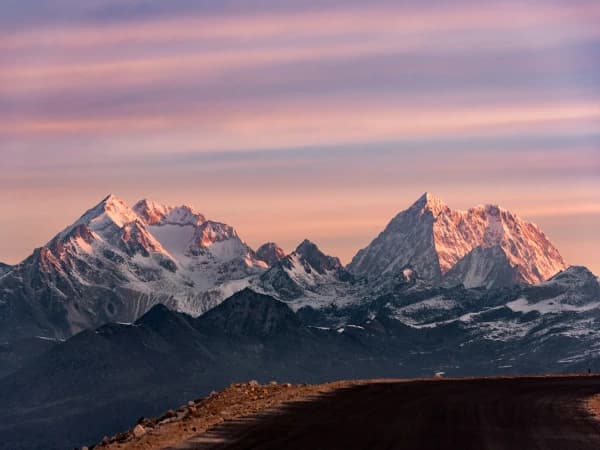
Christmas and New Year Treks from Pokhara 2026/27: 3 to 5 Days
<p>Short treks from Pokhara for Christmas and New Year 2026/27: Panchase 3 days, Poon Hill 4 days and Mardi Himal 5 days. Weather, snow, what is open, and prices by group size.</p>
Read More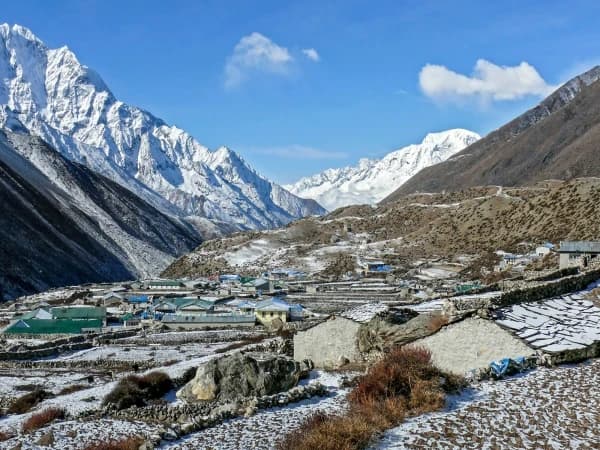
Thamdanda and Surke: The Road Head for Everest Base Camp by Road
Thamdanda is the road head where our Everest Base Camp trek by road starts and ends on foot. How to get there from Phaplu and what the first walk to Paiya is like.
Read MorePoon Hill Trek Permits 2027: ACAP, TIMS, Cost and What You Need
Poon Hill needs two permits: ACAP at NPR 3,000 and a TIMS card at NPR 2,000. Who arranges them, where they are checked, SAARC rates and the 2027 trek prices.
Read More Chat with Shreejan