

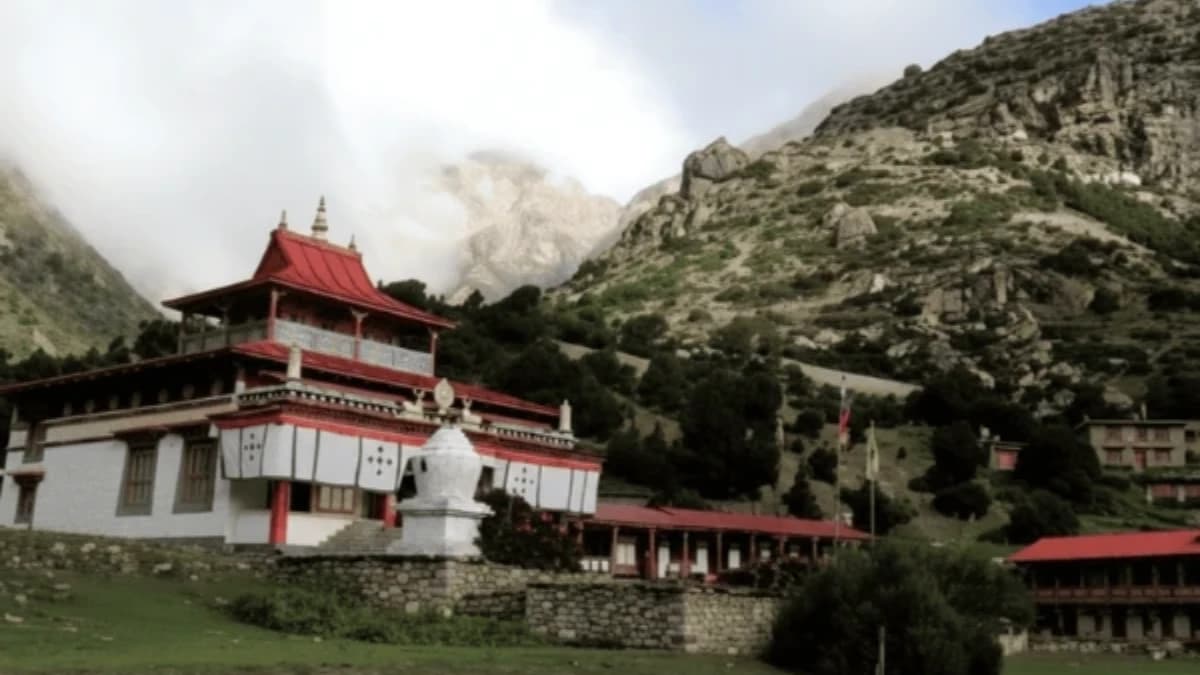
Short answer: Nar Phedi Monastery is a working Buddhist monastery and guesthouse on a shelf above the Nar Khola, five or six hours north of Koto, and the usual first night of the Nar Phu Valley trek. Nar Phu is a restricted area, so you need a special permit and a licensed guide. It is on our Nar Phu Valley trek.
Nar Phedi Monastery, The Spiritual Gateway to Nepal's Restricted Nar Phu Valley
The prayer flags appear before the village does. You've been walking north from Koto for five or six hours, climbing steadily through thick forest, the Nar Khola crashing somewhere below you, the trail switching between shaded pine corridors and brief clearings where the canyon opens just enough to let the sky in. The Annapurna Circuit feels like it belongs to a different country now. That wide, busy trail with its lodges and Wi-Fi and trekker traffic is a day behind you. Here, in the narrowing throat of the Nar Phu Valley, you haven't seen another person in two hours. And then the forest thins, the canyon briefly widens, and you see them: strings of weathered cloth strung between wooden poles on a shelf of flat ground above the river. Below the flags, a cluster of stone buildings. And at the highest point, slightly apart from the rest, a small structure with whitewashed walls and a dark wooden doorframe, the monastery of Nar Phedi.
It's not a grand monastery. It won't make anyone's list of Nepal's most impressive gompas. There's no gold roof, no towering chortens, no famous lama in residence. But standing at the doorway of that small prayer hall at 2,960 metres, with the smell of juniper incense drifting out and the sound of the Nar Khola filling the canyon below, you'll understand something that the bigger, busier monasteries along the Annapurna Circuit can't quite deliver: this place is not for tourists. It never was. The monks who light the butter lamps here do so because the people of the Nar Phu Valley have been lighting them for centuries, long before the permits, the trekking companies, or the trail markers. You're not visiting a monastery. You're passing through a threshold.
| Detail | Fact |
|---|---|
| Altitude | 4,150 m |
| Region | Nar Phu valley, Manang district (restricted area) |
| What it is | A riverside Buddhist monastery between Phu and Nar villages |
| How you reach it | From Koto on the Annapurna Circuit, via Meta and Phu |
| Onward | To Nar village, then over the Kang La (5,322 m) to Ngawal on the Annapurna Circuit |
| Permit | Nar Phu Restricted Area Permit ($100/week Sep–Nov, $75/week Dec–Aug) plus ACAP |
| Trek | Nar Phu Valley Trek |
Where Is Nar Phedi?
Nar Phedi sits at approximately 2,960 metres on the northern side of the Nar Khola, at the point where the trail into the restricted Nar Phu Valley begins to climb seriously toward the upper settlements of Meta, Kyang, Nar, and Phu. The name itself tells you what the place is: "Phedi" means "foot of the hill" in Nepali. Nar Phedi is the foot of the Nar Valley, the last relatively low settlement before the trail gains altitude rapidly through the canyon system that leads to the high, arid villages above.
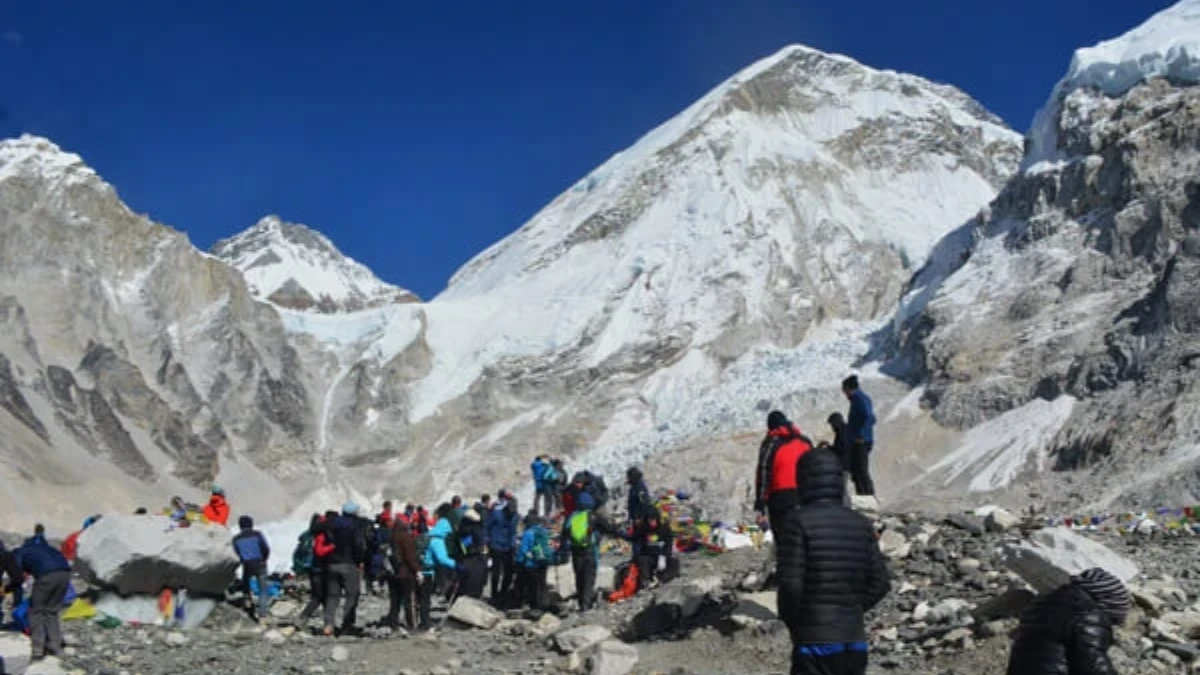
The settlement is small. A handful of stone and timber buildings, a few teahouses that cater to trekkers passing through, some storage structures used by herders who move their yaks between the lower and upper valleys with the seasons. In terms of population, Nar Phedi is barely a village at all, more a waystation, a place where trails converge and diverge, where porters rest and trekkers spend their first night in the restricted area.
But the monastery changes the meaning of the place. A waystation is functional. A monastery is intentional. Someone chose this spot, this flat shelf above the river, this point where the canyon narrows and the valley begins its climb toward the Tibetan borderlands, and said: here. Here is where we mark the boundary. Here is where travellers pause. Here is where the spiritual geography of the Nar Phu Valley begins.
How Do You Get to Nar Phedi from Koto?
You reach Nar Phedi from Koto, a small town on the Annapurna Circuit at approximately 2,600 metres. Koto sits on the Marsyangdi River, the main watercourse of the Circuit trail, and it's the last place that feels connected to the familiar infrastructure of the Annapurna trekking corridor. Koto has decent lodges, mobile coverage, and the relaxed atmosphere of a Circuit rest stop.
At Koto, the trail forks. Straight ahead, north-west, the Annapurna Circuit continues toward Chame, Pisang, Manang, and eventually the Thorong La pass. To the right, due north, a smaller trail drops to a bridge over the Marsyangdi and enters the mouth of the Nar Phu Valley. This is where your restricted area permit is checked. This is where the trekker numbers drop from hundreds per day to perhaps five or ten. And this is where the character of the landscape begins to shift.
The walk from Koto to Nar Phedi takes five to seven hours, depending on pace and conditions. The trail climbs through dense forest, primarily pine and rhododendron at the lower elevations, thinning to birch and juniper as you gain altitude. The Nar Khola, a tributary that feeds into the Marsyangdi at Koto, runs below the trail, sometimes visible through gaps in the trees, sometimes audible only as a distant roar in the gorge below.
The trail is well-maintained but quieter than anything on the Circuit. There are no teashops every thirty minutes. No Wi-Fi signs. No menus advertising pizza and pancakes. What there is, instead, is forest. Deep, uninterrupted, increasingly atmospheric forest that closes around the trail and blocks the sky and makes the occasional clearing, where you can see the canyon walls rising on both sides, feel like a window briefly opened and then shut again.
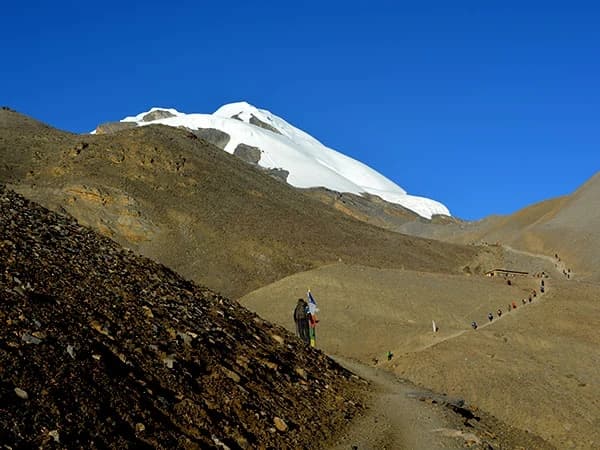
By the time you reach Nar Phedi, the forest has begun to thin. The canyon is wider here, and the flat ground where the settlement sits catches afternoon sun. After hours of climbing through dense woodland, the open sky above Nar Phedi feels earned. The prayer flags catch the light. The smoke from the teahouse kitchen drifts across the clearing. And the small monastery on the rise above the settlement watches over everything with the quiet authority of a place that has been watching for a very long time.
What Is Nar Phedi Monastery Like?
The gompa at Nar Phedi follows the pattern of small Himalayan Buddhist monasteries throughout the Nar Phu region. Whitewashed exterior walls. A low wooden door that requires a slight bow to enter, whether by architectural necessity or spiritual intention depends on who you ask. A single prayer hall inside, dim and close, with wall paintings of Buddhist deities and protectors in the Nyingma tradition that predominates in this valley. A butter lamp burning in front of a small statue of Guru Rinpoche. And the smell, juniper smoke, old wood, yak butter, that is the same in every gompa from Ladakh to eastern Tibet and that triggers something in the chest that doesn't quite have a name in English.
The Buddhism of the Nar Phu Valley is Nyingma, the oldest school of Tibetan Buddhism, brought to the Himalaya by Padmasambhava (Guru Rinpoche) in the eighth century. But it's Nyingma with layers. The people of the upper Nar Phu Valley, the Nar-Phowa, carry Bon traditions that predate Buddhism's arrival in the region. The prayer flags at Nar Phedi aren't only Buddhist, they carry wind-horse symbols and elemental invocations that reach back to a time before the formal establishment of Buddhist practise in these canyons. The distinction matters, not because trekkers need to become scholars of Tibetan religious history, but because it explains the feeling of the place: this isn't a monastery built to represent a school of thought. It's a monastery built because the people who live in this valley have always believed that certain places require spiritual attention, and the foot of the Nar canyon is one of them.
The monastery is not always attended. Unlike the larger gompas at Nar village and Phu village, where monks are in regular residence, the Nar Phedi gompa may be empty when you arrive. But it's never abandoned. The butter lamp is refilled. The door is maintained. The prayer flags are replaced when they fray. Someone from the valley is always tending this place, even when no one is visibly present. If you're lucky, and especially during festival periods or the peak autumn trekking season, you may find a monk or a local caretaker who'll open the prayer hall and explain the wall paintings. If not, you'll find the door unlocked, the interior dark and cool, and the silence inside the kind of silence that feels intentional rather than empty.
Spiritual Geography
The placement of the Nar Phedi monastery is not accidental. Throughout the Himalaya, monasteries mark transitions, between lowland and highland, between the settled world and the wilderness, between the familiar and the unknown. The great monasteries of the Khumbu (Tengboche, Pangboche) perform a similar function on the trail to Everest Base Camp: they sit at points where the landscape changes character, where trekkers cross from one type of terrain into another, and where the spiritual traditions of the region remind travellers that the mountains are not simply geography.
Nar Phedi performs this function for the Nar Phu Valley. Below, the trail connects to the Annapurna Circuit, a well-trafficked, well-documented trekking route with a tourism infrastructure measured in decades. Above, the trail enters one of Nepal's most restricted and least-visited valleys, a place where the villages cling to cliff faces, the people speak a Tibetan dialect, the yaks outnumber the humans, and the landscape looks more like Mustang or western Tibet than the green valleys of the Annapurna region.
The monastery at Nar Phedi marks that transition. It says: you're leaving one world and entering another. The prayer flags are the boundary. The incense is the invitation. And the butter lamp burning in the dark prayer hall, which has been burning, in some form, for longer than anyone in the valley can precisely date, is the promise that the world you're entering has its own structure, its own logic, and its own way of receiving strangers.
For trekkers, this matters more than it might seem. The Nar Phu Valley is not a day hike. It's a multi-day commitment through increasingly remote terrain, with altitude gains that require careful acclimatisation and weather conditions that can change the character of the trail within hours. The monastery at Nar Phedi is the last gentle place before the valley demands more from you. Spending time here, sitting with the prayer flags, visiting the gompa if it's open, watching the evening light move up the canyon walls, is not a delay. It's preparation. The valley above has a way of testing people who rush through it, and the monastery at Nar Phedi has a way of slowing people down before the valley gets the chance.
Your First Night in the Restricted Area
Most trekkers spend their first night in the restricted Nar Phu Valley at Nar Phedi. The teahouses here are basic, simpler than what you'll find on the Annapurna Circuit, but adequate. Expect a small room with a foam mattress and heavy blankets, a shared dining area warmed by a wood or yak-dung stove, and a menu centred on dal bhat, noodle soup, and tea. Hot showers are unlikely. Charging facilities are limited or non-existent. The accommodation is not uncomfortable, but it's honest, a preview of the conditions you'll find at Meta, Kyang, Nar, and Phu as you climb higher into the valley.
The evening at Nar Phedi has a quality that the busier stops on the Circuit don't quite match. The trekker numbers are small, on most nights during the autumn season, you'll share the teahouse with perhaps three to eight other people. The conversations are different because the people are different: anyone who's taken the fork at Koto and walked six hours into the restricted area has made a deliberate choice, and that choice tends to produce trekkers who are interested in more than reaching the next lodge. The teahouse owner, if you're patient and curious, will often talk about the valley, the seasonal movements of yak herders, the festivals at Nar and Phu, the changes and continuities that mark life in a place where the road will likely never arrive.
Step outside after dinner. The sky at Nar Phedi, away from the light pollution of the Circuit's larger settlements, is extraordinary. The Milky Way is visible in a way that most people from cities have genuinely never seen. The canyon walls are dark shapes against the stars. The river is audible below. And the prayer flags above the monastery are invisible in the dark but present, you can hear them if the wind is right, a soft repeated snap like the pages of a book being turned by someone who isn't finished reading.
Continuing Up the Valley
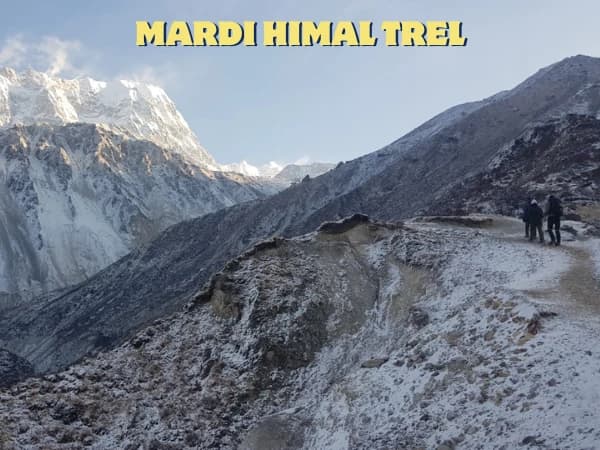
From Nar Phedi, the trail continues north through the canyon toward Meta (3,560 metres), the next overnight stop and a point where the canyon begins to open into the broader, drier landscape of the upper Nar Phu Valley. The walk from Nar Phedi to Meta takes five to six hours and involves steady climbing through terrain that becomes progressively more arid as you gain altitude. The forest gives way to scrub. The scrub gives way to bare rock and grassland. And the canyon, which felt enclosed at Nar Phedi, begins to widen into something that resembles a high desert valley.
Beyond Meta, the trail splits. The western branch leads to Phu village (4,080 metres), the more remote of the valley's two main settlements, with its ancient Tashi Lakhang Gompa and its views toward the Tibetan border. The eastern branch climbs to Nar village (4,110 metres), a cliff-side settlement of extraordinary beauty, perched on a narrow ledge above the Nar Khola with a living monastery and a community that has occupied this impossible location for centuries. Most Nar Phu Valley Trek itineraries visit both villages before returning to Koto and rejoining the Annapurna Circuit.
The more adventurous option, and one that experienced trekkers should seriously consider, is to cross the Kang La pass (5,322 metres) from Nar and drop back down to the Annapurna Circuit at Ngawal, above Manang. This makes a complete loop of the trip: the Annapurna Circuit approach to Koto, the Nar Phu cultural immersion, the Kang La alpine crossing, and the descent to Ngawal and Manang, all in a single journey of about two to three weeks. The Manaslu Circuit is a separate trek in a different valley; it is combined with Nar Phu the other way round, by walking in from Dharapani, not over the Kang La. Related: Meta: The Gateway Village to Nepal's Hidden Nar Phu Valley.
What Do You Need to Know About Nar Phedi?
Altitude and Acclimatisation
Nar Phedi sits at approximately 2,960 metres. If you've been walking the Annapurna Circuit and have already spent time at Chame (2,670 metres) or higher, you should be reasonably well acclimatised for this altitude. The key concern is not Nar Phedi itself but the days that follow: the trail climbs to Meta (3,560 metres) and then to Nar (4,110 metres) or Phu (4,080 metres) in relatively quick succession. Spending time properly at Nar Phedi, arriving with enough daylight to rest, hydrate, and visit the monastery, is part of the acclimatisation strategy for the higher camps above.
Permits
The Nar Phu Valley requires a restricted area permit, currently priced at approximately ninety US dollars for the first week and an additional seven dollars per day after that. You'll also need the Annapurna Conservation Area Project (ACAP) permit, NPR 3,000 for foreign nationals and NPR 1,000 for SAARC nationals, roughly twenty and seven US dollars. You must be accompanied by a licensed trekking guide and book through a registered agency, as independent solo trekking is not permitted in restricted areas. The old rule requiring a minimum of two trekkers was scrapped on 22 March 2026, so we can now arrange the permit for a single trekker. Your permit is checked at the trail junction near Koto before you enter the valley.
Best Season
October and November are ideal, clear skies, stable weather, cold but manageable temperatures at the higher elevations. March through May is the spring alternative, with warmer conditions but a possibility of late-season snow on the higher trails and passes. The valley is effectively closed during monsoon (June through September) and deep winter (December through February), when snow blocks the upper trails and the teahouses at Meta, Nar, and Phu close for the season.
Accommodation and Facilities
Basic teahouses at Nar Phedi offer twin rooms with foam mattresses, blankets, and shared dining areas. Expect dal bhat, noodle soup, chapati, and tea. No Wi-Fi. Limited or no electricity, bring a power bank. Hot water may be available for a small fee. Toilet facilities are basic. Bring a sleeping bag rated for at least minus ten degrees Celsius, as nights at this altitude are cold, particularly in late autumn.
Walking Time
Koto to Nar Phedi: five to seven hours. Nar Phedi to Meta: five to six hours. The total trek through the Nar Phu Valley (Koto to Nar and Phu and back to Koto) typically takes four to six days, depending on itinerary and acclimatisation needs.
Why Nar Phedi Matters
Trekkers who've walked the Nar Phu Valley remember Nar and Phu, the cliff village, the ancient gompa, the views toward Tibet. Those are the destinations. But when they tell the story, Nar Phedi comes up again and again as the place where the trek changed character. The place where the Annapurna Circuit fell behind and something older, quieter, and less certain took over. The place where the forest gave way to the canyon and the prayer flags appeared and the small monastery on the rise said, without words: you're somewhere else now.
That transition is worth honouring. It's worth arriving at Nar Phedi with enough daylight to walk up to the monastery. Worth sitting on the stone wall outside the gompa and watching the light change on the canyon walls. Worth stepping inside the prayer hall, if it's open, and standing in the dim, close space where the butter lamp throws moving shadows on the wall paintings. Worth understanding that this small, quiet place at the foot of the valley is not a rest stop on the way to somewhere more impressive. It's the beginning. And in the Nar Phu Valley, the beginning matters as much as what follows.
The Nar Phu Valley Trek is one of Nepal's finest restricted-area experiences. Our guides know every section of this trail, from the forest approach at Koto to the high passes above Nar, and they'll make sure you have the time, the acclimatisation, and the local knowledge to experience the valley properly. If you'd like to add Nar Phu to an Annapurna Circuit Trek, or combine it with the Kang La crossing to Manaslu, get in touch and we'll build the itinerary around you.
Nar Phedi is the starting point for the monastery visit on the Nar Phu Valley Trek. The trail climbs steeply from here to Nar village and onward to Phu.
Nar Phedi is where the Nar Phu valley reveals itself. The monastery above the village, the chortens along the trail, and the sudden silence after days of walking through Annapurna Circuit crowds: this is what restricted area trekking feels like. Fewer people, deeper culture, bigger sky.
Nar Phedi is on our Nar Phu Valley Trek, one of Nepal's most rewarding detours from the Annapurna Circuit.
WhatsApp:+977 9810351300
Email:[email protected]
Written by Shreejan Simkhada, CEO of The Everest Holiday and third-generation Himalayan guide. TAAN Member #1586.
Nar Phedi Monastery sits on the Nar Phu detour from Manaslu. Our Manaslu Circuit Trek (12 Days) is private (your group only, no strangers), 2027 dates open, From USD $799. WhatsApp us for tailored 2027 dates and current departures.
Continue planning your trek
This is one stop on the Nar Phu Valley trail. For the full route, read our restricted-area permits guide. When you are ready for dates and prices, see the Nar Phu Valley Trek (9 days) or WhatsApp us directly. We reply personally.

 Chat with Shreejan