Muktinath Jeep Pilgrimage in 6 Days: Route, Cost and What to Expect (2027)
Last updated 16 October 2026.
Short answer: Our Muktinath Jeep Pilgrimage, 6 days takes you from Kathmandu to the Muktinath temple at about 3,800 metres entirely by road, with stops at Manakamana, Galeshwor Mahadev at Beni, the Tatopani hot springs, Marpha and Kagbeni. You sleep no higher than Jomsom at 2,720 metres. It costs USD 1,370 per person on Budget, USD 1,595 on Standard and USD 2,295 on Luxury for two to four people. The Beni to Jomsom road was repaired and reopened to vehicles on 14 October 2026. It suits pilgrims, families and older travellers who want Muktinath without a trek or a mountain flight.
I am Shreejan. Most people reach Muktinath by flying to Jomsom and driving up in a morning. This trip goes the slow way, by road, so the height comes gradually and you see the temples and villages on the way. Here is how the six days run, what each tier includes and what it costs.
What is the Muktinath jeep pilgrimage?
Muktinath is sacred to both Hindus and Buddhists. Pilgrims bathe under the 108 water spouts and visit the Jwala Mai shrine, where a small natural flame burns beside a spring. The road to it follows the Kali Gandaki river up one of the deepest valleys in the world, from green rice terraces near Beni to the dry, wind-cut country of Mustang. On this trip a private 4WD jeep does the hard road beyond Pokhara, and a licensed guide stays with you for all six days.
How do the six days run?
| Day | Route | Night | Time |
|---|---|---|---|
| 1 | Kathmandu to Pokhara by road, with the Manakamana cable car | Pokhara, 820 m | About 6 to 7 hours by road |
| 2 | Pokhara to Beni and Galeshwor Mahadev, on to Tatopani and the hot springs | Tatopani, 1,190 m | Full day by 4WD |
| 3 | Tatopani through the Kali Gandaki gorge, Ghasa and Marpha to Jomsom | Jomsom, 2,720 m | About 5 hours driving plus stops |
| 4 | Jomsom to Muktinath by jeep through Kagbeni, and back | Jomsom, 2,720 m | About 1.5 hours each way |
| 5 | Jomsom back down the valley to Pokhara | Pokhara, 820 m | Full day by 4WD |
| 6 | Pokhara to Kathmandu | Your own plans | About 6 to 7 hours by road |
Day 4 is the temple day. You leave Jomsom early, stop at Kagbeni where the road to Upper Mustang turns north, and reach Muktinath in time for the morning rituals. You come back to Jomsom to sleep, which is lower than the temple and kinder on the body.
How hard is it?
There is no trekking. The walking is the short climb from the jeep park to the temple and around the shrines, a few hundred metres on steps and paths. The hard part is the road: beyond Beni it is rough and unsealed, and the long days in a jeep are tiring. Muktinath is about 3,800 metres, so some people feel breathless or get a headache there. Your guide carries a pulse oximeter, and the plan sleeps you at Jomsom, not at the temple. Please tell us about any heart, lung or blood-pressure condition before you book, and ask your doctor if you are over 65.
What does it cost?
| Group size | Budget | Standard | Luxury |
|---|---|---|---|
| 1 person | USD 2,430 | USD 2,740 | USD 4,245 |
| 2 to 4 people | USD 1,370 | USD 1,595 | USD 2,295 |
| 5 to 8 people | USD 985 | USD 1,210 | USD 1,910 |
Prices are per person, read from our booking system on 16 October 2026. The full price list for every group size is on the trip page.
What changes between the tiers? The route, the jeeps and the guide are the same on all three. Budget gives you simple, clean twin-share rooms and breakfast. Standard gives you a private room, a 3-star hotel in Pokhara and all meals from dinner on day 1 to lunch on day 6. Luxury gives you private rooms with an ensuite bathroom where the lodge has one, the best hotel in Pokhara and all meals with fruit and every non-alcoholic drink. Lodges in Tatopani and Jomsom are modest on every tier.
Included on every tier: private vehicle Kathmandu to Pokhara and back, private 4WD jeep from Pokhara to Muktinath and back (one jeep for every four guests plus the guide), the Manakamana cable car, a licensed guide, the Annapurna Conservation Area permit, the TIMS card, Muktinath temple entry, taxes, a first aid kit and water in the vehicle.
Not included: international flights, the Nepal visa, travel insurance, tips, Kathmandu hotel nights before or after, and extra nights if a road closure delays the trip. Budget also excludes lunch and dinner.
What permits do you need?
Muktinath sits inside the Annapurna Conservation Area, so you need the ACAP permit (NPR 3,000 for foreign visitors, NPR 1,000 for SAARC citizens) and a TIMS card (NPR 2,000, or NPR 1,000 for SAARC). Both are included and we arrange them before you leave Kathmandu. You do not need the Upper Mustang restricted-area permit, because the trip stays south of it. Read more in our permits guide.
When is the best time to go?
| Months | What to expect |
|---|---|
| March to May | Clear mornings, warm days in the valley, wind in Jomsom in the afternoons |
| June to August | Mustang is in the rain shadow and stays fairly dry, but rain lower down can damage the road below Jomsom |
| September to November | The best months: clear skies and settled roads |
| December to February | Very cold at Jomsom and Muktinath, possible snow at the temple; the views are sharp |
What is the road like now?
As of 14 October 2026 the Beni to Jomsom road is repaired and open to vehicles again after the September damage. We use high-clearance 4WD jeeps beyond Beni, and we check road conditions 48 hours before every departure. If a section is not safe, we tell you before you travel and move the dates free of charge. Our Jomsom road update has the background.
Where do you stay and what do you eat?
Pokhara has proper hotels. Tatopani and Jomsom have family lodges with simple rooms, hot showers in most and good dal bhat. If you are vegetarian or do not eat egg, tell us and we tell every lodge in advance. Many pilgrims choose vegetarian meals on the temple day.
What should you pack?
Bring warm layers even in spring and autumn, because Jomsom and Muktinath are cold in the early morning and windy in the afternoon. Add a down jacket from November to March, sunglasses and sunscreen for the strong mountain sun, a scarf or buff for the dust on the road, comfortable shoes for the temple steps, a small towel for the hot springs, and your passport. Simple cotton clothes are fine for the bathing ritual under the spouts.
What insurance do you need?
The highest point is about 3,800 metres at Muktinath, so your travel insurance should cover you up to 4,000 metres, including medical treatment and helicopter evacuation. Buy it at home before you travel. Our insurance guide explains what to check.
Jeep, flight or helicopter?
If you are short of time, our Muktinath tour by flight flies Pokhara to Jomsom, and our helicopter day tour does it in a morning. The jeep trip is for people who want the journey as much as the temple. I compare all three in Muktinath by flight, jeep or helicopter.
Questions people ask
Can elderly pilgrims do this trip? Many do. There is no trekking and you sleep at 2,720 metres, but please check with your doctor first and tell us about any condition so the guide knows.
Do I need to be fit? You need to manage long days in a jeep on a rough road and a short walk at the temple. No trekking fitness is needed.
Can we go privately as a family? Yes. Every booking runs privately for your group, and the price falls as the group grows.
Can we visit Kagbeni? Yes, the road to Muktinath passes through it and we stop.
Is Muktinath open all year? The temple is, but snow in winter and rain damage in the monsoon can affect the road, so we check before every departure.
Can I add a night in Pokhara? Yes, as an add-on when you book.
What are the booking terms?
Group size is 1 to 20 and solo travellers are welcome; a solo price covers your own room and your own guide, so it is higher per person. The deposit is 10 per cent. It is non-refundable and there is no refund if you cancel, but you can move your trip free of charge to any date within one year with at least 72 hours notice. The balance is paid when you arrive in Kathmandu, in US dollars or euros, cash or card. Card carries a 3.5 per cent bank charge and cash carries none. We do not take Nepali rupees from foreign guests.
How do you plan this with us?
Message me on WhatsApp on +977 9810351300 with your dates, how many of you there are and whether anyone has a health condition I should know about. I will check the road for your dates and send you the exact quote.
Written by Shreejan Simkhada, CEO of The Everest Holiday, from a family of three generations of family guides. TAAN Member #1586. WhatsApp +977 9810351300.
Planning a trip to Nepal?
Drop us your details and tell us what you have in mind. We will put together a personalised plan and get back to you.
Not sure which Nepal trek is right for you?
Take our free 2-minute quiz and get personalised recommendations based on your fitness, experience, and travel style.
Find Your Perfect Trek →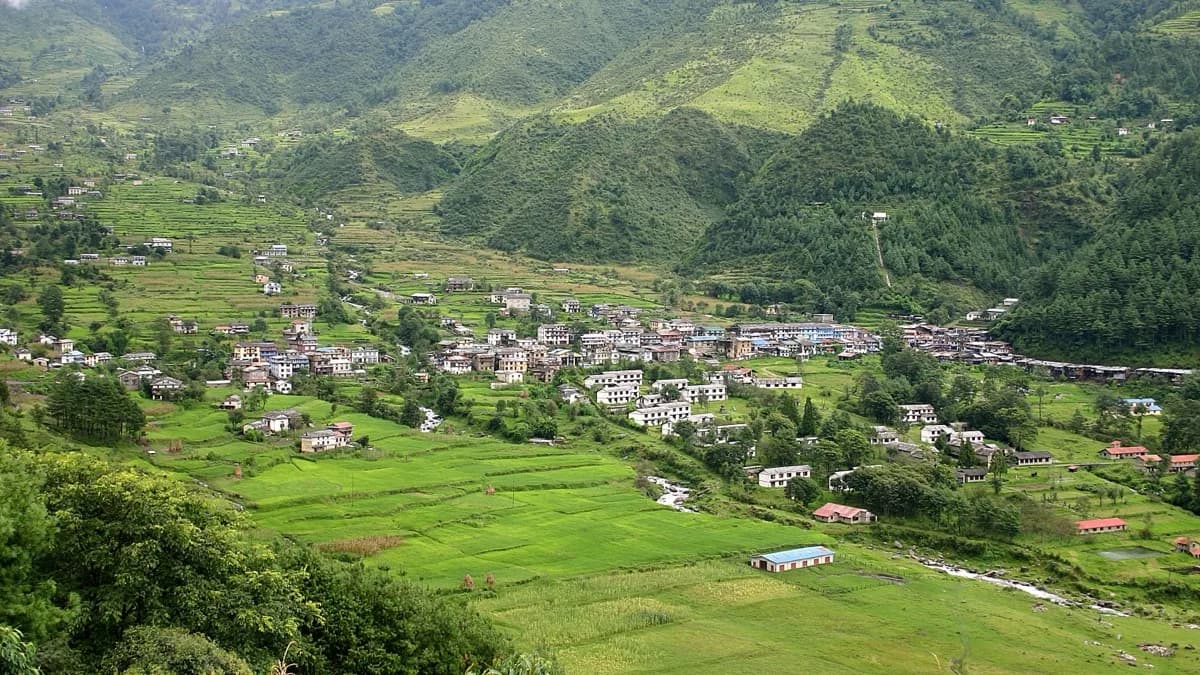
Chheplung: The Village Below Lukla Where the Everest Trails Meet
Chheplung is the small village below Lukla where the walk-in route from the lower Solu valleys joins the Everest trail. Here is what it is like and who stops there.
Read More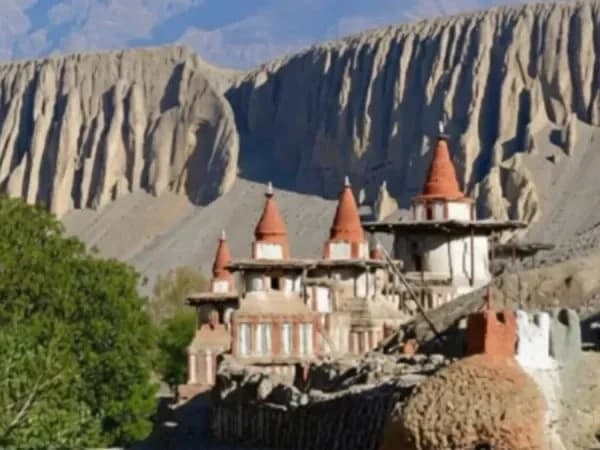
Chhusang: The Upper Mustang Village Where the Kali Gandaki Bends
Chhusang is the village on the Kali Gandaki where Upper Mustang starts to look like Tibet. Here is where it sits, what you see, the permit and when to walk it.
Read More
Tamang Heritage Trail in 12 Days: Route, Cost and Who It Suits (2027)
The Tamang Heritage Trail in 12 days: the villages, the day-by-day route, what each tier costs, the road after the September flood and who the trek suits.
Read More Chat with Shreejan