
Day 7. Your legs work fine but your brain is screaming quit. Every trekker hits this wall. A guide who's watched 500+ people push through it shares what works.
Govt Regd. No.: 147653/072/073
Travel Agency Licence: 2838/072
The Mental Game: When Your Brain Says Stop But Your Body Can Keep Going

Short answer: Almost every trekker hits a mental wall, usually somewhere between day 4 and day 7, when the novelty fades and the trail feels endless. Your body is often fine. It is your mind that wants to stop. Break the day into short stages, eat and drink well, talk to your guide, and remember why you came. Our guides see it on every trek, including our 12-day Everest Base Camp trek.
The Mental Game: When Your Brain Says Stop But Your Body Can Keep Going
It happens on every trek. Not to some people. To everyone.
You're somewhere between day five and day seven. Maybe it's raining. Maybe you slept badly because the tea house walls are thin and someone was coughing all night. Your pack feels heavier than yesterday even though it weighs exactly the same. The trail ahead looks endless, and for the first time since you landed in Kathmandu, a small voice in your head says: I can't do this.
Your legs work. Your lungs are fine. You're not injured, not sick, not altitude-struck. Your body could walk another ten kilometres without complaint. But your brain has decided it's done.
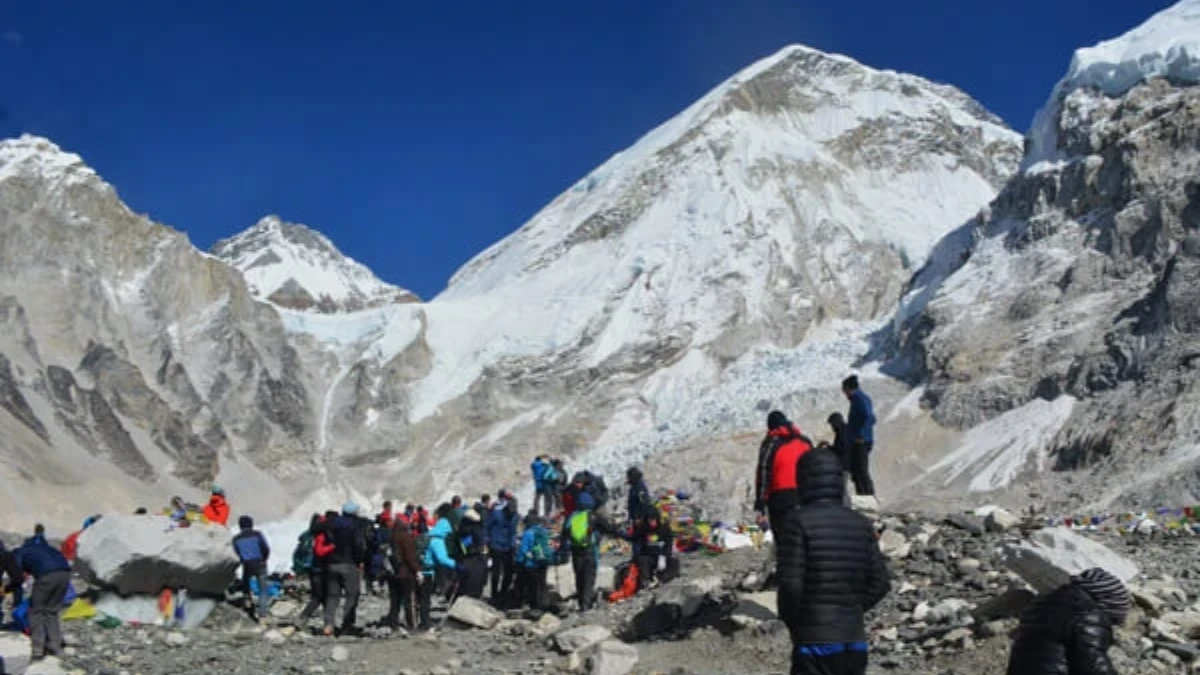
It happens on the Everest Base Camp trek, the Annapurna Circuit, the Manaslu Circuit. It hits first-time trekkers and people on their sixth Himalayan expedition. And guiding has taught me this: the mental wall is the most important part of any trek. Not the summit. Not the scenery. The wall.
Because who you are when your brain says stop, that's who you actually are.
When does the mental wall hit during a Nepal trek?
The mental wall isn't one moment. It builds. Days one through three are usually fine. Everything is new. The scenery overwhelms. You're photographing every prayer flag, every suspension bridge, every plate of dal bhat. Adrenaline carries you.
Days four and five, the novelty fades. The trail starts to feel repetitive. Up, down, stone steps, suspension bridge, tea house. Up, down, stone steps, suspension bridge, tea house. Your body is accumulating fatigue that no single night's sleep can erase. Your feet hurt in places you didn't know had nerve endings.
Then comes the wall. Usually day five, six, or seven. On the Everest Three Pass trek, it often hits between Gokyo and Cho La Pass. On the Annapurna Circuit, it's the long grind up from Manang towards Thorong La. On the Kanchenjunga Base Camp trek, it can come as early as day four because of the isolation.
The wall feels like this: you wake up and don't want to get out of your sleeping bag. You eat breakfast mechanically. You look at the day's route and feel nothing: no excitement, no curiosity, just a heavy blankness. Everything annoys you. The pace is too slow. Or too fast. The food is boring. The trail is monotonous. Your trekking partner's breathing is somehow the most irritating sound on Earth.
This isn't weakness. It's human neurology.
Why does your brain make you want to quit at altitude?
At sea level, your brain uses about 20% of your body's oxygen. At 4,000 metres, there's roughly 40% less oxygen in each breath. Your brain, your most oxygen-hungry organ, notices before anything else does. It responds by trying to conserve energy. It manufactures reasons to stop.
Fatigue gets amplified. Discomfort becomes unbearable. Small problems feel catastrophic. Your brain is not broken. It's doing exactly what evolution designed it to do: protect you from perceived danger by making you want to retreat to safety.
The problem is that safety, in this case, means your sofa in London or Sydney or Toronto. And your sofa is 8,000 kilometres away. So your brain settles for the next best thing: quitting the trek.
What should you do when you want to quit a trek?
No single approach works for everyone. Some trekkers need tough love. Some need gentleness. Some need distraction. Some need silence. Reading which one a person needs at which moment, that's the real skill of guiding. Anyone can navigate a trail. Not everyone can navigate a human mind at 4,500 metres.
Here's what I've found works most often:
1. Acknowledge It
The worst thing I can do is say "you're fine" when someone tells me they're struggling. They're not fine. Their experience of suffering is real even if the cause is psychological rather than physical. I start by saying something like: "I hear you. This is hard. You're allowed to feel this."
That sentence alone changes things. When someone feels heard, the panic subsides a fraction. Enough to think clearly.
2. Separate the Problem
I ask: "Is your body hurt, or is your mind tired?" Most of the time, people know the answer instantly. If it's the body, we address the physical issue: blisters, knee pain, dehydration. If it's the mind, I say: "Good. Because minds can be managed. Bodies are harder to fix."
3. Shrink the Goal
Nobody wants to hear "only five more hours" when they're ready to quit. Five hours might as well be five years. So I don't give them five hours. I give them the next fifteen minutes.
"See that white rock up there? Let's walk to that rock. Just that rock. Then we'll see how you feel."
At the rock, they usually feel slightly better. So we pick the next landmark. The bridge. The chorten. The mani wall. One small goal at a time, the impossible distance shrinks to a series of manageable steps.
This technique isn't mine. Mountain guides worldwide use it. Ultra-runners use it. Military special forces use it. It works because it bypasses the part of your brain screaming about the total distance and focuses on something achievable right now.
4. Tell a Story
When the trail is long and the mood is low, I talk. Not motivational speeches. Stories. Funny ones, stories about home, anything that is not the hill.
Stories work because they occupy the part of your brain that's generating anxiety. You can't spiral into "I can't do this" while you're listening to a funny story about a yak blocking the trail for three hours.
5. Walk Slower
This is the most underrated tool in mountain trekking. When someone hits the wall, a good guide slows the pace. He doesn't announce it. He just quietly reduces speed. Within twenty minutes, breathing normalises, shoulders drop, and the desperate look fades.
On the Island Peak climb, where the final push to the summit is genuinely gruelling, pace management is everything. The difference between reaching the top and turning back is often measured in steps per minute, not in willpower.
What breathing techniques help you trek at high altitude?
I'm not talking about meditation apps or yoga retreats. I'm talking about practical breathing methods that help at altitude when your brain is in panic mode.
Pressure Breathing
Purse your lips like you're blowing out a candle. Exhale forcefully through the small opening. This creates back-pressure in your lungs, keeps your alveoli open longer, and improves oxygen exchange. It looks ridiculous. It works brilliantly. Above 5,000 metres on the Mera Peak climb, you'll see experienced climbers doing this on every step.
Step-Breathing
Match your steps to your breath. Inhale for two steps, exhale for three. The longer exhale activates your parasympathetic nervous system, the "rest and digest" mode that counteracts the fight-or-flight panic your brain is generating. On steep terrain, switch to one step per breath. There's no shame in it.
Box Breathing
When you're at rest and feeling overwhelmed, maybe sitting in a tea house dreading tomorrow, try this: breathe in for four counts, hold for four counts, breathe out for four counts, hold for four counts. Repeat for two minutes. This is what fighter pilots use to calm themselves before combat. It works just as well before a pass crossing.
The Power of the Group
Solo trekking has its romance. But when the wall hits, being alone makes everything harder. There's nobody to distract you, encourage you, or simply walk beside you in companionable silence.
Group dynamics can save a trek. A quiet word of encouragement from a stranger who's struggling too. A shared joke at lunch. Someone saying "I almost quit yesterday" and watching the relief flood across another trekker's face: it's not just me.
On our Langtang Valley trek, which is quieter and more intimate than the busy Everest and Annapurna routes, the group bond forms faster. By day three, strangers become allies. By day five, they're family. That bond is the single most powerful weapon against the mental wall.
What a Guide Does When Someone Hits the Wall
The hardest version of the wall has nothing to do with the body. A fit, strong trekker can wake up on a pass day and be unable to get out of the sleeping bag. Oxygen reading fine, no headache, no nausea, no fever. The legs are able. The mind is empty.
The guide's job then is not a pep talk. It is to sit down, give the person time, and say that being scared is normal and that most people feel it on a pass day. Often, permission to feel weak is all it takes to get moving again.
Guests say it better than I can. A guest who crossed Thorong La with us in October 2019 wrote on TripAdvisor: "The Thorung La Pass day was very tough, but also rewarding." (Joran, TripAdvisor, 11 October 2019.)
Why the View From the Top Erases the Pain
There's a moment on every trek that I watch for. Not the summit itself, the moment just after.
The trekker has been pushing for hours. Maybe days. They've battled cold, exhaustion, doubt, and that relentless inner voice saying stop. And then they're there. Kala Patthar. Annapurna Base Camp. Thorong La. Tserko Ri. Whatever their summit is.
Their face changes. The tension drains away in seconds. People laugh, cry, scream, go utterly silent, fall to their knees, call their mothers. The variety is infinite. The pattern is universal.
Something biochemical happens. The brain floods with endorphins, dopamine, and a cocktail of neurochemicals that don't have names in any trekking manual. The pain doesn't just fade, it transforms. It becomes the price of admission, and every trekker decides instantly that it was worth it.
This is why I do this job. Not for the scenery. For that moment on someone's face when they realise they're capable of something they were convinced was impossible.
How Do You Mentally Prepare for a Hard Trek?
The mental game starts long before the trailhead. Here's how to prepare:
- Train beyond what's required. If your trek needs you to walk six hours with a pack, train for eight. The surplus fitness becomes mental confidence. When your body has reserves, your brain worries less.
- Practise discomfort. Cold showers. Long walks in rain. Skipping a meal. These sound silly. They work. Your brain learns that discomfort is temporary and survivable.
- Set three goals. A dream goal (summit day, complete the circuit). A good goal (reach the highest camp). A minimum goal (enjoy the trek, whatever happens). This prevents the all-or-nothing thinking that causes meltdowns when plans change.
- Talk to people who've done it. Not YouTube highlights. Real conversations with real trekkers about the hard days, not just the pretty ones.
- Accept bad days in advance. Tell yourself now, before you leave home: "I will have at least two terrible days. That's normal. That's part of the experience." When the bad day arrives, it's expected, not catastrophic.
On our Ghorepani Poon Hill trek, which is shorter and lower altitude, the mental wall is less intense but still present. Usually around day two on the steep climb from Tikhedhunga. It's the stone staircase, thousands of steps carved into the hillside. Even on a "beginner" trek, the mind gets tested.
What Trekking Teaches You About Your Own Mind
Years of watching people discover who they are at altitude have taught me something worth sharing.
Your mind is not your enemy. It's a cautious friend giving you bad advice. When it says "stop," it means "I'm scared." When it says "I can't," it means "I haven't tried this before." When it says "this is too hard," it means "this is harder than anything I've done so far."
The mountains don't make you strong. They show you the strength you already had. You just needed 4,000 metres of altitude and a few days of suffering to find it.
The Annapurna Base Camp trek strips everything away. No phone signal for days. No deadlines. No emails. Just you, the trail, and whatever is inside your head. For some people, that's terrifying. For most, by the end, it's the most liberating experience of their lives.
The Mardi Himal trek does something similar on a smaller scale. Four or five days. Remote enough to feel wild. Short enough that quitting feels like an active choice rather than a necessity. And because of that, finishing feels sweeter.
And the Everest Base Camp by road trip offers a different mental challenge, longer days on a jeep before the trekking begins, which tests patience more than physical endurance. But the summit moment is the same.
Frequently Asked Questions
Is it normal to want to quit partway through a trek?
Completely normal. I'd estimate 70-80% of trekkers on multi-day Himalayan treks have at least one moment where they seriously consider quitting. It's so common that I'd be more surprised if you didn't feel it. The moment passes. The key is not to make a permanent decision based on a temporary feeling.
What if I actually can't continue, not mentally, but physically?
There's a clear difference between mental exhaustion and genuine physical incapacity. Our guides are trained to distinguish between the two. If you have a real injury, altitude sickness, or illness, we'll adjust the itinerary or arrange evacuation. We never push someone through a genuine medical issue. The mental wall is about feelings, not symptoms.
Does fitness level affect the mental wall?
Surprisingly, very fit people sometimes hit the wall harder. They're not accustomed to struggling physically, so when fatigue arrives, it feels more alarming. Less fit trekkers often have more experience with discomfort and are better at accepting it. The ideal preparation is a mix of physical fitness and mental readiness.
Can I trek solo, or do I need a group for mental support?
You can trek solo with a guide, and many people do. Your guide becomes your mental support system. On private treks, the relationship between trekker and guide deepens quickly because there's no group to diffuse the intensity. Some of the most powerful mental breakthroughs happen on one-on-one treks.
How do I know the difference between a healthy mental push and pushing dangerously hard?
If you're still able to eat, drink, sleep (even poorly), and walk at a reasonable pace, the wall is mental and pushing through it is both safe and rewarding. If you're unable to eat, showing signs of altitude sickness, losing coordination, or feeling confused, those are physical warning signs. That's when we stop, reassess, and potentially descend. Your guide makes this call with you, not for you.
One Last Thing
I want you to remember something when you're halfway up a mountain and your brain is telling you to quit.
You chose this. Nobody forced you onto this trail. You booked the flight, packed the bag, laced up the boots, and started walking. Something inside you, something deeper than comfort and easier than fear, wanted this. When the wall comes, remember that wanting. It's still there. Under the fatigue, under the doubt, under the rain and the cold and the endless stone steps, the reason you came is still burning.
Trust it. Trust yourself. And when you can't trust yourself, trust your guide. That's what we're here for.
Ready to find out what you're made of? Let's plan your trek together:
- WhatsApp: +977 9810351300
- Email: [email protected]
Written by Shreejan Simkhada, third-generation Himalayan guide, founder of The Everest Holiday, and licensed trekking operator (TAAN #1586). Twenty years, five hundred treks, and counting.
The trek is 70% mental. Our Everest Base Camp Trek (12 Days) is private (your group only, no strangers), 2027 dates open, From USD $1399. WhatsApp us for tailored 2027 dates and current departures.
Planning a trip to Nepal?
Drop us your details and tell us what you have in mind. We will put together a personalised plan and get back to you.
Not sure which Nepal trek is right for you?
Take our free 2-minute quiz and get personalised recommendations based on your fitness, experience, and travel style.
Find Your Perfect Trek →Need Help? Call Us+977 9810351300orChat with us on WhatsApp
Latest Travel Blogs
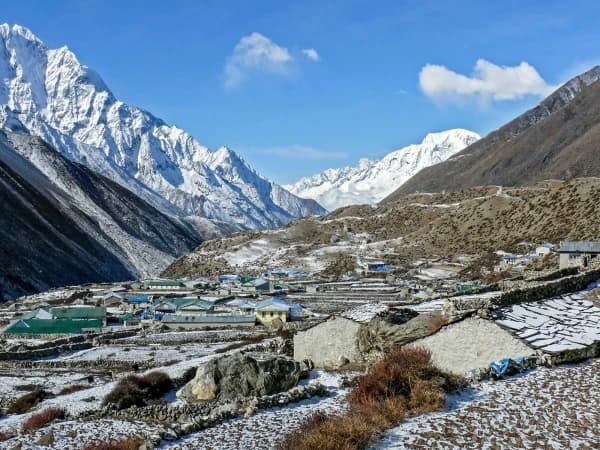
Thamdanda and Surke: The Road Head for Everest Base Camp by Road
Thamdanda is the road head where our Everest Base Camp trek by road starts and ends on foot. How to get there from Phaplu and what the first walk to Paiya is like.
Read More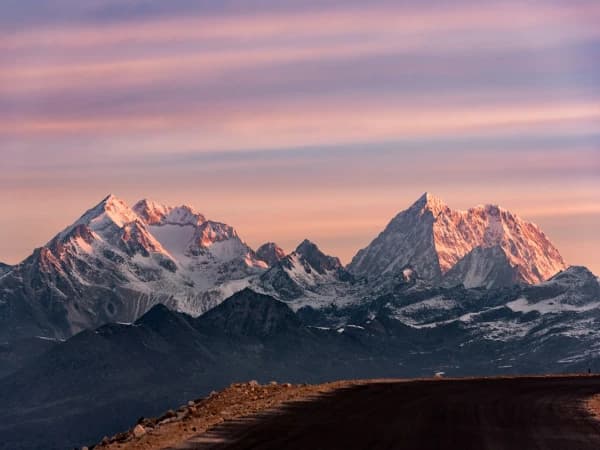
Poon Hill Trek Permits 2027: ACAP, TIMS, Cost and What You Need
Poon Hill needs two permits: ACAP at NPR 3,000 and a TIMS card at NPR 2,000. Who arranges them, where they are checked, SAARC rates and the 2027 trek prices.
Read More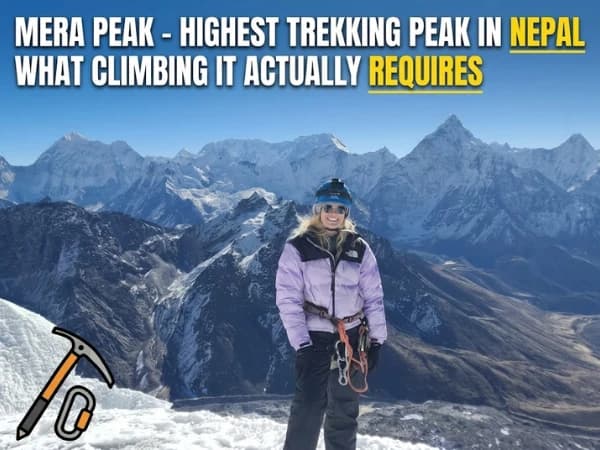
Mera Peak Climbing Itinerary 2027: 14 Days, Day by Day
Mera Peak in 14 days, night by night. The Hinku valley, a full rest day at Khare, Mera High Camp at 5,780 m, summit day, 2027 prices and the best months.
Read More Chat with Shreejan