Langtang is 8 days and permit-free. Manaslu is 12 days with restricted-area fees. Both avoid Everest crowds. Here's how to choose between them.
Govt Regd. No.: 147653/072/073
Travel Agency Licence: 2838/072
Manaslu vs Langtang: Nepal's Two Most Underrated Treks Compared

Manaslu vs Langtang: Nepal's Two Most Underrated Treks Compared
Everyone asks about Everest. Everyone asks about Annapurna. Almost nobody asks about Manaslu or Langtang until they've done their homework. And that's precisely what makes these two treks extraordinary: they deliver top-tier Himalayan experiences without the crowds that now define Nepal's most famous routes.
Our family has guided in both regions across three generations. Langtang is close to home for us. Manaslu came later, after the restricted-area permits opened to smaller groups. These are the two treks I recommend most often to returning clients.
But they're fundamentally different experiences. This comparison breaks down exactly how, so you pick the right one.
How do Manaslu and Langtang treks compare?
| Feature | Manaslu Circuit | Langtang Valley |
|---|---|---|
| Duration | 12-15 days | 7-9 days |
| Maximum altitude | 5,160m (Larkya La pass) | 4,984m (Kyanjin Ri) |
| Difficulty | Hard, high pass crossing | Moderate |
| Permits | Restricted Area Permit ($100/week) + MCAP + TIMS | Langtang National Park fee + TIMS |
| Permit cost | $150-$250 total | $50-$60 total |
| Group requirement | Licensed guide, no minimum since 22 Mar 2026 | No minimum (guide required since 2023) |
| Daily trekkers (peak) | 30-60 | 80-150 |
| Teahouse quality | Basic to moderate | Good, rebuilt after 2015 |
| Cultural experience | Tibetan Buddhist, remote villages | Tamang culture, accessible villages |
| Access from Kathmandu | 7-9 hours to Soti Khola by jeep | 6-7 hours to Syabrubesi by bus/jeep |
| Circuit or out-and-back | Circuit | Out-and-back (mostly) |
The Manaslu Circuit: Nepal's Hidden Giant
The Manaslu Circuit circles the world's eighth-highest mountain (8,163m) through some of Nepal's most remote and culturally preserved territory. You start in the subtropical Budhi Gandaki gorge, climb through Buddhist villages that feel closer to Tibet than to Kathmandu, cross the 5,160m Larkya La pass, and descend into the Annapurna region.
It's often called "the next Annapurna Circuit" and the comparison is fair. The Manaslu Circuit offers the same kind of dramatic terrain variation, from humid lowland forests to barren high-altitude desert, but with a fraction of the foot traffic. On some days, particularly in the upper valley, our groups don't encounter another soul on the trail.
What Makes Manaslu Special
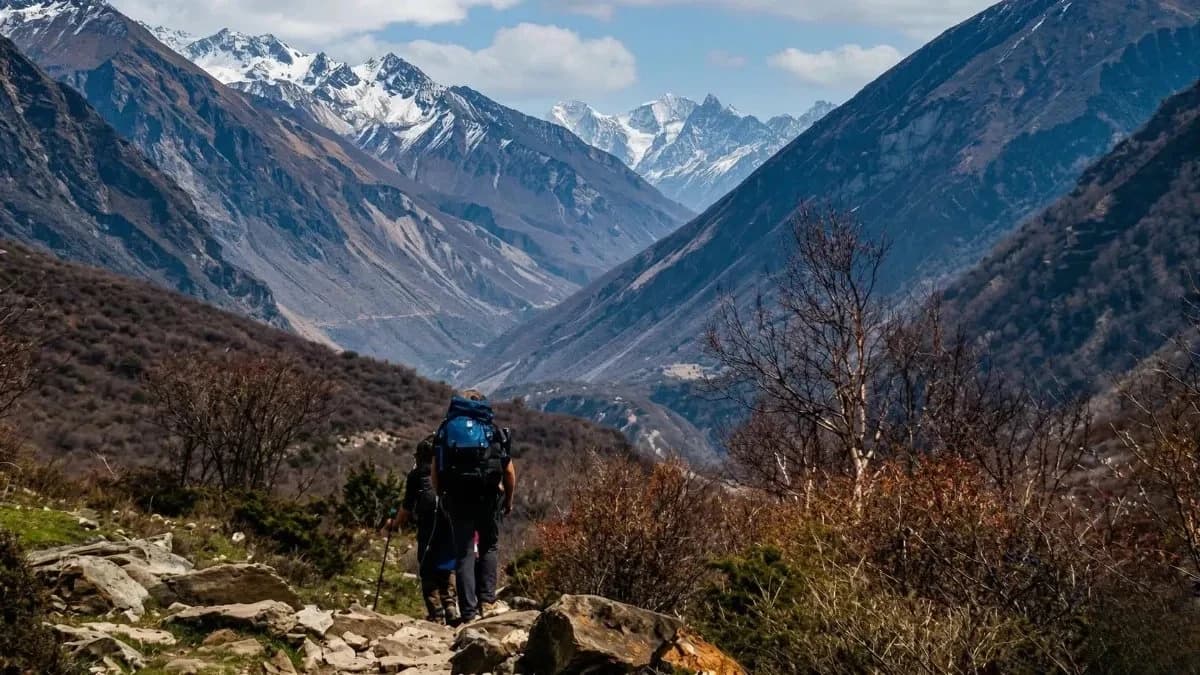
The Budhi Gandaki gorge is unlike anything else in Nepal. For the first three days, you walk through a narrow valley where waterfalls cascade from cliffs hundreds of metres high and suspension bridges span churning white water. It feels wild in a way that the more developed trekking regions don't.
Then the landscape transforms. By the time you reach Samagaon (3,530m), you're in a Tibetan Buddhist world. Monasteries perch on hillsides, prayer flags stretch between buildings, and the locals speak a dialect closer to Tibetan than Nepali. Manaslu's north face, a massive wall of ice and rock, dominates the sky above the village.
The Larkya La crossing is the physical and emotional climax. You start at 3 a.m. from Dharmasala (4,460m), climb by headlamp through moraine and snow, and reach the pass as the sun hits Manaslu's summit. Then you descend 1,600 metres in a single day to the Annapurna side. It's gruelling. It's also the best day of the trek.
Manaslu Drawbacks
The restricted-area permit adds $100 per week per person to your costs, and you must go through a licensed agency with a guide. Since 22 March 2026 the permit is issued to solo trekkers too, so you no longer need to find a second person. The bureaucracy is real, permit processing takes 3-5 business days in Kathmandu.
Teahouse quality varies enormously. In the lower gorge, some lodges are basic wooden structures with thin walls and shared squat toilets. The food is limited compared to Annapurna or Everest regions. Don't expect menus with fifteen options, you'll eat dal bhat, chapati, and noodle soup for twelve days.
The road from Kathmandu to Soti Khola is rough. Genuinely rough. Seven to nine hours on a track that makes your teeth rattle. It's the least pleasant part of the entire trek and there's no way around it. Our guides will tell you plainly that the road is the one part of Manaslu they would skip.
For those who want the Manaslu experience with even more remote territory, the Tsum Valley and Manaslu Circuit combination adds 4-5 days through a sacred valley that was closed to outsiders until 2008. The Manaslu with Nar Phu Valley option offers a similar extension into restricted territory.
The Langtang Valley Trek: Close, Beautiful, and Rebuilt
The Langtang Valley trek is the closest major trekking route to Kathmandu. You can be on the trail within a day of landing in Nepal. The valley runs east-west between the Langtang Lirung (7,227m) massif and a chain of peaks along the Tibetan border. It's compact, dramatic, and deeply cultural.
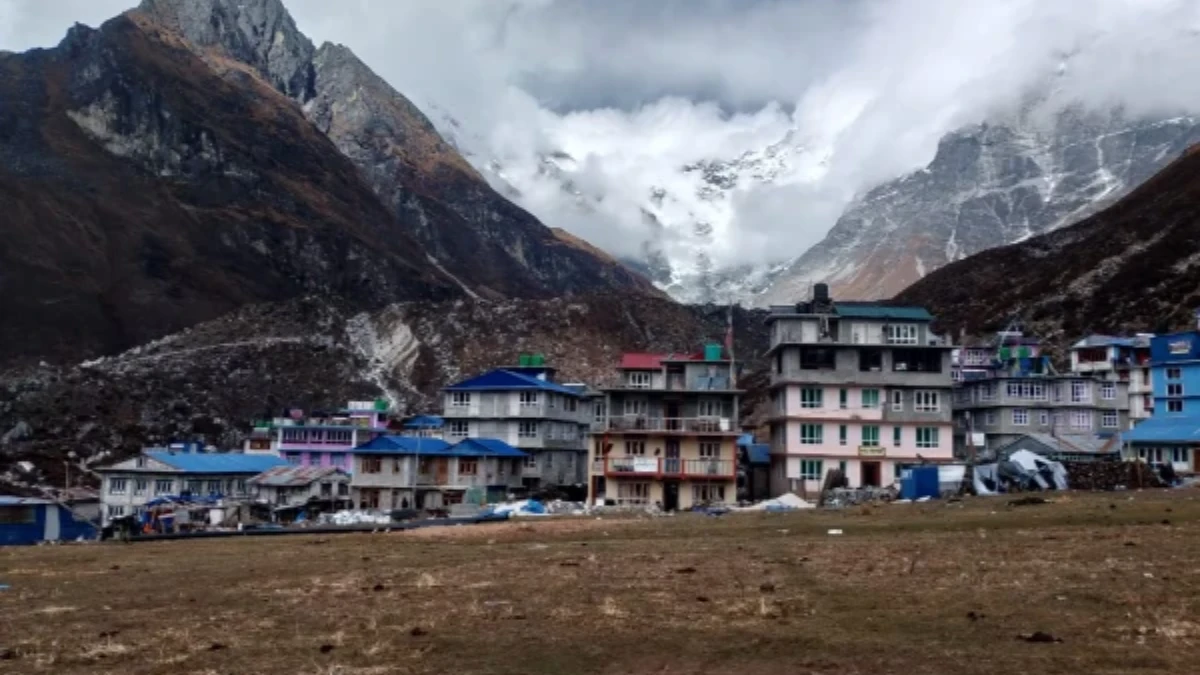
The 2015 earthquake buried the village of Langtang under a massive landslide, killing over 300 people including many of the lodge owners who'd hosted trekkers for decades. The region has been rebuilt with extraordinary determination. New lodges, improved trails, and a community that wants visitors to come back. Trekking here supports that recovery directly.
What Makes Langtang Special
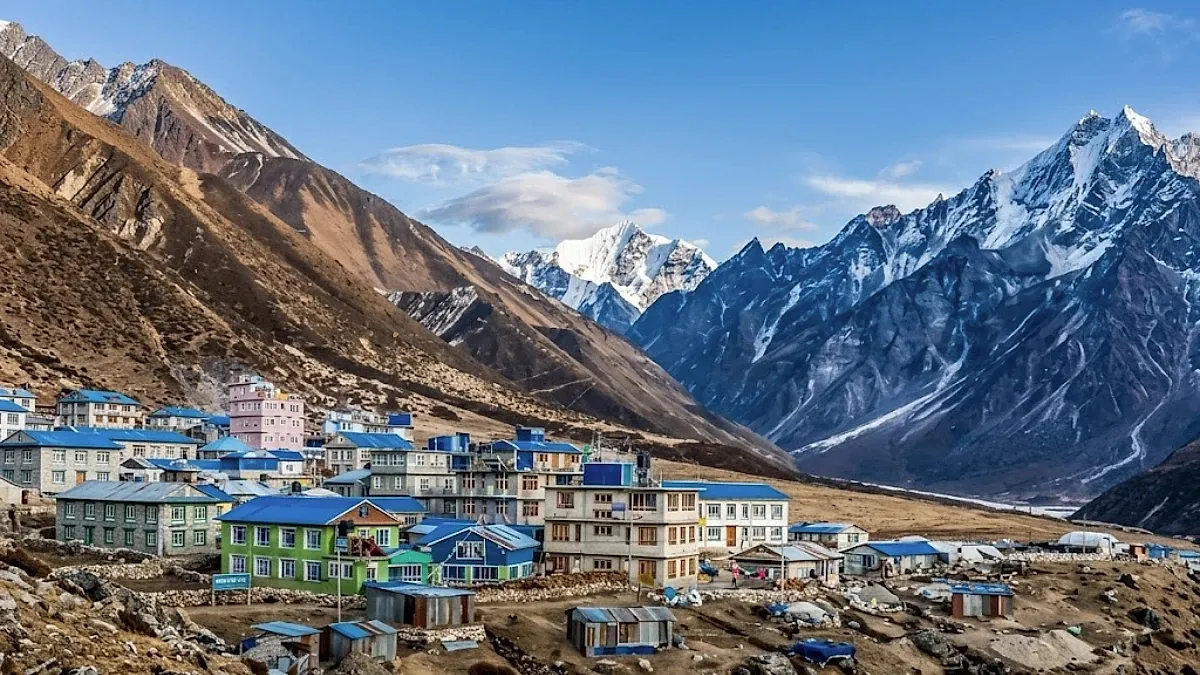
Accessibility and beauty in equal measure. From Syabrubesi, you walk through oak and rhododendron forests, cross the Langtang Khola on swaying bridges, and arrive in Kyanjin Gompa, a small settlement at 3,870m with a centuries-old monastery and a government cheese factory. Yes, a cheese factory. The yak cheese is excellent.
The day hike to Kyanjin Ri (4,773m) or Tserko Ri (4,984m) provides panoramic views of Langtang Lirung, Dorje Lakpa, and the Tibetan border peaks. On a clear day, you can see Shishapangma (8,027m) in Tibet, the only 8,000-metre peak entirely within Chinese territory.
Tamang culture defines the valley. The Tamang people are ethnically Tibetan but culturally distinct, with their own language, festivals, and traditions. Our porters from the valley always insist on sharing their home-brewed tongba (millet beer) with clients. It's warm, slightly sour, and the perfect end to a cold day on the trail.
Langtang Drawbacks
The valley is out-and-back, meaning you walk the same trail both ways. Some trekkers find this repetitive. You can vary the return by taking the upper trail through some sections, but you'll recognise the landscape. It doesn't have the sense of journey and discovery that a circuit trek provides.
At 7-9 days, Langtang can feel too short for some. You arrive at Kyanjin Gompa and think: "Is that it?" The turnaround point, while beautiful, doesn't have the same dramatic climax as crossing a high pass or reaching a famous base camp. It's a valley trek, and valley treks are inherently less climactic than circuit treks or summit approaches.
The road to Syabrubesi has improved since 2015 but it's still a long, winding mountain road with occasional landslide delays during monsoon. Budget an extra half-day in case of road closures.
How much do Manaslu and Langtang treks cost?
The price difference between these two treks is significant, primarily because of Manaslu's restricted-area permit.
Manaslu Circuit (12-14 days)
- Restricted Area Permit: $100/week ($200 for 2 weeks)
- MCAP: $30
- TIMS: $20
- Guide and porter: $500-$700
- Accommodation: $5-$10/night
- Food: $20-$30/day
- Transport (Kathmandu-Soti Khola-Kathmandu): $80-$120
- Total: $1,200-$1,800
Langtang Valley (7-9 days)
- National Park fee: $30
- TIMS: $20
- Guide and porter: $350-$500
- Accommodation: $5-$10/night
- Food: $15-$25/day
- Transport (Kathmandu-Syabrubesi-Kathmandu): $40-$60
- Total: $600-$900
For the budget-conscious, Langtang costs roughly half what Manaslu does. That restricted-area permit is the biggest single expense difference, and it's non-negotiable.
Which is harder, Manaslu or Langtang trek?
Langtang is moderate. The daily altitude gains are reasonable, the trail is well-maintained, and the maximum altitude of Kyanjin Gompa (3,870m) is manageable for most healthy adults. The optional hike to Tserko Ri pushes to 4,984m but it's a day hike, you sleep at a lower elevation.
Manaslu is hard. The Larkya La pass at 5,160m is the highest point, and the approach involves two nights above 4,000m with limited shelter. The pass day itself is 8-10 hours of walking, starting before dawn and finishing after dark. The descent on the far side is steep, loose, and demanding on tired legs.
A simple way to see the fitness gap: Langtang is a trek you could take your mother on, and Manaslu is one you would take a fit brother on.
If you're unsure about your readiness for Manaslu, consider the Gosaikunda Trek as a test. It reaches 4,380m, takes 5-6 days, and shares similar terrain with the Langtang region. Or try the Tamang Heritage Trail for a gentler introduction to the area north of Kathmandu.
Can you combine the Manaslu and Langtang treks?
Here's something most guides won't tell you: Langtang and Manaslu are close enough geographically that you can do both in a single trip. A 22-25 day itinerary covering Langtang first (acclimatisation and warm-up) followed by Manaslu (the main event) gives you two of Nepal's best treks in one visit.
Langtang and Manaslu work well in sequence. Langtang builds your fitness and altitude tolerance. Manaslu tests it. You arrive at Larkya La already acclimatised and confident.
The Langtang with Gosaikunda extension adds sacred lakes and a high pass to the Langtang portion, making the combination even more varied. For ambitious trekkers, the Langtang with Ganja La Pass adds a technical pass crossing that serves as preparation for Larkya La.
Wildlife and Nature
Langtang sits within a national park and the wildlife reflects it. Red pandas live in the bamboo forests below 3,000m, though sightings are rare. Himalayan tahr, musk deer, and langur monkeys are more commonly spotted. The birdlife is exceptional, with species including the Himalayan monal, Nepal's national bird, with its iridescent plumage.
Manaslu's lower gorge is rich in butterflies and birds but the restricted-area regulations mean less human traffic, which benefits wildlife. Blue sheep can be seen above Samagaon, and guides occasionally spot snow leopard tracks near Dharmasala, though an actual snow leopard sighting remains the holy grail.
The flora changes dramatically on both treks. Langtang's rhododendron forests in April are legendary, tunnels of red, pink, and white blossoms that make the trail feel like walking through a painting. Manaslu's vegetation is more varied, transitioning from subtropical to alpine to near-arctic across its twelve-day span.
Who Should Trek Where?
Choose Langtang If...
- You have 7-10 days
- It's your first trek in Nepal or your first above 4,000m
- Budget is a primary concern
- You want to support earthquake recovery communities directly
- You prefer good teahouse facilities
- You're travelling solo (no minimum group size)
- You value cultural immersion with Tamang communities
Choose Manaslu If...
- You have 14-18 days
- You want a serious physical challenge with a high pass
- Solitude and remoteness matter deeply to you
- You've already done Everest or Annapurna treks and want something wilder
- You're drawn to Tibetan Buddhist culture
- You enjoy circuit treks rather than out-and-back routes
- You're comfortable with basic facilities and limited menus
Should you choose Manaslu or Langtang trek?
When a returning client asks me "what next?" and they've already done Everest Base Camp and Annapurna, I almost always suggest one of these two treks. They represent what Nepal trekking will look like in the future, less crowded, more authentic, and more rewarding.
Langtang is the perfect second trek. It builds confidence, introduces you to a different cultural group, and proves that serious mountain scenery exists beyond the famous names. It's also ideal if you're combining a trek with other activities in Nepal and don't want to commit three weeks to a single route.
Manaslu is the trek for when you're ready to go deep. Twelve days in remote territory with a serious pass crossing and cultural experiences that feel genuinely untouched by mass tourism. It's the trek my guides choose for their own holidays, which tells you something.
For those wanting to explore even further beyond the mainstream, the Ruby Valley Trek offers an even quieter alternative near the Langtang region. And if you're comparing these to treks in other regions entirely, have a look at the Everest Base Camp Trek, the Annapurna Circuit, or the Ghorepani Poon Hill Trek.
Frequently Asked Questions
Can I trek Manaslu independently without an agency?
No. The restricted-area permit requires you to book through a licensed trekking agency and trek with a guide. The minimum of two people was scrapped on 22 March 2026. This regulation is strictly enforced with checkpoints along the route. If you are travelling alone, we run the trek privately for you as one person, and we never merge separate private bookings. Fixed group departures do exist, and joining one is optional. Solo prices are higher, and every package shows a single-person price. On Standard there is no porter, so your guide carries up to 10 kg of your gear; on Luxury you have your own dedicated porter.
Is Langtang safe after the 2015 earthquake?
Yes. The trail has been rebuilt, new lodges constructed to improved standards, and the route is fully operational. The landslide zone near old Langtang village is clearly marked with a memorial. Seismic monitoring has improved significantly. Thousands of trekkers complete Langtang safely every season.
Which trek has better food?
Langtang. The rebuilt lodges have invested in their kitchens and menus are surprisingly varied, pizza, pancakes, Tibetan bread, and excellent dal bhat. Kyanjin Gompa's cheese factory produces yak cheese that you can buy fresh. Manaslu's food is more basic, especially in the upper valley where supplies arrive by mule train. Expect dal bhat, chapati, and noodle soup as your main options for most of the circuit.
How fit do I need to be for Manaslu's Larkya La pass?
You need to be comfortable walking 8-10 hours at altitude on uneven terrain. The pass day involves 900m of ascent and 1,600m of descent. Train with loaded hill walks of 6-8 hours, stair climbing, and cardio for at least 6-8 weeks before departure. Previous trekking experience above 4,000m is strongly recommended.
Can I extend Langtang to make it longer?
Absolutely. Adding Gosaikunda's sacred lakes adds 3-4 days and a 4,610m pass. Adding Ganja La Pass adds 2-3 days with a technical 5,122m crossing. The Langtang-Gosaikunda combination is our most popular extension and turns a good trek into an exceptional one.
Book Your Trek
Both Manaslu and Langtang run from March through May and September through November. We operate small groups (2-8 trekkers) with experienced local guides who know every lodge, every trail junction, and every viewpoint worth stopping for.
Get in touch:
- WhatsApp: +977 9810351300
- Email: [email protected]
- Browse our Manaslu Circuit and Langtang Valley packages
Written by Shreejan Simkhada, third-generation Himalayan guide and founder of The Everest Holiday. Licensed by the Trekking Agencies' Association of Nepal (TAAN #1586). Born in the shadow of the Himalayas, still walking them every season.
Manaslu or Langtang? Manaslu is the deeper experience. Our Manaslu Circuit Trek (12 Days) is private (your group only, no strangers), 2027 dates open, From USD $799. WhatsApp us for tailored 2027 dates and current departures.
Planning a trip to Nepal?
Drop us your details and tell us what you have in mind. We will put together a personalised plan and get back to you.
Not sure which Nepal trek is right for you?
Take our free 2-minute quiz and get personalised recommendations based on your fitness, experience, and travel style.
Find Your Perfect Trek →Need Help? Call Us+977 9810351300orChat with us on WhatsApp
Latest Travel Blogs
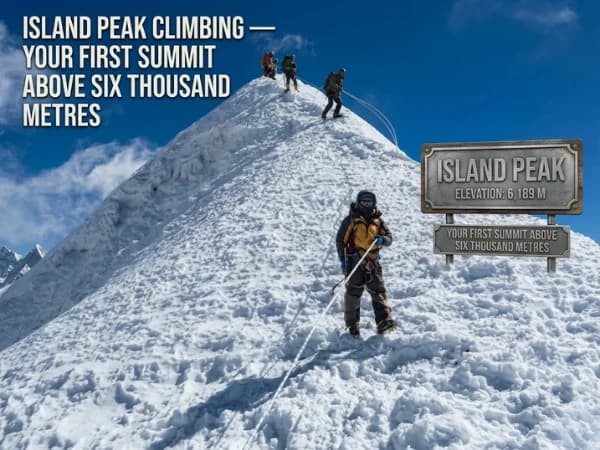
Island Peak Itinerary and Summit Day 2027: 14 Days, Base Camp to the Top
The 14-day Island Peak itinerary day by day, what summit day is like from base camp, where sources disagree on heights, best months and 2027 prices.
Read More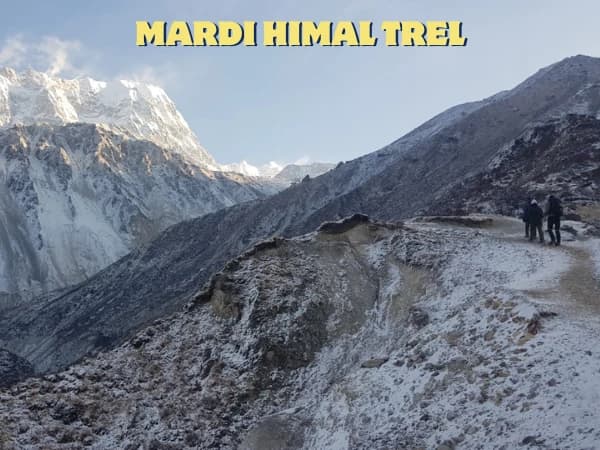
How Difficult Is the Mardi Himal Trek? An Honest Day-by-Day Rating for 2027
An honest day-by-day rating of the Mardi Himal trek: the steep climb to High Camp, the 4,500 m push to Base Camp, altitude risk, who finds it hard and 2027 prices.
Read More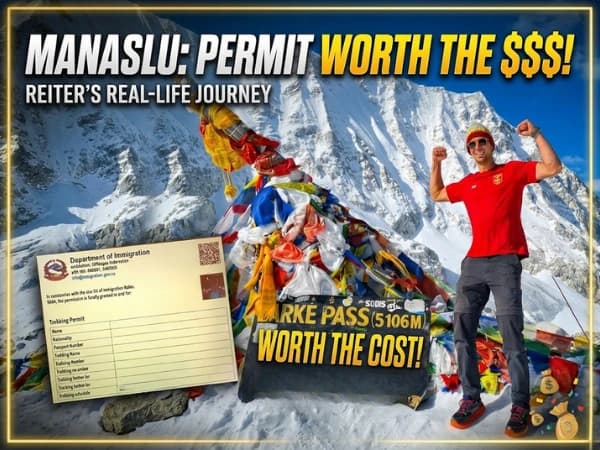
Manaslu Circuit Reopened: What Changed After the 2026 Floods and How to Plan 2027
The Manaslu Circuit over the Larke Pass is open again with extreme caution. What changed in the lower valley after the two 2026 floods, 2027 prices and permits, and how I would plan.
Read More Chat with Shreejan