
A porter costs $15-20/day and carries 20kg. Most trekkers say it was their best decision. Here's when you need one, when you don't, and how to treat them right.
Govt Regd. No.: 147653/072/073
Travel Agency Licence: 2838/072
Is a Porter Worth It? The Honest Guide

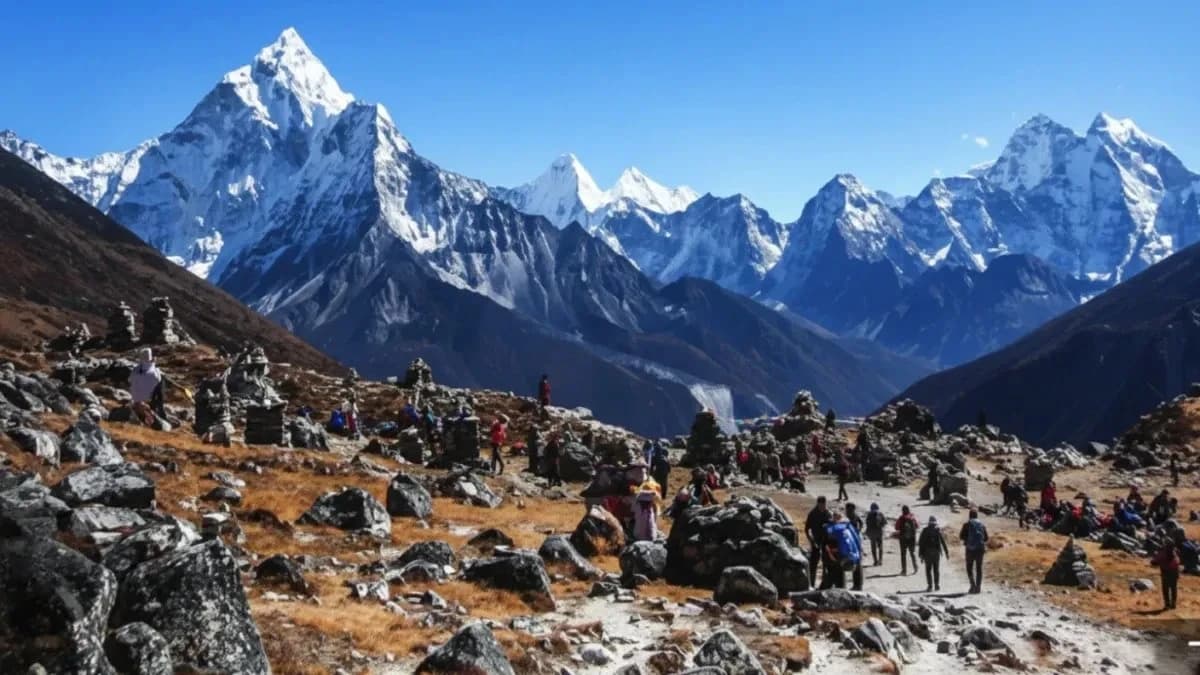
Is a Porter Worth It? The Honest Guide
This is probably the question I get asked most often by first-time trekkers, and it usually comes wrapped in guilt. "Am I being lazy?" "Is it exploitative?" "Can't I just carry my own stuff?"
My name is Shreejan, and I've been running treks in Nepal for nearly a decade. My family has been involved in Himalayan expeditions across three generations. I've watched hundreds of trekkers make this decision. Some carry their own packs and love it. Some carry their own packs and regret it by day three. And a very large number hire a porter and later tell me it was the single best decision of their entire trip.
Here's what I actually think, not the sales pitch version.
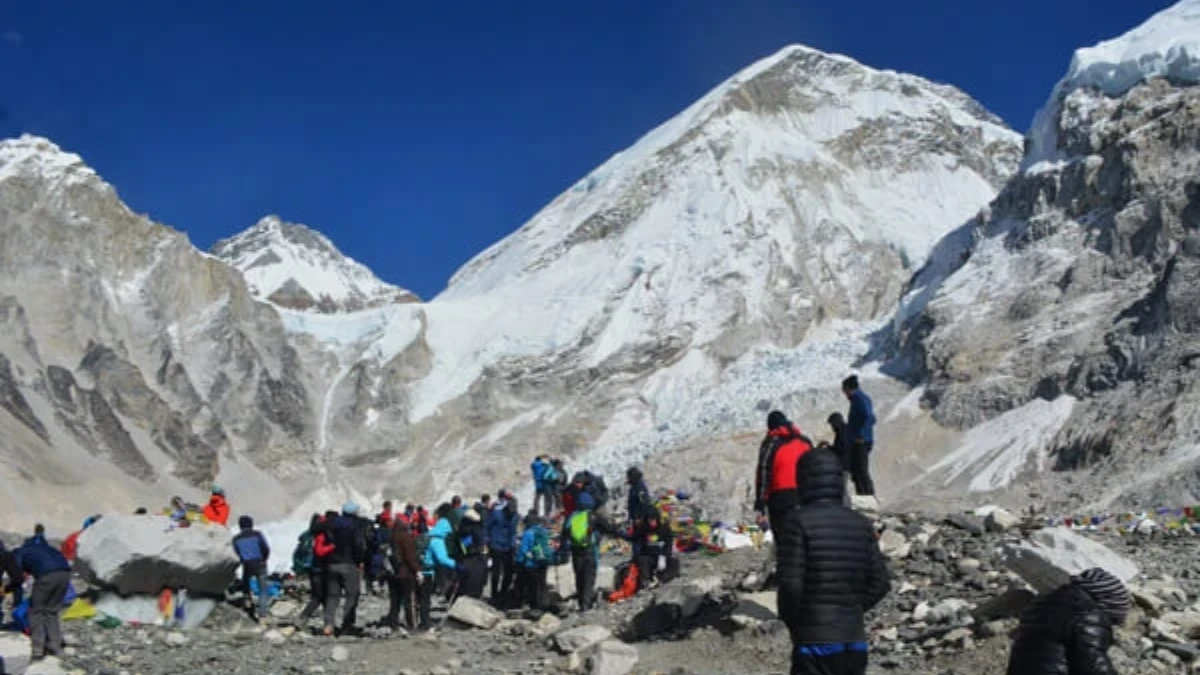
What Does a Porter Actually Do?
A porter carries your main bag. That's the core of it. You keep a small daypack with water, snacks, your camera, a rain jacket and whatever you need during the day. Your porter carries the rest: your spare clothes, sleeping bag liner, toiletries, charging equipment, the stuff you only need at the teahouse each evening.
The standard weight limit is 10 kilograms per trekker, because one porter carries no more than 20 kilograms for the two of you. One porter typically carries for two trekkers, so they'll have no more than 20kg on their back. They walk the same trail you walk, often faster than you, and your bag is waiting at the teahouse when you arrive.
That's it. They're not carrying you in a sedan chair. They're carrying your spare fleece and your toothbrush.
The Cost: What You'll Actually Pay
Let's get the numbers out of the way because they matter.
| Item | Cost (USD) | Notes |
|---|---|---|
| Porter wage per day | $15–20 | Varies by region and altitude |
| Porter food and lodging per day | $8–12 | Covered by the trekking company, not you |
| Porter insurance | Included | Reputable companies include this in the package |
| Tips (customary) | $2–3/day | Given directly to your porter at the end |
| Your total cost per day | $17–23 | For a 12-day trek: roughly $200–275 total |
On our Everest Base Camp 12-day trek, a porter is included in the package price. Same for the Annapurna Circuit, the Manaslu Circuit, and most of our longer routes. You're not paying extra for it. It's already factored in.
For treks where porters are optional, you're looking at roughly $200–275 for a 12-day trek. That's less than most people spend on gear they'll use once.
When is hiring a porter worth it on a Nepal trek?
High-altitude treks above 4,000 metres
This isn't even a debate. On routes like the Everest Three Pass trek, the Island Peak climb, or the Kanchenjunga Base Camp trek, you're breathing thin air every single day. Carrying 12–15kg at 5,000 metres is a completely different experience from carrying that same weight at sea level. Your body is already working overtime just to keep you moving. Adding a heavy pack increases your risk of altitude sickness, slows your pace, and drains energy you'll desperately need.
I've seen fit, experienced hikers, people who run marathons at home, completely struggle above 4,500 metres with a full pack. It's not about fitness. It's physics. There's 50% less oxygen up there and your body doesn't care how many times you've been to the gym.
Treks longer than 10 days
The Annapurna Circuit is 12–14 days. The Makalu Base Camp trek is 18 days. The Upper Mustang trek runs 14–16 days. On treks this long, cumulative fatigue is real. What feels manageable on day two becomes genuinely painful by day nine. Your shoulders ache. Your knees take more impact with every step. That extra weight compounds over hundreds of thousands of steps.
If you have any knee, back or shoulder issues
Be honest with yourself about this. A pre-existing knee problem plus 15kg of pack weight plus steep descents over loose rock is a recipe for a trek-ending injury. I'd rather you hire a porter and finish the trek than prove something and have to be carried out on day five.
If this is your first multi-day trek at altitude
You genuinely don't know how your body will respond above 3,500 metres. Some people acclimatise beautifully. Some struggle. Having a porter means one less variable to worry about while you figure out how your body handles altitude, cold, and sustained daily walking.
Can you trek in Nepal without a porter?
I'm not going to pretend every trek requires a porter. Here's when you might comfortably go without:
- Short, lower-altitude treks: The Ghorepani Poon Hill trek is 4–5 days and doesn't go above 3,210 metres. The Mardi Himal trek is similar. If you're fit and pack light (under 8kg), you can manage these comfortably with your own pack.
- Experienced ultralight hikers: If you've thru-hiked long trails and know how to get your base weight under 6kg, you'll probably be fine on moderate routes. You know your body and your limits.
- You genuinely want the challenge: Some people trek specifically for the physical challenge of carrying their own gear. That's completely valid. Just be realistic about the altitude difference and don't let pride turn into a medical situation.
The Ethical Question: Is Hiring a Porter Exploitative?
This is the part most blog posts skip, and it's the part that matters most.
The honest answer: it depends entirely on who you trek with.
The ugly side of the industry
Nepal's portering industry has real problems. Some budget operators pay porters as little as $8–10 per day with no insurance, no proper equipment, and no weight limits. Porters have died from altitude sickness because operators pushed them too high without acclimatisation. Young men from poor rural villages carry 40–50kg loads in flip-flops because the company didn't provide boots. These aren't exaggerations. They're documented facts that organisations like the International Porter Protection Group have been fighting against for years.
If you book the cheapest trek you can find on some random website, there's a real chance your porter is being exploited. That's not your fault for wanting a porter. It's the operator's fault for treating workers like disposable pack animals.
How we do it differently
I'll tell you exactly what The Everest Holiday does, and you can hold us to it:
- Fair wages: Our porters earn $15–20 per day depending on the route, paid directly and on time. That's above industry average.
- Strict weight limits: Maximum 20kg per porter (carrying for two trekkers). No exceptions. Our guides check weights at the start.
- Proper equipment: We provide boots, jackets, gloves and sunglasses to any porter who doesn't have their own. Nobody walks in flip-flops on our treks.
- Insurance: Every porter is insured. If they get sick at altitude, they get the same evacuation as a client.
- Same food, same shelter: Our porters eat the same meals and sleep in the same teahouses. They're part of the team, not an underclass.
- Local hiring: We hire from the communities we trek through. The money stays in the region.
When you hire a porter through a responsible operator, you're not exploiting anyone. You're providing well-paid employment in a region where alternatives are subsistence farming or leaving for construction work in the Gulf states. Many of our porters have funded their children's education through trekking work. Several have trained up to become guides themselves.
Porter vs. Guide-Porter: What's the Difference?
This confuses a lot of people, so let me clear it up.
A porter carries your bag. They may speak limited English. Their job is logistics: getting your gear from point A to point B safely.
A guide leads the trek. They navigate, manage permits, handle emergencies, explain the culture and landscape, and make decisions about weather, altitude and pace. Our guides are government-licensed, with wilderness first aid training.
A guide-porter does both. They carry your bag (up to 10kg) AND guide you on the trail. This is a good option for solo trekkers on easier routes like the Langtang Valley trek or the Annapurna Base Camp trek. It's more affordable than hiring a guide and a separate porter, and you get one person who knows you, your pace, and your gear.
For harder routes (the EBC by road trip, the Kanchenjunga trek, anything involving peak climbing) you want a dedicated guide AND a dedicated porter. The guide needs to focus entirely on navigation and safety, not on hauling 25kg up a mountainside.
How do you treat a trekking porter in Nepal?
Hiring ethically is step one. Treating your porter with basic decency is step two. Here's what that looks like in practice:
- Learn their name. Use it. Ask about their family. They're a human being, not a luggage rack.
- Pack reasonably. Don't bring 20kg of stuff you won't use. Your porter's knees will thank you.
- Tip properly. $2–3 per day is standard. Give it directly to the porter at the end of the trek, not through the company. Cash, in Nepali rupees.
- Share snacks on the trail. A chocolate bar or a packet of biscuits goes a long way.
- Don't rush ahead and forget about them. If weather turns bad, make sure your porter has shelter too. If you stop for tea, ask if they've eaten.
- Give them warm gear you don't need anymore. That spare fleece or pair of thermal socks you bought in Thamel? Your porter will actually use them for years.
What do real trekkers say about hiring a porter?
The solo backpacker (carried his own gear): "I did Poon Hill without a porter and it was fine. Four days, low altitude, light pack. I wouldn't do EBC without one though. Completely different beast."
The couple in their 50s (hired porters): "Best $400 we spent on the whole trip. We could actually enjoy the scenery instead of staring at our feet all day. Our porter Dawa became a friend. We still WhatsApp him."
The experienced mountaineer (hired a porter): "I've climbed in the Alps and Patagonia carrying my own gear. Nepal is different because of the altitude and duration. Even I hired a porter for the Three Pass trek and I'd do it again without thinking twice."
Frequently Asked Questions
Can I share a porter with another trekker?
Yes, and this is standard practice. One porter typically carries for two trekkers, with a combined weight limit of 20kg. On group treks, porters are shared automatically. On the Manaslu Circuit and other longer routes, we assign one porter per two trekkers as part of the package.
What if my porter gets altitude sickness?
This is exactly why you should trek with a reputable company. Our porters are insured and receive the same medical attention as clients. If a porter shows symptoms, they descend immediately with support. Budget operators often don't insure their porters at all, which is one of the industry's worst practices.
Do I need a porter if I'm already hiring a guide?
It depends on the route. For shorter, lower treks, a guide-porter combination works well. For anything above 4,000 metres or longer than 10 days, you want both. Your guide needs to focus on leading, not carrying. On routes like the Island Peak climb, this isn't optional; it's a safety issue.
How much should I tip my porter?
$2–3 per day is the standard tip, given in Nepali rupees directly to the porter at the end of the trek. For a 12-day trek, that's roughly $25–35. If your porter was exceptional, tip more. They'll remember it. Some trekkers also give clothing or gear, which is always appreciated.
Is the porter included in trek package prices?
On our Standard and Luxury tiers, yes. Standard gives you one porter shared between two trekkers, and Luxury gives you a porter to yourself. Our Budget tier has no porter, so you carry your own pack. If you book Budget and would rather not carry it, a porter of your own can be added for USD 25 per day. Either way, check the "What's Included" section of whichever trek you're looking at. If it says "porter" in the inclusions list, you're sorted.
The Short Answer
A porter costs roughly $17–23 per day. For that money, you walk lighter, trek further, enjoy more, and directly support a Nepali family's livelihood. The vast majority of trekkers I've worked with over nearly ten years say the same thing: hiring a porter was the best money they spent in Nepal.
The guilt some people feel is understandable but misplaced, as long as you choose a company that treats its porters properly. Ask questions before you book. What do you pay your porters? Do they have insurance? What's the weight limit? Any company worth booking with will answer those questions openly. If they dodge them, book somewhere else.
We answer them on every call. Happy to answer yours too.
Plan Your Trek With Us
Every trek with The Everest Holiday includes a licensed guide and porter support. We've been running treks for nearly a decade, and our family has been connected to Himalayan expeditions across three generations. TAAN Member #1586.
WhatsApp:+977 9810351300
Email:[email protected]
Response within 30 minutes during Nepal business hours.
Ask us anything, including exactly what your porter will be paid.
Porter for EBC is standard in our Standard tier and above. Our Everest Base Camp Trek (12 Days) is private (your group only, no strangers), 2027 dates open, From USD $1399. WhatsApp us for tailored 2027 dates and current departures.
Planning a trip to Nepal?
Drop us your details and tell us what you have in mind. We will put together a personalised plan and get back to you.
Not sure which Nepal trek is right for you?
Take our free 2-minute quiz and get personalised recommendations based on your fitness, experience, and travel style.
Find Your Perfect Trek →Need Help? Call Us+977 9810351300orChat with us on WhatsApp
Latest Travel Blogs
Christmas and New Year Treks from Pokhara 2026/27: 3 to 5 Days
<p>Short treks from Pokhara for Christmas and New Year 2026/27: Panchase 3 days, Poon Hill 4 days and Mardi Himal 5 days. Weather, snow, what is open, and prices by group size.</p>
Read More
Thamdanda and Surke: The Road Head for Everest Base Camp by Road
Thamdanda is the road head where our Everest Base Camp trek by road starts and ends on foot. How to get there from Phaplu and what the first walk to Paiya is like.
Read MorePoon Hill Trek Permits 2027: ACAP, TIMS, Cost and What You Need
Poon Hill needs two permits: ACAP at NPR 3,000 and a TIMS card at NPR 2,000. Who arranges them, where they are checked, SAARC rates and the 2027 trek prices.
Read More Chat with Shreejan