
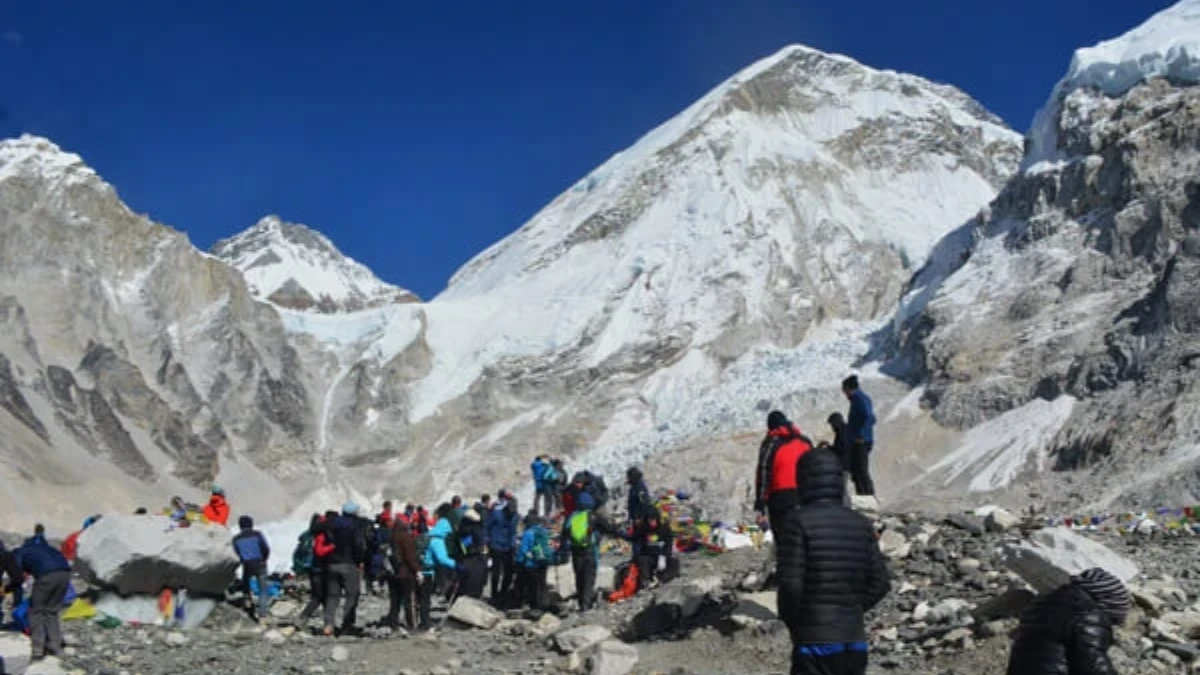
October is the most popular month for the Everest Base Camp trek. Clear skies, stable weather, warm days, cold nights, and the best mountain visibility of the year. It is also the most crowded month. The trail from Lukla to Gorak Shep is a procession of trekking groups, the teahouses are fully booked by noon, and the view from Kala Patthar at sunrise includes two hundred other people with the same idea.
Should you go in October? Almost certainly yes. The weather is too good to argue with. But you need to know what you are walking into.
What Is the Weather Like in October?
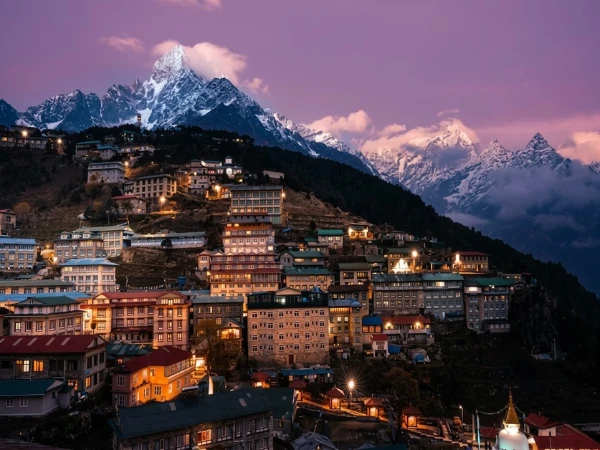
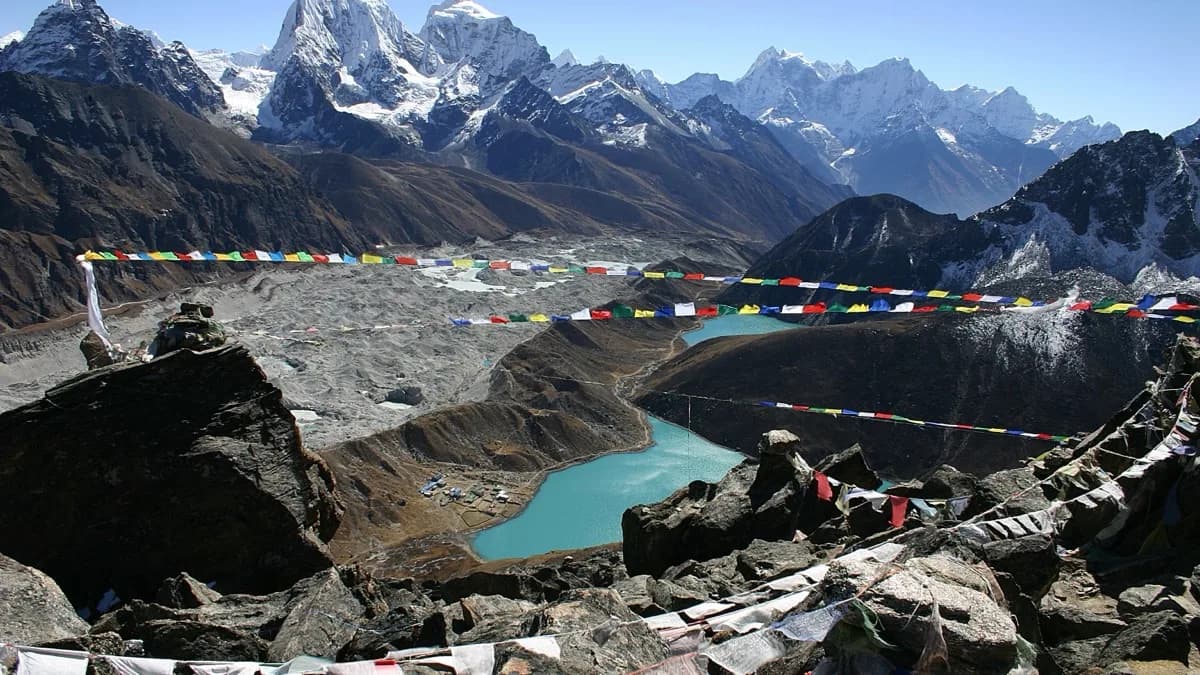
October is the first month after the monsoon ends. The air has been washed clean by four months of rain, and the result is the clearest mountain visibility of the year. Every peak is sharp. Every glacier gleams. The sky is the deep blue that Nepal is famous for.
- Daytime temperatures: 10 to 15°C at Namche (3,440m), 5 to 10°C at Dingboche (4,410m), 0 to 5°C at Gorak Shep (5,164m)
- Night temperatures: 0 to 5°C at Namche, -5 to -10°C at Dingboche, -10 to -15°C at Gorak Shep
- Precipitation: Very low. One or two brief afternoon showers possible in the first week of October, then dry.
- Visibility: Excellent. This is the month for photography.
- Wind: Moderate. Stronger above 5,000 metres, especially at Kala Patthar.
How Crowded Is EBC in October?
Very. October is peak season, and the EBC trek is the most popular trek in Nepal. On a typical October day:
- Lukla flights: Every seat is booked. Delays and cancellations are common because of the sheer volume of flights.
- Trail traffic: 200 to 400 trekkers per day heading in each direction between Namche and Gorak Shep.
- Teahouse availability: Full by early afternoon. Your guide books rooms in advance, but late arrivals may sleep in dining rooms.
- Kala Patthar sunrise: 100 to 200 people at the viewpoint. You will share the moment.
- Base Camp itself: Quiet during trekking season (expedition season is April-May). The camp you visit is nearly empty.
The crowds are the price of perfect weather. If the crowds bother you more than imperfect weather, consider November (clear but colder, 50% fewer trekkers) or late September (monsoon ending, 70% fewer trekkers, occasional cloud).
What Should You Pack for October?
October packing is straightforward because the weather is predictable. Warm layers for morning and evening, lighter layers for midday walking, and a good sleeping bag for the cold nights above 4,000 metres.
Essential:
- Down jacket (for evenings and Kala Patthar sunrise)
- Sleeping bag rated to -15°C comfort (or rent in Kathmandu)
- Base layers (merino or synthetic)
- Fleece mid-layer
- Waterproof jacket (light, as October rain is rare but possible)
- Warm hat, gloves, buff
- Sunglasses (UV protection essential above 4,000m)
- SPF 50 sunscreen and lip balm
- Trekking poles (essential for Kala Patthar descent)
Our Standard and Luxury packages include sleeping bags and down jackets. See our complete packing guide for the full list.
How to Beat the October Crowds
Start early each day. Leave the teahouse at 6:30 or 7:00 instead of 8:00. You walk in cool morning air, arrive at the next teahouse before the crowd, and get first pick of rooms.
Book the Kala Patthar sunrise for the second morning. Most groups do Kala Patthar on Day 9 (their first morning at Gorak Shep). If your itinerary allows a second morning, go on the quieter day.
Consider the Gokyo alternative. The EBC with Gokyo Lakes trek adds Gokyo Ri, a viewpoint that many trekkers say is better than Kala Patthar, with a fraction of the crowd. You still reach Base Camp but also get the turquoise lakes and the Ngozumpa Glacier.
Book with a Nepal company. Local companies book teahouse rooms further in advance and have stronger relationships with teahouse owners than international operators. This matters in October when every room is contested.
Is October Worth It Despite the Crowds?
Yes. The weather in October is so consistently excellent that the experience outweighs the inconvenience of sharing the trail. You will never wait for a view. You will never lose a day to bad weather. You will never wonder whether the mountains are behind the clouds. In October, they are right there, every morning, exactly where the postcards promised.
The crowd is also part of the experience. The EBC trail in October is an international community: trekkers from fifty countries sharing teahouse dining rooms, swapping stories, encouraging each other on the tough days. The social dimension of October trekking is something solo travellers particularly value.
How to Book an October EBC Trek
October is peak season. Book your trek at least two to three months ahead to secure Lukla flights and teahouse reservations. Last-minute bookings in October are possible but risky. You may face flight delays, unavailable rooms, and higher prices.
Book directly with a Nepal-based company. In October, when every teahouse room is contested, local companies with established relationships get priority booking. International operators subcontract to local companies anyway. You pay more for the same guide and the same teahouse.
If you want the guaranteed perfect weather, go in October. If you want the same mountains with fewer people, go in November or late March. Both are excellent choices. Neither is wrong.
October vs November: Which Is Better for EBC?
November offers 80 percent of October's weather quality with 50 percent fewer trekkers. The skies are still clear. The views are still extraordinary. But nights are colder (minus 15 to minus 20 at Gorak Shep), some teahouses at the highest points close for winter by late November, and the Lukla flight schedule thins out.
October is the safe choice. November is the smart choice for experienced trekkers who own warm gear and prefer quiet trails. Both are excellent months for EBC.
See our Everest Base Camp Trek (12 Days) for October departure dates and pricing.
WhatsApp:+977 9810351300
Email:[email protected]
Written by Shreejan Simkhada, CEO of The Everest Holiday and third-generation Himalayan guide. TAAN Member #1586.
October EBC is the most popular window. Lock in your spot with our EBC Trek 12 Days "" Budget USD 1,399, Standard USD 2,499, Luxury USD 4,999. October dates fill by June. WhatsApp us to check availability.

 Chat with Shreejan