
Nepal's new digital nomad visa, WiFi reality, co-working spaces, cost of living, and a 3-month work-and-trek itinerary. The guide nobody else has written.
Govt Regd. No.: 147653/072/073
Travel Agency Licence: 2838/072
Digital Nomad in Nepal: How to Combine Remote Work with Himalayan Trekking

Digital Nomad in Nepal: How to Combine Remote Work with Himalayan Trekking
By Shreejan Simkhada | April 2026 | 12 min read
Last October, a software developer from Berlin showed up at our Thamel office with a 65-litre backpack, a MacBook Pro, and a question I'd never heard before: "Can I work from Kathmandu for six weeks and fit three treks into the gaps?"
I said yes. Obviously.
But what surprised me was the next month. Four more people asked the same thing. Then seven. By December, I'd helped eleven remote workers build custom work-and-trek itineraries, and I realised something had shifted. Nepal wasn't just a trekking destination anymore. It was becoming a base.
This guide is everything I've learnt from those conversations, from my own experience running a company in Kathmandu, and from watching this new wave of travellers figure out how to balance spreadsheets with sunrises over the Himalayas.
Nepal's Digital Nomad Visa: What You Actually Need to Know
Nepal introduced its digital nomad visa in 2024. Here's the straight truth about it:
- Duration: Up to 5 years (yes, really)
- Income requirement: $1,500/month provable income from outside Nepal
- Tax: 5% flat tax on income earned while in Nepal
- Processing: Apply through the Department of Immigration in Kathmandu or Nepali embassies abroad
- Work restriction: You cannot work for a Nepali company or take employment locally, remote work for foreign clients only
Now, the honest part. The visa system is still new. Processing times vary wildly. Some people get approved in a week; I've heard of others waiting three. The bureaucracy is real, and you'll need patience. Bring printed bank statements, a letter from your employer or clients confirming remote work, and passport photos. Lots of passport photos. Nepal loves passport photos.
If the DN visa feels like too much hassle, there's a simpler route: the standard tourist visa gives you 150 days per calendar year. You can get 15 days on arrival and extend in 30-day blocks at the immigration office. Technically, you're not supposed to "work" on a tourist visa, but checking emails and attending Zoom calls falls into a grey area that millions of digital nomads worldwide deal with daily. The DN visa just makes it official.
The WiFi Reality: Honest Numbers
This is where most guides lie. I won't.
Kathmandu
Genuinely good. Fibre internet has spread across the city over the past three years. Most co-working spaces offer 50-100 Mbps. Cafés in Thamel, Jhamsikhel, and Patan typically get 20-40 Mbps. Mobile data (Ncell 4G) gives you 15-25 Mbps as backup. Video calls work. Large file uploads work. You can do real work here.
Pokhara
Good, not great. Lakeside has decent WiFi in most cafés and co-working spaces, 15-30 Mbps is typical. It drops during power cuts (more on that below). Fine for most remote work. Video calls sometimes stutter in the afternoon when everyone's online.
On the Trail
Forget it. Or rather, lower your expectations dramatically.
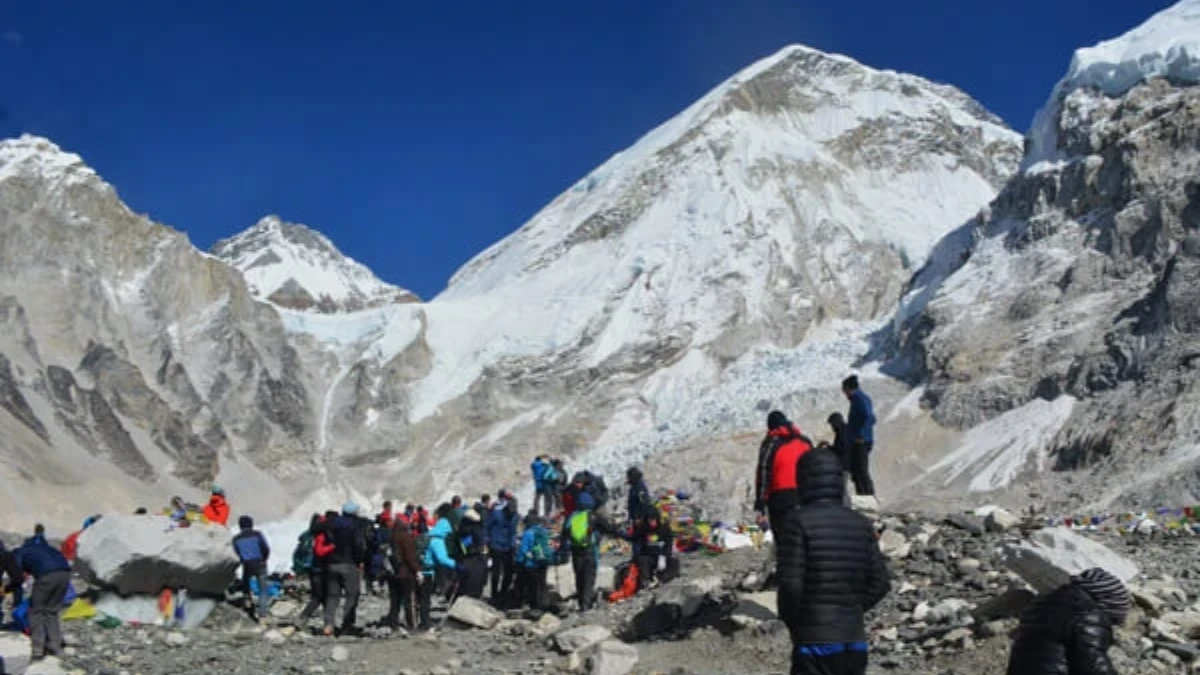
Below Namche Bazaar on the Everest trail, you'll find teahouse WiFi that technically works: enough for WhatsApp messages, maybe email. Above Namche, it's satellite-based and painfully slow. At Gorak Shep (5,164m), you're lucky to send a photo.
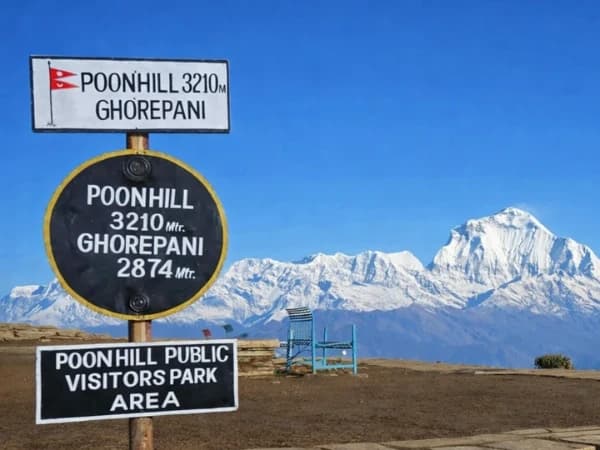
The Annapurna Circuit has better connectivity in lower sections (Besisahar to Manang has patchy 3G/4G), but it disappears around Thorong La. Poon Hill has surprisingly decent signal because it's lower altitude and closer to towers.
The short answer: Don't plan to work from the trail. Plan to work from cities and disconnect on treks. That's the whole point, isn't it?
What are the best coworking spaces in Kathmandu and Pokhara?
Kathmandu
| Space | Location | Day Pass | Monthly | Speed | Notes |
|---|---|---|---|---|---|
| Jeevee Coworks | Jhamsikhel | NPR 500 | NPR 8,000 | 80+ Mbps | Best infrastructure. Quiet. Good coffee. |
| Chhito Space | Thamel | NPR 400 | NPR 6,000 | 50+ Mbps | Walking distance from tourist hub. Social atmosphere. |
| Nepal Communitere | Jhamsikhel | NPR 350 | NPR 5,500 | 40+ Mbps | Non-profit space. Good community events. Garden seating. |
| Impact Hub Kathmandu | Patan | NPR 600 | NPR 9,000 | 60+ Mbps | Most professional setup. Meeting rooms available. |
Pokhara
| Space | Location | Day Pass | Monthly | Speed | Notes |
|---|---|---|---|---|---|
| Cowork Pokhara | Lakeside | NPR 400 | NPR 6,000 | 30+ Mbps | Lake views. Good community. Regular events. |
| Starter Hub | New Road | NPR 300 | NPR 4,500 | 25+ Mbps | Budget-friendly. Reliable power backup. |
Most spaces have power backup (inverter or generator), which matters because Nepal still has occasional scheduled power cuts, especially in dry season (March-May). Kathmandu is much better than it was five years ago, cuts are rare, but Pokhara still gets them. A good co-working space solves this entirely.
How much does living in Nepal cost for a digital nomad?
Nepal is cheap. Not Southeast-Asia-cheap across the board, but remarkably affordable for what you get.
| Expense | Budget | Comfortable | Premium |
|---|---|---|---|
| Rent (furnished room/apartment) | $150-250 | $300-500 | $600-1,000 |
| Food (eating out daily) | $100-150 | $200-300 | $400+ |
| Co-working space | $40-55 | $55-70 | $70-90 |
| SIM card + data (monthly) | $5-10 | $10-15 | $15-20 |
| Transport (local) | $15-30 | $40-80 | $100+ |
| Misc (laundry, gym, social) | $30-50 | $50-100 | $100-200 |
| Monthly total (city only) | $340-545 | $655-1,065 | $1,285-2,310 |
A dal bhat lunch at a local restaurant costs $1.50-2.50. A cappuccino at a good café costs $2-3. A beer at a Thamel bar costs $2-4. You can live well on $700/month. You can live very well on $1,200.
Now add trekking costs. A 12-day Everest Base Camp trek with us starts at $1,399 per person on the budget tier. A shorter Poon Hill trek starts at $499. So three months in Nepal, including two major treks, can cost $4,000-6,000 total. Try that in Switzerland.
The Timezone Advantage Nobody Talks About
Nepal is GMT+5:45. Yes, 5:45. We're the only country with a 45-minute offset, and we're quietly proud of it.
Why does this matter for remote workers?
- European clients: Your 9am London is 2:45pm Kathmandu. You get a full morning of focused work before anyone in Europe is awake. Then overlap for afternoon meetings. This is ideal.
- Middle East/Gulf clients: Dubai's 9am is 11:15am here. Almost full overlap. Perfect for the growing remote work market in the Gulf.
- US East Coast: New York's 9am is 7:45pm Kathmandu. Tough for real-time work, but manageable for async teams. You'd work evenings Nepal time.
- Australia: Sydney's 9am is 4:15am here. Hard pass for synchronous work.
The sweet spot is European and Middle Eastern clients. If that's your market, Nepal's timezone is genuinely perfect, better than Bali, better than Thailand, better than most of the traditional nomad spots.
Is electricity reliable in Nepal for working remotely?
Nepal had crippling 18-hour power cuts a decade ago. That era is over. Hydropower expansion has transformed the grid. But it's not perfect.
Kathmandu now has reliable power most of the year. Scheduled cuts are rare (maybe a few hours during very dry months, January-March). Most buildings have inverter backup. Co-working spaces have uninterrupted power.
Pokhara is slightly less reliable. Expect occasional 2-4 hour cuts, especially in dry season. Again, a good co-working space or a decent guesthouse will have backup.
My advice: carry a power bank for your phone (20,000mAh minimum), and always keep your laptop charged above 50%. That way, a surprise cut doesn't kill your workday.
How do I combine 3 months of work and trekking in Nepal?
Here's what I'd recommend. I've tested versions of this with actual clients.
Weeks 1-3: Settle Into Kathmandu + Short Trek
Week 1: Arrive. Get your SIM card (Ncell, at the airport). Find accommodation: Thamel for convenience, Jhamsikhel or Patan for quieter living. Set up at a co-working space. Get your bearings. Explore Durbar Square, Boudhanath, Swayambhunath. Eat everything.
Week 2: Full work week. Establish your routine. Morning work, afternoon explore. This is when you realise that the commute from your $300/month apartment to a café costs 50 cents by scooter and the dal bhat is incredible.
Week 3: Your first trek, the Langtang Valley Trek (7 days). Close to Kathmandu, strong scenery, and short enough that you only miss one work week. Tell your clients you'll be offline for 7 days. Most will be jealous, not annoyed.
Weeks 4-6: Deep Work in Kathmandu
Back from Langtang, you're energised. Three weeks of solid work. This is when Nepal starts feeling like home. You know the café owners' names. You've found your favourite momo spot. You're sleeping better than you have in years because the air is clean (well, cleaner than most cities; Kathmandu's air isn't perfect, I'll be honest) and you're walking everywhere.
Weeks 7-9: Pokhara + Annapurna
Week 7: Take a 25-minute flight or 6-hour drive to Pokhara. Set up at a co-working space there. Work from Lakeside with Machhapuchhre (Fishtail) watching over you. Paragliding on Saturday.
Weeks 8-9: Your big trek, the Annapurna Base Camp trek (10-12 days). This is the one that changes people. You'll walk through rice paddies, bamboo forests, and rhododendron groves before arriving at a natural amphitheatre surrounded by 7,000m+ peaks. Leave your laptop at your Pokhara guesthouse. It'll be there when you get back.
Weeks 10-11: Back to Kathmandu, Final Work Push
Return to Kathmandu. Two weeks of focused work. By now, you've built a rhythm that most people spend years trying to find: deep work in the mornings, culture in the afternoons, early nights.
Week 12: The Grand Finale
Your last trek: the Poon Hill trek (4-5 days). Short, sweet, and one of the most beautiful sunrise viewpoints on Earth. You'll watch the sun hit Dhaulagiri and Annapurna South and wonder why you ever worked in a grey cubicle. Then back to Kathmandu for a farewell dal bhat.
Or, if you're feeling ambitious, swap Poon Hill for the Everest Base Camp trek. But that's 12 days, so plan accordingly.
How do I get and extend a Nepal tourist visa?
If you're going the tourist visa route:
- On arrival: 15-day visa ($30), 30-day visa ($50), 90-day visa ($125)
- Extensions: At the Department of Immigration in Kathmandu or Pokhara Immigration Office. $2/day for extensions. Max 150 days per calendar year.
- Documents needed: Passport valid for 6+ months, passport photo, cash in USD
- Overstay fine: $5/day. Don't do it.
For the digital nomad visa, apply at the Department of Immigration with proof of income, employment/freelance contract, and bank statements. Budget 1-2 weeks for processing, though it can be faster.
What are the downsides of being a digital nomad in Nepal?
The dust. Kathmandu is dusty, especially in dry season (October-April). If you have respiratory issues, this matters. A good face mask helps. Patan and Jhamsikhel are noticeably less dusty than Thamel.
The noise. Kathmandu is loud. Horns, dogs, temple bells, music. If you need silence to work, don't choose a street-facing room. Or invest in good noise-cancelling headphones. This isn't Ubud.
The stomach. You will probably get sick at least once. Not definitely, but probably. Street food is incredible but risky for newcomers. Start conservative. Build up. Carry Imodium.
The banking. ATMs have withdrawal limits (usually NPR 35,000-50,000 per transaction, about $260-370). Bring a card with low international fees. Wise or Revolut work well here. Cash is still king in many places.
The loneliness. If you're coming alone, the first two weeks can be isolating. Co-working spaces fix this fast. So do trekking groups. I've watched strangers become lifelong friends on a 12-day trek more times than I can count.
Why Nepal Over Bali, Lisbon, or Chiang Mai?
Fair question. Every digital nomad destination has its pitch. Here's Nepal's:
You won't find the Himalayas anywhere else. Not a version of them. Not something similar. The actual Himalayas, the tallest mountains on Earth, are here, and you can walk to the base of them in your off-weeks. No other nomad destination offers that.
The cost is lower than Bali (which has gotten expensive) and dramatically lower than Lisbon. The community is smaller, which means it's more genuine. You're not competing for café seats with 200 other laptop warriors.
And the culture runs deep. This isn't a party destination that happens to have WiFi. It's a country with 3,000 years of history, living Hindu and Buddhist traditions, and a warmth toward strangers that will genuinely surprise you.
The downside? Infrastructure isn't as polished. The internet isn't as fast. The comforts aren't as predictable. If that bothers you, Lisbon is lovely. If it excites you, book a flight to Kathmandu.
How do I get started as a digital nomad in Nepal?
Ready? Here's what to do.
- Check your work situation: can you go fully remote for 1-3 months?
- Visit our trip planning page to start thinking about which treks fit your schedule
- Book a flight to Kathmandu (direct flights from Doha, Delhi, Bangkok, Kuala Lumpur, and many Gulf cities)
- Message us on WhatsApp and tell us your dates: we'll help you build a work-and-trek schedule that actually works
- Pack light. You'll buy warm layers in Thamel for a fraction of what they cost at home
We've helped dozens of remote workers fit trekking into their work lives. The logistics aren't as complicated as they seem. The hardest part is telling your boss you're going.
The second hardest part is coming home.
Questions about combining remote work with trekking in Nepal?
WhatsApp: +977 9810351300
Email: [email protected]
About the Author: Shreejan Simkhada is the CEO of The Everest Holiday and a third-generation Himalayan guide. A lifetime member of TAAN (Trekking Agencies' Association of Nepal, Member #1586), he's spent over a decade helping travellers experience Nepal on their own terms, whether that's a 12-day trek to Everest Base Camp or a 3-month work-and-adventure plan from a Kathmandu café. He splits his time between running the company and figuring out why his office WiFi drops during monsoon season.
Digital nomad in Kathmandu? Our city tour works for shorter breaks. Our Kathmandu & Pokhara Tour (7 Days) is private (your group only, no strangers), 2027 dates open, From USD $749. WhatsApp us for tailored 2027 dates and current departures.
Planning a trip to Nepal?
Drop us your details and tell us what you have in mind. We will put together a personalised plan and get back to you.
Not sure which Nepal trek is right for you?
Take our free 2-minute quiz and get personalised recommendations based on your fitness, experience, and travel style.
Find Your Perfect Trek →Need Help? Call Us+977 9810351300orChat with us on WhatsApp
Related Trek Packages
Latest Travel Blogs
Christmas and New Year Treks from Pokhara 2026/27: 3 to 5 Days
<p>Short treks from Pokhara for Christmas and New Year 2026/27: Panchase 3 days, Poon Hill 4 days and Mardi Himal 5 days. Weather, snow, what is open, and prices by group size.</p>
Read More
Thamdanda and Surke: The Road Head for Everest Base Camp by Road
Thamdanda is the road head where our Everest Base Camp trek by road starts and ends on foot. How to get there from Phaplu and what the first walk to Paiya is like.
Read MorePoon Hill Trek Permits 2027: ACAP, TIMS, Cost and What You Need
Poon Hill needs two permits: ACAP at NPR 3,000 and a TIMS card at NPR 2,000. Who arranges them, where they are checked, SAARC rates and the 2027 trek prices.
Read More Chat with Shreejan