160m drop over the Bhote Koshi gorge. Nepal's bungee is one of the world's highest. Cost, safety, how to get there, and whether you should do it before or after your trek.
Govt Regd. No.: 147653/072/073
Travel Agency Licence: 2838/072
Bungee Jumping in Nepal: The Last Resort and Beyond

Short answer: Nepal's best-known bungee jump drops 160 m from a suspension bridge over the Bhote Koshi gorge, about 3 hours from Kathmandu on the road to the Tibet border. There is also a jump in Pokhara, and a canyon swing. Jumps are run by trained safety teams, and you can step back at any point. Jump on our Bhote Koshi bungee day tour.
Bungee Jumping in Nepal: The Last Resort and Beyond
You're standing on a steel platform bolted to a suspension bridge 160 metres above a roaring river gorge. The Bhote Koshi churns white far below. A Kiwi safety instructor has just strapped a harness around your ankles and chest, checked it three times, and given you a thumbs up. You shuffle to the edge. Your brain is screaming at you to step back.
Then you jump.
Or you don't. Both are perfectly valid responses. I've watched hundreds of people stand on that edge. Some leap immediately. Some take twenty minutes. Some cry. Some laugh hysterically. A few turn around and walk back, and nobody judges them for it.
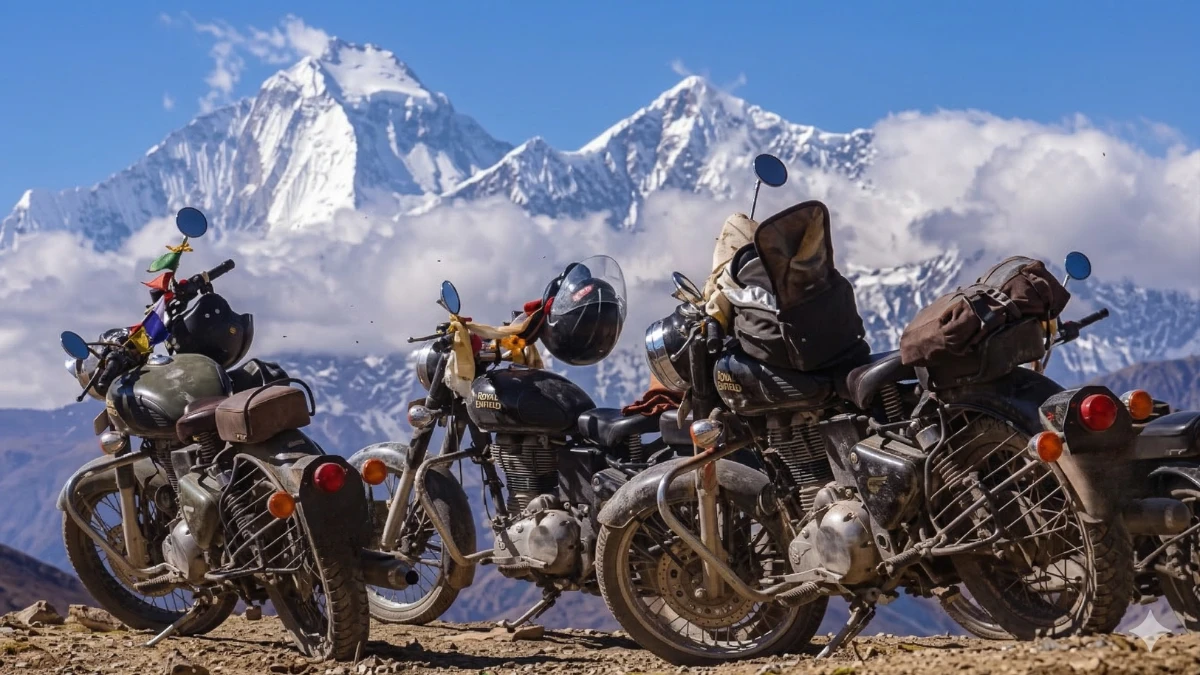
Nepal's bungee scene has grown significantly since the original Last Resort jump opened in 1999. What started as a single bridge in the Bhote Koshi gorge has expanded to include multiple jump sites, a giant swing, and a canyon swing in Pokhara. This guide covers everything: where to jump, what it costs, safety standards, and whether it makes sense to add it to your trekking itinerary.
The Last Resort Bungee: Nepal's Original
The Last Resort, located roughly three hours northeast of Kathmandu on the road to the Tibet border, remains Nepal's most famous bungee site. The jump is 160 metres, making it one of the highest commercial bungee jumps in the world when it opened. It's operated off a purpose-built steel suspension bridge spanning the Bhote Koshi river gorge.
The Numbers
| Detail | Information |
|---|---|
| Height | 160 metres (525 feet) |
| Free fall time | Approximately 4-5 seconds |
| Location | Bhote Koshi gorge, Sindhupalchowk district |
| Distance from Kathmandu | ~100 km (3 hours by road) |
| Cost (2026) | NPR 12,000-15,000 (~USD 90-115) for foreigners |
| Weight limit | 35-125 kg |
| Minimum age | 10 (under 18 with a parent or guardian) |
| Operating season | Year-round except peak monsoon (July-August) |
| Operator | The Last Resort / Bungee Nepal |
The equipment is Swiss-designed, maintained by trained operators, and inspected regularly. The bungee cord is made of natural rubber latex, calculated for each jumper's weight. This isn't some backyard operation. The safety record over two decades is excellent.
Where is the highest bungee jump in Nepal?
Pokhara Bungee (Hemja)
The newer bungee site near Pokhara opened in recent years and offers a different experience. At approximately 80 metres, it's half the height of The Last Resort but sits in a beautiful location with mountain views on clear days. It's more accessible for travellers already in Pokhara for trekking.
- Height: ~80 metres
- Cost: NPR 8,000-10,000 (~USD 60-75)
- Location: Hemja, about 30 minutes from Pokhara lakeside
- Good option if you're short on time or prefer a shorter drop
Kushma Bungee (near Pokhara)
Kushma, about 1.5 hours from Pokhara, claims a 228-metre bungee that would make it one of the highest in the world. The site is newer and operations should be verified before booking, as Nepal's adventure tourism sector is still developing regulatory oversight. If confirmed operational and properly equipped, it would be extraordinary.
The Last Resort Canyon Swing
If you want the terror without the head-first plunge, the canyon swing at The Last Resort sends you on a pendulum arc across the gorge. You step off the platform and free-fall for about 3 seconds before the rope catches and swings you across the canyon. Many people find this more frightening than the bungee because the fall angle feels different. Your body is upright, not diving.
Pokhara Zip Line
Not a bungee, but worth mentioning. The zip line near Pokhara was once billed as the world's steepest and longest. It runs at high speed with Annapurna views. Less terrifying than bungee, more thrilling than a standard zip line.
What does bungee jumping in Nepal feel like?
I've jumped three times. I was terrified each time. Anyone who tells you they weren't scared is either lying or has a fundamentally different nervous system than the rest of us.
Here's the sequence. You arrive at the bridge after a short walk from the road. They weigh you; this is critical, because the cord length is calibrated to your weight. They strap a full-body harness and attach ankle cuffs. A secondary safety system connects to your chest harness as backup.
Then you walk to the edge of the platform. The bridge sways slightly. You look down and your body floods with adrenaline. Every instinct you have says do not step off this platform.
The countdown happens. Three. Two. One. Bungee!
The first second is pure free fall. Gravity takes you and there's nothing beneath you but air and a very distant river. Your stomach drops. Wind rushes. Time distorts: some people report it feeling like thirty seconds, others like half a second.
Around the 3-4 second mark, the cord starts to engage. The deceleration is smooth, not jarring. You reach the lowest point and then spring back up, bouncing several times while suspended above the gorge. The bouncing is oddly peaceful. The terror has passed. What's left is euphoria.
After the bouncing stops, a rope is lowered and you're winched back up to the bridge. The whole active experience takes perhaps 5-7 minutes. The memory lasts considerably longer.
Should You Bungee Before or After Your Trek?
This is the question I get most often from clients who are combining adventure activities with trekking. My answer depends on the person and the trek.
Before Your Trek
Pros: Gets the adrenaline system activated. Builds confidence. You arrive at your trailhead feeling like you can handle anything. Several clients have told me that after bungee jumping, altitude anxiety felt smaller.
Cons: If you injure yourself (rare but possible: minor whiplash, back strain), it could affect your trek. You also burn a day of your trip.
After Your Trek
Pros: Your body has had two weeks of physical conditioning. You're mentally toughened from high passes and long days. The bungee feels like a celebration. Also, if you're doing the Everest Base Camp trek or EBC by road trip, the route back from Jiri passes near The Last Resort, making it a natural add-on.
Cons: Post-trek fatigue is real. Some people just want to eat dal bhat and sleep for three days.
My personal recommendation: do it after, especially if you're trekking to EBC. The road from Kathmandu to Jiri passes through the Bhote Koshi valley. You're right there. It takes half a day. And finishing your Nepal trip with a 160-metre plunge into a Himalayan gorge is a story that never gets old.
Can you combine bungee jumping with a Nepal trek or tour?
The Last Resort is on the Arniko Highway heading northeast from Kathmandu towards the Chinese border. This makes it easy to combine with several of our trips.
If you're doing the Kathmandu-Pokhara-Chitwan-Lumbini tour, you can add a bungee day trip from Kathmandu at the start or end. For trekkers heading to the Langtang Valley, the Last Resort is roughly on the way, a detour, but a doable one. We run the Kathmandu version as our Bhote Koshi bungee day tour.
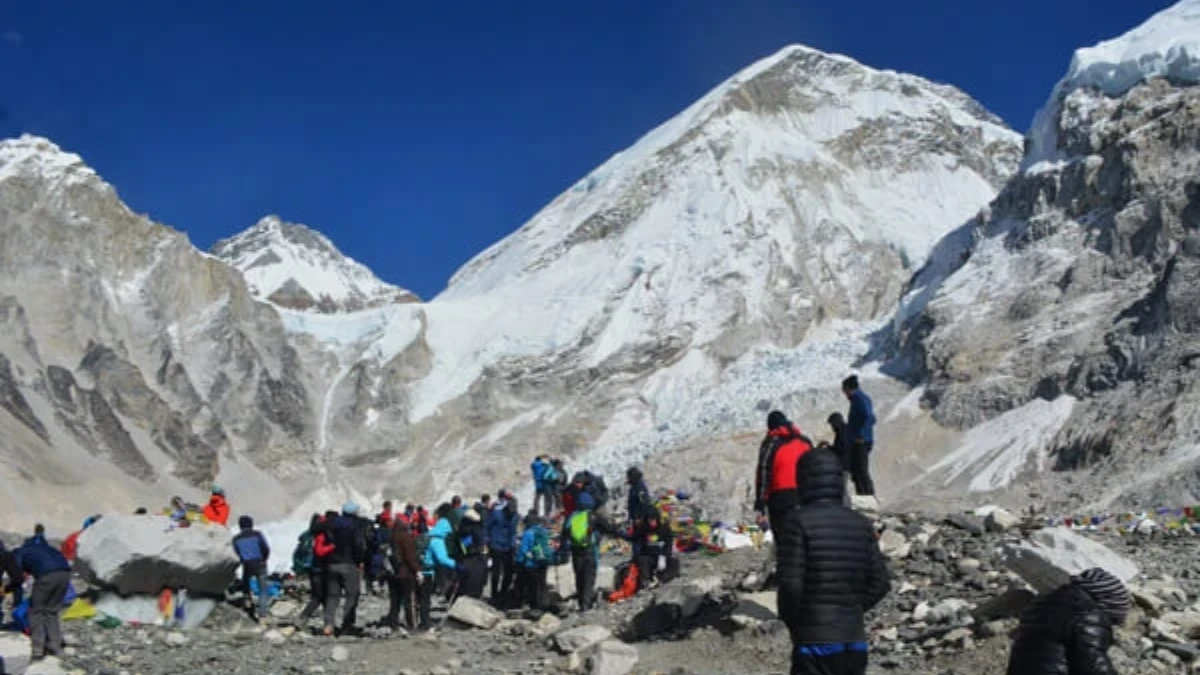
The Nepal motorbike tour can easily route through the Bhote Koshi valley. Riding a motorbike through the winding gorge road and then jumping off a bridge: that's a day you won't forget.
For those based in Pokhara after the Annapurna Circuit, Ghorepani Poon Hill trek, or Mardi Himal trek, the Pokhara bungee at Hemja is just 30 minutes away. We arrange it as a Pokhara bungee day trip.
The Kathmandu Valley tour combined with a bungee day trip makes an excellent short Nepal itinerary for travellers with limited time.
Is bungee jumping in Nepal safe?
Nepal's adventure tourism safety standards have improved significantly but still lag behind countries like New Zealand, where bungee jumping was born commercially. Here's what to check and what to expect.
Red Flags
- Operators who don't weigh you before the jump
- Equipment that looks worn, frayed, or improvised
- No safety briefing or signed waiver
- Staff who seem rushed or inattentive
- Newly opened sites with no track record
Green Flags
- Established operators with years of incident-free operation
- Swiss, Kiwi, or Australian equipment and safety protocols
- Individual weight-calibrated cord selection
- Full-body harness with redundant ankle and chest attachments
- Clear pre-jump safety briefing
- Staff who are calm, professional, and patient with nervous jumpers
The Last Resort has been operating since 1999 with an excellent safety record. They use equipment designed by one of the pioneers of commercial bungee. I've sent hundreds of clients there. No incidents. That said, bungee jumping carries inherent risk. People with heart conditions, high blood pressure, back or neck injuries, epilepsy, or who are pregnant should not jump. The operators will ask about medical conditions.
How do you overcome the fear of bungee jumping?
Here's something most bungee guides won't tell you. The jump itself is easy. Gravity does the work. The hard part is the decision to step off the edge.
Your brain has spent your entire life keeping you from falling off high places. It's good at this job. Standing on a platform 160 metres up, your prefrontal cortex might understand that the harness is secure and the cord is rated for your weight. But your amygdala, the ancient fear centre, is screaming at full volume. Jump and die. That's the message.
Overriding that message is an act of conscious will. And that's why people find it so powerful. You're not just jumping off a bridge. You're proving to yourself that you can override your deepest survival instincts with a deliberate choice. That feeling carries forward.
I've watched clients who were paralysed by anxiety about the Annapurna Base Camp trek or the Manaslu Circuit bungee jump first and then walk those trails with a completely different energy. The fear doesn't disappear. But the confidence to move through it gets stronger.
What Should You Know Before Bungee Jumping Nepal?
- Book in advance during peak season (October-November, March-April). Walk-ins are possible but not guaranteed.
- Eat a light breakfast. Empty stomach, not full stomach. Trust me on this.
- Wear comfortable, fitted clothing. Nothing loose that could catch. Remove jewellery, glasses (secure with a strap if you must wear them), and anything in your pockets.
- GoPro or action camera: Many operators offer video packages. If you want your own footage, a chest-mounted GoPro works. Don't hold a phone: you will drop it.
- Don't overthink the countdown. The longer you stand there, the harder it gets. When they say "bungee," go.
- It's okay to walk away. No refund usually, but no shame either. Roughly 5-10% of people choose not to jump after reaching the platform.
Beyond Bungee: Nepal's Adventure Activity Scene
Bungee is the headline act, but Nepal's adventure offerings extend far beyond it. Paragliding over Pokhara with Annapurna views. White-water rafting on the Bhote Koshi (the same river you jump over), the Trisuli, and the Sun Koshi. Mountain biking through the Kathmandu Valley hills. Ultralight flights over the Himalayan range.
For trekkers, the Upper Mustang trek offers a completely different kind of adventure: crossing Nepal's high desert on trails that feel like another planet. And if you want to push your physical limits, the high passes of the Manaslu Circuit at 5,160 metres deliver their own brand of fear and triumph.
Nepal doesn't do adventure halfway. This is a country shaped by tectonic collision, carved by monsoon rivers, and home to eight of the world's fourteen 8,000-metre peaks. The landscape demands big experiences, and the people who live here have built an industry around providing them.
Frequently Asked Questions
Is bungee jumping in Nepal safe?
At established operators like The Last Resort, yes. They use internationally rated equipment, calibrate cords individually by weight, and have operated for over two decades with an excellent safety record. As with any adventure activity, inherent risk exists, and people with certain medical conditions should not participate. Always verify operator credentials and avoid newly opened sites without a track record.
How much does bungee jumping cost in Nepal?
At The Last Resort, expect to pay NPR 12,000-15,000 (~USD 90-115) for the bungee jump. Packages including transport from Kathmandu, lunch, and sometimes rafting or canyon swing activities range from USD 120-180. The Pokhara bungee at Hemja is cheaper at NPR 8,000-10,000 (~USD 60-75).
Can I do bungee jumping and trekking on the same trip?
Absolutely. Most trekkers add bungee as a day trip from Kathmandu either before or after their trek. The Last Resort is about 3 hours from Kathmandu, making it a comfortable day trip. If you're trekking from Jiri to Everest Base Camp, the bungee site is on the approach road. We regularly build bungee into multi-activity itineraries.
What is the minimum/maximum weight for bungee in Nepal?
Our operator sets the limits at 35-125 kg. The bungee cord's elasticity is calibrated to your weight, so accurate weighing is critical. If you're outside these ranges, contact the operator directly to discuss options. The minimum age is 10, and anyone under 18 jumps with a parent or guardian.
What if I get to the edge and can't jump?
It happens to about 5-10% of people. The staff are patient and won't push you. They'll encourage you, count you down multiple times, and give you space. If you ultimately decide not to jump, that's respected. Most operators do not offer refunds for walk-backs, so factor that into your decision. There is zero shame in choosing not to jump.
Ready to Jump?
We build bungee into Nepal itineraries regularly, whether it's a half-day add-on from Kathmandu or part of a broader adventure trip. Tell us what you're planning and we'll make it work.
WhatsApp: +977 9810351300
Email:[email protected]
Written by Shreejan Simkhada, third-generation Himalayan guide and founder of The Everest Holiday. Licensed trekking operator, TAAN member #1586. Three-time bungee survivor. Still terrified every time.
Bungee jumping pairs with our Kathmandu-Pokhara tour. Our Kathmandu & Pokhara Tour (7 Days) is private (your group only, no strangers), 2027 dates open, From USD $749. WhatsApp us for tailored 2027 dates and current departures.
Planning a trip to Nepal?
Drop us your details and tell us what you have in mind. We will put together a personalised plan and get back to you.
Not sure which Nepal trek is right for you?
Take our free 2-minute quiz and get personalised recommendations based on your fitness, experience, and travel style.
Find Your Perfect Trek →Need Help? Call Us+977 9810351300orChat with us on WhatsApp
Explore Our Treks
Latest Travel Blogs
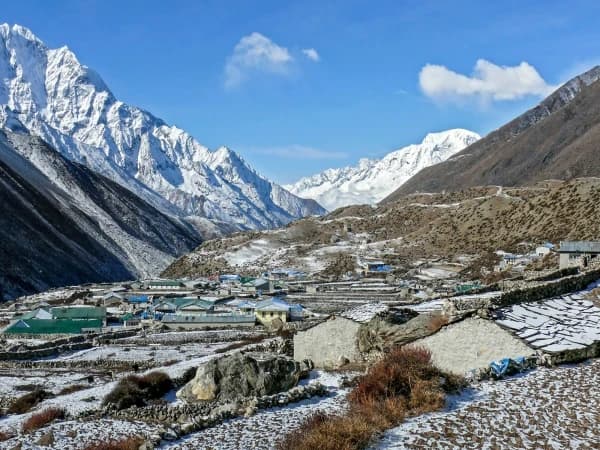
Thamdanda and Surke: The Road Head for Everest Base Camp by Road
Thamdanda is the road head where our Everest Base Camp trek by road starts and ends on foot. How to get there from Phaplu and what the first walk to Paiya is like.
Read More
Poon Hill Trek Permits 2027: ACAP, TIMS, Cost and What You Need
Poon Hill needs two permits: ACAP at NPR 3,000 and a TIMS card at NPR 2,000. Who arranges them, where they are checked, SAARC rates and the 2027 trek prices.
Read More
Mera Peak Climbing Itinerary 2027: 14 Days, Day by Day
Mera Peak in 14 days, night by night. The Hinku valley, a full rest day at Khare, Mera High Camp at 5,780 m, summit day, 2027 prices and the best months.
Read More Chat with Shreejan