
Bad knees, limited mobility, over 70, recovering from surgery: Nepal still has a trek for you. A guide who's adapted itineraries for 20+ years shows you how.
Govt Regd. No.: 147653/072/073
Travel Agency Licence: 2838/072
Accessible Trekking in Nepal: Routes for Every Ability

Short answer: Nepal has walking holidays for many abilities, not only the 12 to 14 day high treks. There are day hikes through terraces at about 1,500 m, gentle short walks with hot showers every night, and helicopter-assisted trips. People with joint replacements, asthma or heart conditions can often trek at their own pace once their doctor agrees. A gentle option is our gentle Nepal tour for seniors.
Accessible Trekking in Nepal: Routes for Every Ability
Last October, a seventy-four-year-old man from Edinburgh stood at the Everest View Hotel at 3,880 metres and looked out at the highest mountain on Earth. He had two artificial knees. He walked with trekking poles on every step. His pace was about half what our itinerary suggested. He didn't care. He'd waited thirty years for that view, and nobody, not his GP, not his family, not the voice in his head that said "you're too old", was going to take it from him.
He's not unusual. Over twenty years of guiding, I've taken people with heart conditions, joint replacements, asthma, prosthetic limbs, and chronic pain into the Nepal Himalayas. Not because they were superhuman. Because Nepal has options that most people don't know about.
My name is Shreejan Simkhada. I'm a third-generation Himalayan guide, and this is the guide I wish existed when people write to me saying "I'd love to trek in Nepal, but..." followed by whatever they think disqualifies them.
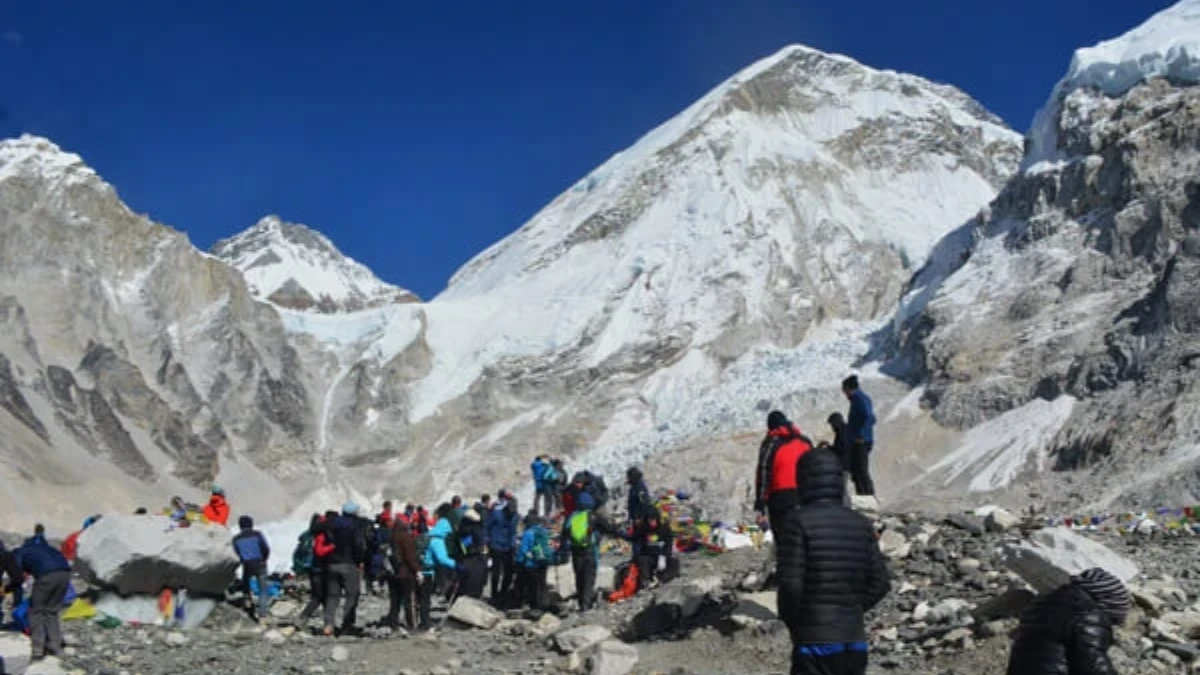
Most of the time, it doesn't.
Which Nepal Treks Are Accessible for All Abilities?
Here's the perception problem. When people think "Nepal trekking," they picture the fourteen-day march to Everest Base Camp. High altitude, long days, serious fitness required. And yes, that trek exists and it's magnificent. But it represents maybe 5% of what Nepal offers walkers.
Nepal has day hikes through rice terraces at 1,500 metres. It has gentle three-day walks with hot showers and comfortable beds every night. It has helicopter-assisted itineraries where you fly to altitude and walk downhill. It has cultural tours through the Kathmandu Valley that barely climb a hill.
The country has trails for every body, every age, and every ability level. You just need someone who knows which trail matches which person.
How Are Nepal Treks Rated by Difficulty?
Level 1: Day Hikes and Cultural Walks (Easy)
These require no previous trek itself, no special fitness, and no altitude acclimatisation. They're suitable for people with limited mobility, those recovering from surgery, older trekkers, and anyone who simply wants to discover Nepal's beauty without a multi-day commitment.
Dhulikhel to Namobuddha Day Hike
This is my go-to recommendation for anyone who isn't sure what they can handle. It's a gentle 4-5 hour walk through terraced farmland, passing through small Newar villages, with views of the Himalayan range on clear days. The altitude stays below 1,700 metres. The trail is well-maintained with no technical sections. We can shorten it by vehicle if needed.
I've done this walk with a trekker who was six months post hip-replacement surgery. We added an extra hour to the schedule, brought a chair for rest stops, and he finished with a smile and a cold beer at the monastery.
Not technically a trek, but it includes walking through ancient temple complexes, Durbar squares, and hilltop viewpoints. Most of the walking is on paved or cobbled surfaces. Steps are the main challenge . Kathmandu's temples love stairs. But every site can be experienced at ground level if stairs aren't possible.
Kathmandu, Pokhara, Chitwan, and Lumbini Tour
This is Nepal without the altitude. Pokhara's lakeside. Chitwan's jungle. Lumbini's Buddhist heritage. Walking is minimal and optional. Perfect for those who want the Nepal experience but can't manage multi-day trekking. We've adapted this tour for wheelchair users, though I won't pretend Nepal's infrastructure makes that easy: it requires planning, patience, and the right vehicle.
Level 2: Short Multi-Day Treks (Moderate-Easy)
Three to five days. Modest altitude. Manageable daily distances with options to shorten each stage.
The classic beginner trek. Four to five days. Maximum altitude 3,210 metres. The sunrise from Poon Hill, with the Annapurna and Dhaulagiri ranges lit up in gold, is one of the finest views in Nepal, and you don't need to climb above 3,500 metres to see it.
The challenge: stone steps. Thousands of them between Tikhedhunga and Ghorepani. For trekkers with knee issues, we reverse the route (descend the steps instead of ascending them) or add an extra day to break the steepest section into two shorter days. We can also arrange a pony for the steepest sections.
Want to see the Everest region without the full Base Camp commitment? This trek takes you to Namche Bazaar at 3,440 metres, the Sherpa capital. It's a taste of the Khumbu. You'll cross the famous Hillary Suspension Bridge, walk through rhododendron forests, and see Everest from the viewpoint above Namche.
Duration is typically five to six days including flights to and from Lukla. The daily distances are short, three to five hours of walking. For trekkers who need extra time, we add rest days in Namche, which has good lodges, bakeries, and even Wi-Fi.
Level 3: Moderate Multi-Day Treks
These require a reasonable level of fitness but can be adapted with extra days, shorter stages, and additional support.
Four to five days, reaching 4,500 metres. Less crowded than Annapurna or Everest routes. The trail is well-marked but steeper in sections. For trekkers with limited stamina, we add a day between Low Camp and High Camp, breaking a demanding section into two comfortable half-days.
Seven to nine days. Maximum altitude 4,984 metres (Kyanjin Ri), though you can skip the summit push and still discover the valley at 3,800 metres. Langtang is gentler than most people expect: the valley itself is relatively flat once you're past the initial climb. For trekkers who find the first two days steep, a jeep can cover part of the approach road.
Seven to twelve days depending on pace. Maximum 4,130 metres. The trail is well-established with excellent tea houses. The main challenge is stone steps in the lower sections and altitude in the upper section. We regularly extend this trek from the standard seven days to ten or eleven for trekkers who prefer a gentler pace.
Level 4: Classic Treks With Adaptations
Everest Base Camp Trek (12 Days)
Yes, even this iconic trek can be adapted. We've taken it from twelve days to sixteen for older trekkers, adding extra acclimatisation days and shortening daily walking distances. For someone who can walk four to five hours a day at a slow pace and handle altitude, EBC is achievable. It requires honest fitness assessment and willingness to go slow.
The full circuit is 12-16 days and crosses Thorong La at 5,416 metres. For trekkers who can't manage the pass, we offer a partial circuit, trekking to Manang (3,519m) and returning, or crossing by vehicle. You still discover the incredible diversity of landscape from subtropical to alpine.
Can I do a Nepal trek with helicopter assistance?
This is where Nepal opens up for people with limited mobility. Helicopter flights can eliminate the most physically demanding sections of almost any trek.
Everest Base Camp Helicopter Tour
Fly directly to Everest Base Camp or Kala Patthar. Land, walk around, take photographs, fly back. The entire experience takes 4-5 hours. No trekking required. No altitude acclimatisation needed (you're at altitude for less than an hour). This is how we've brought trekkers with significant mobility limitations face to face with Everest.
We've also combined helicopter flights with short treks. Fly to Namche, trek for two days at comfortable altitude, fly back. Fly to Lukla, trek to Namche, fly out from Namche. The combinations are flexible.
On the Everest View trek, helicopter can substitute for the Lukla flight or supplement the trek if fatigue builds mid-route. It's the most adaptable option for trekkers who want the Khumbu experience without committing to the full EBC journey.
Can I trek in Nepal in my 60s, 70s or 80s?
Over 60
We see a significant number of trekkers in their sixties. Most manage standard itineraries with minor adjustments. The key factors: cardiovascular fitness, joint health, and altitude tolerance. If you're active at home, walking regularly, some cardio, Nepal is absolutely within reach.
Common adjustments: one or two extra acclimatisation days, slightly shorter daily stages, earlier starts to avoid afternoon heat at lower altitudes, and an extra porter so you carry nothing but a daypack.
Over 70
We've guided dozens of trekkers in their seventies. It requires more planning but it's far from impossible. Medical clearance from a GP is essential. We request a recent ECG and blood work. We discuss medications and altitude interactions in detail.
Mr. Tanaka, 72, completed the Annapurna Base Camp trek with an extended itinerary and extra knee support. Mrs. Chen, 74, walked to Namche Bazaar and spent three days exploring the Khumbu. George from Scotland, 76, did the Kathmandu Valley tour combined with the Dhulikhel day hike and said it was the best holiday of his life.
The oldest trekker I've personally guided was seventy-eight. She did the Poon Hill trek in six days instead of four, with a horse available (but unused) on the steepest section. Her pace was slow. Her determination was anything but.
Over 80
Possible but requires careful planning. We'd recommend day hikes, cultural tours, and helicopter-assisted experiences rather than multi-day trekking. The Kathmandu Valley and Pokhara offer plenty of gentle walking with strong scenery.
Can I trek in Nepal with knee problems, asthma or diabetes?
Knee Problems
The most common concern we hear. Nepal's trails involve a lot of steps, up and down. For trekkers with knee issues, here's what helps:
- Trekking poles: They reduce knee impact by 25-30%. We provide them free on every trek.
- Route selection: Langtang Valley is gentler on knees than Annapurna or Everest routes because the valley floor is relatively flat. Mardi Himal has less staircase work than Poon Hill.
- Descent management: Knees suffer most on downhill. We zigzag on steep descents, shorten steps, and use knee supports when needed.
- Extra days: Breaking long descent days into two shorter ones makes a massive difference.
- Horse or porter assist: On some routes, horses can carry trekkers through the worst descent sections.
Asthma
Generally manageable with proper medication and altitude awareness. Cold, dry air at altitude can trigger asthma, so trekkers should bring their rescue inhaler and a buff or face covering for cold mornings. We carry a backup salbutamol inhaler in our medical kit.
Altitude itself doesn't worsen asthma; in fact, some asthmatics report easier breathing at moderate altitude because air allergens decrease. Above 4,500 metres, the reduced oxygen is the bigger concern, and asthmatic trekkers should plan for extra acclimatisation days.
Heart Conditions
This requires medical clearance without exception. Controlled hypertension, previous cardiac events, and pacemakers all need assessment by a cardiologist familiar with altitude medicine. Some cardiac medications interact with altitude, beta-blockers, for instance, can limit the heart rate increase your body needs at altitude.
For trekkers cleared by their cardiologist, we recommend lower-altitude treks (below 3,500m), shorter daily distances, and helicopter backup available. The Dhulikhel hike, Poon Hill, and the Kathmandu Valley tour are all options.
Post-Surgery Recovery
Timing matters. We generally recommend waiting at least six months after major surgery (knee replacement, hip replacement, cardiac surgery) before trekking. Twelve months for full multi-day treks. Your surgeon's clearance is the starting point, not the final word: we'll discuss terrain specifics with you to make sure the itinerary matches your recovery stage.
Diabetes
Both Type 1 and Type 2 diabetic trekkers have completed Nepal treks with us. The main considerations: blood sugar monitoring at altitude (readings can be affected), insulin storage (cold temperatures affect insulin), and meal timing on long trail days. We work with diabetic trekkers to plan meal stops that match their medication schedule.
How does The Everest Holiday support trekkers with special needs?
Every trekker who tells us about a health condition or physical limitation gets a personal conversation, not a form email. Here's our process:
- Health questionnaire: We send a detailed form covering medical history, current medications, previous trek itself, and fitness level. This isn't paperwork; it's the foundation of your itinerary.
- Custom itinerary design: Based on your answers, we build a route that matches your ability. Extra days, alternative paths, helicopter segments, shorter stages, whatever it takes.
- Guide matching: We assign guides with experience relevant to your condition. A trekker with cardiac concerns gets a guide trained in cardiac first response. A trekker with mobility issues gets a guide who knows every shortcut and gentle alternative on the route.
- Extra support staff: Additional porters to ensure you carry nothing. An assistant guide if needed. A horse on standby for routes where equine support is available.
- Daily monitoring: On treks where health conditions are a factor, our guides check in more frequently: vitals twice daily, symptom tracking, and open communication about how you're feeling.
- Evacuation planning: We pre-identify evacuation points for each day of your itinerary. If something goes wrong, we already know the fastest route to medical care.
- Accommodation upgrades: Where available, we book private rooms with attached bathrooms, ground-floor rooms to avoid stairs, and lodges with better heating.
Which Nepal trek is best for my health condition?
| Condition | Recommended Trek | Key Adaptation |
|---|---|---|
| Knee replacement/arthritis | Langtang Valley, Dhulikhel Day Hike | Flat valley floor, minimal steps, extra days |
| Heart condition (cleared) | Poon Hill, Kathmandu Valley Tour | Below 3,500m, helicopter backup |
| Asthma | Mardi Himal, Annapurna Base Camp | Extra acclimatisation, rescue inhaler, buff for cold air |
| Over 70 | Everest View Trek, Short Namche Trek | Extended itinerary, helicopter assist available |
| Post-surgery (6+ months) | Dhulikhel Day Hike, Poon Hill | Short distances, horse available, extra porter |
| Limited mobility | EBC Helicopter Tour, Kathmandu Valley | Vehicle/helicopter for challenging sections |
| Diabetes | Any (with planning) | Meal timing, medication storage, monitoring |
Which health conditions make high-altitude trekking unsafe?
I won't tell you every trek is possible for every person. That would be irresponsible. Some conditions genuinely preclude high-altitude trekking. Uncontrolled heart failure. Severe COPD. Recent stroke without medical clearance. Active pulmonary conditions. In these cases, I'll say so directly, and I'll suggest alternatives that are safe and still rewarding.
But I will tell you this: the number of people who think they can't trek in Nepal is vastly larger than the number who actually can't. Fear, age, a diagnosis, a surgeon's caution: these create barriers in the mind long before the mountain creates barriers on the ground.
The trail doesn't care how old you are. It doesn't care about your medical history. It's just there, winding through rhododendron forests and prayer-flag passes, waiting. The question isn't whether the mountain will let you in. It's whether you'll let yourself try.
Frequently Asked Questions
Is there a maximum age for trekking in Nepal?
No official maximum age exists. Nepal's government doesn't impose age limits on trekking permits. We assess each trekker individually based on health, fitness, and the specific route. We've guided trekkers in their late seventies on multi-day treks and in their eighties on day hikes. A medical clearance letter from your GP is required for trekkers over 65.
Can I trek with a prosthetic limb?
Yes. We've worked with trekkers who have below-knee prosthetics on both the Poon Hill and Langtang treks. The main considerations are terrain type (rocky vs smooth), prosthetic fit at altitude (limbs can swell), and backup attachment hardware. We plan rest stops more frequently and ensure the trail surface is compatible with your prosthetic. A conversation with us and your prosthetist before booking is essential.
What if I need to stop mid-trek, will I lose my money?
If you need to stop for medical reasons, our priority is getting you safe, not discussing finances. We'll arrange evacuation or transport back to Kathmandu. Regarding costs: our booking terms apply and we do not refund unused trek days ourselves, so your travel insurance should reimburse them. We'll help with insurance documentation. Nobody has ever been penalised for making the right health decision.
Can I bring my own doctor or physiotherapist on the trek?
Absolutely. We've had trekkers bring personal physicians, physiotherapists, and even carers on private treks. We accommodate additional team members in our logistics planning: accommodation, meals, permits. It's more common than you might think, especially for trekkers with complex medical needs.
Are tea houses accessible for people with mobility issues?
Honestly, most are not designed with accessibility in mind. Rooms are often upstairs, bathrooms may be shared and require walking across a courtyard, and doorways can be narrow. On routes where we know a trekker has mobility concerns, we pre-book ground-floor rooms, choose lodges with attached or nearby bathrooms, and our team assists with any physical obstacles. It's not perfect . Nepal's mountain infrastructure is basic, but with planning, it's manageable.
Your Trek Is Waiting
Whatever your body's limitations, Nepal probably has a trail that fits. Not a consolation prize. Not a watered-down version of the "real" experience. A genuine, beautiful, life-changing walk through some of the most extraordinary landscape on the planet.
The only way to find out what's possible is to ask. Tell us what you can do, what you can't, and what you dream of seeing. We'll design the rest.
Let's find your perfect trek:
- WhatsApp: +977 9810351300
- Email: [email protected]
Written by Shreejan Simkhada, third-generation Himalayan guide, founder of The Everest Holiday, and licensed trekking operator (TAAN #1586). Twenty years of adapting Nepal's trails to fit every trekker, not the other way around.
Accessible trekking: yes, it is real. Our Everest Base Camp Trek (12 Days) is private (your group only, no strangers), 2027 dates open, From USD $1399. WhatsApp us for tailored 2027 dates and current departures.
Planning a trip to Nepal?
Drop us your details and tell us what you have in mind. We will put together a personalised plan and get back to you.
Not sure which Nepal trek is right for you?
Take our free 2-minute quiz and get personalised recommendations based on your fitness, experience, and travel style.
Find Your Perfect Trek →Need Help? Call Us+977 9810351300orChat with us on WhatsApp
Latest Travel Blogs
Christmas and New Year Treks from Pokhara 2026/27: 3 to 5 Days
<p>Short treks from Pokhara for Christmas and New Year 2026/27: Panchase 3 days, Poon Hill 4 days and Mardi Himal 5 days. Weather, snow, what is open, and prices by group size.</p>
Read More
Thamdanda and Surke: The Road Head for Everest Base Camp by Road
Thamdanda is the road head where our Everest Base Camp trek by road starts and ends on foot. How to get there from Phaplu and what the first walk to Paiya is like.
Read MorePoon Hill Trek Permits 2027: ACAP, TIMS, Cost and What You Need
Poon Hill needs two permits: ACAP at NPR 3,000 and a TIMS card at NPR 2,000. Who arranges them, where they are checked, SAARC rates and the 2027 trek prices.
Read More Chat with Shreejan