
At four in the morning in a teahouse in Dingboche, the temperature inside your room is minus twelve. The water bottle you left beside your bed has a disc of ice forming on the surface. Your sleeping bag (rated to minus fifteen, and you are grateful for every one of those degrees) is the only warm place in the building. Outside, the sky is a violence of stars. The Milky Way arcs from horizon to horizon with a clarity that does not exist in any other season because there is no dust, no haze, no monsoon moisture between you and the universe.
This is winter trekking in Nepal. Cold in a way that most people from temperate countries have never experienced. Clear in a way that makes every photograph look digitally enhanced. And quiet in a way that peak-season trekkers, fighting for teahouse beds and walking in long queues up the stone steps to Namche, cannot imagine.
Winter is not the easy season. But for trekkers who prepare properly and choose their routes wisely, it may be the most rewarding.
How cold is Nepal in winter at different altitudes?
Nepal does not have one winter. It has several, layered by altitude.
Below two thousand metres (the Kathmandu Valley, the Chitwan lowlands, the approach valleys to most treks), winter is mild. Daytime temperatures in Kathmandu hover between ten and twenty degrees Celsius from December through February. Nights are cool but not cold. This is pleasant travel weather by any standard.
Between two thousand and four thousand metres, the altitude band where most trekking takes place, winter is cold but manageable. Daytime temperatures range from minus five to ten degrees depending on sun exposure and altitude. Trails are dry and firm. The air is crystalline. The mountains stand against skies of such deep, saturated blue that they look painted.
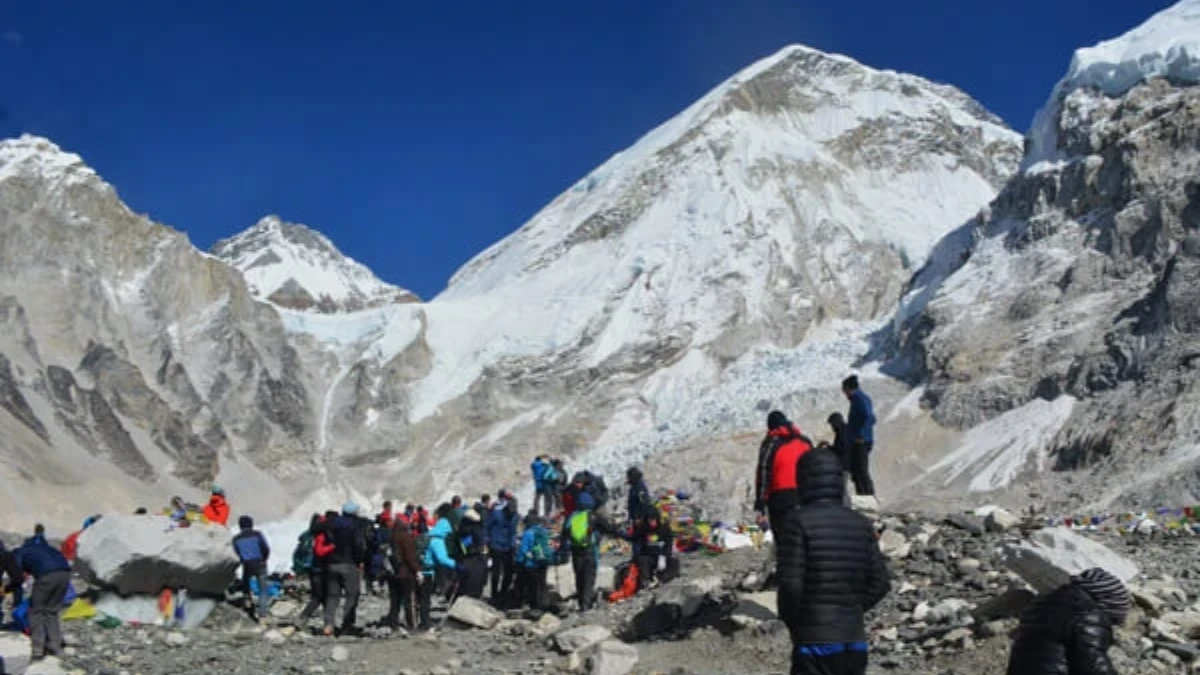
Above four thousand metres, Everest Base Camp territory, Thorong La, the high passes, winter is genuinely harsh. Nighttime temperatures drop to minus fifteen to minus twenty-five. Windchill can push the effective temperature well below that. Some teahouses close for the season. Those that remain open offer the basics, a bed, a meal, a stove in the dining room that everyone crowds around from four in the afternoon until they retreat to sleeping bags.
Which Nepal treks are open and accessible in winter?
Excellent in Winter
Poon Hill at 3,210 metres is the ideal winter trek. The altitude is low enough that cold is inconvenient rather than dangerous. The trail is well-maintained. Teahouses remain open and welcoming. And the views, Dhaulagiri, Annapurna South, Machhapuchhre catching the first light of dawn, are sharper and more vivid than at any other time of year because the winter atmosphere is completely free of the haze that softens peak-season photographs.
Langtang Valley at 3,870 metres maximum is possible and beautiful in December. Snow may be present above three thousand metres, which transforms the landscape into something alpine and clean. The valley is quiet, a handful of trekkers instead of the dozens you would encounter in October. The Tamang communities along the trail are at their most welcoming when visitors are few.
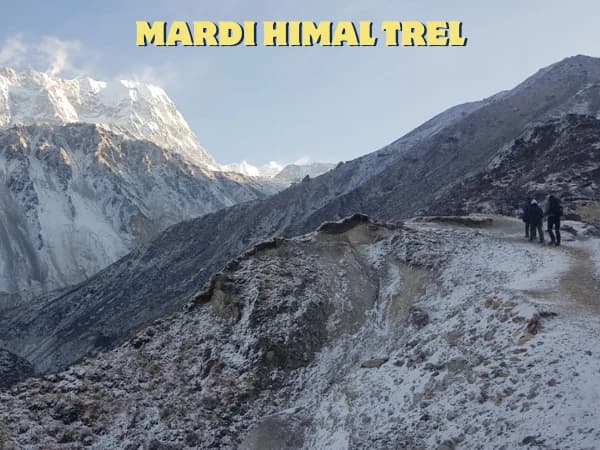
Mardi Himal at 4,500 metres is doable for well-prepared trekkers with proper cold-weather gear. The ridgeline above forest level can be snow-covered, which adds both beauty and difficulty. The views of Machhapuchhre against winter blue sky are among the most extraordinary in the Annapurna region.
Possible but Demanding
Annapurna Base Camp at 4,130 metres is possible in early December and late February but requires serious cold-weather preparation. The sanctuary receives snow, the trail above Deurali can be icy, and the temperatures at base camp are severe. The reward is an empty sanctuary, you may have the mountain amphitheatre entirely to yourself.
Everest Base Camp at 5,364 metres is possible for experienced, fit, and well-equipped winter trekkers. December is the most feasible winter month, January and February are often too cold above four thousand metres. Some teahouses above Namche close in deep winter. The Lukla flight schedule reduces significantly. The cold at Gorak Shep can reach minus twenty-five.
Avoid in Winter
Thorong La Pass on the Annapurna Circuit is frequently closed by snow from December through February. Crossing the pass in winter is dangerous and should only be attempted with verified current conditions and extreme cold-weather experience.
Manaslu Circuit's Larkya La faces similar snow closure risks. The restricted area means fewer teahouses and longer distances between shelter, a critical safety factor when temperatures plummet.
High passes generally, Kongma La, Cho La, Renjo La in the Everest region, are risky in deep winter. Ice on the approach trails and snow on the pass itself create serious hazard for trekkers without mountaineering experience.
What are the real advantages of trekking Nepal in winter?
Solitude is the primary reward of winter trekking and it is impossible to overstate its value. In October, the trail to Everest Base Camp can feel like a crowded highway, queues at suspension bridges, full teahouses, competition for the best rooms. In December, you may walk for hours without seeing another group. The teahouses are yours. The trail is yours. The mountains, which do not change between seasons, are the same mountains, but the thrill of standing before them in silence rather than in a crowd is fundamentally different.
Photography in winter is exceptional. The atmosphere is clean. The light is crisp and directional. Snow on the peaks creates contrast against deep blue sky that peak-season haze softens into pleasant-but-ordinary. The golden hour, sunrise and sunset, lasts longer in winter's lower sun angle, and the shadows it throws across mountain faces reveal texture and form that flat overhead light conceals.
Prices drop. Some companies offer ten to twenty percent seasonal discounts. Teahouses are negotiable on room rates when they have empty beds. Internal flights are less crowded. The entire economic architecture of trekking shifts in your favour when you are one of twenty trekkers on a trail that held two hundred last month.
How cold does it actually feel on a Nepal winter trek?
Above three thousand metres in December, the sun is warm on your face and the shadow is immediately, bitingly cold. Walking in sunshine feels pleasant, fleece weather, maybe a thin down layer in the morning. Walking in shadow, on the north side of a valley or in a forest canopy, feels like someone opened a freezer door and pushed you inside.
The evenings are the challenge. The sun drops behind the ridgeline at three or four in the afternoon and the temperature plummets. Within thirty minutes, the comfortable afternoon becomes a cold evening. Within an hour, it is genuinely cold. By seven in the evening, the only warm places are inside your sleeping bag or pressed against the stove in the teahouse dining room.
The mornings test your commitment. Getting out of a warm sleeping bag into minus-ten air to walk to a freezing bathroom is an act of willpower that never gets easier, even on Day 12. The first thirty minutes of walking are uncomfortable, cold hands, cold feet, cold lungs. Then your body generates its own heat and the day becomes manageable.
This is not hardship for its own sake. It is the trade for empty trails, crystal air, and mountains that feel like they belong to you alone.
What extra gear do you need for winter trekking in Nepal?
Everything on the standard packing list, plus: a heavier down jacket rated for minus twenty or below. A balaclava or second beanie. Chemical hand warmers, the adhesive kind that stick inside gloves. A hot water bottle, fill it with boiling water from the teahouse kitchen at bedtime and put it in your sleeping bag. Thermal flask for hot drinks on the trail. And the most important winter item of all: the willingness to add layers before you feel cold rather than after, because at altitude, once your core temperature drops, recovering warmth takes far longer than maintaining it.
Who Winter Trekking Is For
It is not for everyone. If you are a first-time trekker who has never experienced serious cold, October or November is a better introduction to Nepal. If you dislike cold weather in daily life, you will not suddenly enjoy it at four thousand metres.
Winter trekking is for people who have trekked before and want something different. For photographers who understand what clean winter light does to a landscape. For introverts who crave solitude on the trail. For budget travellers who want the same mountains at lower prices. For experienced cold-weather hikers from Scandinavia, Canada, Scotland, or the Alps who already own the gear and know how to use it.
For these people, winter Nepal is not the consolation season. It is the secret one.
The best winter treks are the Poon Hill Trek and the Everest View Trek, both staying below 4,000 metres. For a warmer option, the Kathmandu-Pokhara-Chitwan Tour skips trekking entirely.
Winter trekking in Nepal is for people who value solitude over comfort. December works. January is pushing it. February is cold but possible. The trails are empty, the skies are crystal clear, and the mountains look their best against the deep blue winter sky. The trade-off is cold nights, some closed teahouses above 4,000 metres, and the constant question of whether your sleeping bag is warm enough. It always is if you packed the right one.
We run winter treks on selected routes. Ask us which ones are safe and comfortable in your travel month.
WhatsApp:+977 9810351300
Email:[email protected]
Written by Shreejan Simkhada, CEO of The Everest Holiday and third-generation Himalayan guide. TAAN Member #1586.
Winter trekking? Poon Hill stays open Dec-Feb. Our Ghorepani Poon Hill Trek (6 Days) is private (your group only, no strangers), 2026 dates open, From USD $499. WhatsApp us for tailored 2026 dates and current departures.

 Chat with Shreejan