
Dolpo is the most remote trekking region in Nepal. It sits behind the Dhaulagiri range in the rain shadow of the Himalayas, where the landscape looks more like Tibet than Nepal and the Bon religion predates Buddhism by centuries. But there are two Dolpos. Upper and Lower, and they offer very different experiences.
How Do Upper and Lower Dolpo Compare?
| Factor | Lower Dolpo | Upper Dolpo |
|---|---|---|
| Duration | 14-18 days | 24-28 days |
| Maximum altitude | 5,190 m (Numa La) | 5,190 m (Numa La) |
| Difficulty | Hard | Very Hard |
| Restricted permit | USD 20/week | USD 500/10 days |
| Daily trekkers | 2-10 | 0-5 |
| Accommodation | Basic teahouses + camping | Mostly camping |
| Shey Phoksundo Lake | Yes (main highlight) | Yes (plus much more) |
| Package cost (budget) | USD 1,800-2,500 | USD 3,500-5,000 |
What Is Lower Dolpo?
Lower Dolpo is the more accessible half of the Dolpo region. The trek typically starts from Juphal airstrip (reached by a short flight from Nepalgunj) and follows river valleys through Tarakot and Ringmo to Shey Phoksundo Lake, one of Nepal's deepest lakes, a turquoise jewel at 3,611 metres surrounded by sheer cliffs and ancient Bon monasteries.
The lake is the centrepiece of the Lower Dolpo trek and one of the most photographed natural features in Nepal. The water is an impossible shade of blue-green, caused by the mineral composition of the lakebed. No fish live in it because the Bon people believe the lake is sacred and have never allowed fishing.
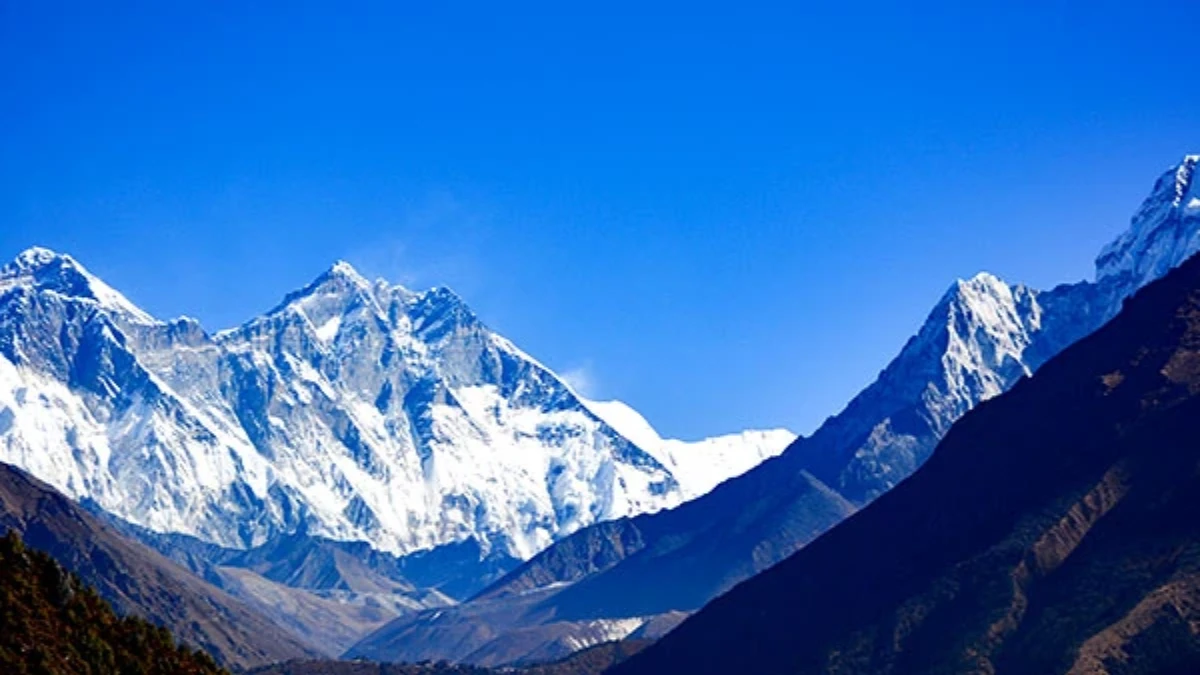
Lower Dolpo crosses two high passes, Numa La (5,190 m) and Baga La (5,070 m), making it physically challenging despite the "lower" name. The passes are serious mountain crossings that require proper acclimatisation and sometimes crampons. The villages between them, Ringmo, Phoksundo and Saldang, are among the most isolated permanent settlements in Nepal.
What Is Upper Dolpo?
Upper Dolpo extends beyond Lower Dolpo into the inner valleys near the Tibetan border. This is the region Peter Matthiessen wrote about in "The Snow Leopard", a place so remote that the Bon religion survives here in its most intact form, the people trade salt with Tibet by yak caravan, and the landscape is an endless series of arid valleys and high plateaus that look like they belong on another planet.
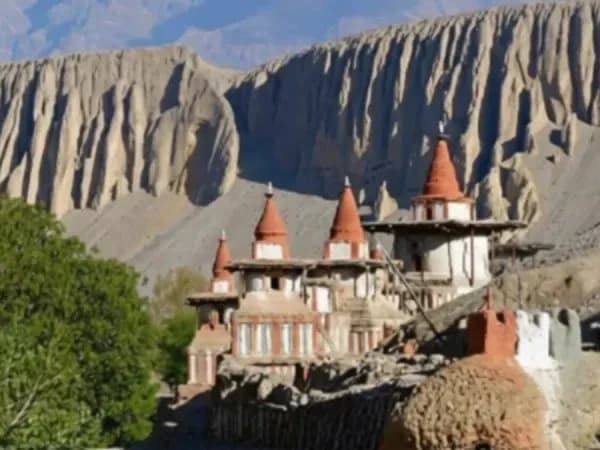
The Upper Dolpo trek includes everything in Lower Dolpo plus the extended route through Shey Gompa (the Crystal Mountain monastery that Matthiessen sought), Saldang, Namgung, and the inner valleys where the culture has not changed in centuries. The people here speak Tibetan dialects, wear traditional clothing, and practise polyandry (multiple brothers sharing one wife) as an adaptation to harsh conditions.
Upper Dolpo is essentially camping throughout. There are no teahouses beyond the Lower Dolpo corridor. Your agency provides tents, a cook, kitchen crew, and pack animals. The logistics are complex and expensive, everything must be carried in from Juphal, and resupply is not possible once you pass Phoksundo Lake heading north.
Which Trek Is Harder?
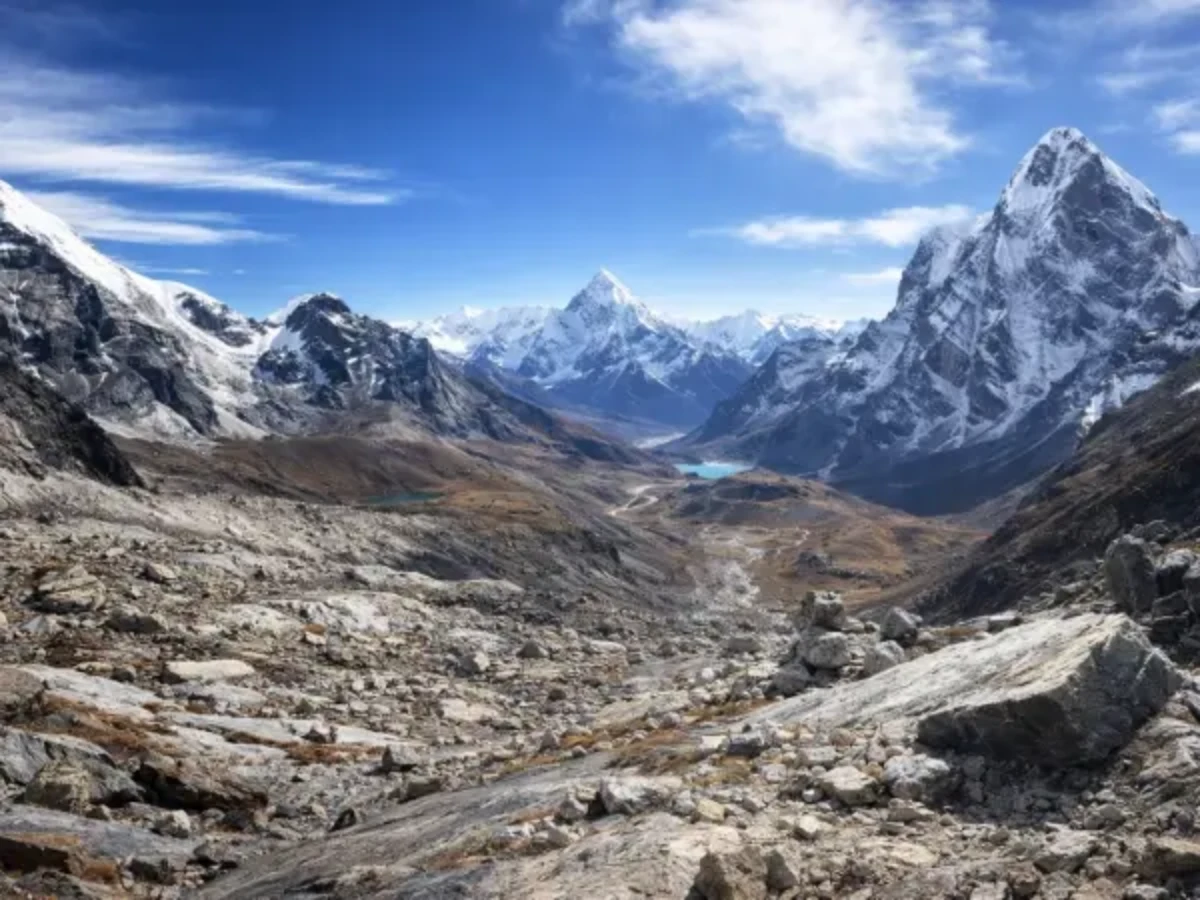
Both are hard. Lower Dolpo is a serious restricted-area trek with two 5,000-metre passes, basic accommodation, and limited rescue options. It ranks among the ten hardest standard treks in Nepal.
Upper Dolpo is one of the hardest treks available anywhere. The duration alone, twenty-four to twenty-eight days above 3,500 metres, much of it above 4,000 metres, is exhausting. The terrain is rough, the weather is unpredictable, and the isolation is absolute. There is no helicopter rescue above Phoksundo Lake in most conditions. If something goes wrong, you walk out or wait.
Lower Dolpo requires strong trekking fitness. Upper Dolpo requires expedition-level fitness and mental resilience for extended isolation.
How Much Do the Treks Cost?
Both Dolpo treks are expensive. The Upper Dolpo restricted area permit is USD 500 for the first ten days and USD 50 per additional day, so a twenty-eight-day Upper Dolpo trek carries USD 1,400 in permit fees. Lower Dolpo is far cheaper: USD 20 for the first week and USD 5 per day after that, about USD 55 for fourteen days.
Lower Dolpo packages start at USD 1,800 to 2,500 per person including guide, porter, permits, flights to Juphal, meals, and accommodation. Upper Dolpo packages start at USD 3,500 to 5,000 because of the longer duration, camping logistics, and additional staff (cook, kitchen crew, pack animals).
Add international flights to Nepal (USD 400-1,200), the domestic flight from Kathmandu to Nepalgunj (USD 100-150), and personal gear. Total cost from the UK: Lower Dolpo approximately USD 3,000 to 4,000. Upper Dolpo approximately USD 5,000 to 7,000.
What About the Snow Leopard?
Dolpo is one of the best places in Asia to see a snow leopard. The inner valleys of Upper Dolpo, particularly around Shey Gompa and the Saldang corridor, are prime habitat. Sightings are rare but they happen, typically in December to February when the leopards descend to lower altitudes following blue sheep herds.
If seeing a snow leopard is your primary goal, a dedicated wildlife trek with a local naturalist guide in December gives you the best odds. The trekking season overlaps poorly with snow leopard season, so most trekkers do not see one. But knowing they are there, watching your camp from a ridgeline, adds a dimension to Upper Dolpo that no other trek in Nepal offers.
Which Trek Should You Choose?
Choose Lower Dolpo if you want to see Shey Phoksundo Lake, experience the Bon culture, cross serious high passes, and do it in two to three weeks. This is already one of the most remote and rewarding treks in Nepal.
Choose Upper Dolpo if you have a month, you want an expedition-style experience, you are drawn to extreme isolation, and you want to walk through a landscape and culture that feels like the last century. This is the closest thing to exploration that Nepal still offers.
Choose Lower Dolpo first if you are uncertain. The lake alone justifies the trip, and if it leaves you wanting more, Upper Dolpo will be waiting.
When Is the Best Time to Trek Dolpo?
September to November is the primary season. The rain shadow behind Dhaulagiri means Dolpo receives less monsoon rain than the rest of Nepal, but the trails are still wet and the passes can be snow-covered until late September. October is the sweet spot, clear skies, manageable temperatures, and the passes are open.
May to June is the secondary season. Spring brings warmer temperatures and wildflowers in the lower valleys, but the high passes can still have residual winter snow. Late May is generally safe for the Numa La and Baga La crossings.
Winter (December to February) is possible for Lower Dolpo but extremely cold and the passes may be blocked. Upper Dolpo is not recommended in winter for anyone except experienced mountaineers.
Contact us to plan a Dolpo trek. Both routes require advance permit applications and flight bookings to Juphal.
WhatsApp:+977 9810351300
Email:[email protected]
Written by Shreejan Simkhada, CEO of The Everest Holiday and third-generation Himalayan guide. TAAN Member #1586.
Upper vs Lower Dolpo? Start with Lower Dolpo Circuit. Our Lower Dolpo Circuit Trek (15 Days) is private (your group only, no strangers), 2027 dates open, From USD $1199. WhatsApp us for tailored 2027 dates and current departures.
 Chat with Shreejan