Why Bardiya beats Chitwan for wildlife. Bengal tigers, rhinos, dolphins, 400+ bird species. What a 3-day safari includes, best season, how to get there, and combined trek-safari itineraries.
Govt Regd. No.: 147653/072/073
Travel Agency Licence: 2838/072
Tiger Safari in Bardiya National Park: Nepal Wildlife Beyond Chitwan

Why Bardiya Instead of Chitwan?
Most tourists go to Chitwan National Park for their Nepal wildlife experience. It is more accessible, closer to Kathmandu and Pokhara, and has better-developed tourist infrastructure. So why should you consider Bardiya instead?
Because Bardiya has more wildlife and fewer tourists. It is that simple. Bardiya National Park is Nepal's largest protected area in the Terai, covering 968 square kilometres of sal forest, grassland, and riverine habitat. It has the highest density of Bengal tigers in Nepal, a healthy population of one-horned rhinoceros, wild elephants, and Gangetic dolphins in the Karnali River. And on any given day, you might be the only visitor on the jungle trail.
Chitwan receives over 200,000 visitors per year. Bardiya receives roughly 10,000. The wildlife notices the difference.
What Animals Can You See?
Bengal tiger: Bardiya has an estimated 125+ tigers in the greater Bardiya-Banke landscape. Sighting rates are higher than Chitwan because the park is less disturbed and the tigers are more relaxed around vehicles and walking groups. A 3-night safari gives you roughly a 40 to 50 percent chance of seeing a tiger, better odds than most parks in India.
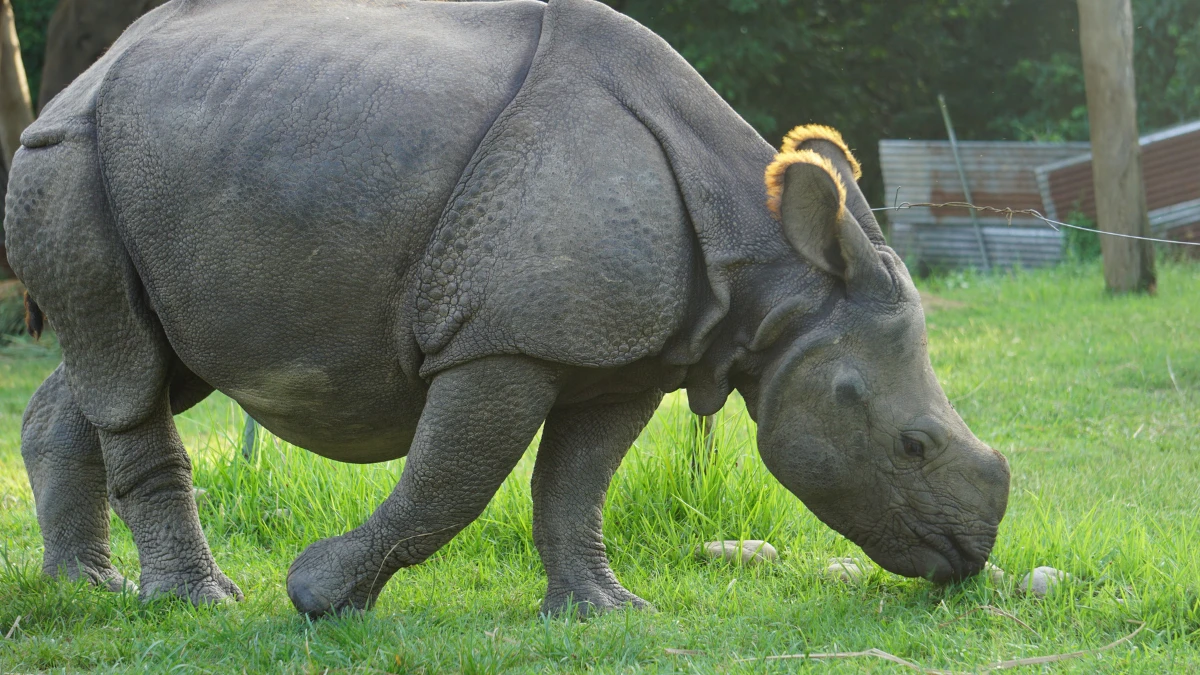
One-horned rhinoceros: Reintroduced to Bardiya after being hunted to local extinction, the rhino population is growing. Sightings are common in the grasslands near the Karnali River, especially during morning jeep safaris.
Wild elephant: Small herds cross the Karnali River seasonally. Sightings are not guaranteed but possible, particularly from October to March.
Gangetic dolphin: The Karnali River hosts one of the last populations of this endangered freshwater dolphin. Boat trips on the river almost always produce sightings, because they surface regularly to breathe.
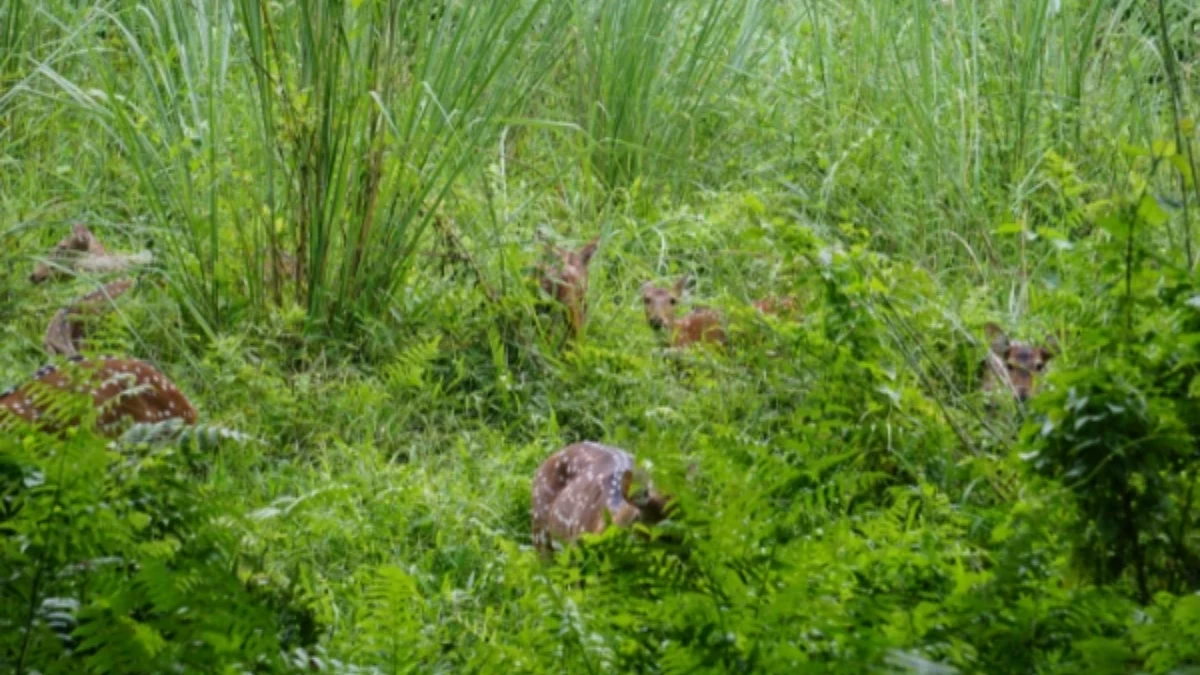
Other wildlife: Spotted deer, sambar, wild boar, langur monkeys, mugger crocodiles, gharial (fish-eating crocodile), over 400 bird species including Bengal florican, sarus crane, and multiple kingfisher species.
What Does a Bardiya Safari Include?
A typical 3-day Bardiya safari includes:
Jungle walks: Walking safaris with a trained naturalist guide through sal forest and grassland. You move quietly in small groups (2 to 6 people), tracking tiger pugmarks, listening for deer alarm calls, and scanning the undergrowth. This is the most intimate way to experience the jungle, and the most likely way to spot tigers, which often ignore quiet walkers but flee from vehicles.
Jeep safaris: Open-top 4x4 drives through the park's network of dirt tracks. Best for covering distance and scanning large grassland areas. Morning and late afternoon drives are most productive when animals are active.
Boat trips: Drifting down the Karnali River watching for dolphins, crocodiles, and waterbirds. Peaceful and surprisingly productive, because the riverbanks are a wildlife corridor.
Tharu cultural experience: The Tharu people are the indigenous inhabitants of the Terai lowlands. Their stick dance performances and traditional homes are a cultural highlight that safaris in India do not offer.
Elephants: We do not sell elephant-back safaris or breeding-centre visits, anywhere. Reviews and Nepali media reports describe calves kept chained and swaying on the spot, a recognised sign of distress, so we keep it off our itineraries. Our wildlife days are jeep, dugout canoe and jungle walk on foot.
When Is the Best Time to Visit?
October to March: Peak safari season. Dry weather means animals congregate around water sources, making them easier to spot. Grass is shorter after the monsoon dies back, improving visibility. October and November are warm (25 to 30°C). January and February are cooler (15 to 25°C) and the best months for tiger sighting because the grass is at its shortest.
April to June: Hot (35 to 40°C) but excellent for wildlife. Animals are concentrated around the few remaining water sources. Tiger sighting rates are actually highest in this period, but the heat is punishing.
July to September: Monsoon. The park floods, many roads are impassable, and most lodges close. Not recommended.
How Do You Get to Bardiya?
Bardiya is in far-western Nepal, roughly 585km from Kathmandu by road. Options:
Domestic flight: Fly Kathmandu to Nepalgunj (45 minutes), then drive 2 hours to Bardiya. This is the fastest option and the one we recommend.
Overnight bus: Kathmandu to Bardiya takes 12 to 14 hours on a tourist bus. Cheaper but exhausting. Better option: break the journey in Pokhara or Lumbini.
Combined itinerary: Many of our guests combine Bardiya with a trek. The typical route: trek in the Annapurna region, bus to Pokhara, fly to Nepalgunj, safari in Bardiya, fly back to Kathmandu. This gives you mountains and jungle in a single trip.
How Much Does It Cost?
Bardiya is excellent value compared to African safaris or premium Indian parks. A 3-day, 2-night safari including accommodation, meals, park entry, guide, jeep safaris, jungle walks, and boat trip costs significantly less than a comparable experience in Ranthambore or Masai Mara.
Our packages include transport from Nepalgunj, accommodation in a safari lodge, all meals, park entry fees, an experienced naturalist guide, and all safari activities. Contact us for current pricing.
Can You Combine Bardiya with Trekking?
Absolutely, and we recommend it. Nepal is one of the few countries where you can trek to 5,000m in the Himalayas and track tigers in subtropical jungle within the same trip. Common combinations:
EBC + Bardiya: 12-day EBC trek, fly to Kathmandu, fly to Nepalgunj, 3-day Bardiya safari. Total: 17 to 18 days.
Annapurna + Bardiya: 9-day ABC trek, bus to Pokhara, fly to Nepalgunj, 3-day Bardiya safari. Total: 14 to 15 days.
Poon Hill + Bardiya: 5-day Poon Hill trek, 3-day Bardiya safari. Total: 10 days. Ideal for travellers with limited time who want both mountains and wildlife.
WhatsApp us to discuss combined itineraries. We build custom trips that connect trekking, safari, and cultural experiences across Nepal.
Bardiya tigers: quieter than Chitwan. Our Bardiya, Lumbini & Chitwan Tour (12 Days) is private (your group only, no strangers), 2027 dates open, From USD $1249. WhatsApp us for tailored 2027 dates and current departures.
Planning a trip to Nepal?
Drop us your details and tell us what you have in mind. We will put together a personalised plan and get back to you.
Not sure which Nepal trek is right for you?
Take our free 2-minute quiz and get personalised recommendations based on your fitness, experience, and travel style.
Find Your Perfect Trek →Need Help? Call Us+977 9810351300orChat with us on WhatsApp
Latest Travel Blogs
Trekking in Nepal in September 2027: Weather, Best Treks and Departures
Plan a September 2027 trek in Nepal: monsoon-tail weather, why Upper Mustang works, which treks to avoid and our departures on 6, 13, 20 and 27 September.
Read More
Trekking in Nepal in March 2027: Weather, Best Treks and Departures
Plan a March 2027 trek in Nepal: weather figures, the treks that suit the month, crowds, festivals and our departures on 8, 15, 22 and 29 March.
Read More
Trekking in Nepal in April 2027: Weather, Best Treks and Departures
Plan an April 2027 trek in Nepal: weather figures, the treks that suit the month, crowds, the Manthali flights and our departures on 5, 12, 19 and 26 April.
Read More Chat with Shreejan