
The Everest Base Camp trek costs $1,399 or it costs $4,999 or it costs somewhere in between, and the mountain at the end is the same mountain. The trail is the same trail. The altitude is the same altitude. Kala Patthar at sunrise does not care what you paid. So what, exactly, does the price difference buy?
The answer is not better views. It is not a shorter trail or an easier altitude profile or a secret route that avoids the crowds. The answer is comfort, service, and the specific quality of experience between the walking hours: the hours in the teahouse, the hours eating, the hours sleeping, and the hours being managed by a team whose size and attentiveness scale with the price you paid.
For some trekkers, the budget trip is not just sufficient but preferable: simpler, more authentic, closer to the mountain adventure as it has always been. For others, the premium experience transforms the trek from an endurance test into an adventure that is physically demanding but logistically comfortable. Neither is wrong. Understanding the difference before you book prevents both overspending and under-preparation.
Standard vs luxury Everest Base Camp: what the price actually buys
- Cost (per person, 2027): budget from $1,399, standard $2,785, luxury $4,999; same 12-day route, same mountain.
- What scales with price: sleep quality, food variety, guide-to-trekker ratio and included extras (hot showers and charging). The view from Kala Patthar (5,545 metres) is identical at every tier.
| Tier | From (per person) | What you get |
|---|---|---|
| Budget | $1,399 | Twin-share teahouses, shared bathrooms, group guide, no porter so you carry your own pack, and meals on the trail paid as you go. |
| Standard | $2,499 | Private twin-share rooms, all meals, one porter for every two trekkers, one guide for up to six trekkers, best value for money. |
| Luxury | $4,999 | Premium lodges, private bathrooms where available, one guide for every two trekkers, your own porter, hot showers. Kathmandu hotels are quoted separately. |
Prices per person in USD, updated for 2027. Full tier comparison on the Everest Base Camp Trek (12 Days) page.
How much does a luxury Everest Base Camp trek cost?
Our Luxury Everest Base Camp trek (12 days) starts from USD 4,999 per person. For that you get a round-trip helicopter between Kathmandu and Lukla, your own porter (one for every trekker), a guide for every two trekkers, all meals with fruit and nuts, tea, coffee, cold drinks and mineral water whenever you want them, and private deluxe rooms with attached bathrooms where available. Hot showers, device charging and bed heaters are paid for, and so are the Sagarmatha National Park permit, the Khumbu local fee and TIMS. Your Kathmandu hotel is not part of the trek price, so we quote it separately. Standard is from USD 2,785 and Budget from USD 1,399. The full breakdown is in our luxury Everest Base Camp guide. Related: Best Teahouses on the Everest Base Camp Trek: Where to Stay Each Night.
What Is the Difference Between Standard and Luxury EBC Lodges?
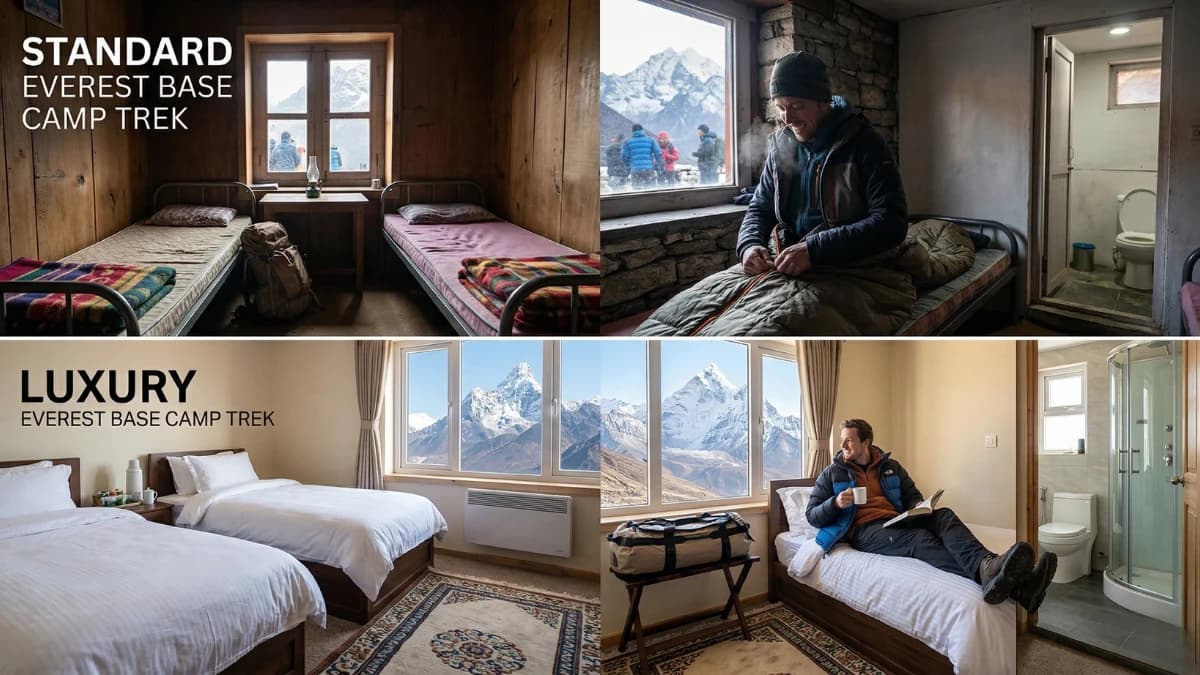
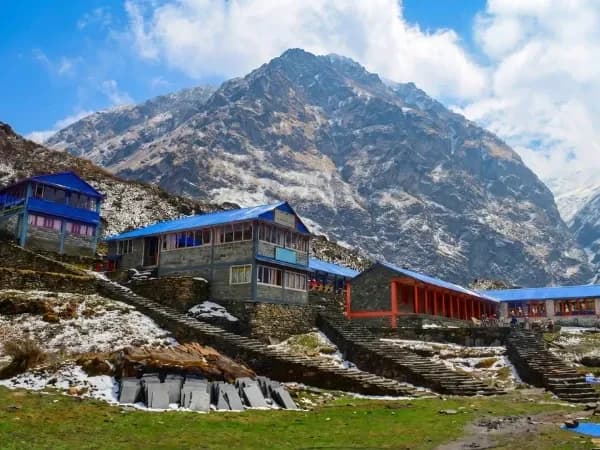
Budget/Standard: Teahouse accommodation in twin-share rooms. Two beds (usually single), thin mattresses, a pillow, and blankets. Walls are plywood or thin stone. No heating in the room. Shared bathroom: squat toilet down the hall, cold water only above Namche. The rooms are clean but basic. At higher altitudes (Lobuche, Gorak Shep), the rooms are smaller, colder, and the walls do less to separate you from the sounds of your neighbours coughing, snoring, and unzipping sleeping bags at three in the morning.
This is the standard EBC trek and it is the trip that the vast majority of trekkers have. It is not uncomfortable in the way that camping is uncomfortable: you have a roof, walls, a bed, and access to a stove in the common room. It is uncomfortable in the way that budget travel is uncomfortable: basic, functional, and occasionally testing your tolerance for cold, noise, and limited personal space.
Luxury: The best available teahouse rooms at each stop, booked in advance to guarantee availability. At lower altitudes (Namche, Tengboche), this means larger rooms, thicker mattresses, and, at some properties, ensuite bathrooms with hot water and heated rooms. At higher altitudes, the "best available" is still basic by any international standard, but the difference between the best room and the standard room at Gorak Shep is meaningful, a slightly larger space, a slightly thicker mattress, and sometimes a location further from the kitchen noise and the common room traffic.
Some premium packages include lodges that have been built specifically for higher-end trekkers, properties at Namche, Tengboche, and Dingboche that offer private bathrooms, heating, and a standard of finish that approaches mid-range hotel quality. These properties are limited, available only at certain stops, and book out quickly in peak season.
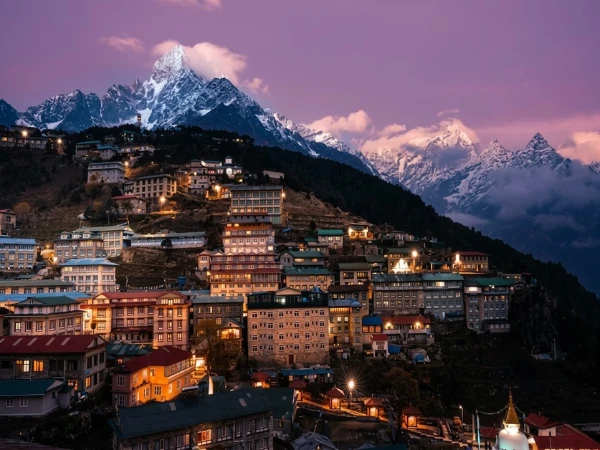
The honest assessment: below Namche, the accommodation difference is significant. Above Dingboche, the difference narrows because the infrastructure at extreme altitude limits what any teahouse can offer. At Gorak Shep (5,164 metres), everyone is cold, everyone sleeps poorly, and the room quality matters less than the sleeping bag you brought. Related: Camping vs Teahouse Trekking in Nepal: Which Is Right for You?
Is the food better on a luxury Everest Base Camp trek?
Budget: Meals are not included. You order and pay at the teahouses yourself as you walk, and the prices climb with the altitude. Standard: All meals included. The teahouse menu is the teahouse menu, dal bhat (rice with lentil soup and vegetables, refills free), noodle soup, fried rice, chapati, porridge, eggs, pancakes, and variations thereof. The food is good, filling, and safe (cooked to order at high temperatures). The menu narrows with altitude, above Lobuche, expect dal bhat and basic noodle dishes as the primary options. Portion sizes are generous, particularly for dal bhat.
The limitation is variety. After seven days of dal bhat, noodle soup, and fried rice, your palate may revolt. The menu at Gorak Shep is the same menu as at Namche, minus the fresh vegetables that cannot be carried to 5,000 metres. This repetition is the universal complaint of budget EBC trekkers, and it is legitimate, but it is also the authentic mountain eating experience, shared by guides, porters, and locals who eat dal bhat twice daily for their entire lives.
Luxury: All meals included, plus fruit, nuts and soft drinks, and you stay at the best teahouse available at each stop, which usually has the widest menu.
At higher altitudes, the food difference diminishes for the same reason as the accommodation difference, the logistics of providing fresh ingredients at 5,000 metres limit what any package can offer. Luxury packages may include energy supplements, snack packs, and thermos-prepared hot drinks on the trail, which add comfort to the walking hours.
The most valued food upgrade, according to trekkers who have done both, is not the teahouse menu but the trail snacks and hot drinks. A guide who produces a thermos of hot lemon and honey at a cold rest stop at 4,500 metres provides a luxury that no restaurant menu can match.
What guide and porter ratio does an EBC trek include?
Budget/Standard: Budget has one guide for your group, with an assistant guide added for eight or more trekkers. Standard has one guide for up to six trekkers, with an assistant guide added for seven or more, and includes one porter per two trekkers, carrying a maximum of twenty kilograms per porter, which is ten kilograms each (a solo Standard trekker has no porter, so the guide carries up to ten kilograms instead); Budget has no porter, so you carry your own bag. Every guide is English-speaking and Nepal government-trained. The service is professional and attentive but divided among the group members.
Luxury: One guide for every two trekkers, with an additional assistant guide for every two additional trekkers. One porter per trekker rather than per two trekkers, reducing the load per porter and increasing the amount of personal gear you can send with the porter.
The practical difference of a higher guide ratio is more personalised attention, more time discussing the landscape, the culture, and the altitude physiology. A guide serving a larger group divides their attention. A guide serving one or two trekkers provides an immersive, conversational trip that transforms the trek from a guided walk into a learning journey.
What extras are included on a luxury EBC trek?
Budget: Accommodation, guide, permits and transport. No porter, so you carry your own pack, and no meals on the trail, so you order and pay at the teahouses as you walk. Everything else is additional: hot drinks, charging, hot showers, Wi-Fi.
Standard: The same, plus every meal on the trek and one porter shared between two trekkers. Beyond that the extras are still additional cost: hot drinks between meals, charging devices, hot showers, Wi-Fi.
Luxury: Many of the extras are included or pre-arranged. Charging facilities for devices. Hot showers at every stop where available. Private airport transfers. Welcome and farewell dinners at quality restaurants. Some packages include a professional photographer for a day or two, a satellite phone for personal use, or a celebratory cake at base camp (this last item is more common than you might expect and more appreciated than you might imagine).
Some luxury operators offer helicopter transfers for specific sections, flying from Lukla to Namche (or vice versa) to reduce walking time, or offering a scenic helicopter flight over the Khumbu as a post-trek add-on. These are significant upgrades that fundamentally change the logistics and the schedule.
What does a pricier Everest Base Camp trek actually buy?
After all the specifics, the differences between budget and premium EBC treks reduce to three essentials:
Sleep quality. Better rooms, better mattresses, and (where available) heated rooms mean better sleep. At altitude, where sleep is already compromised by reduced oxygen, the marginal improvement from a better room is disproportionately valuable. A trekker who sleeps slightly better has more energy, better mood, and stronger cognitive function the next day. Over twelve days, the cumulative effect of slightly better sleep is significant.
Personal attention. A guide who serves one or two trekkers rather than six or eight provides a qualitatively different feel. More conversation. More cultural context. More flexibility in the itinerary. More responsiveness to individual needs. The mountain trip is the same, but the human experience, the relationship with your guide, the stories shared, the pace built for your body, is markedly richer.
Cognitive load. The premium trekker thinks about walking and looking at mountains. The budget trekker thinks about walking, looking at mountains, and also about where to charge their phone, whether the room will be warm enough, whether the food will be different tonight, and a dozen other logistical micro-decisions that individually are trivial but collectively consume mental energy that could be spent on the see itself.
Should I pick a budget, standard, or luxury EBC trek?
Choose budget if: you are a backpacker at heart, you enjoy the simplicity of basic accommodation, you are comfortable with repetitive menus, you are travelling with a group and want the social feel of a shared guide, or your budget genuinely cannot stretch to premium. The budget EBC trek is the authentic teahouse trip that hundreds of thousands of trekkers have enjoyed. It is not a compromised version of the premium trek, it is the original version.
Choose standard if: you want all the essentials covered without overspending, you are comfortable with shared rooms but want good guide quality and proper logistics, and you are looking for the best value for money. Standard packages from reputable companies deliver excellent experiences at a fair price.
Choose premium if: this is the trip of a lifetime and you want it to be as comfortable as possible, you value personal attention and a high guide ratio, you sleep poorly at the best of times and want every advantage at altitude, you are celebrating a special occasion (honeymoon, milestone birthday, retirement), or you are a first-time trekker who wants maximum support for an unfamiliar experience.
Choose luxury if: budget is not a constraint and you want the finest available stay at every point. Luxury EBC packages deliver a standard of service that approaches (but cannot equal, given the altitude constraints) a guided safari itself, everything anticipated, everything managed, everything designed to let you focus entirely on the mountain.
Is a luxury Everest Base Camp trek worth the cost?
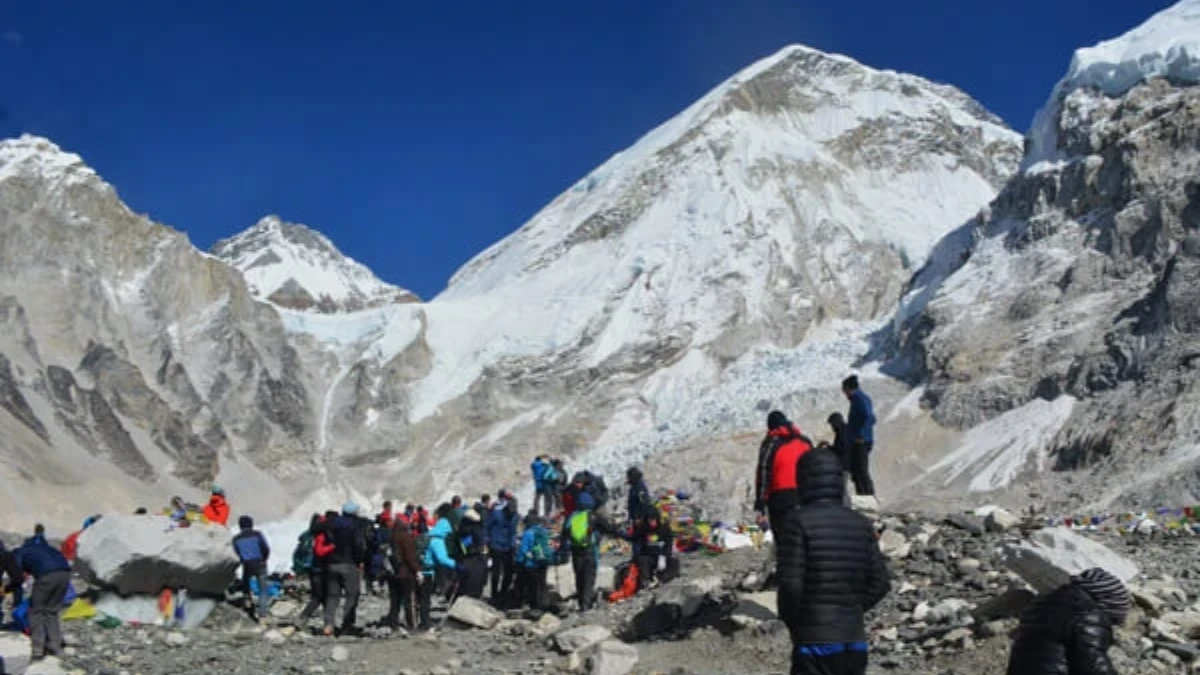
Kala Patthar at sunrise is the same at every price point. The golden light touches Everest's summit at the same moment for the budget trekker and the luxury trekker. The thin air is identically thin. The emotion, the specific, physical, hard-earned emotion of standing at 5,545 metres and watching the highest mountain on earth ignite with dawn, is available to everyone who walks there, regardless of what they paid.
The price difference buys comfort on the way to that moment and on the way back. It buys sleep, food, warmth, and attention. It does not buy the moment itself. The moment is earned with legs and lungs, and its value is determined not by the package you booked but by the effort you made to stand where you are standing.
Choose the package that fits your budget, your priorities, and your tolerance for cold rooms and dal bhat. Then walk. The mountain is waiting, and it does not check your receipt.
Compare our Budget, Standard, and Luxury tiers on the EBC Trek page.
Standard gets you there and back safely with good food and clean rooms. Luxury gets you there and back safely with private rooms, better food, hot showers that actually work, and a porter ratio that means your bag appears in your room before you do. Both see the same mountains. The difference is how comfortable you are when you look at them.
We offer Standard and Luxury options on our Everest Base Camp Trek. Check the tier comparison on the package page or ask us to explain the differences.
WhatsApp:+977 9810351300
Email:[email protected]
Written by Shreejan Simkhada, CEO of The Everest Holiday and third-generation Himalayan guide. TAAN Member #1586.
Standard or Luxury in 2027?
All three tiers hold their price for 2027 departures. The one moving part is the helicopter on the Luxury tier: operators set their rates each season, so we confirm the heli figure when you book rather than promise it from this page. Everything else in the comparison above stays as written.
Standard vs Luxury EBC? Both same itinerary, room upgrade. Our Everest Base Camp Trek (12 Days) is private (your group only, no strangers), 2027 dates open, From USD $1,399. WhatsApp us for tailored 2027 dates and current departures.

 Chat with Shreejan