Complete guide to wildlife photography in Nepal. Bardiya, Chitwan, Koshi Tappu, and Langtang. Camera gear, best season, walking vs jeep safari, and combined trek-safari itineraries.
Govt Regd. No.: 147653/072/073
Travel Agency Licence: 2838/072
Nepal Wildlife Photography Guide: Where to Shoot Tigers, Rhinos, and 900 Bird Species

Is Nepal Good for Wildlife Photography?
Nepal is extraordinary for wildlife photography, and most photographers do not know it. The country is better known for mountain trekking, but its lowland national parks hold Bengal tigers, one-horned rhinos, wild elephants, gharial crocodiles, and over 900 bird species across an area smaller than most US states. The combination of mega-fauna density, accessible parks, and dramatically varied habitats makes Nepal one of the most underrated wildlife photography destinations in Asia.
What makes Nepal different from India or Africa is intimacy. The parks are smaller, the visitor numbers are lower, and the walking safaris put you closer to animals than a jeep ever will. Some of the most compelling tiger images in recent years have come from Bardiya and Chitwan, shot by photographers who had the jungle largely to themselves.
Where Should You Go?
Bardiya National Park: The top choice for serious wildlife photographers. Bardiya has Nepal's highest tiger density, a growing rhino population, Gangetic dolphins, and over 400 bird species. The park receives a fraction of Chitwan's visitors, which means less-disturbed wildlife and more natural behaviour. Walking safaris in Bardiya put you within 20 to 50 metres of large mammals, close enough for portrait-quality shots with a 200-400mm lens.
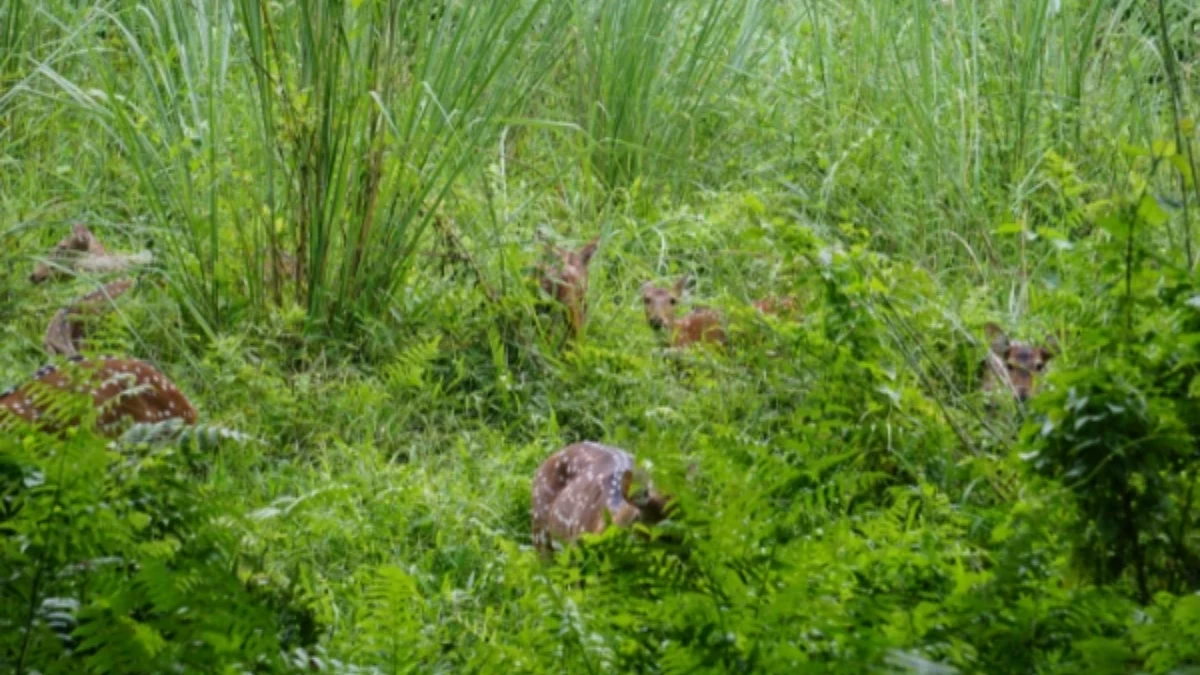
Best subjects: Bengal tiger (40-50% sighting rate on a 3-night stay), one-horned rhino, gharial crocodile, spotted deer herds, wild boar, and a spectacular variety of raptors and waterbirds.
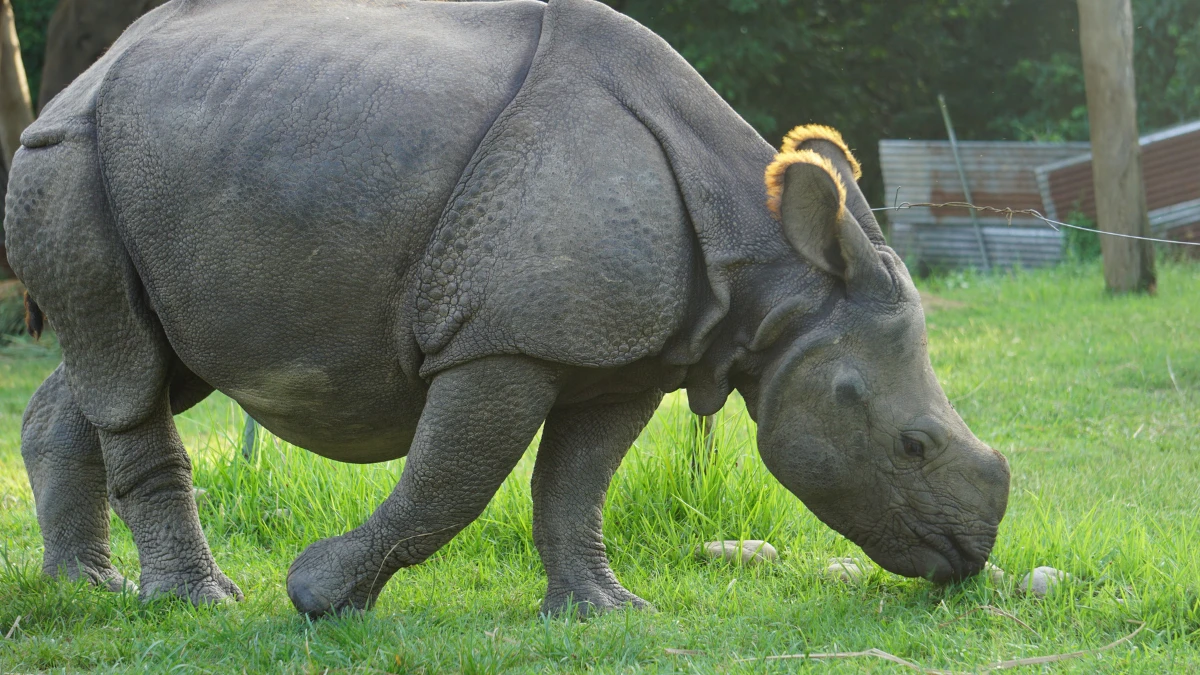
Chitwan National Park: More accessible (easier to reach from Kathmandu and Pokhara) and better-developed tourist infrastructure. Chitwan has excellent rhino sighting rates, almost guaranteed on a 2-day visit. Tiger sightings are lower than Bardiya because the park is busier, but the rhino encounters and bird photography opportunities are outstanding.
Best subjects: one-horned rhino (near-guaranteed), mugger crocodile, gharial, sloth bear (rare but present), kingfisher species, and Bengal florican (critically endangered).
Koshi Tappu Wildlife Reserve: Nepal's premier birding destination. Located in the eastern Terai, Koshi Tappu sits on the Koshi River floodplain and hosts over 500 bird species, including migratory waterfowl from Central Asia. During October to March, the reserve is a birding paradise: egrets, herons, storks, ibis, and raptors in enormous numbers.
Best subjects: wild water buffalo (one of the last populations in Nepal), migratory waterfowl, swamp francolin, Bengal florican, and a extraordinary variety of wading birds.
Langtang National Park: For mountain wildlife rather than lowland species. Red panda (rare but present), Himalayan tahr, musk deer, and snow leopard (extremely difficult, more of a lifetime goal than a trip objective). The forests between Syabrubesi and Lama Hotel are red panda habitat.
What Camera Gear Should You Bring?
Body: A fast-autofocus body with good high-ISO performance. Wildlife encounters happen quickly, often in shade or low light. Full-frame sensors give you an advantage in the dense sal forest of Bardiya and Chitwan.
Lens: A 100-400mm or 200-600mm zoom covers most situations. For bird photography, 600mm is ideal. For larger mammals (rhino, tiger, elephant), 200-300mm is sufficient because sighting distances are shorter than in African parks. A wide-angle lens (16-35mm) is useful for habitat shots and landscapes.
Support: A monopod is more practical than a tripod on walking safaris. Tripods are useful for bird hides (available at Koshi Tappu) and for dawn/dusk shooting from fixed positions.
Protection: Waterproof camera bags and rain covers are essential. The Terai is hot and humid, and sudden rain can catch you 2 hours from shelter. Silica gel sachets in your camera bag prevent internal lens condensation when moving between air-conditioned rooms and humid jungle.
Memory and power: Bring more cards and batteries than you think you need. There is no camera shop in Bardiya. Power supply at lodges is reliable but socket types vary, so bring a universal adapter.
What Is the Best Time for Wildlife Photography?
October to March: Peak season. Dry weather, shorter grass (better visibility), and animals congregating around water sources. October-November is warm (25-30°C) with post-monsoon clarity. January-February is cooler (15-25°C) and the best time for tiger photography because the grass is at its shortest.
April to June: Hot (35-40°C) but excellent for photography. Animals are concentrated at the remaining water points, making sightings more predictable. The light is harsh at midday but golden in the first and last hours. Heat haze can affect telephoto shots from 10am to 4pm.
For birding: October to March for migratory species. April to June for breeding plumage and nesting behaviour.
Walking Safari vs Jeep Safari for Photography
Walking safari: Better for intimate, close-range encounters with large mammals. You move quietly through the forest with a trained guide, following tracks and alarm calls. The low angle of a walking photographer produces more dramatic images than shooting down from a jeep. The risk: you cannot carry as much gear, and sudden encounters with large animals require quick reactions.
Jeep safari: Better for covering distance and scanning grasslands. The elevated position gives a wider field of view. You can carry more gear and switch lenses without worrying about dropping things. Vibration from the engine can affect long exposures, so turn off the engine when shooting.
The best approach: combine both. Morning walking safari (4 to 5 hours, cool light, animals active), rest at midday, afternoon jeep safari (3 to 4 hours, scan grasslands and water holes).
Can You Combine Wildlife Photography with Trekking?
Absolutely. Nepal is one of the few places where you can photograph tigers at sea level and snow leopard habitat at 5,000m in the same trip. Common combinations:
Annapurna trek + Chitwan: 9-day ABC trek + 2-day Chitwan safari. The bus between Pokhara and Chitwan takes 5 hours.
EBC trek + Bardiya: 12-day EBC trek + 3-day Bardiya safari. Fly Kathmandu-Nepalgunj, drive to Bardiya.
Dedicated photo tour: 10-14 days covering Bardiya (3 nights), Chitwan (2 nights), Koshi Tappu (2 nights), and Kathmandu valley cultural sites. This is the optimal itinerary for wildlife photographers who want maximum species diversity.
We build custom photography tour packages around your specific interests. WhatsApp us with your target species and timeline.
Nepal wildlife photography: Bardiya for tigers. Our Bardiya, Lumbini & Chitwan Tour (12 Days) is private (your group only, no strangers), 2027 dates open, From USD $1249. WhatsApp us for tailored 2027 dates and current departures.
Planning a trip to Nepal?
Drop us your details and tell us what you have in mind. We will put together a personalised plan and get back to you.
Not sure which Nepal trek is right for you?
Take our free 2-minute quiz and get personalised recommendations based on your fitness, experience, and travel style.
Find Your Perfect Trek →Need Help? Call Us+977 9810351300orChat with us on WhatsApp
Latest Travel Blogs
Trekking in Nepal in September 2027: Weather, Best Treks and Departures
Plan a September 2027 trek in Nepal: monsoon-tail weather, why Upper Mustang works, which treks to avoid and our departures on 6, 13, 20 and 27 September.
Read More
Trekking in Nepal in March 2027: Weather, Best Treks and Departures
Plan a March 2027 trek in Nepal: weather figures, the treks that suit the month, crowds, festivals and our departures on 8, 15, 22 and 29 March.
Read More
Trekking in Nepal in April 2027: Weather, Best Treks and Departures
Plan an April 2027 trek in Nepal: weather figures, the treks that suit the month, crowds, the Manthali flights and our departures on 5, 12, 19 and 26 April.
Read More Chat with Shreejan