
The mountains are not dangerous. Unprepared people in the mountains are dangerous. This distinction matters because it determines whether you approach Nepal trekking with respect, which keeps you safe, or with fear, which keeps you home. And staying home would be a loss, because the Himalayas are waiting and they are worth every reasonable risk you take to reach them.
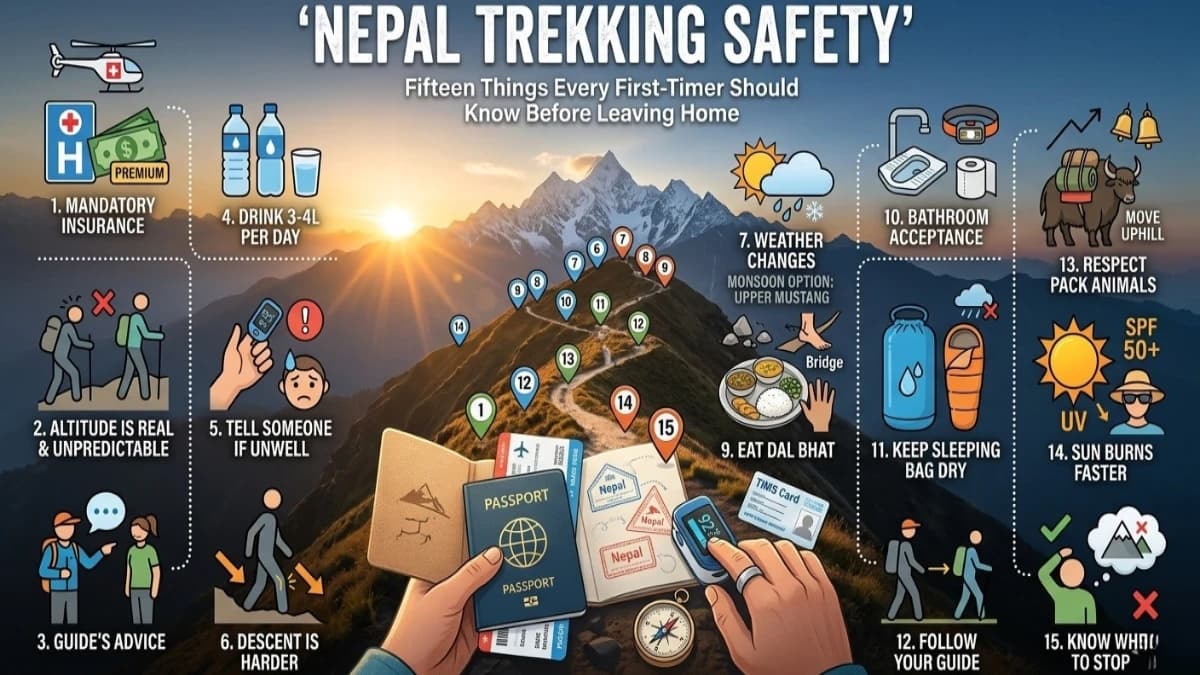
Here are the fifteen things that separate trekkers who return home with stories from trekkers who return home with regrets, or worse, do not return at all.
1. Insurance Is Not Optional
Travel insurance with helicopter evacuation cover above six thousand metres is mandatory. Every reputable trekking company checks your policy before departure. A helicopter from Gorak Shep to Kathmandu costs three to six thousand dollars without insurance. With insurance, it costs you nothing. The hundred-dollar premium is not a suggestion. It is survival arithmetic.
2. Altitude Sickness Is Real and Unpredictable
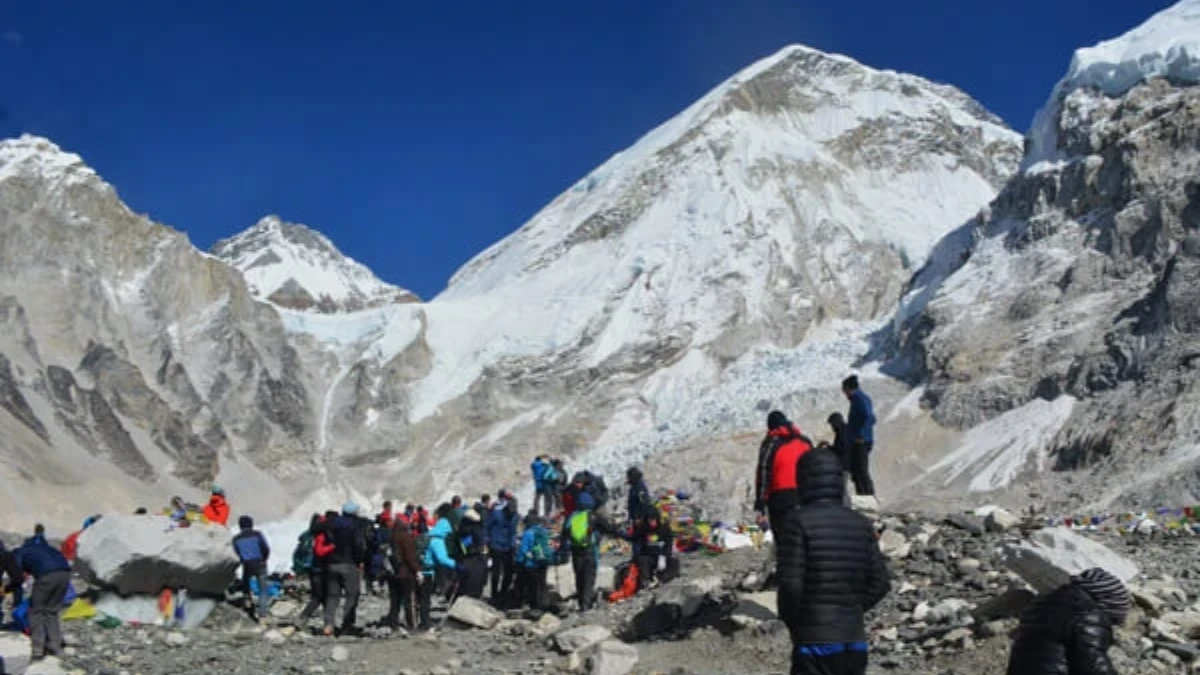
It does not care about your fitness level, your age, or your previous trekking experience. A marathon runner can develop severe altitude sickness while a sixty-year-old grandmother walks through unaffected. The only reliable prevention is gradual ascent with built-in acclimatisation days, which every properly designed itinerary includes.
3. Your Guide's Advice Is Not a Suggestion
When your guide says walk slowly, walk slowly. When they say drink more water, drink more water. When they say you need to descend, you need to descend. Guides are not being cautious for liability reasons. They are keeping you alive based on years of experience watching bodies respond to altitude.
4. Drink Before You Are Thirsty
Three to four litres per day above three thousand metres. Dehydration symptoms mimic altitude sickness. Many trekkers who think they have AMS actually have dehydration. By the time you feel thirsty, you are already behind on fluid intake.
5. Tell Someone If You Feel Unwell
Pride kills at altitude. A headache that you hide becomes a headache that worsens becomes a condition that requires evacuation. Tell your guide immediately when something feels wrong. They carry pulse oximeters and medications. They are trained to assess symptoms. But they cannot help if they do not know.
6. The Descent Is Harder Than the Ascent
Going up is cardiovascularly demanding. Going down is mechanically punishing, your knees absorb the impact of every step, your toes jam against the front of your boots, and your quads burn in ways they never do on the way up. Train for downhill before you leave home. Trekking poles reduce knee impact by up to thirty percent.
7. Weather Changes Without Warning
Clear skies at eight in the morning can become a snowstorm by noon. A warm valley walk can turn into a freezing ridge crossing within two hours. Carry your rain jacket and warm layers in your daypack every day, regardless of the morning forecast. The weather you start with is not the weather you finish with.
8. The Trail Is Not a Highway
Loose rocks. Icy patches. Narrow paths above steep drops. Suspension bridges that sway. Pack animal trains that do not stop. Pay attention to where you put your feet. A twisted ankle at four thousand metres is a serious problem, potentially trek-ending, certainly painful, and a long way from the nearest physiotherapist.
9. Eat Even When You Are Not Hungry
Above four thousand metres, appetite drops. Food tastes like cardboard. Your body is burning more calories than at any point in your life. Eating despite the lack of appetite is essential, your body needs fuel to acclimatise, to walk, and to keep warm. Dal bhat twice a day. Every day. Whether you want it or not.
10. The Bathroom Situation Requires Acceptance
Squat toilets above three thousand metres. Cold water. Limited privacy. No heated bathroom floors. A head torch at three in the morning on a path that may be icy. This is the reality. Accept it before you arrive and it will not bother you. Resist it and you will be miserable for twelve days.
11. Keep Your Sleeping Bag Dry
A wet sleeping bag at four thousand metres is a genuine safety issue. Cold, damp down loses its insulating properties. Use dry bags inside your duffel. Keep your sleeping bag in a waterproof stuff sack. If it gets wet, dry it in the teahouse dining room near the stove. Do not sleep in a wet bag at altitude.
12. Walk Behind Your Guide on Unfamiliar Sections
Your guide knows the trail. They know where the ice is, where the loose rock is, where the path narrows. On sections you have not walked before, which is every section on your first trek, follow their line. Step where they step. This is not about dependence. It is about using available information to make better decisions about foot placement.
13. Respect Pack Animals
Yaks, mules, and donkeys share the trail. They carry heavy loads. They do not stop for trekkers. When you hear bells approaching from behind, move to the uphill side of the trail and let them pass on the downhill side. Being knocked off a narrow mountain path by a yak is not a story you want to tell. It is an injury you want to avoid.
14. The Sun at Altitude Burns Faster
UV radiation at five thousand metres is roughly fifty percent stronger than at sea level. Snow reflection doubles the exposure. Sunburn happens in twenty minutes. Snow blindness, temporary but painful damage to the cornea, happens in hours without UV-protective sunglasses. Sunscreen SPF fifty minimum, reapplied every two hours. Sunglasses with UV400 protection worn at all times above the snow line.
15. Know When to Stop
There is no summit on a base camp trek. No record to set. No audience to impress. If your body says stop, stop. If your guide says descend, descend. Turning back is not failure. It is the decision that keeps you alive to try again. The mountains do not award points for stubbornness. They award consequences.
The trekkers who come home happiest are not the ones who pushed hardest. They are the ones who prepared well, respected the mountains, listened to their guides, and understood that safety is not the absence of adventure, it is the foundation that makes adventure possible.
Safety is our top priority on every trek. See our trek pages for safety protocols, or contact us with specific concerns.
Nepal trekking is safe when done properly. Dangerous when done cheaply. Hire a licensed guide.
WhatsApp:+977 9810351300
Email:[email protected]
Written by Shreejan Simkhada, CEO of The Everest Holiday and third-generation Himalayan guide. TAAN Member #1586.
Safety first: private group + Sherpa guide. Our Everest Base Camp Trek (12 Days) is private (your group only, no strangers), 2027 dates open, From USD $1399. WhatsApp us for tailored 2027 dates and current departures.
 Chat with Shreejan