
What camera gear to bring to Nepal. Trekking vs wildlife setups, protecting gear from cold and dust, best photography spots on EBC and Annapurna, and golden hour at altitude.
Govt Regd. No.: 147653/072/073
Travel Agency Licence: 2838/072
Nepal Photography Tips: Camera Gear, Light, and the Shots That Matter

What Camera Gear Should You Bring to Nepal?
Nepal is a photographer's dream and a gear-planning nightmare. You might shoot sunrise over Everest at -15°C, a tiger in dense jungle at 35°C, and a temple ceremony in dim candlelight, all in the same trip. Packing for every scenario is impossible, so the question becomes: what are your priorities, and what compromises can you live with?
I have watched hundreds of trekkers arrive in Kathmandu with camera bags weighing 8kg, struggle through the first two days, and then leave half their gear at the hotel for the rest of the trip. Learn from their mistakes.
What camera gear should I pack for trekking in Nepal?
Your camera gear is part of your daypack, which you carry every step of every day for 7 to 14 days. Every additional kilogram of camera gear means less water, fewer snacks, or a heavier load on your shoulders at 5,000m. The best camera for trekking is one that is light enough that you actually use it.
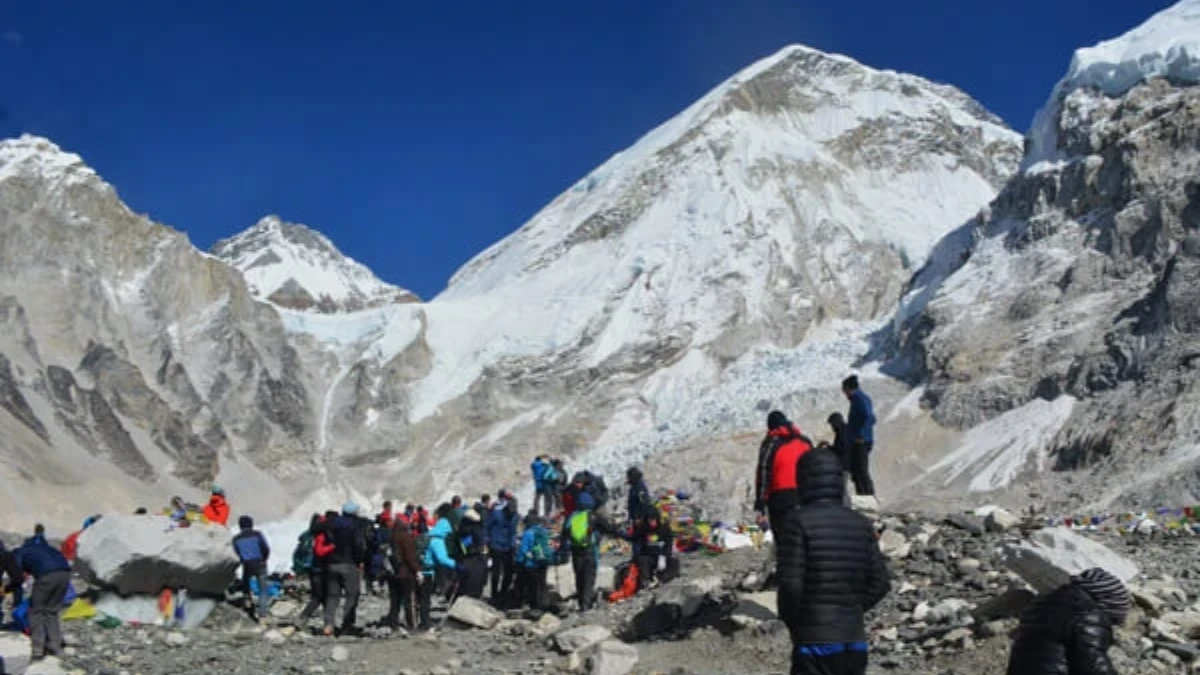
Recommended setup:
One mirrorless body (Sony A7 series, Canon R6/R8, Nikon Z6, or Fujifilm X-T5). A 24-70mm or 24-105mm zoom as your primary lens. This covers landscapes, portraits, village scenes, and most mountain views. A 70-200mm or 100-400mm if you want to isolate peaks and compress mountain layers. Total weight: 1.5 to 2.5kg depending on choices.
What to leave at home: Tripod (unless you are specifically doing astrophotography, in which case use a GorillaPod or rest the camera on a rock). Ultra-wide zoom (the mountains are big enough at 24mm). Prime lenses (zooms give you more flexibility with less weight). Flash (natural light or nothing at altitude).
Phone cameras: Modern phones (iPhone 15 Pro, Samsung S24, Pixel 8) produce excellent images in good light. If photography is not your primary hobby, your phone is genuinely enough. Most trekkers' favourite photos end up being candid shots from their phone, not carefully composed images from their camera.
What lens do I need for wildlife photography in Nepal?
Wildlife photography in Nepal's national parks (Chitwan, Bardiya, Koshi Tappu) requires different gear than trekking. Focal length matters more than portability.
Recommended setup:
A fast-autofocus body with good burst rate and high-ISO performance. A 100-400mm or 200-600mm zoom as your primary lens. A 1.4x teleconverter for extra reach. A wide-angle lens (16-35mm) for habitat and landscape shots. A monopod for support on walking safaris.
The trade-off: Wildlife gear is heavier. On jeep safaris this does not matter. On walking safaris, you are carrying everything for 4 to 5 hours through jungle, keep it under 3kg total or your arms will be shaking when the tiger appears.
How do I protect my camera in the Himalayan cold and dust?
Cold: Batteries drain fast below 0°C. Carry spare batteries in your jacket pocket, against your body heat, and swap them when the in-camera battery dies. Bring at least 3 batteries for a 12-day trek. Cold also causes LCD screens to respond slowly, this is normal and does not damage the camera.
Dust: The trails in Nepal are dusty, especially in the Kali Gandaki valley and the lower Khumbu. Use a UV filter to protect your front element, and blow dust off your sensor with a rocket blower every few days. Do not change lenses in windy conditions if you can avoid it.
Moisture: Morning condensation, unexpected rain, and river crossings are all threats. A waterproof camera bag (Lowepro, F-Stop, or similar) with a rain cover is essential. Silica gel packets inside the bag absorb moisture overnight. At high altitude, bringing a camera from a cold room into a warm teahouse causes instant condensation on the lens, let the camera warm up gradually inside the bag before removing it.
Altitude: Camera gear functions normally at all trekking altitudes. The only issue is air pressure, sealed lenses may feel slightly stiff due to pressure differential. This is cosmetic and does not affect image quality.
What are the best photography spots on Nepal treks?
EBC trek: Kala Patthar sunrise (5,545m), the classic Everest shot. Tengboche monastery with Ama Dablam behind. Namche Bazaar from the viewpoint above town. The Khumbu Glacier moraine between Lobuche and Gorak Shep.
Annapurna Circuit: Thorong La prayer flags at dawn. The Kali Gandaki gorge with Dhaulagiri. Manang village against the Annapurna wall. Muktinath temple.
Langtang: Kyanjin Gompa at sunrise with Langtang Lirung. Tserko Ri summit panorama. The rebuilt Langtang Village memorial.
Cultural: Boudhanath stupa at dawn (the butter lamps glow before sunrise). Pashupatinath cremation ghats (be respectful, ask before photographing). Bhaktapur Durbar Square in the early morning before the tourists arrive. Swayambhunath (Monkey Temple) at sunset.
When is golden hour in the Himalayas for photos?
The light in Nepal is different from sea-level photography. At altitude, the atmosphere is thinner, which means more UV light, higher contrast, and sharper shadows. Golden hour is shorter and more intense, the sun drops behind the mountains fast, and you have about 20 minutes of prime light rather than 40.
The best light hits the peaks before it reaches the valleys. This means the mountains glow gold while you stand in shadow below. For mountain portraits, position yourself where the first light reaches and shoot upward. For landscape shots, get high: viewpoints, ridges, and passes catch the light first.
Cloud adds drama. Some of the most powerful Himalayan images are not blue-sky panoramas. They are peaks emerging from monsoon cloud, or valleys filling with morning mist while the summits burn in sunrise light.
How do I charge and back up photos while trekking?
Teahouses have electricity at most stops, but charging often costs 200 to 500 NPR per device per hour. Above 4,000m, power is solar-generated and may be unreliable in bad weather.
Bring a power bank (20,000mAh minimum) for your phone and a spare camera battery charger. Some photographers carry a small solar panel on their pack, useful for multi-day sections without reliable power.
Memory: bring more cards than you need. 128GB minimum for a 12-day trek, 256GB if you shoot video. Format cards in-camera, not on a computer. Back up to your phone or a portable SSD if your images are irreplaceable.
Want a Photography-Focused Trip?
We run photography tours designed around optimal light, wildlife sightings, and cultural events. Our guides know the best viewpoints, the quietest times at popular locations, and the cultural protocols for photographing people and temples.
WhatsApp us with your photography interests and we will build an itinerary around them.
Photo gear for Nepal: done on our private treks. Our Everest Base Camp Trek (12 Days) is private (your group only, no strangers), 2027 dates open, From USD $1399. WhatsApp us for tailored 2027 dates and current departures.
Planning a trip to Nepal?
Drop us your details and tell us what you have in mind. We will put together a personalised plan and get back to you.
Not sure which Nepal trek is right for you?
Take our free 2-minute quiz and get personalised recommendations based on your fitness, experience, and travel style.
Find Your Perfect Trek →Need Help? Call Us+977 9810351300orChat with us on WhatsApp
Latest Travel Blogs
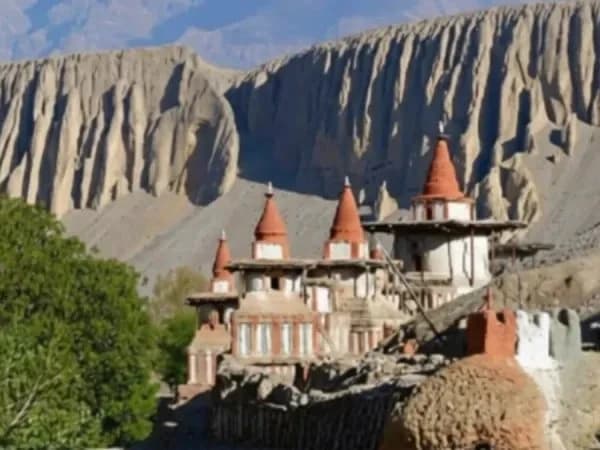
Trekking in Nepal in September 2027: Weather, Best Treks and Departures
Plan a September 2027 trek in Nepal: monsoon-tail weather, why Upper Mustang works, which treks to avoid and our departures on 6, 13, 20 and 27 September.
Read More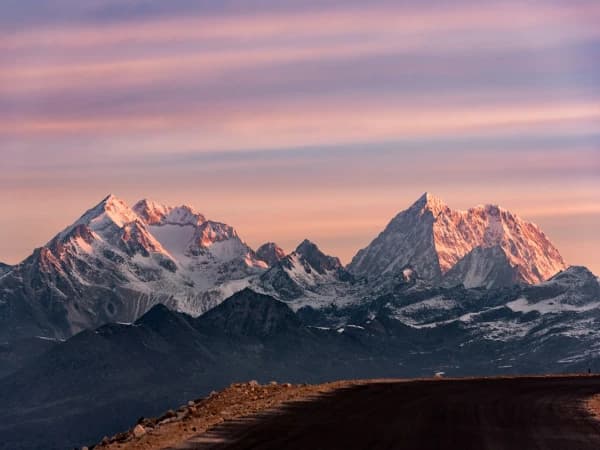
Trekking in Nepal in March 2027: Weather, Best Treks and Departures
Plan a March 2027 trek in Nepal: weather figures, the treks that suit the month, crowds, festivals and our departures on 8, 15, 22 and 29 March.
Read More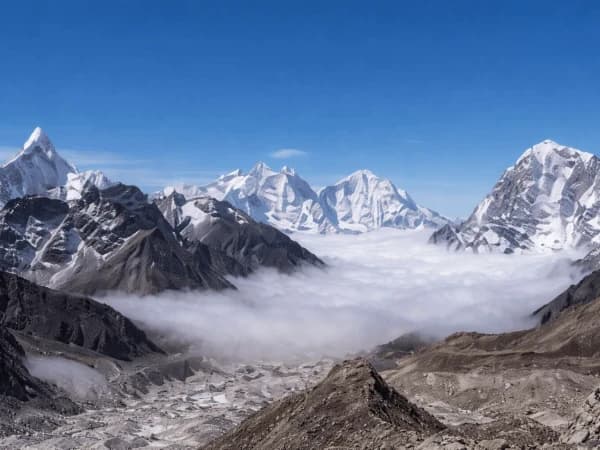
Trekking in Nepal in April 2027: Weather, Best Treks and Departures
Plan an April 2027 trek in Nepal: weather figures, the treks that suit the month, crowds, the Manthali flights and our departures on 5, 12, 19 and 26 April.
Read More Chat with Shreejan