

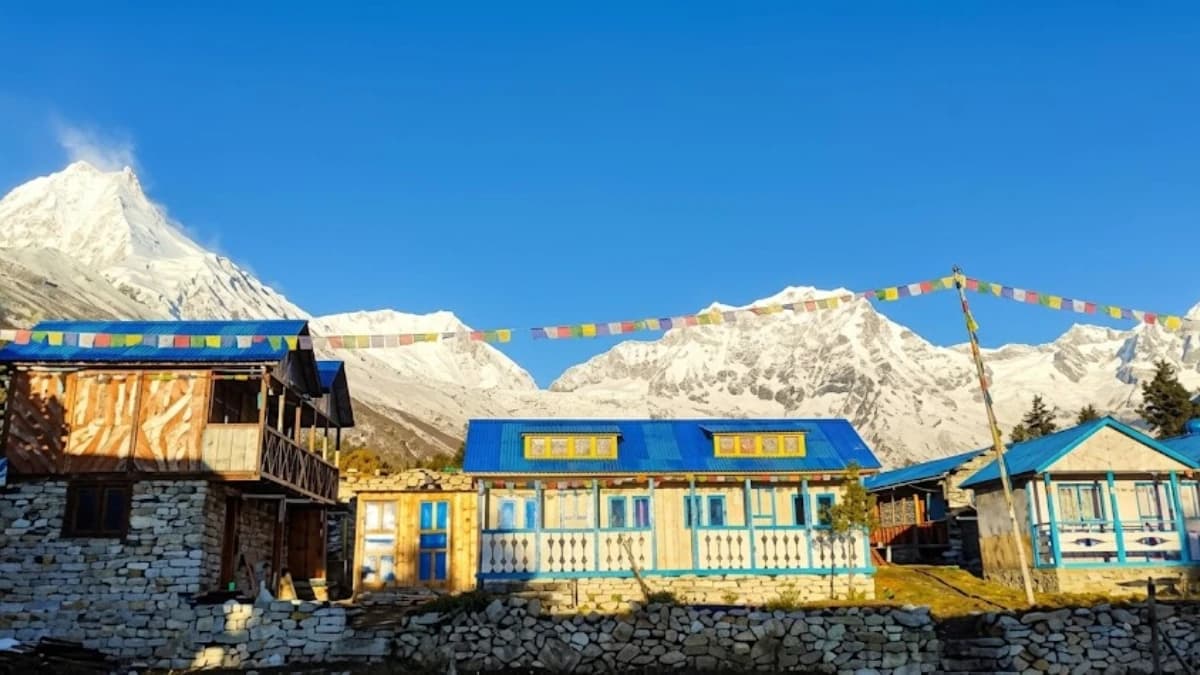
The Manaslu Circuit in October is a magnificent trek. The Manaslu Circuit in spring (March through May) is the same trek with rhododendrons. And the rhododendrons change everything. Not the mountains, which are the same year-round, or the pass, which is the same altitude regardless of season, or the villages, which serve the same dal bhat in every month. What changes is the forest. The lower sections of the Manaslu Circuit, between Soti Khola and Deng, pass through subtropical and temperate forest that in autumn is green and pleasant and in spring is ablaze with rhododendron blooms (crimson, pink, white, and magenta) in a display that is one of the most spectacular natural events in the Himalaya.
Spring on the Manaslu Circuit is the season that experienced trekkers choose when they have already done the Manaslu in autumn and want to see it differently. It is also the season that photography enthusiasts choose, because the combination of blooming forest, snow-capped peaks, and the dramatic light of pre-monsoon weather creates images that autumn, for all its clarity, cannot match.
What is the Manaslu Circuit like in March?
Early March on the Manaslu Circuit is late winter transitioning to spring. The lower sections (below 2,500 metres) are warming. The first rhododendrons begin to bloom at lower altitudes. Above 3,000 metres, winter conditions persist, cold nights, occasional snow, and frozen trails in the morning that thaw by midday.
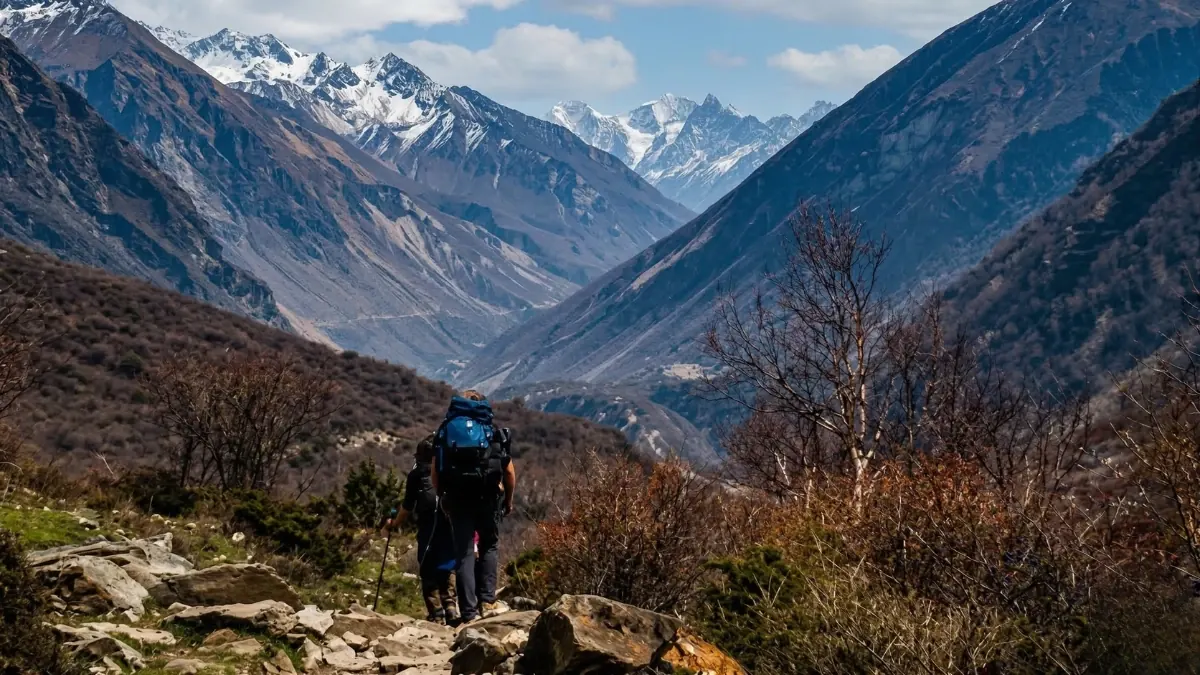
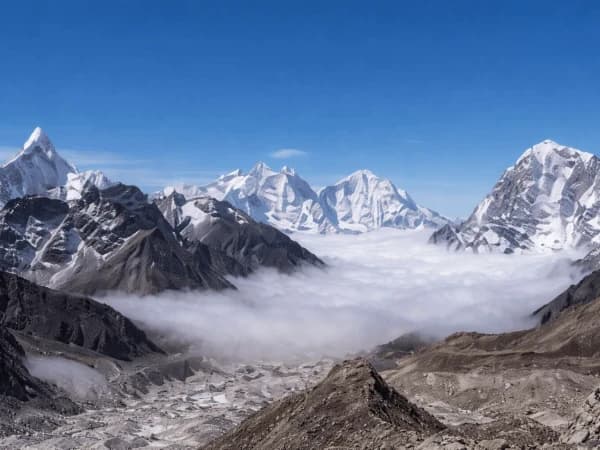
The Larkya La pass at 5,160 metres may have significant snow in early March. Crossing is usually possible but requires checking conditions with your trekking company and being prepared for deeper snow on the approach and descent. Crampons or microspikes may be needed. The cold at high camp (Dharamsala, 4,460 metres) is still winter-grade, minus fifteen to minus twenty at night.
The advantage of early March is extreme quietness. The trekking season has barely begun. You may have the trail nearly to yourself. The teahouses are open but not busy. The intimacy of the experience, just you, your guide, and the mountains, is at its peak.
Late March is the sweet spot. The rhododendrons are blooming up to about 3,000 metres. The weather is stabilising. The Larkya La conditions are improving. The days are longer and warmer. Most trekkers who choose spring aim for a late March to mid-April departure.
Is April the best time to trek the Manaslu Circuit?
April is the Manaslu Circuit's spring peak. The rhododendrons are blooming at all altitudes, the lower forests are a wall of colour, and even the scrubby bushes at 3,500-4,000 metres show blooms. The weather is predominantly clear in the mornings with afternoon cloud building, the classic spring pattern. The Larkya La is typically clear of heavy snow, though patches remain.
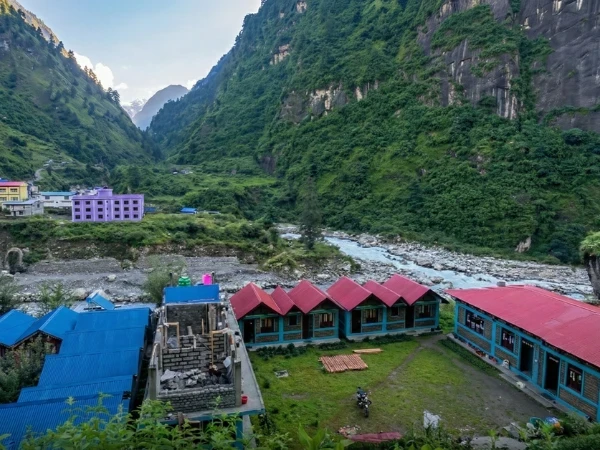
Temperatures at altitude are warmer than autumn. Nights at Samagaon (3,530 metres) drop to minus five to minus ten, compared to minus ten to minus fifteen in October. The warmer nights make the teahouse experience more comfortable and reduce the gear weight needed for sleeping.
The trail in April has more trekkers than March but fewer than October. The Manaslu Circuit's restricted area permit limits total numbers year-round, so even in peak spring, the trail feels uncrowded compared to the Annapurna Circuit or EBC.
Can you trek the Manaslu Circuit in May?
Early May on the Manaslu is still excellent, warmer, lush, with the last of the high-altitude rhododendron blooms. The mornings are clear. The views are good. The trail is quiet as the spring season winds down.
Late May is risky. The pre-monsoon weather brings increasing afternoon cloud, occasional rain at lower altitudes, and the possibility of snow on the Larkya La. The transition from spring to monsoon is gradual but unmistakable, and the last week of May is a gamble, some years it is fine, some years the monsoon arrives early.
Leeches appear at lower altitudes (below 2,500 metres) in late May as the humidity increases. The lower sections of the Manaslu Circuit, the subtropical forest between Soti Khola and Jagat, are leech territory in wet conditions. Long socks tucked into trousers and leech-repellent socks are advisable. Related: Trekking in Nepal in May: The Last Window Before the Monsoon.
When do rhododendrons bloom on the Manaslu Circuit?
Nepal has over thirty species of rhododendron, and the Manaslu Circuit passes through forests containing several of the most spectacular. The Rhododendron arboreum, Nepal's national flower, grows as a tree up to fifteen metres tall and blooms in deep crimson. The Rhododendron campanulatum blooms in pink and mauve at higher altitudes. White rhododendrons appear at the highest elevations where the trees grow.
The blooming progresses upward with the warming season, lower altitudes bloom first (February-March) and higher altitudes follow (April-May). A spring trek through the Manaslu Circuit's forest sections is a walk through a wave of colour that moves uphill as you do, creating the sensation that the forest is blooming in accompaniment to your ascent.
The best rhododendron sections on the Manaslu Circuit are between Jagat and Deng, where the trail passes through dense forest on the steep valley walls of the Budhi Gandaki. The combination of river gorge, cliff walls, and rhododendron canopy creates a landscape that is dramatic in any season but transcendent in spring bloom.
What wildlife can you see on the Manaslu Circuit in spring?
Spring brings increased bird activity to the Manaslu region. The forests are alive with birdsong, Himalayan monals (the iridescent national bird of Nepal), blood pheasants, various laughingthrushes, and migrating raptors. The danphe (Himalayan monal) is particularly visible in spring, when males display their brilliant plumage in mating rituals that can be observed from the trail.
Langur monkeys are active in the lower forest sections. Red pandas, while present in the bamboo forests of the region, are extremely difficult to spot, but spring, when bamboo shoots emerge and red pandas feed more actively, offers the best chance of an encounter.
Is spring or autumn better for the Manaslu Circuit?
Visibility: Autumn wins. October and November skies are clearer and drier. Spring skies carry more moisture, producing hazier conditions and more afternoon cloud. The crystal clarity that defines autumn trekking is replaced by a softer, warmer quality that is beautiful but less sharp.
Vegetation: Spring wins, overwhelmingly. The rhododendron bloom, the green valleys, the wildflowers at altitude, spring's landscape is alive in a way that autumn's post-monsoon dryness cannot match.
Temperature: Spring is warmer at all altitudes. The nights are less cold. The walking hours are more comfortable. The gear requirement is slightly lighter.
Crowds: Spring is slightly quieter. The Manaslu Circuit is never crowded (the restricted permit sees to that), but spring receives fewer trekkers than autumn, giving the trail an even more remote character.
Trail conditions: Autumn is drier and more stable. Spring trails, particularly at lower altitudes, can be muddy after rain. The Larkya La approach may have residual snow in early spring. Autumn trails are generally in better condition.
Photography: Depends on what you want. Autumn for clear-sky mountain panoramas with maximum sharpness. Spring for forest colour, dramatic cloud formations, and the combination of flowers and snow that creates compositions unique to the season.
What Should You Know About Spring on the Manaslu Circuit?
Carry rain gear that you expect to use. Spring afternoons bring showers more frequently than autumn. A waterproof jacket, pack cover, and dry bags for electronics are essential rather than precautionary.
Start early each day. The morning window, clear skies, good visibility, dry trails, is your prime walking and photography time. Aim to reach your teahouse by early afternoon before the clouds build.
Bring warmer gear than you think you need for the Larkya La. Even though spring is warmer overall, the pass at 5,160 metres is cold at any time of year, and the combination of altitude and wind chill on the pass can surprise trekkers who packed for the warmer lower sections.
Antihistamines may be useful if you have pollen allergies. The rhododendron bloom produces significant pollen, and trekkers with seasonal allergies report symptoms in the forest sections. This is a minor issue but worth knowing.
Carry leech protection for the lower sections in late April and May. Leech socks (tight-weave, ankle-high), salt, or a lighter to detach leeches that get through.
Is the Manaslu Circuit worth trekking in spring?
The Manaslu Circuit in spring is the version of the trek that rewards the trekker who has time and flexibility. It is not the "best" season in any absolute sense, autumn's clarity is hard to beat for mountain views. But it is the season that adds a dimension the autumn trek lacks: the dimension of living landscape, of forest in bloom, of a mountain ecosystem visibly waking from winter and pushing toward the monsoon that will drench it for four months.
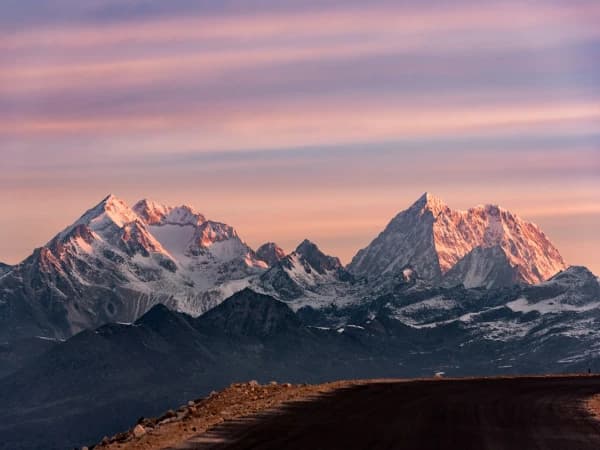
Walking through the Budhi Gandaki gorge in April, surrounded by crimson rhododendrons, with the white peaks of the Manaslu range visible through gaps in the canopy, you understand why trekkers return to the same route in a different season. The mountains do not change. But the frame around them changes. And the frame, the forest, the light, the temperature, the birdsong, the flowers, is what makes each trek through the same landscape a different experience. Spring's frame is warmer, softer, more colourful, and more alive. Autumn's frame is sharper, clearer, colder, and more dramatic. Both are complete. Both are the Manaslu Circuit. And both, in their different ways, are extraordinary.
See our Manaslu Circuit Trek for spring departure dates when the rhododendrons bloom.
Spring on the Manaslu Circuit means rhododendron forests in full bloom below 3,000 metres, fewer trekkers than autumn, and warmer temperatures for the Larkya La crossing. The trade-off is slightly hazier mountain views in the afternoons. For most people, the flowers and the solitude more than make up for it.
We run the Manaslu Circuit Trek in both spring (March-May) and autumn (October-November). Ask us which season suits you.
WhatsApp:+977 9810351300
Email:[email protected]
Written by Shreejan Simkhada, CEO of The Everest Holiday and third-generation Himalayan guide. TAAN Member #1586.
Spring Manaslu (Mar-May) is rhododendron + quiet trails. Our Manaslu Circuit Trek (12 Days) is private (your group only, no strangers), 2027 dates open, From USD $799. WhatsApp us for tailored 2027 dates and current departures.
 Chat with Shreejan