
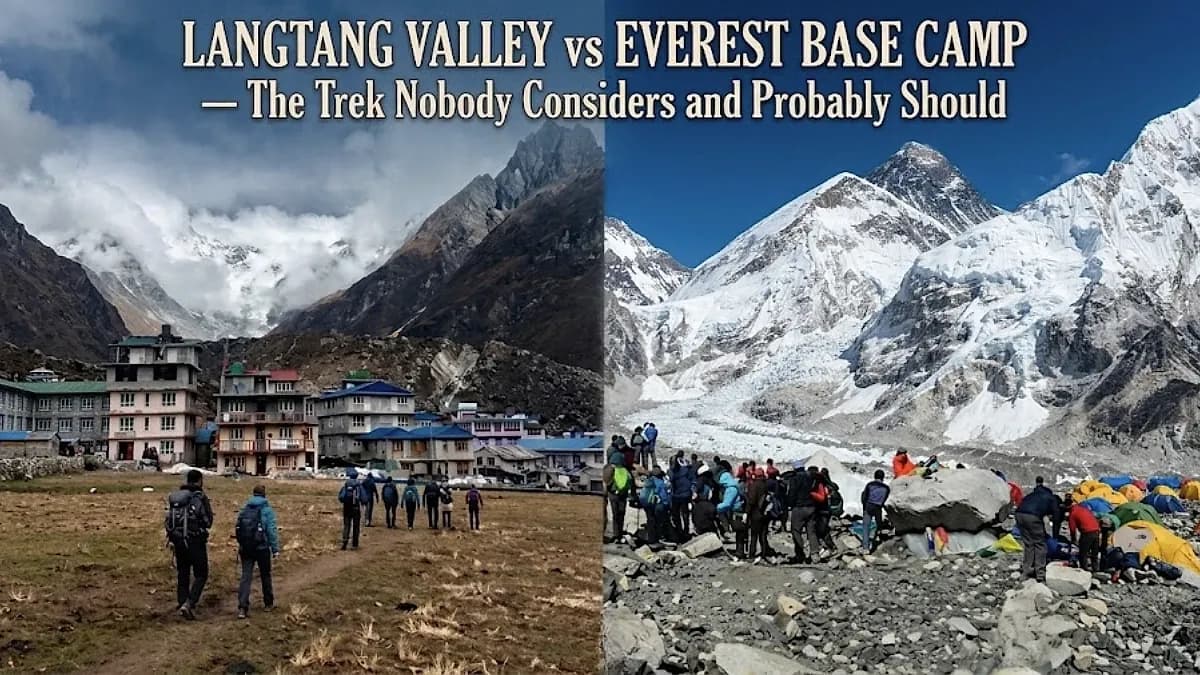
Every year, fifty thousand trekkers fly to Lukla and walk to Everest Base Camp. The trail is spectacular. The destination is iconic. The experience is everything the photographs promise and more.
Current status, September 2026: after the 2026 floods, most of the Langtang region is running normally while some sections near the flood corridor are route-dependent, so we check conditions before every departure. The Everest region is unaffected. Please see our up-to-date trail status before booking.
In the same season, a few thousand trekkers drive north from Kathmandu and walk into the Langtang Valley. No flights. No cancellation risk. No queues at suspension bridges. No fighting for teahouse beds. Just bamboo forests and yak pastures and Tamang villages and a glacier at the head of a valley so quiet you can hear your own heartbeat.
The comparison is not fair in the way most people expect. Everest Base Camp has the name. It has the altitude. It has the bragging rights. But Langtang has something EBC cannot offer: intimacy. The feeling of being alone with mountains that are, by any objective measure, every bit as beautiful as the ones surrounding Everest.
Is Langtang Valley trek cheaper and shorter than Everest Base Camp?
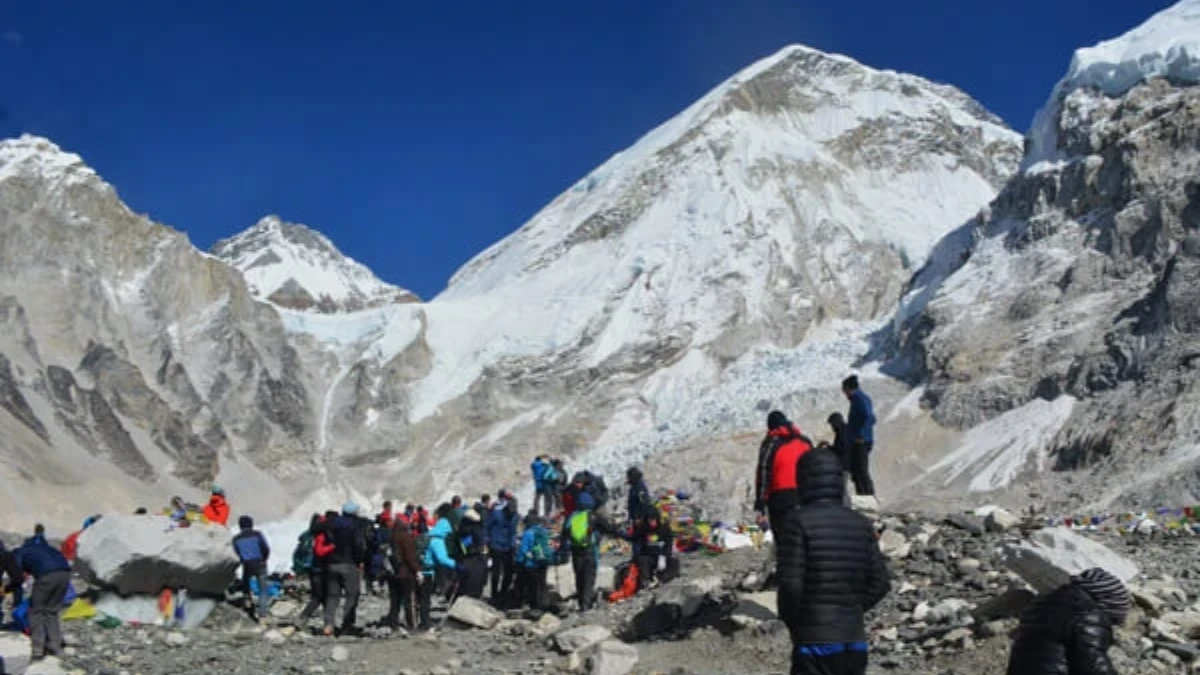
Everest Base Camp: twelve days, maximum altitude 5,364 metres (Kala Patthar 5,545m), budget from one thousand three hundred and ninety-nine dollars, requires internal flight to Lukla or fifteen-day road route, difficulty four out of five.
Langtang Valley: eight days, maximum altitude 3,870 metres, budget from three hundred and sixty-five dollars, drive from Kathmandu with no flights, difficulty three out of five.
| Everest Base Camp | Langtang Valley | |
|---|---|---|
| Duration | 12 days | 8 days |
| Highest point | Kala Patthar, 5,545 m | 3,870 m (Kyanjin Gompa) |
| Getting there | Flight to Lukla, or a 15-day road route | Drive from Kathmandu, no flights |
| Difficulty | 4 out of 5 | 3 out of 5 |
| Our price, per person from | $1,399 | $365 |
The park fees on both treks are set by the government, the Sagarmatha National Park fee for Everest and the Langtang National Park fee for Langtang, both listed by the Nepal Tourism Board, with a TIMS card on top and no restricted-area permit on either. Our full trek-by-trek breakdown is in our guide to Nepal trekking permits.
The price difference alone makes the comparison noteworthy. Langtang costs roughly a quarter of EBC. No internal flights reduce the total further. And four fewer days means less annual leave, less physical demand, and more time for other things in Nepal: Kathmandu's temples, Pokhara's lake, Chitwan's jungle.
What does Everest Base Camp offer that Langtang Valley does not?
The name. Standing at the foot of the highest mountain on earth is a statement that requires no explanation. When you tell people you went to Everest Base Camp, they understand. When you tell them you went to Langtang, they ask where that is.
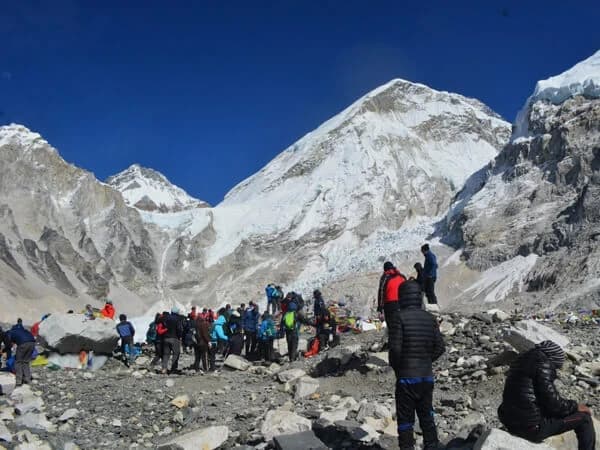
Extreme altitude. EBC takes you above five thousand metres, into the zone where the air is thin enough to alter consciousness, where each step requires deliberate effort, where the physical challenge of simply being there creates a kind of altered state that lower-altitude treks cannot replicate.
Kala Patthar at sunrise. The view from 5,545 metres as the sun ignites the summit of Everest is one of the singular visual experiences available to human beings on foot. No photograph captures it. No description does it justice. It exists only in the moment of being there.
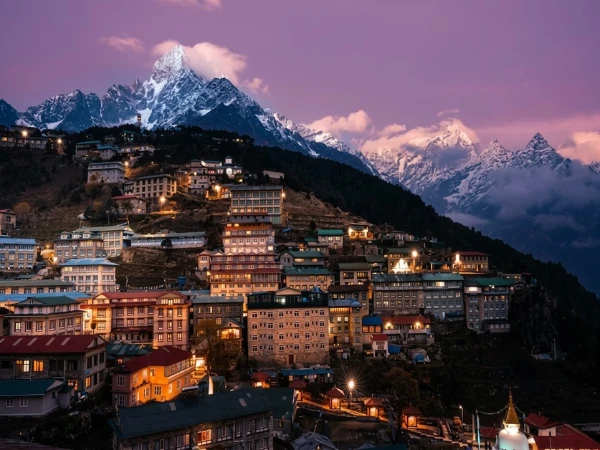
The Khumbu region's infrastructure. Teahouses on the EBC route are the best in Nepal: comfortable, well-stocked, professionally run by Sherpa families who have been hosting trekkers for generations.
What does Langtang Valley trek offer that Everest Base Camp does not?
Solitude. On a busy October day, the trail to EBC can feel like a highway: queues at suspension bridges, teahouses turning away late arrivals, the constant presence of other trekking groups. Langtang in the same month is a fraction as busy. You walk for hours seeing only your guide, the occasional yak herder, and mountains.
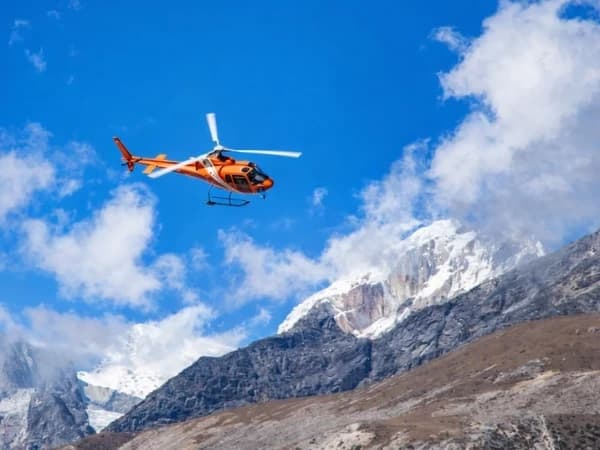
Accessibility. You drive to Langtang. Seven hours by bus or jeep from Kathmandu, no flights, no cancellation risk, no five-hour pre-dawn drive to Manthali. You start walking the same day you leave the capital. The simplicity of the logistics is refreshing after reading about Lukla flight horrors.
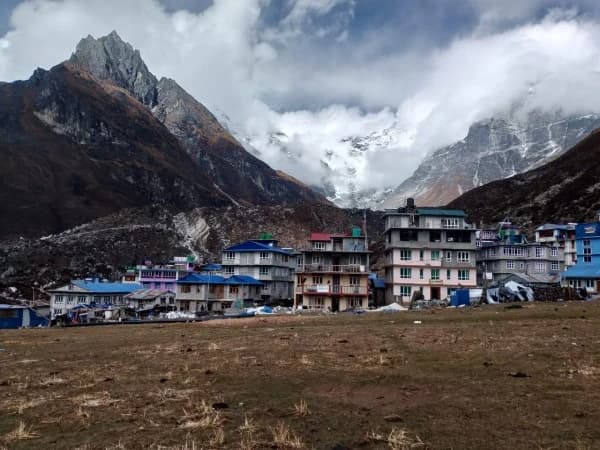
Cultural immersion. The Tamang and Tibetan Buddhist communities in the Langtang Valley have a warmth and openness that the busier Khumbu region, while still welcoming, has partially lost to commercial scale. Prayer wheels line the trail. Mani walls stretch for hundreds of metres. Teahouse owners invite you into their kitchens. The rebuilt villages, reconstructed with extraordinary determination after the 2015 earthquake, tell a story of resilience that adds emotional depth to every step.
Cost. Langtang is the best-value multi-day trek in Nepal relative to the experience it delivers. Three hundred and sixty-five dollars for eight days of guided trekking through a landscape that would be the main attraction in any other country on earth.
Gentler altitude. At 3,870 metres maximum, Langtang sits below the threshold where altitude sickness becomes a serious risk for most people. You will feel the altitude, breathing is slightly harder, sleep slightly lighter, but the acute, head-pounding, nausea-inducing reality of five thousand metres is absent. For trekkers who are nervous about extreme altitude, or who have medical conditions that make high altitude inadvisable, Langtang provides a genuine Himalayan experience without the physiological stress.
Which trek has better scenery, Langtang Valley or Everest Base Camp?
EBC's scenery is dominated by rock, ice, and altitude. The Khumbu region above Namche is austere and severe, grey moraine, white glaciers, the enormous scale of peaks that exceed eight thousand metres. It is beautiful in the way that a cathedral is beautiful, through grandeur and vertical scale and the overwhelming awareness of something larger than yourself.
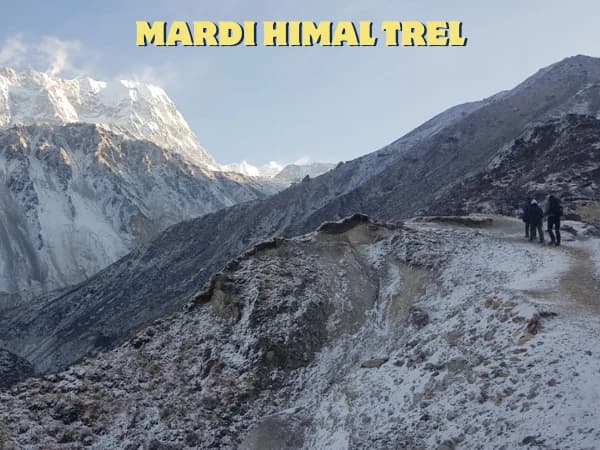
Langtang's scenery is dominated by green, life, and texture. Bamboo forests where red pandas live (you will not see them, but you will see their territory). Alpine meadows. Waterfalls fed by glacial melt. Yak pastures where the animals graze against a backdrop of Langtang Lirung at 7,227 metres. It is beautiful in the way that a garden is beautiful, through detail and intimacy and the sense of walking through a landscape that is alive rather than frozen.
Neither is objectively better. They are different experiences that serve different desires. If you want the weight of standing at the base of humanity's highest summit, go to EBC. If you want the warmth of walking through a living valley that feels like a secret the mountains have been keeping, go to Langtang.
Should I do Langtang Valley trek or Everest Base Camp?
Choose EBC if Everest is the dream that brought you to Nepal, if you have twelve to fifteen days and the budget, if you want the physical challenge of extreme altitude, and if you train properly for it.
Choose Langtang if you have eight days, if you want to spend less without sacrificing quality, if you prefer quiet trails, if altitude sickness concerns you, if you do not want to deal with flights, or if this is your first trek and you want a gentler introduction to the Himalayas before committing to something bigger.
Choose both if you have time. They are different enough that doing one does not diminish the other. Many trekkers do Langtang first as a warm-up and EBC the following year with the confidence that comes from knowing their body can handle multi-day walking at altitude.
The mountains of Nepal are not a competition. They are a collection, and the collection is vast enough that a lifetime of returning would not exhaust its offerings. Everest Base Camp is the most famous piece. Langtang is one of the most beautiful. Both deserve their place in a life well walked.
Compare both treks on our trip pages: Langtang Trek (8 days) and Everest Base Camp Trek (12 days).
Langtang if you have a week and want to stay close to Kathmandu. EBC if you have two weeks and want the name on your CV. Langtang is cheaper, quieter, and culturally richer. EBC is higher, harder, and more iconic. Neither is better. They are different treks for different priorities. I love both and I would recommend either without hesitation.
We run both. Tell us which matters more to you and we will recommend honestly.
WhatsApp:+977 9810351300
Email:[email protected]
Written by Shreejan Simkhada, CEO of The Everest Holiday and third-generation Himalayan guide. TAAN Member #1586.
Langtang vs EBC? Langtang is shorter and cheaper. Our Langtang Trek (8 Days) is private (your group only, no strangers), 2026 dates open, From USD $365. WhatsApp us for tailored 2026 dates and current departures.

 Chat with Shreejan