
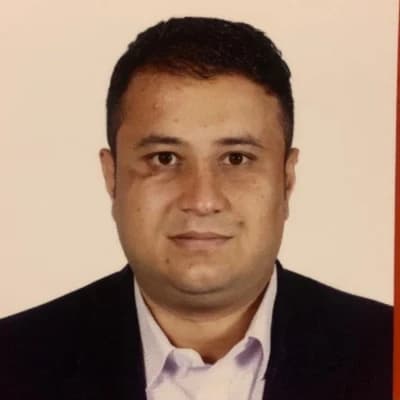
Kanchenjunga is one of the cheapest restricted-area treks in Nepal. The permit costs USD 20 per week, a fraction of Manaslu (USD 100/week) or Upper Mustang (USD 50/day). But the trek is long (18-22 days), remote, and logistically complex, which means the total cost is higher than a standard Annapurna or Langtang trek. Here is what it actually costs, broken down to the last dollar.
How Much Does a Guided Kanchenjunga Trek Package Cost?
A fully guided Kanchenjunga Base Camp trek through a registered Nepal company costs:
| Tier | Price (per person) | What You Get |
|---|---|---|
| Budget | USD 999 | Guide, permits, teahouse accommodation and ground transport. No porter on this tier, and you buy your own meals on the trail |
| Standard | USD 2,199 | All three meals a day, one porter shared between two trekkers, better rooms, senior guide |
| Luxury | USD 3,200 | Best available rooms, all equipment, private guide, all extras |
Every tier includes all permits (restricted area, conservation area, TIMS), a licensed guide, teahouse accommodation and ground transport between Kathmandu and the trailhead. The porter and your meals begin at the standard tier. A sleeping bag rated to minus fifteen and a down jacket are provided free on every tier, budget included, with a duffel bag on the Standard and Luxury packages.
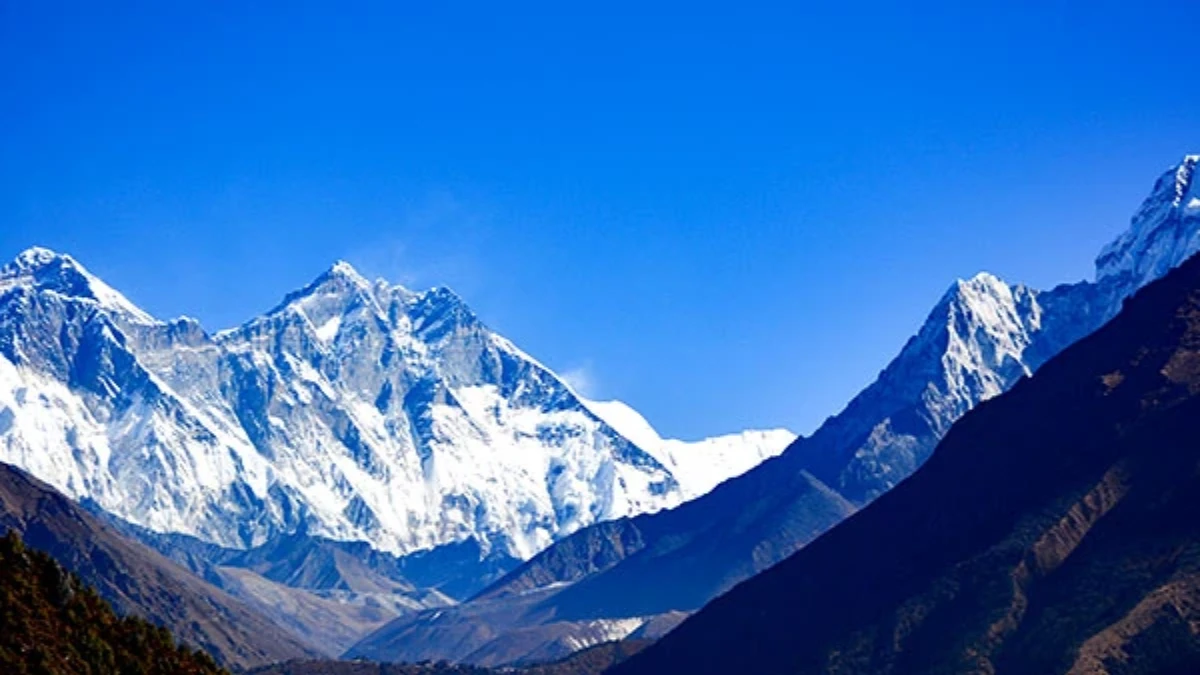
What Do the Permits Cost?
Kanchenjunga requires three permits:
- Restricted Area Permit: USD 20 per week for the first four weeks. For a 19-day trek spanning three weeks, this costs USD 60. Manaslu costs USD 100 for the first week plus USD 15 a day after that in autumn, and Upper Mustang USD 50 a day.
- Kanchenjunga Conservation Area Permit: NPR 2,000 (about USD 15)
- TIMS Card: NPR 2,000 (about USD 15)
Total permit cost: approximately USD 90. This is one of the cheapest restricted-area permits in Nepal. The government keeps it low to encourage tourism in eastern Nepal, which receives far fewer visitors than the Annapurna or Everest regions.
What Is NOT Included in the Package?
International flights to Nepal are the biggest variable. From the UK: GBP 400-700 return. From the US: USD 700-1,100. From Australia: AUD 800-1,200.
Domestic flights: Kathmandu to Bhadrapur (or Suketar) costs USD 150-200 one way. Some itineraries drive from Kathmandu to Taplejung (18-22 hours over two days), which is cheaper but brutal. The flight saves two days of driving.
Nepal visa: USD 50 for 30 days on arrival. A 19-day trek plus arrival/departure days fits within 30 days, but barely. Budget for a 30-day visa.
Travel insurance: USD 100-180 for a three-week policy with helicopter evacuation cover. Do not skip this. Helicopter evacuation from eastern Nepal costs USD 4,000-6,000 without insurance.
Daily extras on trail: Hot drinks (NPR 150-300), device charging (NPR 300-500), hot showers where available (NPR 300-500), snacks. Budget USD 10-15 per day, or USD 200-300 for the full trek.
Tips: USD 15-20 per day for your guide, USD 10-12 per day for your porter. Over 19 days: USD 475-600 total.
What Is the Total Budget from Different Countries?
| Item | From UK | From USA | From Australia |
|---|---|---|---|
| International flights | USD 550-900 | USD 700-1,100 | USD 650-1,000 |
| Domestic flights | USD 300-400 | USD 300-400 | USD 300-400 |
| Trek package (budget) | USD 999 | USD 999 | USD 999 |
| Visa | USD 50 | USD 50 | USD 50 |
| Insurance | USD 120 | USD 150 | USD 130 |
| Daily extras (19 days) | USD 250 | USD 250 | USD 250 |
| Tips | USD 500 | USD 500 | USD 500 |
| Kathmandu (2 nights) | USD 40 | USD 40 | USD 40 |
| Total (budget) | USD 2,660-3,010 | USD 2,840-3,240 | USD 2,770-3,120 |
Why Is Kanchenjunga More Expensive Than EBC Despite Cheaper Permits?
Three reasons:
Duration. The Kanchenjunga trek is 19 to 22 days, seven to ten days longer than EBC. Every extra day adds guide wages, porter wages, meals, and accommodation costs. A week of extra trekking adds USD 200-400 to the package price.
Logistics. Eastern Nepal is harder to reach than the Khumbu. The flight to Bhadrapur or the multi-day drive to Taplejung costs more and takes longer than the 30-minute Lukla flight. The return logistics are equally complex.
Teahouse infrastructure. The teahouses on the Kanchenjunga trail are more basic and less numerous than on EBC. Above Ghunsa, accommodation is genuinely rudimentary. Food costs more because everything is carried further from the nearest road. The teahouse owners charge higher per-night rates because they serve fewer guests.
How Can You Save Money on the Kanchenjunga Trek?
Book directly with a Nepal company. International operators mark up 30 to 60 percent. Our budget package at USD 999 includes everything an international operator charges USD 1,500-2,000 for.
Trek in shoulder season. March or late November will not change our package price, which is set by group size and not by month, but domestic flight seats are easier to get and cheaper on the open market.
Go with a partner. There is no longer any minimum group size. Nepal scrapped the legal two-trekker minimum for restricted areas on 22 March 2026, so a solo Kanchenjunga permit is now possible in law. In practice, though, we run Kanchenjunga as a small-group trek with a two-person minimum, because a guide, a porter and a shared jeep cost the same for one walker as for two, so a solo departure would carry all of that cost alone. If you are travelling alone, join one of our fixed departures or we will pair you with another trekker on your dates. Finding one trekking partner roughly halves that overhead.
Drive instead of fly to Taplejung. The drive from Kathmandu takes 18-22 hours (usually split over two days), but saves USD 150-200 per person compared to flying. The road is rough but passes through beautiful countryside.
Is Kanchenjunga Worth the Cost?
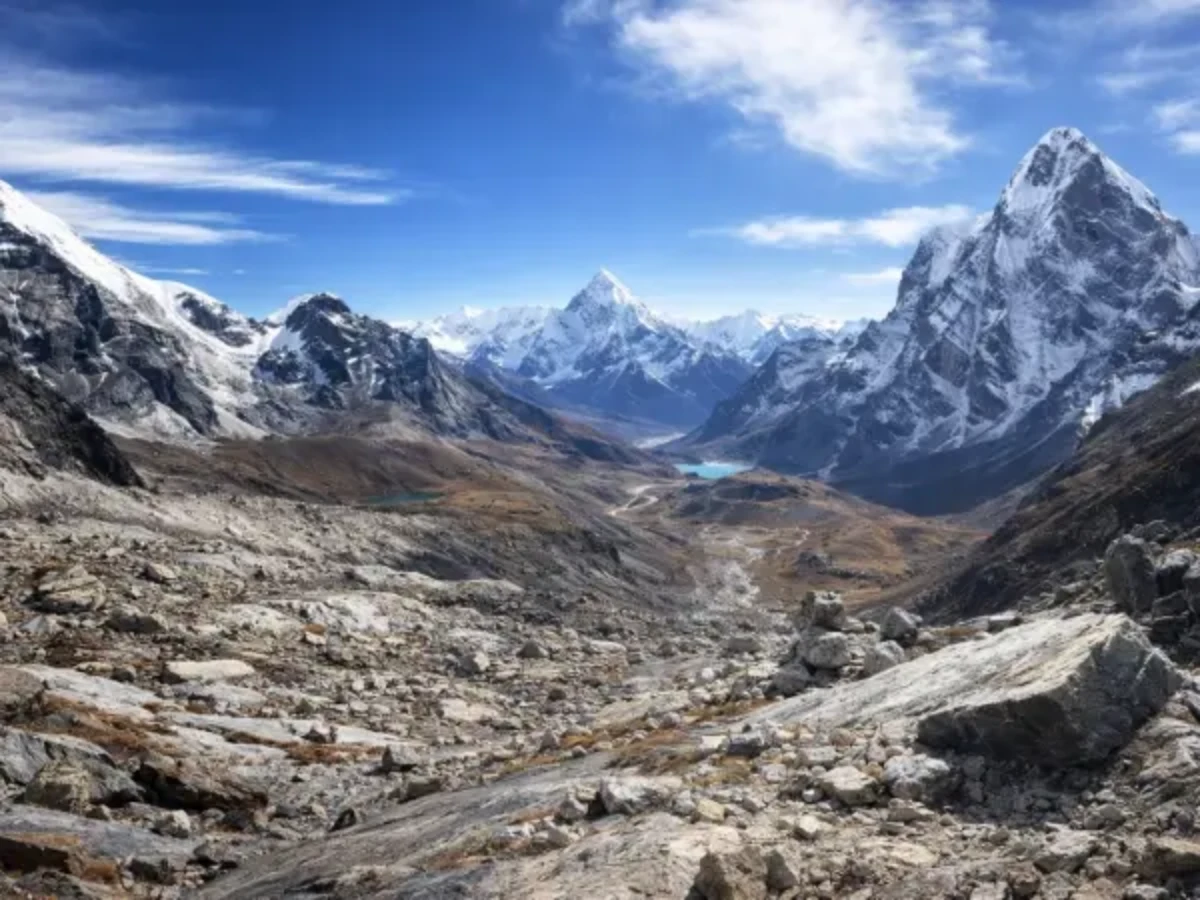
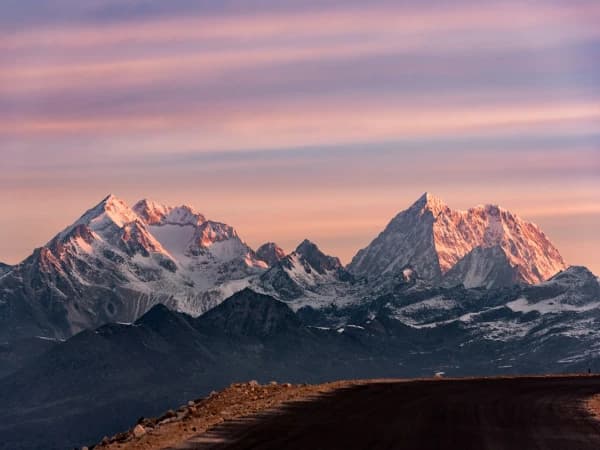
If you have done EBC and Annapurna and want something genuinely different, Kanchenjunga delivers value that no other trek in Nepal can match. Five to fifteen trekkers per day on the trail. Villages where children run out to greet you because foreigners are uncommon. The north base camp at Pangpema (5,143m) with the third-highest mountain on earth filling your entire field of vision.
The cost per day of extraordinary experience is actually lower than EBC. You pay more in total, but you get nineteen days of wilderness instead of twelve days of well-trodden trail. For trekkers who value solitude, Kanchenjunga is the bargain of Nepal.
See our Kanchenjunga Base Camp Trek (19 Days) for the full itinerary. All permits are included in our package prices.
WhatsApp:+977 9810351300
Email:[email protected]
Written by Shreejan Simkhada, CEO of The Everest Holiday and third-generation Himalayan guide. TAAN Member #1586.
Ready to plan Kanchenjunga? Our Kanchenjunga Base Camp Trek 19 Days covers both base camps (north + south) of the world's third-highest peak. Full camping support, restricted area permits included. From USD 999. WhatsApp us for 2027 dates.
 Chat with Shreejan