

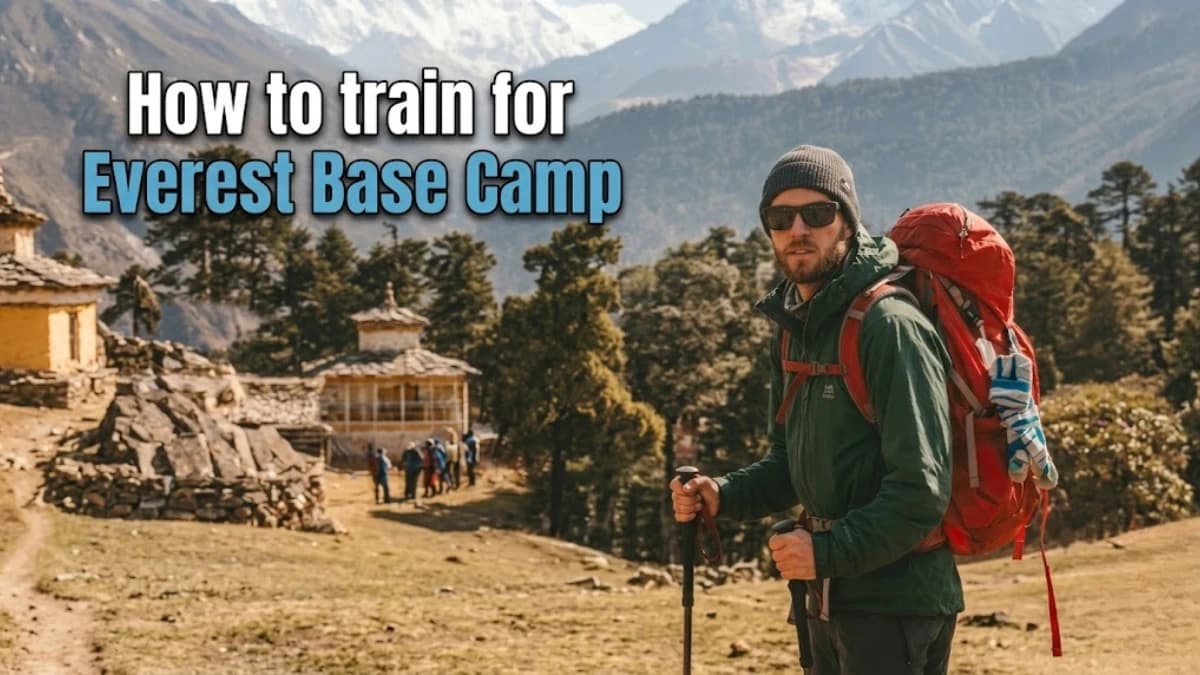
There is a particular type of panic that sets in about eight weeks before an Everest Base Camp trek. You have booked your flights. Your deposit is paid. Your leave is approved. And suddenly, lying in bed at midnight, the thought lands: can I actually do this?
The answer, almost certainly, is yes, if you spend those eight weeks preparing your body for what it is about to face. Not gym-mirror fitness. Not marathon running. Not CrossFit. Something much simpler and much more specific: the ability to walk uphill for six to eight hours a day, carrying a pack, for twelve consecutive days, at altitudes where the air holds half the oxygen you are accustomed to. If running is your thing it still counts; just point it at the hills: trail running on uneven ground trains the stabilisers and the descents that road running never will.
After guiding over a thousand trekkers to 5,364 metres (teachers, accountants, retirees, students, people who describe themselves as "not sporty"), the pattern of who thrives and who suffers is remarkably consistent. It has almost nothing to do with age or gym membership. It has everything to do with whether they trained specifically for the trek.
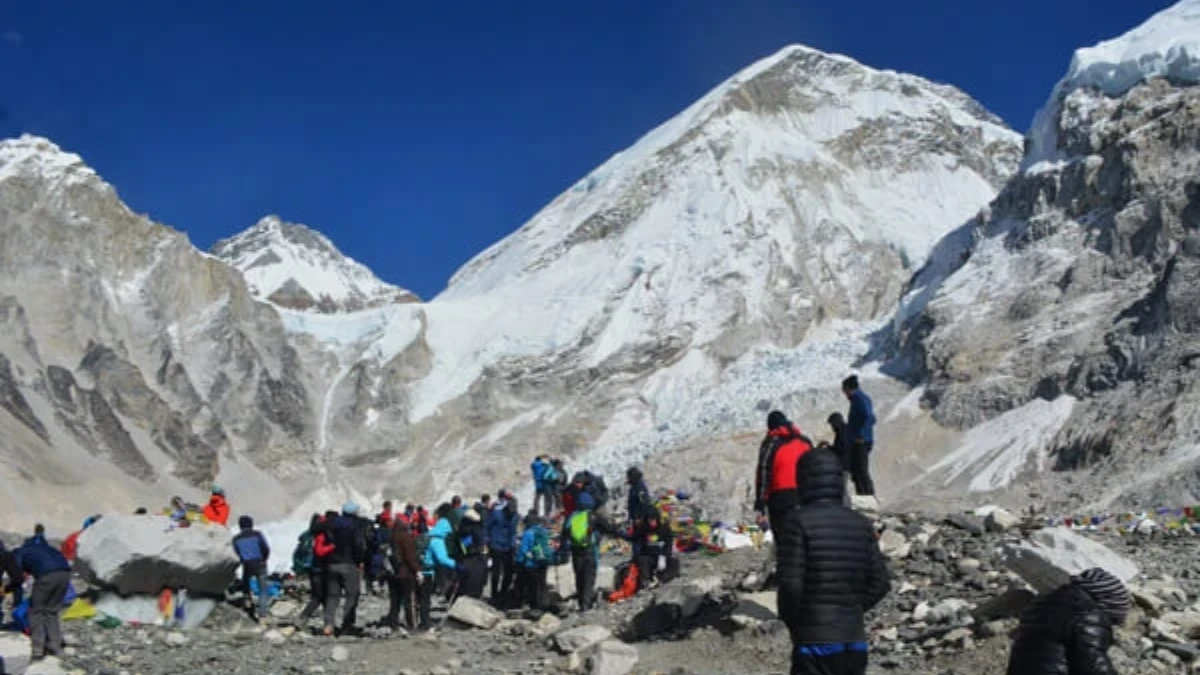
What Physical Demands Does the EBC Trek Place on Your Body?
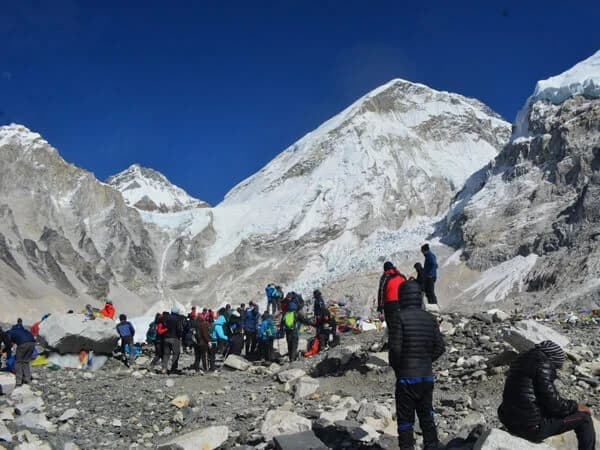
Understanding what the trek actually demands helps you train for the right thing. Everest Base Camp is not a technical climb. There are no ropes, no ice axes, no exposed ridges. It is walking: slow, steady, prolonged walking over uneven terrain with altitude as the invisible weight pressing on every step.
The daily routine for twelve days looks like this: wake at six, eat breakfast, walk five to eight hours with a lunch stop in the middle, arrive at the teahouse by mid-afternoon, eat dinner, sleep. The terrain is stone steps, rocky paths, river crossings on suspension bridges, and the occasional steep switchback up a valley wall. Your daypack weighs five to seven kilograms. The altitude increases daily until you are breathing air with roughly half the oxygen content of sea level.
The fitness you need is endurance, not speed. Leg strength, not arm strength. Cardiovascular capacity sustained over hours, not burst power over minutes. And most importantly, the resilience to do it again the next day, and the day after that, when your body is tired and the altitude is pressing harder.
What does an 8-week Everest Base Camp training plan look like?
Weeks 1-2: How to Start Your EBC Traininghe Habit
Walk. That is it. Walk five to eight kilometres, four times a week, at a pace where you can hold a conversation without gasping. Flat terrain is fine for now, you are building the habit of daily movement and letting your joints and tendons adapt to sustained effort.
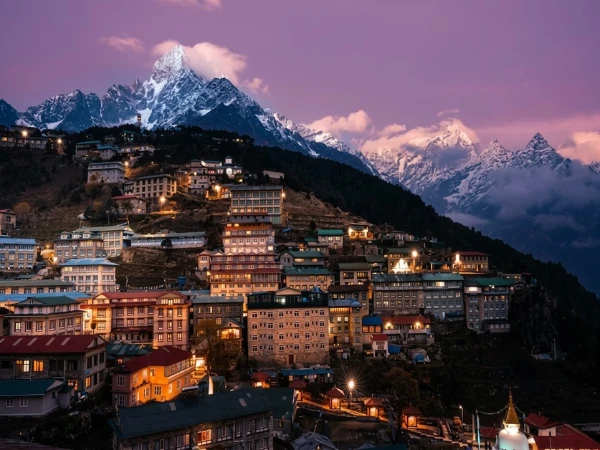
Add a day pack with three or four kilograms, a few water bottles inside a regular backpack. This is not about suffering. It is about teaching your shoulders and hips that they will be carrying weight for hours at a time, starting now.
On the weekend, do one longer walk, ten to twelve kilometres. Bring a friend. Bring a podcast. Make it enjoyable. The goal is not to dread training but to look forward to it.
Weeks 3-4: Adding Vertical Gain to Your Trainingical
Find hills. Find stairs. Find the steepest incline in your area and walk up it. Then walk down. Then walk up again. The Everest Base Camp trail is essentially twelve days of ascending and descending stone steps, if you train on flat ground, your calves and knees will make you regret it from Day 2.
Increase your pack to five or six kilograms. Walk eight to twelve kilometres per session with significant hill content. If you live in a flat city, a stairmaster at the gym works. Apartment stairwells work. Multi-storey car parks work. Thirty to forty-five minutes of stair climbing three times a week is the single most effective EBC preparation exercise that exists.
Weekend walk: twelve to fifteen kilometres with hills and your full pack weight.
Weeks 5-6: Building Endurance for Altituderance
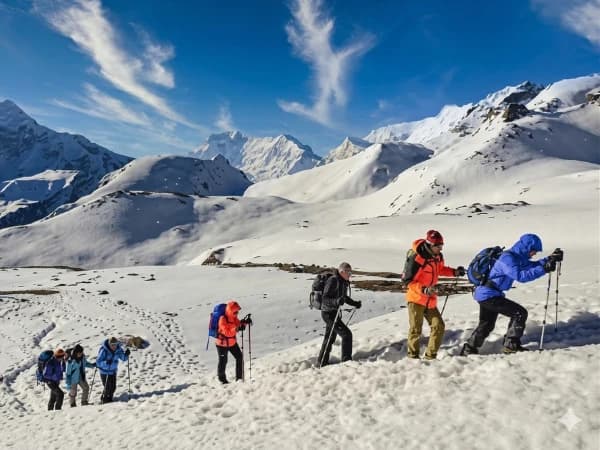
This is where the training starts to simulate the trek. Walk ten to fifteen kilometres per session, four times per week, over hilly terrain with your pack at six to seven kilograms, the weight you will carry every day in Nepal.
Add two sessions of leg-specific strength work: squats, lunges, step-ups, and calf raises. These protect your knees on the descent, going downhill is harder on your joints than going up, and the two-day descent from Gorak Shep to Lukla will test every ligament in your lower body if you have not prepared them.
Core work matters too. Fifteen minutes of planks, side planks, and dead bugs three times a week. A strong core protects your back under pack weight and helps balance on uneven terrain.
Weekend: a full-day walk of fifteen to twenty kilometres with your actual trekking boots and daypack. This is a rehearsal. Wear what you will wear on the trek. Carry what you will carry. Find out where your boots rub, where your pack sits uncomfortably, and which socks cause blisters, better to discover these now than on the trail between Namche and Tengboche.
Weeks Seven and Eight: Trek Simulation
Back-to-back long days. Saturday: fifteen kilometres. Sunday: twelve kilometres. This is the closest you can get to the feel of consecutive trek days without leaving home. Your body needs to understand what cumulative fatigue feels like, not just tired legs from one day but the deep, settled tiredness that comes from walking hard for days in a row.
If possible, do a multi-day practise hike, two or three days in hills or mountains, sleeping in basic accommodation, carrying your full kit. The Lake District, the Scottish Highlands, the Blue Mountains, the Appalachian Trail, any sustained hill walking will do.
The final week: taper. Lighter walks, gentle stretching, good sleep. Your body adapts during rest, not during exertion. Trust the training you have done and give your muscles time to rebuild before the trek begins.
How do I train for Everest Base Camp with 12 weeks to prepare?
Twelve weeks is better than eight. Significantly better. It allows a gentler progression that reduces injury risk and builds deeper endurance. Spread the eight-week plan across twelve weeks with more gradual increases in distance, elevation, and pack weight. The extra month is not wasted time, it is the difference between arriving in Nepal confident and arriving anxious.
What exercises should I do to prepare for Everest Base Camp?
Stair climbing is king. If you do nothing else, and we mean nothing else, climb stairs with a weighted pack for thirty to forty-five minutes, three times a week. This alone will prepare your legs for eighty percent of what the trail demands.
Squats and lunges build the muscles that carry you uphill and protect your knees going down. Three sets of fifteen repetitions, three times per week. Add weight as you get stronger, hold dumbbells or wear your loaded pack.
Core work protects your back and improves balance. The trail surface on EBC is uneven stone, loose rock, and occasional ice. A strong core keeps you stable when the ground moves under your feet.
Cardiovascular endurance gives you the ability to sustain effort for hours. Walking is the primary training, but supplement with swimming, cycling, or easy jogging. The goal is not speed, it is the ability to keep moving at moderate intensity for five to eight hours without breaking down.
Am I fit enough to trek to Everest Base Camp?
Can you walk fifteen kilometres with a seven-kilogram pack over hilly terrain and arrive at the end tired but not destroyed? If yes, you are ready. If you can walk ten kilometres with a five-kilogram pack on flat ground at a steady pace without stopping, you are at the minimum. If eight kilometres without a pack leaves you exhausted, you need more than eight weeks of training.
A fifty-eight-year-old retired nurse from Edinburgh started training fourteen weeks before her trek. In the first week, she could barely walk five kilometres without her knees aching. By week twelve, she was completing eighteen-kilometre hill walks with a loaded pack. On the trek, she was more comfortable than people twenty years younger who had not prepared.
Fitness trumps age. Preparation trumps genetics. Consistency trumps intensity. One hour of walking four times a week for eight weeks will serve you better than a frantic two weeks of daily gym sessions before departure.
How do I mentally prepare for the Everest Base Camp trek?
Physical fitness gets you to Gorak Shep. Mental fitness gets you up Kala Patthar at four thirty in the morning when the temperature is minus fifteen and your head is pounding and your legs feel like they belong to someone else.
There will be hard days. Day 6 to Dingboche. Day 8 to Lobuche. The predawn climb to Kala Patthar. These moments test something beyond cardiovascular capacity, they test your willingness to keep going when every signal in your body says stop.
Expecting difficulty makes it manageable. Trekkers who arrive thinking EBC will be "basically a long walk" struggle most when the altitude bites. Trekkers who arrive knowing that Days 8 and 9 will be genuinely hard, and accepting that hardship as part of the experience rather than a failure of their body, tend to not only complete the trek but deeply enjoy it.
The mountains do not care about your gym routine. They care about your ability to put one foot in front of the other, slowly, steadily, for twelve extraordinary days. If you train your body and prepare your mind, the rest is just walking.
Ready to put your training to the test? See our 12-day Everest Base Camp Trek for the full itinerary and altitude profile. If you want a gentler start, the EBC by Road adds acclimatisation days.
The honest answer about EBC fitness: if you can walk uphill for six hours with a light daypack, you can do it. You do not need to be a marathon runner. You do not need a gym membership. You need legs that can climb stairs for a week straight and lungs that can work at half their usual oxygen supply. The training plan in this blog works. Start twelve weeks before your trek, build gradually, and do not skip the stair sessions.
If you have fitness concerns, talk to us. We have guided seventy-four-year-olds to base camp. We will be honest about if you are ready.
WhatsApp:+977 9810351300
Email:[email protected]
Written by Shreejan Simkhada, CEO of The Everest Holiday and third-generation Himalayan guide. TAAN Member #1586.
EBC training plan? Pair with our 2027 dates. Our Everest Base Camp Trek (12 Days) is private (your group only, no strangers), spring 2027 dates open, From USD $1399. WhatsApp us for tailored 2027 dates and current departures.
Ready to start? See our full Everest Base Camp Trek: 12-day guided itinerary, cost from $1,399, daily departures.
Training for a spring 2027 trek? Count back eight weeks from your departure: for an early April 2027 start, this programme begins in the first week of February. Book the trek first, then train towards a date: deadlines finish programmes, intentions do not.
Reviewed and updated on 2 September 2026 by Shreejan Simkhada, CEO of The Everest Holiday and third-generation Himalayan guide. TAAN Member #1586.
 Chat with Shreejan