
Complete guide to trekking in Nepal with coeliac disease or gluten intolerance. Safe foods, risky foods, Nepali phrases, cross-contamination tips, and what to bring from home.
Govt Regd. No.: 147653/072/073
Travel Agency Licence: 2838/072
Gluten-Free Trekking in Nepal: What You Can Eat on the Trail

Can You Trek in Nepal If You Are Gluten-Free?
Yes, and it is easier than you probably expect. The staple trekking meal in Nepal, dal bhat, is naturally gluten-free. Rice, lentil soup, vegetable curry, and pickles. Every teahouse serves it twice a day, and it is the best fuel for walking at altitude. Most Nepali home cooking is rice-based, not wheat-based, which means gluten-free trekkers are actually eating closer to the local diet than trekkers who order pizza and pasta.
That said, Nepal's teahouse kitchens are not set up for allergen management. Cross-contamination is a real possibility, and knowing which menu items contain hidden gluten is the difference between a comfortable trek and a miserable one. This guide covers everything from safe foods to risky ones, how to communicate with teahouse cooks, and what to bring from home.
Which Teahouse Foods Are Naturally Gluten-Free?
Dal bhat: The single safest choice. Rice, lentil soup, seasonal vegetables, and pickle. Order it at every meal and you will never go hungry. Most teahouses offer unlimited refills of rice and dal. It is filling, nutritious, and naturally free of wheat, barley, and rye.
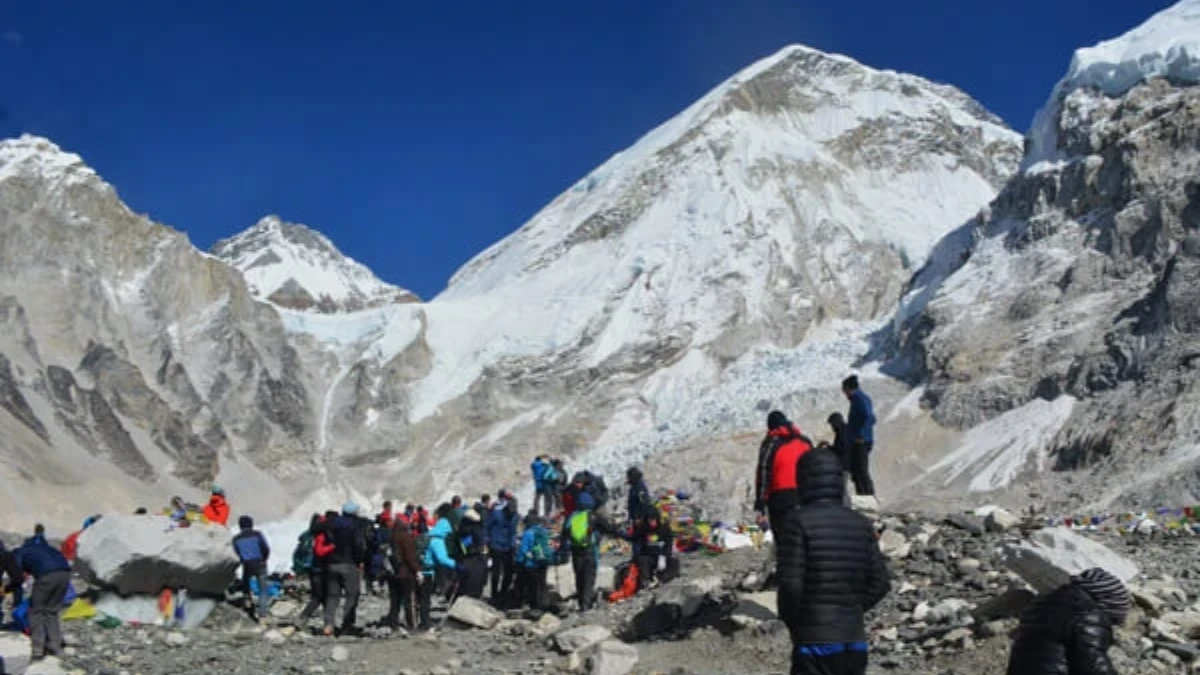
Boiled potatoes: Common on the EBC trek where potatoes grow locally. Boiled, mashed, or fried: all gluten-free as long as they are not coated in flour. Ask for them plain.
Eggs: Scrambled, fried, or boiled. Available at virtually every teahouse. A reliable protein source. Avoid omelettes made with pancake batter, which some teahouses do to bulk them up.
Tibetan butter tea: Tea, yak butter, and salt. Gluten-free and surprisingly warming at altitude. An acquired taste, but worth trying above 4,000m when you need the calories.
Fresh vegetables: Available at lower elevations. Sauteed greens, tomato soup, and vegetable curry are all typically safe.
Fruit: Apples and oranges are common along the Annapurna trails. Limited above 4,000m on the EBC route.
Which Foods Should You Avoid?
Momos: Nepal's famous dumplings. The wrapper is wheat flour. No exceptions. Even if the filling is vegetable or chicken, the casing contains gluten.
Chapati and roti: Wheat flatbreads. Served alongside dal bhat as an alternative to rice. Decline and stick with rice.
Noodle soups (thukpa): Wheat noodles. Common on teahouse menus, especially at higher elevations. Avoid unless the teahouse uses rice noodles, which is rare.
Pancakes: Wheat flour. A popular breakfast item on the trail. Some teahouses offer buckwheat pancakes in the Annapurna region, buckwheat is gluten-free despite the name, but ask if it is pure buckwheat or mixed with wheat flour.
Fried rice: Usually safe, but some teahouses add soy sauce which may contain wheat. Ask for it without soy sauce.
Instant noodles: Wheat-based. Served as "Wai Wai" or "chow mein" on most menus.
Bread and toast: Wheat. The Namche bakeries make excellent bread that you cannot eat.
Beer: Barley-based. Everest Beer, Gorkha Beer, and most Nepali brands contain gluten. If you want a drink, arak (local rice spirit) or apple brandy (in the Annapurna region) are gluten-free.
How Do You Communicate Gluten-Free in Nepali?
Most teahouse cooks do not know the word "gluten." The concept of gluten intolerance is not well-known in Nepal, and explaining coeliac disease in detail is difficult when there is a language barrier and a kitchen full of orders.
Instead, focus on what you can eat rather than what you cannot. These phrases work:
"Maile gahu khana sakdina". I cannot eat wheat (गहुँ = gahu = wheat)
"Bhat ra dal matra". Rice and dal only
"Maida chhaina?". Is there flour? (मैदा = maida = flour)
The most effective approach: order dal bhat, eggs, and potatoes. Do not try to explain the full list of things you cannot eat. Tell your guide about your restriction before the trek starts, our guides translate for you at every teahouse and can pre-warn the cooks.
Consider carrying a printed card in Nepali explaining your dietary restriction. A laminated card that says "I cannot eat wheat, barley, or rye. Rice, potatoes, vegetables, eggs, and lentils are safe" in Nepali script is the most reliable method.
Should You Bring Gluten-Free Snacks from Home?
Yes, absolutely. The teahouse menu is limited above 3,500m, and if your safe options are dal bhat and eggs, you will want variety. Bring enough snacks for 2 to 3 per day.
Good options: Gluten-free energy bars (KIND, Larabars, or similar), rice cakes, nuts and dried fruit, dark chocolate, gluten-free crackers, and individual nut butter sachets. These pack light, survive altitude temperature swings, and give you energy between meals.
How much: For a 12-day trek, bring 20 to 30 snack items. This sounds like a lot, but you will burn 3,000 to 4,000 calories per day and the teahouse meals alone may not be enough if your options are restricted.
Where to buy in Kathmandu: Bhat-Bhateni supermarket in Maharajgunj has a small international food section with some gluten-free products. Do not rely on finding specific brands; bring your favourites from home.
What About Cross-Contamination?
Teahouse kitchens are small, shared spaces. The same pans, utensils, and surfaces are used for wheat and non-wheat dishes. If you have coeliac disease or a severe allergy, zero cross-contamination is not realistic in a mountain teahouse.
Practical steps to reduce risk:
Ask for your rice and dal to be cooked in a clean pan. Most cooks will accommodate this if asked politely and early enough.
Order simple foods. The more complex the dish, the more likely it contains hidden wheat (sauces, coatings, thickeners).
Eat early. If you are the first order, the kitchen is cleaner and there is less cross-contamination from other dishes.
If your condition is severe, discuss it with us before booking. We can arrange private cooking arrangements on some routes, particularly on luxury trekking packages where the kitchen is more flexible.
Which Trek Is Best for Gluten-Free Trekkers?
The EBC trek and the Annapurna Base Camp trek are both manageable for gluten-free trekkers. Both have teahouses with dal bhat, eggs, and potatoes available at every stop.
The Annapurna region has a slight edge because buckwheat is grown locally and appears on some menus. The Mustang region also uses buckwheat in traditional dishes. But for most trekkers, the route choice should be based on what you want to see, not dietary restrictions: dal bhat is everywhere.
Do Our Guides Help With Dietary Restrictions?
Yes. Tell us about your dietary needs when you book, and we brief your guide before the trek starts. Our guides speak English and Nepali, and they communicate your restrictions to every teahouse cook along the route. They also know which teahouses are more accommodating and which have more limited kitchens.
We have guided coeliac trekkers, vegans, vegetarians, and trekkers with nut allergies. The key is preparation and clear communication, both of which are easier when you have a local guide handling the conversation for you.
Message us on WhatsApp if you have dietary questions or want specific advice for your trek. We are happy to help you plan meals and snacks before you arrive in Nepal.
Gluten-free trekking? We brief teahouses ahead. Our Everest Base Camp Trek (12 Days) is private (your group only, no strangers), 2027 dates open, From USD $1399. WhatsApp us for tailored 2027 dates and current departures.
Planning a trip to Nepal?
Drop us your details and tell us what you have in mind. We will put together a personalised plan and get back to you.
Not sure which Nepal trek is right for you?
Take our free 2-minute quiz and get personalised recommendations based on your fitness, experience, and travel style.
Find Your Perfect Trek →Need Help? Call Us+977 9810351300orChat with us on WhatsApp
Latest Travel Blogs
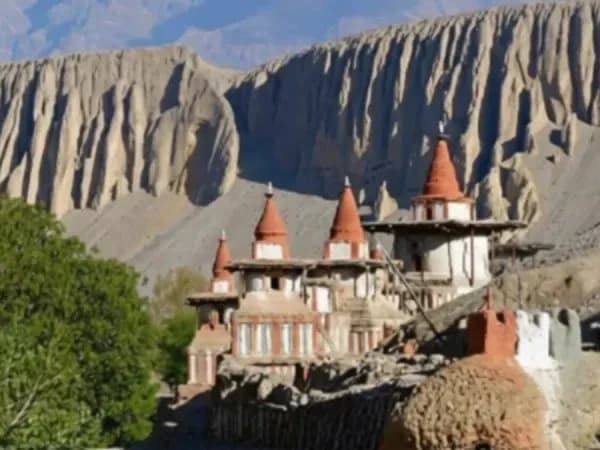
Trekking in Nepal in September 2027: Weather, Best Treks and Departures
Plan a September 2027 trek in Nepal: monsoon-tail weather, why Upper Mustang works, which treks to avoid and our departures on 6, 13, 20 and 27 September.
Read More
Trekking in Nepal in March 2027: Weather, Best Treks and Departures
Plan a March 2027 trek in Nepal: weather figures, the treks that suit the month, crowds, festivals and our departures on 8, 15, 22 and 29 March.
Read More
Trekking in Nepal in April 2027: Weather, Best Treks and Departures
Plan an April 2027 trek in Nepal: weather figures, the treks that suit the month, crowds, the Manthali flights and our departures on 5, 12, 19 and 26 April.
Read More Chat with Shreejan