Practical first-timer guide to Kathmandu. Airport to hotel, Thamel survival, Boudhanath and Pashupatinath, Bhaktapur day trip, and the stuff guidebooks skip.
Govt Regd. No.: 147653/072/073
Travel Agency Licence: 2838/072
First Time in Kathmandu: What Nobody Tells You Before You Land

What's Kathmandu Actually Like When You Land?
Chaotic. Loud. Dusty. Beautiful. All at once.
Your plane drops through a ring of green hills into a valley that looks too small for a city of 3 million people. The airport is modest: one international terminal, queues for visa on arrival, a baggage carousel that's seen better decades. You step outside and the noise hits you: horns, engines, temple bells, street vendors, and a dog barking at a motorbike that's carrying a family of four.
Within 30 minutes you'll either love it or want to hide in your hotel. Most people love it by the second day.
How do you get from Kathmandu airport to your hotel?
If you're trekking with us, we pick you up. Our driver holds a sign, puts your bags in the car, and drives you to Thamel (the tourist district) in 20 to 40 minutes depending on traffic. Traffic in Kathmandu doesn't follow rules you'll recognise: it works on a system of mutual eye contact, horn signals, and faith.
If you're arranging your own transfer: pre-book through your hotel. Airport taxis charge fixed rates (roughly 700-1,000 NPR to Thamel), but you'll need to negotiate. Ride apps like Pathao work but drivers sometimes struggle to find you in the airport car park.
Do NOT change money at the airport. The rates are terrible. Change a small amount ($50) to cover the taxi and your first meal, then find a money changer in Thamel where the rates are 10-15% better.
What is Thamel in Kathmandu like for first-time visitors?
Thamel is Kathmandu's tourist hub, a dense grid of narrow streets packed with trekking shops, restaurants, bars, bookshops, and guest houses. It's loud, commercial, and nothing like the rest of Nepal. But it's where you'll buy last-minute gear, eat your first dal bhat, and meet other trekkers heading to the same trail as you.
What to do in Thamel:
Buy gear you forgot. The shops sell everything from sleeping bags to trekking poles, mostly good-quality copies of brand-name gear at a fraction of the price. Bargain, the first price is always double what they'll accept.
Eat momos. Every restaurant makes them. Chicken momos from a street stall in Thamel cost 150-200 NPR (about $1) and they're genuinely excellent. The steam momos are better than the fried ones.
Ignore the touts. "trekking sir? best price?", you'll hear this 50 times walking down the main street. A polite "no thank you" works. Don't engage unless you actually want to buy something.
What are the best places to visit in Kathmandu beyond Thamel?
Thamel is for tourists. The real Kathmandu is outside it, and you need at least one full day to see the places that make this city extraordinary.
Boudhanath stupa: the biggest stupa in Nepal, surrounded by Tibetan monasteries and butter-lamp shops. Go at dawn when the monks are doing their morning kora (circumambulation). The atmosphere is calm, devotional, and completely different from Thamel. Sit at one of the rooftop cafes, order a masala tea, and watch the prayer wheels turn.
Pashupatinath: the most important Hindu temple in Nepal, on the banks of the Bagmati river. Cremation ghats are open to visitors, bodies are burned on stone platforms along the river, with families mourning nearby. It's confronting and peaceful at the same time. Take off your shoes before entering the temple complex. Non-Hindus can't enter the main temple but can see everything else.
Swayambhunath (Monkey Temple): a Buddhist stupa on a hilltop west of the city. Climb the 365 steps to the top for panoramic views of the valley. The monkeys are aggressive about food, keep bags closed. Sunset from up here is Kathmandu at its best.
Bhaktapur: a medieval Newari city 13km east of Kathmandu. Take a local bus (30 minutes, 25 NPR) or a taxi (800-1,000 NPR). The Durbar Square has some of the finest medieval architecture in Asia. The Pottery Square is still working, potters throw clay pots by hand exactly as they did 500 years ago. The Juju Dhau (king curd) in Bhaktapur is the best yoghurt you'll ever eat. Not exaggerating.
Patan (Lalitpur): directly south of Kathmandu, across the Bagmati river. The Golden Temple and Patan Durbar Square are less touristy than Kathmandu's Durbar Square and arguably more beautiful. The Patan Museum is one of the best in South Asia.
Practical Stuff Nobody Mentions
Water: don't drink tap water. Ever. Buy bottled water or use purification tablets. A 1-litre bottle costs 20-50 NPR in Thamel. Some hotels have filtered water stations. Refill your bottle there to reduce plastic waste.
Power: Kathmandu has reliable electricity now (it didn't 10 years ago). Bring a universal adapter. Nepal uses Indian-style round pins. Most hotels have wifi that works well enough for messaging but struggles with video calls.
Altitude: Kathmandu sits at 1,400m. You won't feel it, but jet-lagged trekkers sometimes mistake mild dehydration and exhaustion for altitude effects. Drink water, rest your first day, and don't rush into anything physical.
Pollution: Kathmandu has poor air quality, especially in winter (December-February). If you're sensitive, wear a mask when walking through traffic-heavy areas. It's noticeably better in the early morning before the vehicles start.
Safety: Kathmandu is safe for tourists. Petty crime (pickpocketing in crowded areas) exists but is rare. The biggest risks are traffic (look both ways and then look again) and food hygiene (eat at busy restaurants where the turnover keeps the food fresh).
How Many Days Should You Spend Here?
Two is enough. One day for Thamel and gear shopping, one day for Boudhanath, Pashupatinath, and either Swayambhunath or Bhaktapur. If you have a third day, add the one you didn't do.
Many trekkers spend their post-trek day in Kathmandu too: a hot shower, a proper meal, and a beer in Thamel after 12 days on the trail feels like genuine luxury.
If you're trekking with us, we include airport pickup, hotel assistance, and a pre-trek briefing in Kathmandu. WhatsApp us if you want advice on where to stay or what to see before your trek.
First time in Kathmandu? Use our city tour. Our Kathmandu & Pokhara Tour (7 Days) is private (your group only, no strangers), 2027 dates open, From USD $749. WhatsApp us for tailored 2027 dates and current departures.
Planning a trip to Nepal?
Drop us your details and tell us what you have in mind. We will put together a personalised plan and get back to you.
Not sure which Nepal trek is right for you?
Take our free 2-minute quiz and get personalised recommendations based on your fitness, experience, and travel style.
Find Your Perfect Trek →Need Help? Call Us+977 9810351300orChat with us on WhatsApp
Latest Travel Blogs
Trekking in Nepal in September 2027: Weather, Best Treks and Departures
Plan a September 2027 trek in Nepal: monsoon-tail weather, why Upper Mustang works, which treks to avoid and our departures on 6, 13, 20 and 27 September.
Read More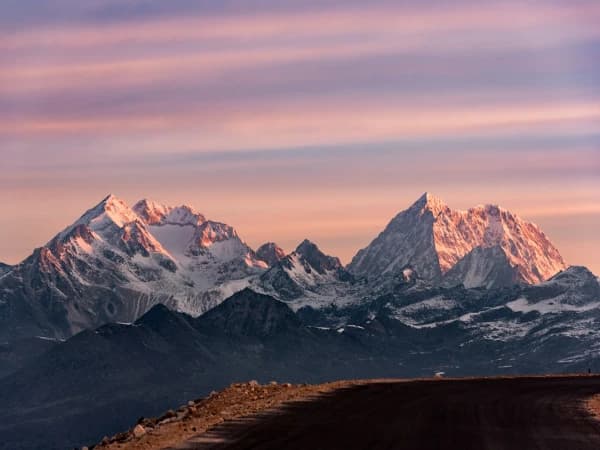
Trekking in Nepal in March 2027: Weather, Best Treks and Departures
Plan a March 2027 trek in Nepal: weather figures, the treks that suit the month, crowds, festivals and our departures on 8, 15, 22 and 29 March.
Read More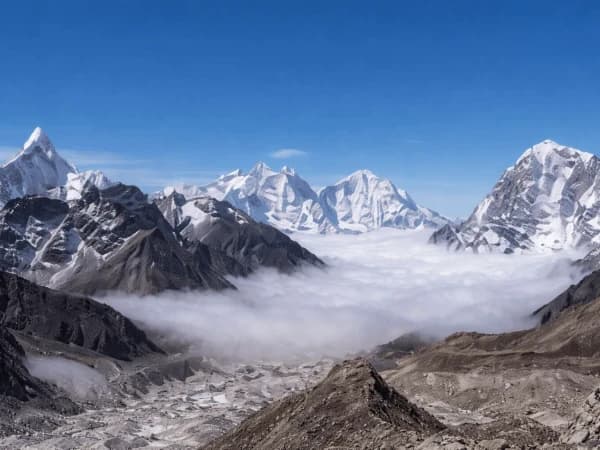
Trekking in Nepal in April 2027: Weather, Best Treks and Departures
Plan an April 2027 trek in Nepal: weather figures, the treks that suit the month, crowds, the Manthali flights and our departures on 5, 12, 19 and 26 April.
Read More Chat with Shreejan