

Pokhara is the only city in Nepal where you can eat breakfast in a rooftop restaurant and watch the sun hit Machhapuchhre, Annapurna South, and Dhaulagiri without leaving your seat. The mountain views from Pokhara are not a hike away, they are visible from your hotel window if you choose the right hotel.
But not every hotel delivers on this promise. Lakeside is the most popular area but many Lakeside hotels face the lake, not the mountains. The mountain views are to the north, and only hotels with north-facing rooms or rooftops catch the full panorama. Here is where to stay for the best views at every budget.
Which Area Has the Best Mountain Views?
Lakeside North (Baidam) is the sweet spot. This quieter end of the Lakeside strip faces Phewa Lake with the Annapurna range reflected in the water on still mornings. Hotels here tend to be newer, less noisy, and more likely to have unobstructed north-facing views.
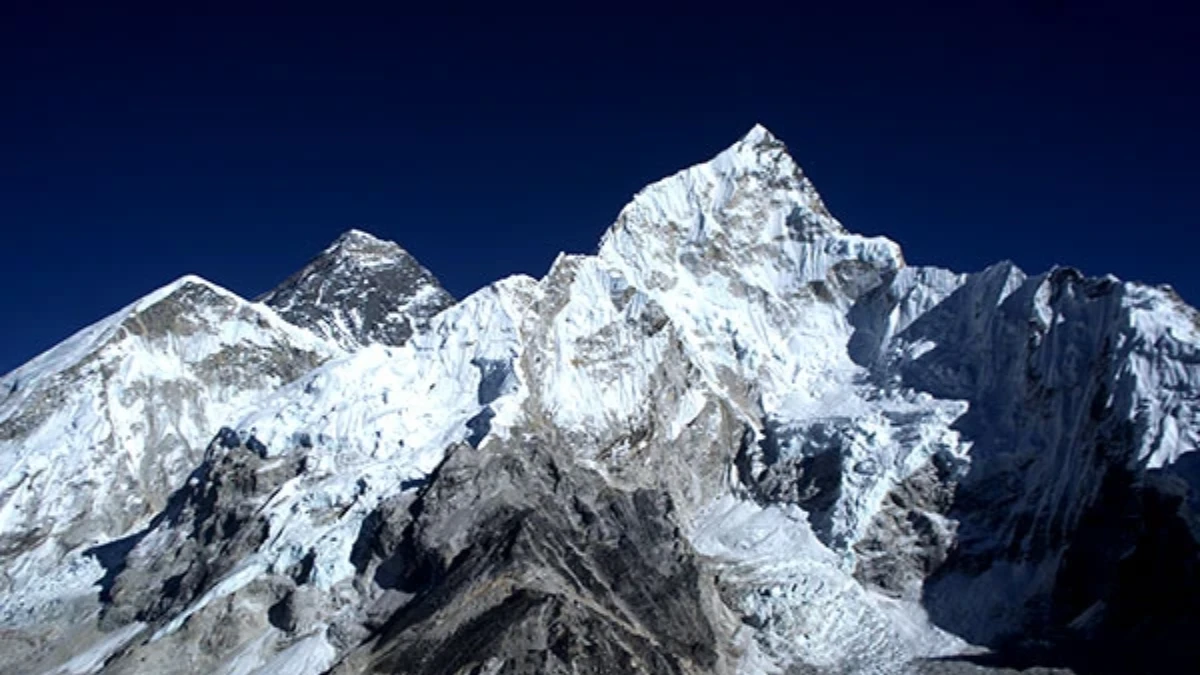
Lakeside Central (around Hallanchowk) is the main tourist strip. Busy, convenient, and full of restaurants. Mountain views are hit-or-miss because of taller buildings blocking the sightlines. Ask for the highest available floor.
Sarangkot Road: hotels on the road from Lakeside up to Sarangkot offer the best elevated views. You sacrifice walkability to restaurants and shops for unobstructed panoramas. Taxi to Lakeside: NPR 300-500 (5 minutes).
Phewa Lake's south shore, quieter, fewer tourists, and direct views across the lake to the mountains. Accessible by boat or a 20-minute drive from Lakeside. Best for couples and honeymooners who want peace.
Budget Hotels with Mountain Views (Under USD 30/night)
Budget hotels in Pokhara start at USD 8 to 15 for a clean room. For mountain views, expect USD 15 to 30. The key is asking specifically for a north-facing room with a balcony, because many budget hotels have some rooms with views and some without, at the same price. Book directly and request the view room.
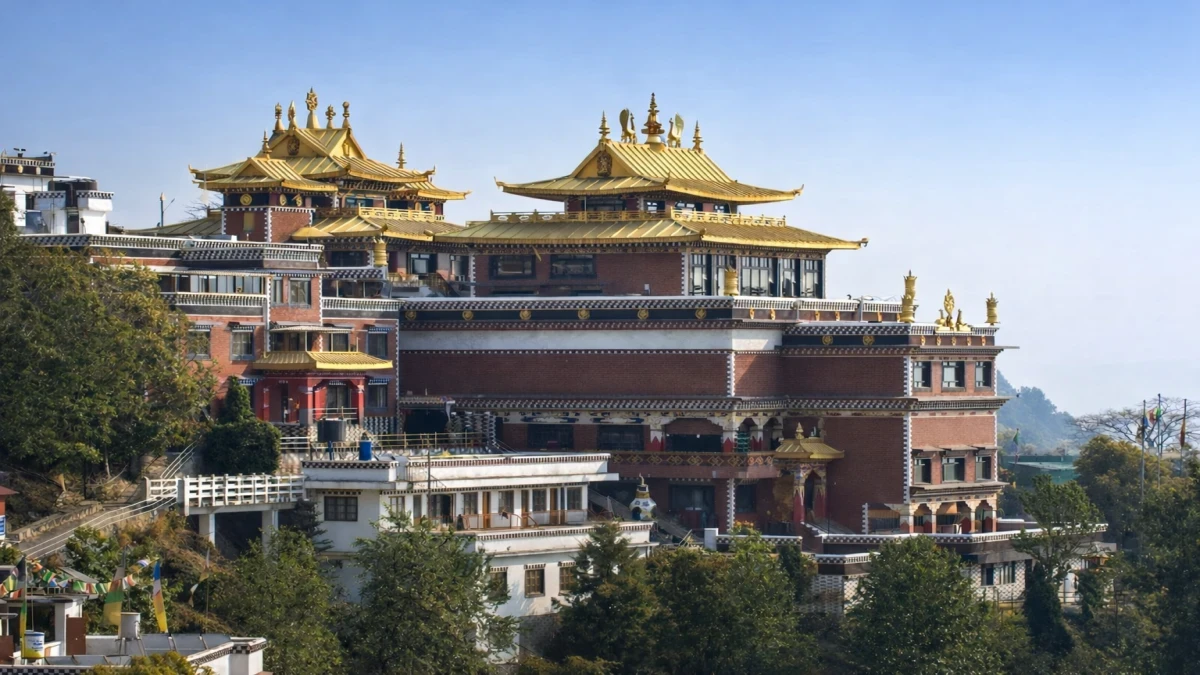
What to expect at this level: clean private room with attached bathroom, hot water (solar-heated, best in afternoon), wifi in common areas, rooftop terrace with mountain views even if your room does not face north. No air conditioning (you will not need it. Pokhara is pleasant year-round).
Most budget hotels are on Lakeside's main strip within walking distance of restaurants, gear shops, and the lake. Breakfast is usually included or available for NPR 200-400.
Mid-Range Hotels with Mountain Views (USD 30-80/night)
This is the sweet spot for Pokhara accommodation. At USD 30 to 80 per night, you get a proper hotel with a garden, a pool (some), a restaurant, and rooms with balconies facing the mountains. The difference from budget is significant: better beds, reliable hot water, in-room wifi, and often a swimming pool.
Look for hotels in Lakeside North or on the lower slopes of Sarangkot Road. These tend to have fewer obstructions between your balcony and the mountains. Many mid-range hotels have rooftop restaurants where the sunrise view is spectacular.
Booking tip: Reserve two to three weeks ahead during peak season (October-November). In shoulder seasons (September, December, March), you can walk in and negotiate, and expect 20 to 40 percent off the listed price.
Luxury Hotels with Mountain Views (USD 80-300/night)
Pokhara's luxury hotels compete with anywhere in South Asia on views. At this level you get infinity pools with Machhapuchhre reflected in the water, spa treatments with mountain panoramas, and private balconies where the sunrise wakes you up before your alarm does.
The best luxury views come from hotels slightly above Lakeside, on Sarangkot Road or the ridge behind the tourist strip. The elevation adds drama to the panorama because you see both the lake and the mountains in a single frame.
Expect: king beds, bathtubs, room service, full-service restaurants, airport transfers, and concierge services that can arrange paragliding, boat trips, and treks. Some luxury hotels have their own yoga studios and meditation gardens.
What Can You See from a Pokhara Hotel?
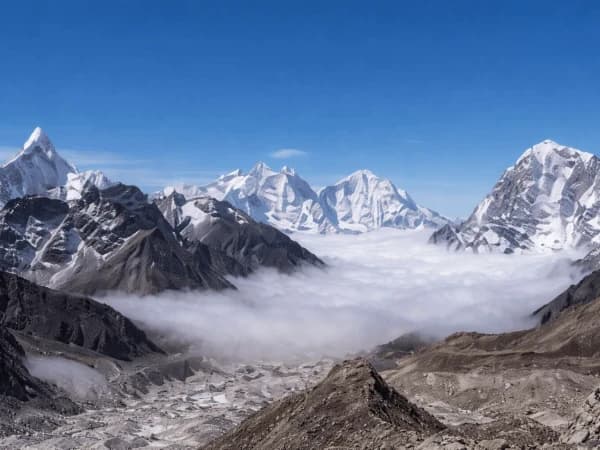
On a clear morning (most mornings in October-November and March-May), you see:
- Machhapuchhre (6,993m), the iconic Fishtail peak, directly north, unmistakable
- Annapurna South (7,219m), to the left of Machhapuchhre
- Annapurna I (8,091m), partially hidden behind the south face but visible from elevated positions
- Annapurna III and IV, further left, forming the extended range
- Dhaulagiri (8,167m), far to the west, visible from Sarangkot and elevated hotels
- Phewa Lake, the foreground, reflecting the mountains on still mornings
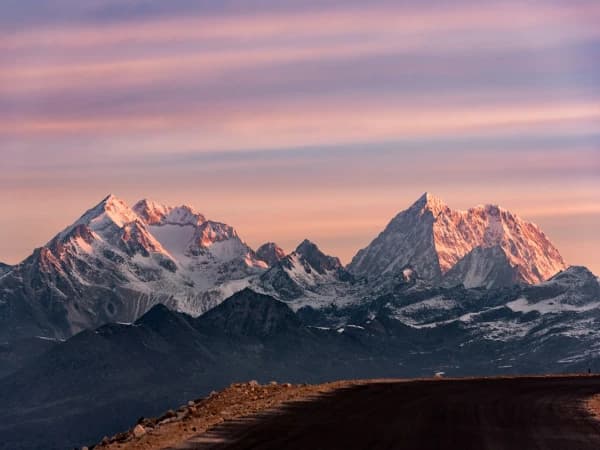
The view changes dramatically with the light. Pre-dawn is blue and grey. Sunrise turns the peaks gold, then orange, then white. Late afternoon brings warm light that makes the snow glow. Overcast days hide everything, so check the weather before booking your mountain-view room.
When Is the Best Time for Mountain Views in Pokhara?
October and November offer the clearest views. The post-monsoon air is clean and the skies are deep blue almost every morning. December and January are clear but cold (nights drop to 5 degrees in Lakeside).
March to May is warm and increasingly hazy. Mountain views are best at sunrise and fade by mid-morning as heat haze builds. June to September (monsoon) means clouds, rain, and few clear views, but the rare clear morning after a night of rain is the most dramatic of all.
How to Combine Pokhara with Trekking
Most trekkers spend one to two nights in Pokhara before or after their trek. Before the trek: rest, buy last-minute gear in Lakeside, eat well, and enjoy the views you are about to walk into. After the trek: celebrate with a lakeside dinner, a massage for sore legs, and a final sunrise from your hotel rooftop.
Our Poon Hill Trek, ABC Trek, and Mardi Himal Trek all start and end in Pokhara.
Should You Book Before or After Your Trek?
After. Most trekkers book Pokhara accommodation for the night before their trek departs and the night they return. The pre-trek night is about logistics: gear check, permit briefing, early dinner, early bed. The post-trek night is about celebration, long shower, restaurant meal, lake walk, and sleeping in a real bed after a week in teahouses.
If you have an extra day, spend it in Pokhara after the trek. Your body will thank you. Paragliding, the World Peace Pagoda boat trip, or simply sitting in a lakeside cafe watching Machhapuchhre reflect in the lake are all better when your legs are tired and your spirits are high.
We arrange hotel bookings as part of the package or can recommend options at your budget level.
WhatsApp:+977 9810351300
Email:[email protected]
Written by Shreejan Simkhada, CEO of The Everest Holiday and third-generation Himalayan guide. TAAN Member #1586.
Best Pokhara mountain-view hotels: on our Kathmandu and Pokhara tour. Our Kathmandu & Pokhara Tour (7 Days) is private (your group only, no strangers), 2027 dates open, From USD $749. WhatsApp us for tailored 2027 dates and current departures.
 Chat with Shreejan